How to Catch Whitefish in Minnesota (Step by Step)
Fishing for whitefish in Minnesota can feel like chasing a phantom. They're often overlooked, seen more as an accidental catch while targeting walleye or tullibee, and many anglers don't even know how to target them intentionally. But trust me, these deep-water dwelling fish offer a unique and rewarding challenge, especially if you love subtle bites and delicious table fare. This guide is all about demystifying whitefish and giving you the step-by-step knowledge to start catching them in the Land of 10,000 Lakes.
Understanding Minnesota Whitefish: A Unique Challenge
Whitefish are truly a fascinating species in Minnesota, often living in their own world far beneath the surface. They aren't the aggressive predators like pike or muskie, nor are they as widely distributed as walleye or panfish. To successfully target them, you first need to understand their preferred habitat and behavior. It's a different ballgame than shallow water angling, but one that many seasoned anglers find incredibly rewarding once they crack the code.
Whitefish Species and Their Habits
When we talk about "whitefish" in Minnesota, we're primarily referring to the Lake Whitefish (Coregonus clupeaformis), though other related species like Cisco (also known as Tullibee) are often found in similar habitats and caught using similar methods. Lake Whitefish are bottom-oriented fish that feed predominantly on small invertebrates like insect larvae, freshwater shrimp (Mysis shrimp are a favorite), and other small organisms found on the lakebed or suspended in the water column. They have small, downturned mouths perfectly adapted for sifting through substrate or plucking tiny morsels. This unique feeding style means your bait presentation needs to be incredibly subtle.
These fish are true cold-water connoisseurs, thriving in deep, oxygen-rich waters that stay cool even in the height of summer. You'll find them predominantly in larger, deeper lakes across Northern Minnesota, such as Lake Superior, Leech Lake, Lake Vermilion, and Ten Mile Lake. They tend to school, so when you find one, there's a good chance more are nearby. Their preference for specific, often hard-to-reach habitats is a big part of why they can be such a challenge to locate and catch, requiring a different approach than many other popular species.
Prime Seasons for Whitefish in Minnesota
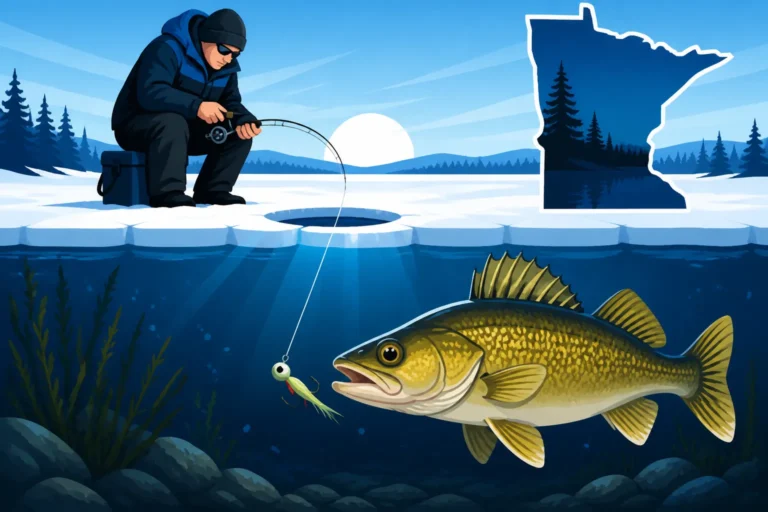
While whitefish can be caught during the open water season, ice fishing is overwhelmingly the most popular and productive time to target them in Minnesota. The colder temperatures and stable conditions of winter allow whitefish to be more predictable in their movements, often congregating in specific deep-water areas. Early ice, just after lakes freeze over, and late ice, before the spring thaw, can be particularly hot periods. During these times, whitefish might be more active as they forage aggressively.
During the open water season, catching whitefish typically involves specialized techniques like deep trolling with downriggers or heavy jigs in extremely deep water. This isn't usually a casual endeavor for most recreational anglers, as it requires specific boat setups and a good understanding of deep-water thermoclines. For many, open water whitefish are more often a delightful surprise while targeting lake trout or suspended walleye. However, if you're dedicated, mastering open water techniques can extend your whitefish season considerably, though the learning curve can be steep. Understanding the Seasonal Fishing Patterns in Minnesota can give you a broader context for when different species are most active throughout the year.
Essential Gear and Tackle for Whitefish
Don't let the idea of "specialized" gear scare you. While precision is key, much of the tackle you'll use for whitefish can be adapted from panfish or light walleye setups. The core principle is sensitivity and a light touch, as whitefish bites are often incredibly subtle – sometimes feeling like nothing more than a slight pressure or a tiny tap. Investing in the right tools will drastically improve your success rate and make the experience much more enjoyable.
Rods, Reels, and Line Selection
For whitefish, think finesse. You want a rod with an incredibly sensitive tip that can detect the slightest nibble, even in deep water. A light to ultra-light action spinning rod, typically in the 28-36 inch range for ice fishing, or a longer 6-7 foot ultra-light spinning rod for open water, is ideal. The rod's backbone should be forgiving enough to prevent pulling the small hooks out of their delicate mouths. Brands like St. Croix, with their sensitive panfish series, or even a basic ultra-light combo from a trusted outdoor retailer on Amazon, will work wonderfully.
Pair your sensitive rod with a small, lightweight spinning reel (e.g., 500-1000 size) spooled with thin line. Many anglers prefer 2-4 lb test monofilament or fluorocarbon as their main line for ice fishing, or a very thin braid (e.g., 4-6 lb test) with a 2-4 lb fluorocarbon leader for added invisibility and abrasion resistance. The thin line reduces line drag in deep water and helps you feel those faint bites. A good fluorocarbon leader is non-negotiable, as whitefish have excellent eyesight in clear water. When considering new setups, don't forget to check out guides like Best Walleye Rods & Reels for ideas on sensitive rod and reel combos that can often translate to whitefish applications, just remember to scale down.
Lures and Baits That Entice Whitefish
This is where the "small mouth" aspect of whitefish really comes into play. You need tiny offerings that they can easily inhale. For ice fishing, small tungsten jigs are absolute dynamite. These tiny jigs, often used for panfish, are heavy for their size, allowing them to drop quickly to depth and maintaining sensitivity. Colors vary, but natural tones like greens, browns, and black often work well, as do glow-in-the-dark options for deep, low-light conditions. Pairing these jigs with a single or a couple of live maggots (spikes), wax worms, or even a tiny piece of Gulp! artificial bait is often the ticket.
Beyond jigs, small spoons in the 1/16 to 1/8 ounce range can also be very effective. Think small, fluttering spoons that imitate tiny invertebrates. Popular options include the Northland Forage Minnow Spoon, Custom Jigs & Spins Slender Spoon, or even small Hali jigs. These can be tipped with the same live baits. The key is presentation: minimal action, just enough to make the bait dance gently. On Amazon, you can find multipacks of these small jigs and spoons which are perfect for experimenting. While whitefish aren't typically interested in minnows, understanding Best Live Bait for Walleye (Leeches, Minnows, Crawlers) can give you a sense of general live bait strategies, but remember to drastically downsize for whitefish.
Step-by-Step Whitefish Fishing Techniques
Now that you've got your gear sorted, let's talk about the actual fishing. Whitefish fishing is less about aggressive casting and more about methodical searching and subtle presentations. It truly tests your patience and your ability to "read" your electronics.
Locating Whitefish on the Ice
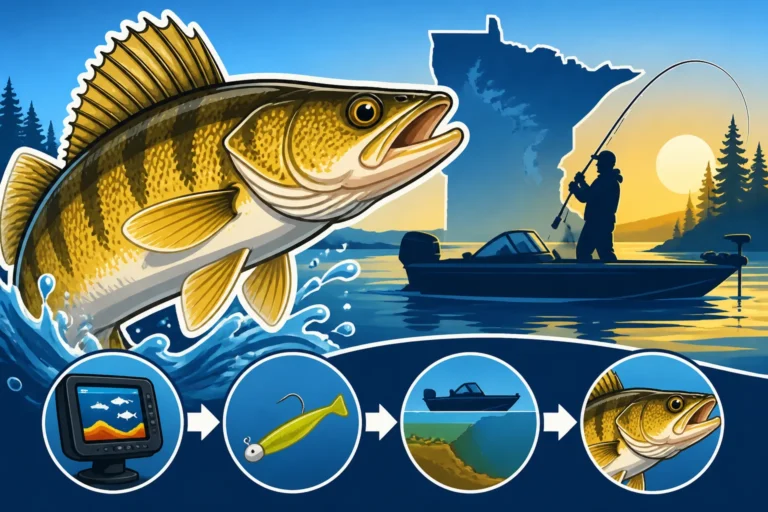
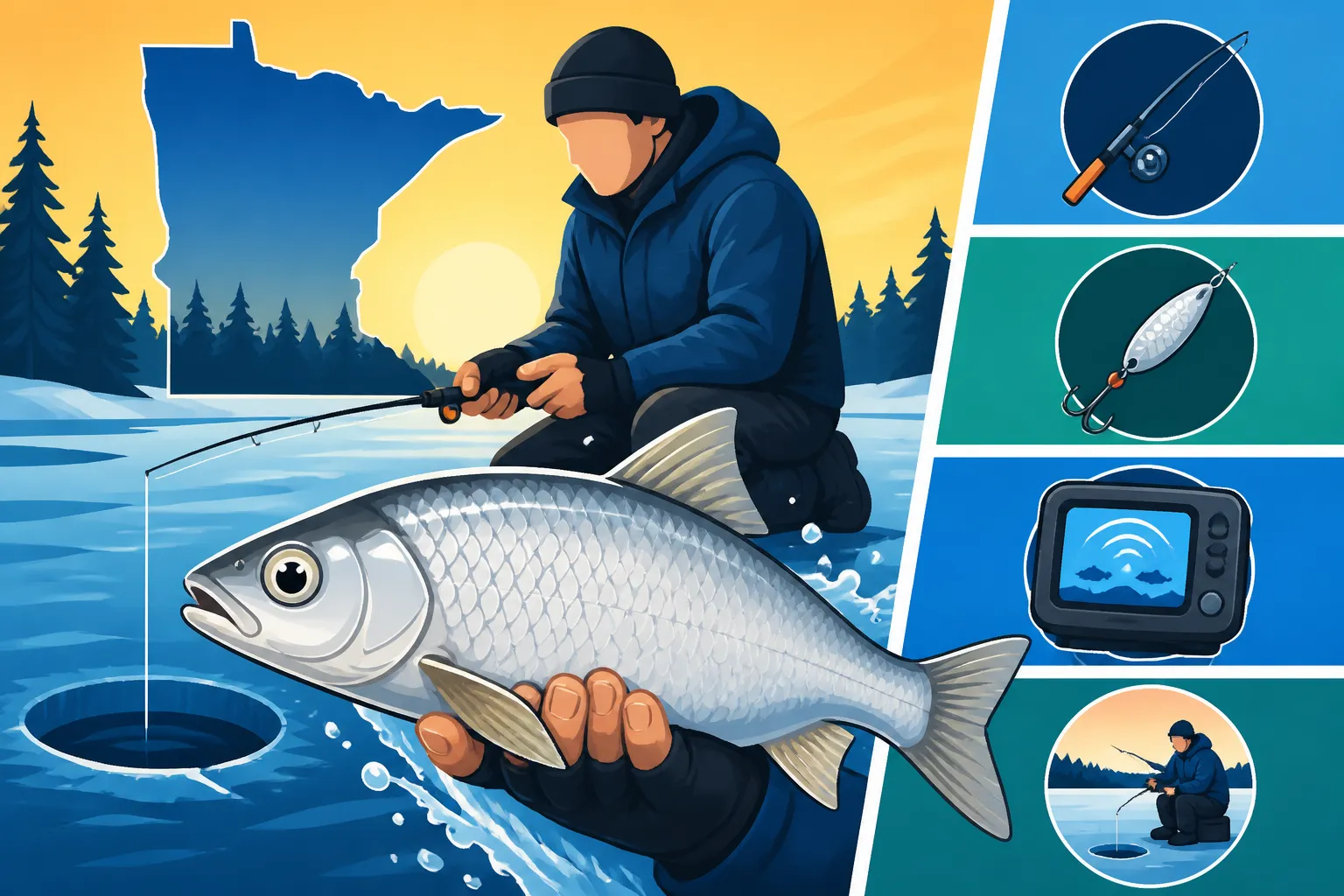
Finding whitefish is half the battle, and this is where modern electronics become an indispensable tool. A quality flasher or fish finder is an absolute game-changer. Brands like Vexilar, Humminbird, and Garmin offer excellent ice fishing units that can show you your lure, the bottom, and any fish in the water column in real-time. Whitefish are often suspended anywhere from a few feet off the bottom to halfway up the water column, especially if they're chasing suspended forage. You might mark them as faint blips or solid lines on your screen. Knowing How to Read a Flasher Vexilar/Humminbird is a crucial skill for whitefish success.
Start by targeting deep breaks, steep drop-offs, underwater humps, or even open basin areas in deep lakes. Look at bathymetric maps to identify these structures before you even leave shore. Once you're on the ice, drill a series of holes in a grid pattern across a promising area. Don't be afraid to move frequently. Drop your transducer into each hole, scan for a minute or two, and if you don't mark anything, move to the next. Whitefish are often schooling, so when you find one, others are likely nearby. Concentrate your efforts in depths ranging from 30 to 80 feet, depending on the lake and time of year.
Mastering the Subtle Jigging Presentation
Once you've located some whitefish on your flasher, the real finessing begins. The typical whitefish "bite" is often incredibly soft. Sometimes it's a slight pause in your jig's descent, a subtle tick, or your line going slack. More often, it's just your fish finder showing your lure moving up or down in relation to the fish, and then poof, the fish is gone – they've inhaled and exhaled your bait before you even felt it. You need to watch your flasher intently.
Drop your small jig or spoon, tipped with bait, down to the depth where you're marking fish. Start with a very slow, almost imperceptible jigging motion. A tiny lift, a subtle quiver, then let it sit perfectly still for 5-10 seconds. Sometimes, dead-sticking (holding the bait perfectly still) is the most effective. If fish are actively looking at your lure but not committing, try a very light shake of the rod tip, just enough to make the bait quiver. If you see a fish rise to your lure on the flasher, try to slowly lift your bait away from it – this can sometimes trigger a chase and a bite. Setting the hook needs to be equally delicate; a gentle lift of the rod rather than a hard snap.
Open Water Tactics (Less Common but Possible)
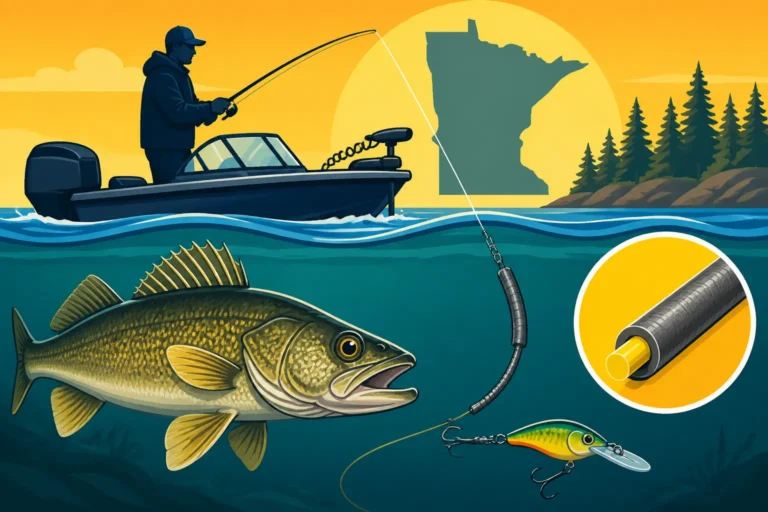
While ice fishing dominates the whitefish scene, open water opportunities do exist, particularly in the vast, deep waters of Lake Superior and other large northern lakes. These methods are typically more involved and often employed by anglers also targeting lake trout or salmon. One common technique involves deep trolling with downriggers. Downriggers allow you to precisely control the depth of your lure, placing it right in the strike zone where whitefish are suspended. Small spoons, crankbaits, or even a small squid imitation can be effective.
Another method involves using lead core line to get small lures deep without downriggers. This requires a bit of math and practice to understand how much line (and thus how many "colors" of lead core) you need to let out to reach specific depths at certain trolling speeds. You'll want to use smaller versions of what you might use for walleye or trout. Trolling at very slow speeds (1.0-2.0 mph) is often key. You can refer to guides on Trolling Crankbaits for Walleye: Speed & Depth for foundational knowledge, but remember to adapt your lure size and speed to target the more finicky whitefish. Vertical jigging large spoons or heavy jigs in very deep water can also work, especially if you're marking schools of whitefish on your sonar, but it requires patience and a good feel for the bottom.
Common Challenges and Troubleshooting
Whitefish don't come easy, and you'll likely face some frustrating moments. Their subtle nature and specific habitat requirements mean you'll need to adapt and be willing to troubleshoot. Don't get discouraged if the bite isn't hot; persistence often pays off.
Dealing with Finicky Bites and Small Mouths
The whitefish bite, or lack thereof, can be maddening. You might see fish on your flasher directly under your bait, seemingly uninterested. This is where you need to be a detective. First, consider downsizing your presentation even further. If you're using a 1/16 oz jig, try a 1/32 oz. If you have two maggots, try one. Sometimes, the smallest change makes all the difference. Experiment with different jigging cadences: dead stick for a minute, then a tiny quiver, then lift and drop. Try changing colors. What worked yesterday might not work today. Natural colors often outperform bright ones, but sometimes a small pop of glow-in-the-dark can grab their attention in deep, dark water.
Another crucial aspect is hook sharpness. Whitefish have relatively soft mouths, and a dull hook will result in missed bites or lost fish. Make sure your hooks are razor sharp. You might even consider using specialized hooks designed for panfish or ice fishing that have a wider gap for better hooksets. If you're consistently marking fish that just won't bite, try tying on a different style of lure, perhaps a small tungsten jig with a plastic tail instead of live bait, or vice versa. The constant adjustment is part of the whitefish challenge and, ultimately, part of the fun.
Avoiding Bycatch (Walleye, Tullibee, Perch)
Because whitefish inhabit similar cold, deep waters to other species like walleye, tullibee (cisco), and large perch, bycatch is pretty common. It's not necessarily a bad thing – who doesn't love a bonus walleye or jumbo perch? – but if your primary goal is whitefish, you might want to adjust your strategy. Tullibee are often caught using very similar techniques to whitefish, sometimes even at the same depths, making them a frequent and welcome bycatch. If you're interested in deliberately targeting them, check out How to Catch Tullibee Through the Ice in Minnesota.
To minimize unwanted bycatch and maximize whitefish, continue to focus on the absolute smallest lures and baits. While walleye will sometimes hit small jigs, they generally prefer larger presentations or minnows. Using very small jigs tipped with maggots or wax worms will naturally favor whitefish and panfish over larger predators. Also, pay attention to exactly where in the water column you are marking fish. If walleye are typically hugging the bottom or suspended higher, and you're marking whitefish in a distinct band in between, try to keep your lure precisely in that whitefish zone. It's not foolproof, but these adjustments can help tilt the odds in your favor.
Best Minnesota Lakes for Whitefish
Minnesota is blessed with incredible angling opportunities, and for whitefish, certain lakes stand out as true gems. These are typically the larger, deeper, and colder bodies of water that provide the ideal habitat for these fascinating fish.
Deep, Cold-Water Havens
When it comes to whitefish, Lake Superior is in a league of its own. Its immense depth, consistently cold temperatures, and abundant forage make it a world-class whitefish fishery. Anglers often find success targeting them from the harbors and bays during ice season, or out in the main lake with deep trolling rigs in open water. While fishing on Lake Superior can be intimidating due to its size and unpredictable weather, the rewards can be truly massive whitefish.
Beyond the big lake, many of Minnesota's large, deep glacial lakes in the northern half of the state hold excellent whitefish populations. Leech Lake, known for its walleye and muskie, also has fantastic whitefish in its deeper basins, especially around Walker Bay and Portage Bay. Lake Vermilion, with its intricate structure and cold, clear water, is another prime location. Other notable lakes include Ten Mile Lake near Hackensack, Lake of the Woods (especially the deeper areas of Big Traverse Bay), and Rainy Lake. These lakes offer the depth and cold-water conditions that whitefish absolutely need to thrive, making them angler favorites. A good resource for exploring these waters further would be a Lake Vermilion Fishing Guide or a specific guide to Lake of the Woods.
Whitefish Regulations and Conservation
Like all species in Minnesota, whitefish are subject to state fishing regulations. It's absolutely crucial to consult the current Minnesota Department of Natural Resources (DNR) fishing regulations booklet or their website before you head out. Regulations can change year to year, and they often vary by lake or even by species within a lake. For instance, while whitefish often fall under general statewide regulations, certain lakes might have specific rules, especially concerning bag and possession limits. You can always find the most up-to-date information by looking for the Minnesota Fishing Regulations PDF: Where to Find It online.
Generally, whitefish are included in the aggregate limits for "non-game fish" or sometimes have specific regulations alongside Tullibee (Cisco). Always know your Minnesota Fishing Limits: Bag & Possession (2026) before you start your day. Conservation is also important. If you're catching more whitefish than you intend to keep, practice responsible catch and release techniques. Minimize their time out of the water, handle them gently, and release them back into the deep water where they came from to give them the best chance of survival. Whitefish, like many deep-water species, can suffer from barotrauma if brought up too quickly from extreme depths, so consider using a fizzing tool if you're frequently catching and releasing from very deep water.
Whitefish Fishing Quick Reference Table
| Aspect | Ice Fishing for Whitefish | Open Water Fishing for Whitefish (Less Common) |
|---|---|---|
| Best Season | Late Fall, Early Ice, Late Ice (Winter) | Summer, Fall (requires specialized gear) |
| Key Gear | Sensitive ultra-light rod, small spinning reel, thin mono/fluoro line, flasher, auger | Deep-diving crankbaits, small spoons, downriggers, lead core line, boat sonar |
| Primary Lures | Small tungsten jigs (1/32-1/16 oz), small spoons (1/16-1/8 oz) | Small trolling spoons, shallow crankbaits run deep with downriggers/lead core |
| Best Baits | Live maggots (spikes), wax worms, small artificial plastics (Gulp!) | Tipped with tiny minnow heads or Gulp! (if jigging), otherwise lure-only |
| Target Depth | 30-80 feet, often suspended | 30-100+ feet, often suspended or near deep structure |
| Presentation | Subtle jigging, dead stick, watch flasher intently, soft hooksets | Slow trolling, precise depth control, active searching with sonar |
| Common Bycatch | Tullibee (Cisco), perch, small walleye | Lake trout, salmon (Lake Superior), suspended walleye |
| Advantage | Access to vast areas, fish concentrated, direct vertical presentation | Covers more water, potential for larger fish in some deep lakes |
| Challenge | Finding active schools, subtle bites, cold weather | Specialized equipment, understanding thermoclines, precise depth control |
Disclaimer
Fishing inherently carries risks, and regulations can change without notice. Always exercise caution on the ice or water, and consult the latest Minnesota DNR regulations before engaging in any fishing activities. This guide is for informational purposes only and does not constitute professional advice.