Best Fish to Catch for Beginners in Minnesota
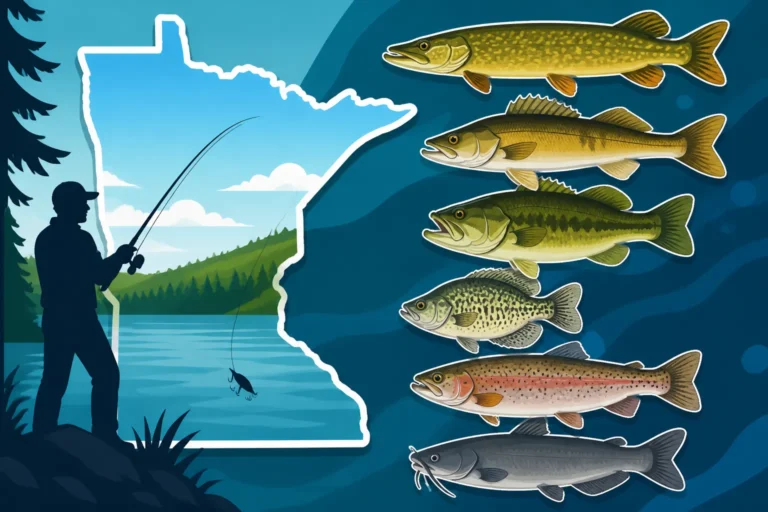
Stepping into the vast world of Minnesota fishing can feel a bit like staring at a map with thousands of shimmering blue dots, wondering where on earth to cast your first line. It’s a common frustration for newcomers, feeling overwhelmed by all the species, regulations, and seasoned anglers sharing their "secret spots." This guide is here to cut through the confusion and highlight the absolute best fish species for beginners to target in Minnesota, making your first fishing adventures enjoyable and successful.
Why Minnesota is Perfect for Beginner Anglers
Minnesota truly lives up to its "Land of 10,000 Lakes" moniker, and that vastness isn't just for the pros. It's an incredible playground for anyone looking to dip their toes into fishing, offering an unparalleled diversity of waters and species that cater perfectly to those just starting out. You don't need years of experience or a fancy boat to find success here; you just need a little guidance on where to focus your efforts.
The Land of 10,000 Lakes Advantage
Imagine a place where you're never more than a few miles from a body of water, whether it's a small pond, a meandering river, or a massive inland sea like Lake of the Woods. That's Minnesota. This incredible abundance means less pressure on individual lakes for certain species, and more importantly for beginners, it means ample opportunities to find fish close to home. You won't have to drive hours to find a decent fishing spot; chances are, there’s one right around the corner. This accessibility is a huge confidence booster for new anglers, reducing the barrier to entry and making spontaneous fishing trips a real possibility.
Beyond just the sheer number of lakes, many of these waters are actively managed by the Minnesota Department of Natural Resources (DNR), ensuring healthy fish populations. They often stock panfish and even trout in smaller, accessible ponds, specifically to create easy fishing opportunities for families and beginners. This proactive management translates directly into better chances of catching fish, which, let's be honest, is what keeps us coming back for more.
Diverse Fish Species for Every Skill Level
One of the greatest gifts Minnesota offers beginners is its incredible array of fish species. Unlike some regions that might specialize in one or two types of fishing, Minnesota has it all. From the smallest sunfish to the mighty lake sturgeon, there's a fish to match every skill level, every type of gear, and every angler's patience (or lack thereof!). This diversity means you can start with a very forgiving species and gradually work your way up to more challenging ones as your skills and confidence grow.
For instance, you can begin by casting a simple bobber and worm for sunfish in a local park pond, experiencing the thrill of a bite and a successful catch. As you get more comfortable, you might then try tossing a spinnerbait for an aggressive northern pike or learning the subtle art of jigging for walleye. This natural progression allows you to build a foundation of angling skills without feeling overwhelmed by complex techniques right from the start. It's a fantastic way to learn the ropes without the pressure of needing to land a trophy fish on your very first outing.
Accessible Fishing Opportunities
You don't need a fully rigged bass boat or a decked-out ice house to go fishing in Minnesota. Many of the best opportunities for beginners are completely accessible by shore, dock, or even a small canoe. Public access points are abundant, with countless city parks, state parks, and DNR-owned lands offering shore fishing options. This is a game-changer for someone just starting out, as the cost of entry is significantly lower when you don't need to invest in a boat immediately.
Think about it: a simple spinning rod and reel, a handful of hooks, some bobbers, a few sinkers, and a container of worms is often all you need to get started. Many communities even have "fishing piers" specifically designed for shore anglers, sometimes extending into deeper water where fish might congregate. These spots are often clearly marked and offer amenities like parking and restrooms, making them ideal for a family outing. This emphasis on accessibility truly empowers beginners to experience the joy of fishing without feeling like they need to be an expert or break the bank. You can find some fantastic information on Shore & Bank Fishing in Minnesota No Boat for more ideas.
Panfish: The Ultimate Starting Point
If you're asking "What's the best fish to catch for beginners in Minnesota?", the answer will almost always be panfish. These feisty little critters are the unsung heroes of Minnesota angling, especially for newcomers and families. They are abundant, eager to bite, fun to catch, and absolutely delicious to eat. Focusing on panfish first allows you to gain confidence, learn basic casting and rigging techniques, and most importantly, experience the pure joy of feeling a tug on your line.
Bluegill and Sunfish: Abundant and Eager Biters
Bluegills and other sunfish (like pumpkinseeds, green sunfish, and warmouth) are the quintessential beginner fish. They are found in virtually every lake, pond, and slow-moving river throughout Minnesota. They're not picky eaters, often schooling in large numbers, which means if you find one, you'll likely find more. Their willingness to bite makes them incredibly forgiving for novice anglers, as you're almost guaranteed some action.
The beauty of bluegill fishing is its simplicity. A small hook (size 8 or 10), a split shot sinker a foot or so above it, and a tiny bobber are all you need. For bait, a piece of nightcrawler, a waxworm, or even a tiny piece of bread will often do the trick. You simply cast it out, wait for the bobber to dip, and set the hook! The fight, while not epic, is spirited for their size, providing plenty of excitement for kids and adults alike. Plus, they're beautiful fish with vibrant colors, adding to the aesthetic appeal of the catch. Learning to identify these different sunfish species can be a fun challenge, and you can get a head start with guides like Bluegill vs Sunfish vs Crappie Panfish ID.
Crappie: The Delicious and Cooperative Catch
Crappies, both black and white varieties, are another fantastic panfish option for beginners. They grow a bit larger than bluegills, offer a slightly stronger fight, and are widely regarded as one of the best-eating freshwater fish in Minnesota. Like bluegills, they tend to school, and when you find a school, you can often catch them one after another, leading to incredibly productive and exciting fishing trips.
Crappies often hang around submerged structures like fallen trees, brush piles, dock pilings, and weed edges. A simple slip bobber rig, with a small jig tipped with a minnow or a waxworm, is a deadly combination. The key is finding the right depth where the crappies are holding. Once you dial that in, it's game on! The gentle bobber dance followed by a decisive dip is an addictive experience, and reeling in a platter-sized crappie is incredibly rewarding. They are a staple of Minnesota fishing, especially during their spring and fall runs. If you're looking to hit the ice, remember that How to Catch Crappie Through the Ice in Minnesota is a very popular winter pursuit.
Yellow Perch: Easy to Find and Fun to Catch
Yellow perch are easily recognizable by their distinctive vertical stripes and bright yellow fins. These schooling fish are incredibly common across Minnesota's diverse lakes and are another excellent target for beginners. They're often found in slightly deeper water than bluegills or crappies, frequently foraging near the bottom or around submerged vegetation.
Perch are quite aggressive and will readily hit small jigs tipped with bait, or even tiny spoons. They provide a surprisingly strong tug for their size, and their firm, flaky white meat makes them a favorite for the frying pan. They are particularly active during the late summer and early fall but can be caught year-round, including through the ice. Beginners often have great success targeting perch in areas where they also find walleye, as the two species frequently share habitat.
Simple Techniques for Panfish Success
The beauty of panfish is that you don't need complex setups or advanced techniques. Simplicity is key, and it helps new anglers focus on the fundamentals: casting, feeling the bite, and setting the hook.
Here’s a basic rundown of techniques that will get you started:
- Bobber Fishing: This is the classic. Attach a small bobber, a few split shot weights about a foot above your hook, and bait your hook with a small piece of nightcrawler, a waxworm, or a minnow. Cast near docks, weed lines, or submerged cover and watch the bobber. When it dips, pull up to set the hook! This visual method is fantastic for learning how to detect a bite.
- Bottom Fishing (without a bobber): For perch or crappie that might be holding deeper, you can use a small weight (like a bell sinker) at the bottom, with a small hook tied a foot or so above it (a "drop-shot" style or a simple snelled hook). Cast out, let it sink to the bottom, and slowly retrieve, or just let it sit. You'll feel a subtle tap or pull when a fish bites.
- Micro-Jigging: Small lead-head jigs (1/32 to 1/8 ounce) tipped with a tiny plastic grub or a piece of live bait are incredibly effective, especially for crappies and perch. Cast it out, let it sink to your desired depth, and retrieve with tiny twitches and pauses. This technique helps develop a feel for the lure and subtle bites.
No matter the technique, always be mindful of Minnesota Fishing Limits Bag & Possession. Panfish can have generous limits, but it’s still important to understand and follow the rules.
Northern Pike: Accessible Thrills for New Anglers
While panfish offer consistent action, sometimes you want a bigger bend in your rod, and that's where the northern pike comes in. These toothy predators are widespread, aggressive, and can offer an exhilarating fight that will get any beginner hooked on fishing. They are a fantastic step up from panfish, providing a thrilling challenge without requiring overly specialized gear or tactics.
Aggressive Nature and Easy Identification
Northern pike are known for their voracious appetites and explosive strikes. They are ambush predators, often hiding in weeds or submerged cover, waiting to dart out and snatch an unsuspecting baitfish or lure. This aggressive nature means they are often less finicky than other species, making them a great target for beginners who might struggle with more subtle presentations. When a pike hits, you'll know it!
Identifying a northern pike is relatively easy. They have a long, slender, torpedo-shaped body, typically dark green to olive green with light, bean-shaped spots along their sides. Their most distinguishing feature is a large, duck-bill-shaped mouth filled with sharp, needle-like teeth. Because of these teeth, it's crucial for beginners to carry a pair of long-nosed pliers or a jaw spreader for safe hook removal. You can learn more about Northern Pike in Minnesota Identification & Where to Catch.
Where to Find Pike (Weeds and Structure)
One of the best things about northern pike is how predictable their habitat can be. They love structure and cover, especially thick weed beds, lily pads, submerged logs, and sharp drop-offs near shallow water. These are areas where they can hide and ambush prey, and also where baitfish frequently congregate. This makes them relatively easy to locate, even for those unfamiliar with reading a lake.
In many Minnesota lakes, simply casting along the edges of a prominent weed line or into pockets within a field of lily pads will put you in pike territory. Look for areas with dense aquatic vegetation, particularly in bays or along shorelines with gradual slopes. Pike are often found in relatively shallow water, especially in spring and early summer, making them accessible to shore anglers or those in small boats. Larger pike might retreat to deeper weed lines in the heat of summer, but there are always smaller, active pike ready to strike in shallower cover.
Basic Lures and Bait for Pike
Pike aren't too fussy, which again, is excellent news for beginners. They respond well to a variety of artificial lures and live bait.
- Spinnerbaits: These are arguably one of the best beginner pike lures. They cast easily, are relatively weedless, and the spinning blades create a lot of flash and vibration that pike can't resist. Chartreuse, white, and bright yellow are popular colors. Simply cast and retrieve at a steady pace.
- Spoons: Classic metal spoons, like the Daredevil or Johnson Silver Minnow, are also very effective. Their wobbling action mimics an injured baitfish. They cast a mile and are simple to use: cast and retrieve.
- Large Minnows/Suckers: If you prefer live bait, a large shiner or sucker minnow fished under a bobber or on a quick-strike rig (especially for larger pike) is incredibly effective. Pike are often found where their preferred forage fish are, so a lively minnow can be irresistible.
- Soft Plastics (Swimbaits): A simple paddle-tail swimbait on a weighted hook can also be very productive. These mimic baitfish and have a natural swimming action.
Remember to use a steel leader or heavy fluorocarbon leader (at least 30-pound test) when fishing for pike. Their sharp teeth can easily cut through regular monofilament or fluorocarbon line, resulting in lost fish and lures.
Largemouth Bass: A Fun Challenge for Growing Skills
Once you've mastered panfish and enjoyed the aggressive strikes of a northern pike, it might be time to step up to largemouth bass. These popular sportfish offer a fantastic blend of challenging hunting and explosive fights, making them an exciting target for beginners ready to refine their skills. Minnesota has an abundance of great bass lakes, many of which are easily accessible.
The Excitement of a Bass Fight
Largemouth bass are renowned for their powerful, acrobatic fights. When hooked, they often jump out of the water, shake their heads violently, and dive for cover, providing an adrenaline rush that few other freshwater fish can match. For a beginner, landing a feisty largemouth after a spirited battle is an incredibly satisfying and memorable experience. They pull hard and make you work for every inch of line, which is excellent for developing your rod handling and drag setting skills.
They also have a distinctive "bucket mouth," which makes them easy to identify. Their bodies are typically green to olive green with a prominent dark, horizontal stripe or blotchy pattern along their sides. They are warm-water fish, so they're most active and aggressive in the warmer months, making them a perfect target for summer fishing adventures. Learning Best Bass Lakes in Minnesota will give you a great head start.
Target Habitat for Largemouth
Like pike, largemouth bass are ambush predators that love cover. However, they tend to prefer warmer, weedier, and often shallower water than pike. You'll frequently find them in:
- Dense Weed Beds: Especially emergent vegetation like lily pads, cattails, and thick submerged grass. Bass use these areas for cover, shade, and to ambush prey.
- Fallen Trees and Brush Piles: Any kind of woody cover provides excellent hiding spots.
- Docks and Boat Lifts: These man-made structures offer shade and cover, attracting both bass and their prey.
- Overhanging Trees/Shrubs: Cast your lure right up against the shaded edges of shorelines with overhanging vegetation.
The key to finding largemouth is to "fish the cover." Make accurate casts right into, or on the edges of, these areas. Bass will often be holding tight to structure, so presenting your lure as close as possible without getting snagged is crucial. This helps beginners develop casting accuracy, a valuable skill for any type of fishing.
Simple Baits and Lures for Bass
Largemouth bass are suckers for lures that mimic their natural prey, which includes baitfish, frogs, crawfish, and even small birds or mammals that fall into the water. For beginners, focusing on a few versatile and easy-to-use options will yield the best results.
- Spinnerbaits: Again, these are great for bass, especially in and around weeds. The flash and vibration can trigger aggressive strikes. White, chartreuse, and perch patterns are excellent choices.
- Plastic Worms (Texas Rig): A Texas-rigged plastic worm is incredibly effective and relatively snag-free in heavy cover. Rigging it involves threading a bullet weight onto your line, then tying on an offset worm hook, and finally, threading the plastic worm onto the hook so the point is buried in the plastic. This makes it weedless. Simply cast it into cover, let it sink, and slowly twitch and drag it back.
- Topwater Lures (Poppers/Frogs): While a bit more advanced, topwater fishing for bass is incredibly exciting. Poppers and soft plastic frogs fished over lily pads can draw explosive, heart-stopping strikes. This is an incredible visual fishing experience that once you try it, you'll be hooked.
- Crankbaits: Medium-diving crankbaits that deflect off submerged cover can also be very effective.
When fishing for bass, consider using slightly heavier tackle than for panfish, perhaps a medium-heavy rod with 10-15 pound monofilament or fluorocarbon line, or even braided line for fishing heavy cover.
Walleye: The Prized Catch (With a Realistic Learning Curve)
Ah, the walleye. Minnesota's state fish, the undisputed king of the dinner table, and arguably the most sought-after fish in the state. Many beginners dream of catching a walleye, and for good reason—they’re delicious, challenging, and a true trophy for many anglers. While they can be a bit more elusive than panfish or pike, don't let that deter you. With the right approach and realistic expectations, beginners can absolutely catch walleye in Minnesota.
Why Walleye are So Coveted
Walleye are highly prized for two main reasons: their exceptional flavor and the challenge they present. Their firm, flaky, white meat is considered a delicacy, making them the ultimate catch for a fish fry. Beyond the table fare, walleye are also known for their subtle bites and often specific habitat preferences, requiring anglers to develop a keen sense of feel and an understanding of fish behavior. This challenge is what makes landing a walleye so rewarding.
They are typically found in larger, deeper lakes and rivers, often preferring cooler, dimmer conditions. This means they are frequently caught at dawn, dusk, or even at night. Their distinct "walleye chop" (reflective eyes) is an adaptation for low-light feeding, which is why night fishing for walleye in Minnesota can be so productive. For many, catching their first walleye is a true rite of passage into serious Minnesota fishing.
Common Beginner Walleye Tactics
While walleye fishing can involve complex trolling setups and advanced electronics, there are several simple, effective methods that beginners can master.
- Slip Bobber Rigs: This is an excellent starting point. A slip bobber allows you to fish live bait (typically a leech or a shiner minnow) at a precise depth, suspending it just above structure or weeds where walleye might be hiding. Cast near points, humps, or weed lines, especially in the evening. The subtle dip of a slip bobber as a walleye mouths the bait is an exciting moment. You can learn How to Use a Slip Bobber for Walleye & Crappie.
- Jigging with Live Bait: A simple lead-head jig tipped with a shiner minnow or a leech is a classic walleye killer. Cast it out, let it sink to the bottom, and retrieve it with a series of short hops or drags along the bottom. This technique helps you feel the subtle "tick" of a walleye bite, which is often very light. Gold, chartreuse, and white jigs are often productive colors.
- Casting Crankbaits from Shore: In certain conditions, particularly in early spring or late fall, walleye will move shallow to feed. Casting small to medium-sized crankbaits from shore in the evening or at night can be surprisingly effective, especially on river systems or shallow-feeding flats in lakes.
The key to beginner walleye success is patience and observation. Pay attention to local fishing reports, talk to bait shop owners, and focus your efforts during peak low-light periods. Check out How to Catch Walleye for Beginners? for a dedicated guide.
Managing Expectations for Walleye Fishing
It's important to set realistic expectations when starting out with walleye. They are often called "the fish of a thousand casts" for a reason – they can be finicky. Don't get discouraged if you don't catch a limit on your first few outings. Every cast is a learning experience, and every walleye caught is a testament to your growing skills.
Focus on learning the basics: understanding how your bait or lure behaves in the water, feeling the subtle tap of a bite, and being patient. Celebrate every catch, no matter the size. Even catching one walleye is a significant achievement for a beginner. As you gain experience, you'll start to understand seasonal patterns, preferred depths, and optimal baits (like those covered in Best Live Bait for Walleye Leeches Minnows Crawlers), which will dramatically increase your success rate.
| Fish Species | Ease for Beginners | Typical Habitat | Common Baits/Lures | Fight Style | Flavor (for eating) |
|---|---|---|---|---|---|
| Bluegill/Sunfish | Very Easy | Weeds, Docks, Shallow Cover | Worms, Waxworms, Corn, Small Jigs | Light, quick jerks | Excellent |
| Crappie | Easy | Submerged Structure, Brush Piles, Weed Lines | Minnows, Waxworms, Small Jigs | Moderate, quick runs | Excellent |
| Yellow Perch | Easy | Deeper Weeds, Bottom Structure | Worms, Minnows, Small Jigs, Spoons | Moderate, steady pull | Excellent |
| Northern Pike | Moderate | Thick Weeds, Lily Pads, Wood | Spinnerbaits, Spoons, Large Minnows | Aggressive, strong runs, head shakes | Good (if filleted properly) |
| Largemouth Bass | Moderate | Dense Weeds, Docks, Fallen Trees | Spinnerbaits, Plastic Worms, Topwater | Powerful jumps, strong dives | Good |
| Walleye | Moderate to Hard | Deep Structure, Points, Humps, Weed Lines | Leeches, Minnows, Jigs, Crankbaits | Subtle bite, strong deep pulls | Excellent |
Essential Gear and Basic Tactics for Beginners
Getting started with fishing doesn't require a huge investment in gear. In fact, keeping it simple is often the best approach for beginners. Focus on versatile equipment that can handle multiple species, and then expand your arsenal as you learn what you enjoy most.
Basic Rod, Reel, and Line Setup
For any beginner in Minnesota, a medium-light to medium power spinning combo is the way to go. This setup is versatile enough for panfish, smaller pike, and bass, and can even handle walleye.
- Rod: Look for a 6 to 7-foot spinning rod with a "medium-light" or "medium" power and a "fast" action. This means the rod bends mostly in the top third, which helps with feeling bites and setting hooks. Brands like Ugly Stik or Berkley often have affordable, durable options perfect for beginners.
- Reel: A 2000 or 2500 size spinning reel (e.g., a Shimano Sienna or Daiwa Regal) is a good match for these rods. It should have a smooth drag system, which is crucial for fighting fish without breaking your line.
- Line: Spool your reel with 6 to 8-pound test monofilament line. Monofilament is forgiving, easy to tie knots with, and has enough stretch to absorb the shock of a fish strike. It’s a great all-around choice for learning. If you're looking for more guidance, check out Best Fishing Gear for Beginners in Minnesota By Budget.
Remember to keep your hooks sharp and your line fresh. Old, brittle line can easily break, leading to lost fish and frustration.
Simple Terminal Tackle and Baits
"Terminal tackle" refers to everything at the end of your fishing line: hooks, sinkers, swivels, and bobbers. Keeping these simple and organized will make your fishing trips much more enjoyable.
- Hooks: A variety pack of small snelled hooks (sizes 6, 8, and 10) for panfish, and some larger bait holder hooks (sizes 1/0, 2/0) for pike and bass with live bait. Snelled hooks come pre-tied to a leader, making them very easy to use for beginners.
- Sinkers: A small assortment of split shot weights (various sizes) for adding weight to bobber rigs or light presentations, and a few small bullet weights (1/8 to 1/4 ounce) for Texas-rigging worms.
- Bobbers: Both small clip-on bobbers for panfish and a few slip bobbers for fishing deeper water or specific depths are essential.
- Swivels: Small barrel swivels (size 10 or 12) can help prevent line twist when using spinning lures or live bait.
- Live Bait: The most effective and easiest baits for beginners are live bait. A container of nightcrawlers is universally effective for almost all species. Waxworms are panfish candy. For pike and walleye, shiner minnows are a top choice.
- Artificial Lures: Start with a few simple, versatile lures: a couple of small spinnerbaits (1/4 to 3/8 ounce), a few classic spoons (1/4 to 1/2 ounce), and a pack of plastic worms (6-inch curly tails or stick baits) with appropriate hooks and bullet weights.
Remember that you’ll need a valid Minnesota Fishing License Cost Types & How to Buy 2026 before you head out, and if you’re fishing for trout, you might need a Do You Need a Trout Stamp in Minnesota?.
Essential Safety and Angling Tips
Beyond the gear, there are a few fundamental tips that will greatly enhance a beginner's experience and ensure safety.
- Always Prioritize Safety: When fishing near water, especially with children, wear a life jacket. Be aware of your surroundings, watch for slippery banks or docks, and never go fishing alone in remote areas.
- Practice Casting: Before you even get to the water, practice casting in your backyard. Learn to cast accurately and smoothly. This will prevent snags and frustrations on the water.
- Learn Basic Knots: The improved clinch knot and the Palomar knot are two excellent, strong knots that will cover most of your fishing needs. Practice tying them until you can do it confidently.
- Handle Fish Carefully: When you catch a fish, handle it gently. Wet your hands before touching the fish to protect its slime coat, which is crucial for its health. If you plan to release the fish, do so quickly and carefully. For toothy pike, use pliers or a jaw spreader.
- Check Regulations: Always consult the current Minnesota DNR Fishing Regulations Handbook. Regulations change frequently, and it’s your responsibility to know the rules for the specific lake or river you are fishing, including season dates and bag limits. You can find up-to-date information on topics like Minnesota Fishing Seasons & Opener Dates 2026 and Minnesota Walleye Limit & Size Rules.
- Respect the Environment: Pack out everything you pack in. Don't leave trash, fishing line, or bait containers on the shore. Be mindful of aquatic invasive species and follow all guidelines for preventing their spread, especially when moving between different bodies of water.
By starting with these accessible species and simple techniques, you'll build a solid foundation for a lifetime of fishing adventures in the beautiful state of Minnesota. Enjoy the process, celebrate every catch, and embrace the tranquility of being out on the water.
Disclaimer
Fishing regulations, seasons, and limits are subject to change. Always consult the most current Minnesota DNR Fishing Regulations Handbook before heading out on the water. This guide is for informational purposes only and does not supersede official state regulations.