Best Seasonal Pattern for Northern Pike in Minnesota
Trying to figure out where the northern pike are hiding can feel like a never-ending game of hide-and-seek. One day they're shallow, the next they've vanished into thin air, leaving you wondering if you're even fishing the right spots. This comprehensive guide will pull back the curtain on the best seasonal patterns for Northern Pike in Minnesota, helping you anticipate their movements and land more of these aggressive predators all year long.
Understanding Northern Pike Behavior Throughout the Year
Northern Pike are remarkable predators, perfectly adapted to the varied conditions of Minnesota's waters. Their behavior, feeding habits, and location shift dramatically with the seasons, making a static approach to fishing largely ineffective. By understanding these annual patterns, you can significantly improve your success rates, moving from guessing games to strategic strikes. It’s all about tuning into their natural rhythm, much like tracking any other wild animal.
Spring: Post-Spawn Aggression and Shallow Feeds
As the ice retreats and water temperatures slowly begin to climb into the 40s and low 50s Fahrenheit, northern pike kick off their annual cycle with an intense burst of activity. This isn't just a casual wake-up call; it's a frantic race to reproduce and then recover.
Northern pike are among the earliest fish to spawn in Minnesota, often doing so just as the last bits of ice melt, sometimes even under the ice in very shallow, vegetated bays and wetlands. They prefer these skinny, marshy areas with plenty of emergent vegetation like cattails and sedges, as these provide crucial cover for their eggs and protection from predators for the young. Think of those flooded grassy areas that are typically dry later in the year – those are prime pike spawning grounds. After the exhausting process of spawning, these fish don't just disappear. They hang around these shallow, warmer areas, often in 2-6 feet of water, seeking easy meals to replenish their energy. Their metabolism is starting to rev up, and they're looking for protein-rich prey.
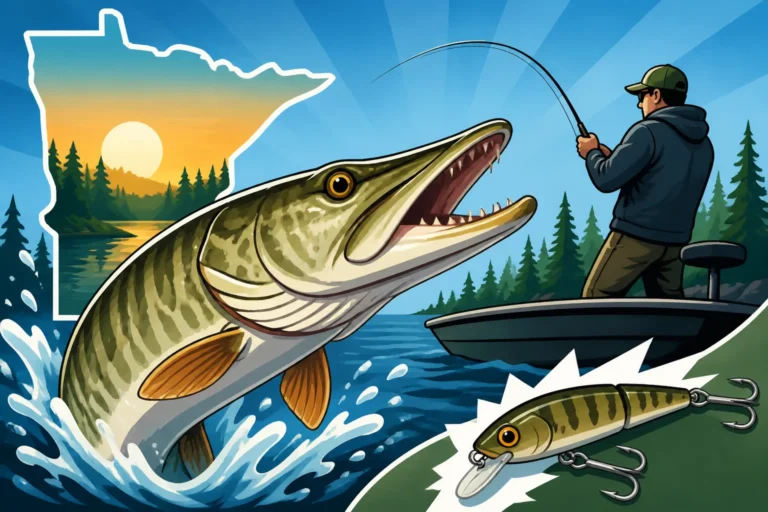
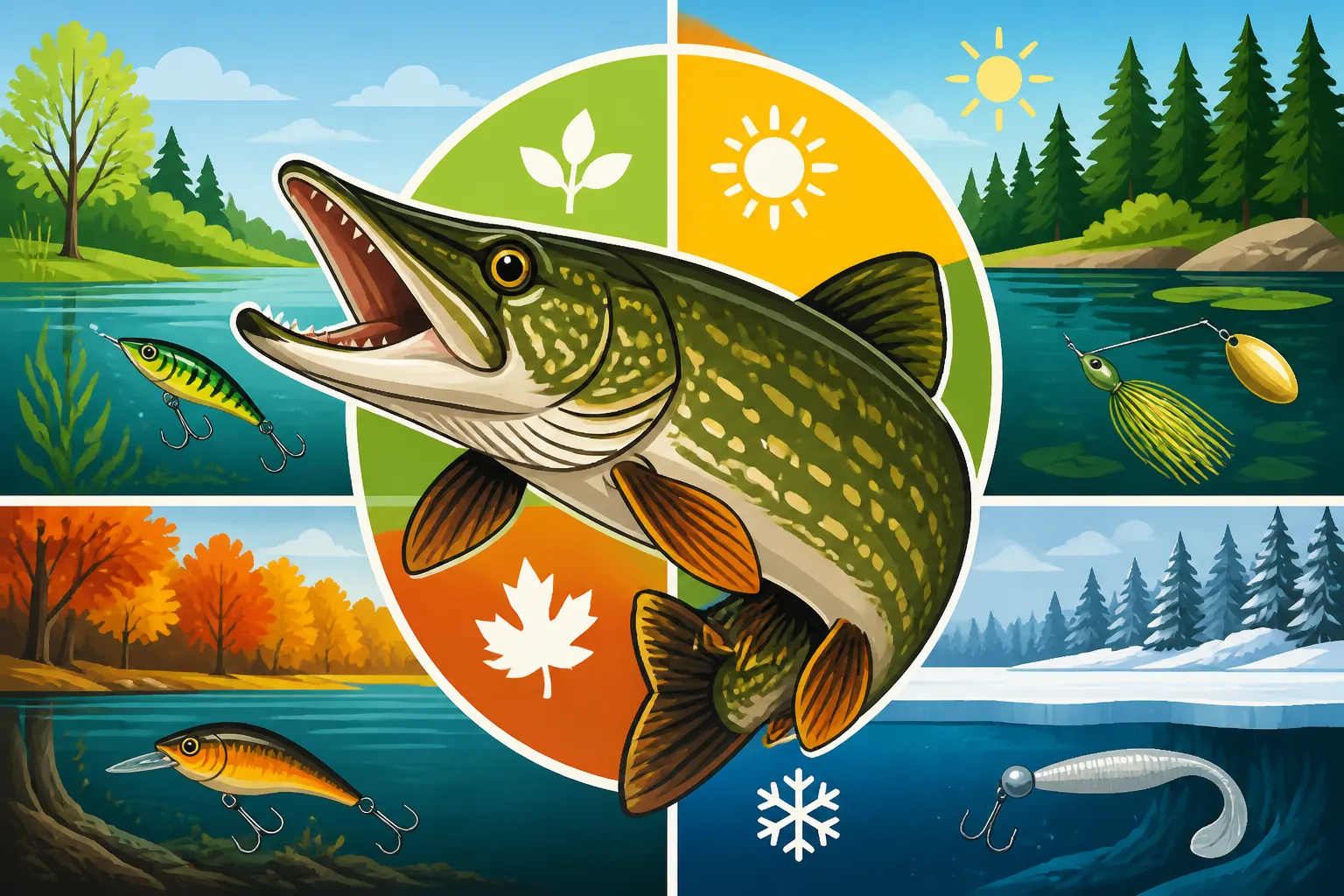
This post-spawn period offers some of the most exciting pike fishing opportunities of the year. The pike are often lethargic during the actual spawn, but once it’s over, they become incredibly aggressive. They're recovering from the rigors of reproduction, and their hunger drives them to ambush any unsuspecting baitfish that swim by. Target the mouths of shallow bays, along developing weed lines, and around transition areas where deep water meets these spawning flats. Flashy spoons, spinnerbaits, and even large jerkbaits can be incredibly effective during this time, mimicking the baitfish that are also moving into the warming shallows. For more detailed insights, check out our guide on Northern Pike Fishing Tips for Minnesota Anglers.
Summer: Thermocline, Weeds, and Deep Structure
When the scorching Minnesota summer sun really heats up the lakes, typically from late June through August, northern pike undergo another significant shift in their behavior. The shallow waters they favored in spring become too warm for comfort, and often too clear, making them feel exposed.
Pike will often retreat to deeper, cooler water, seeking out the thermocline – that invisible boundary layer where water temperature drops rapidly. In many of Minnesota's larger, deeper lakes, the thermocline forms at depths ranging from 15 to 30 feet, providing an ideal temperature refuge for these cool-water predators. However, "deep" for a pike doesn't always mean "structureless." They'll often position themselves along the deep edges of weed lines, particularly coontail and cabbage beds, which extend into cooler water. These dense aquatic jungles offer shade, cover, and a perfect ambush point for unsuspecting panfish and baitfish that also relate to the weeds.
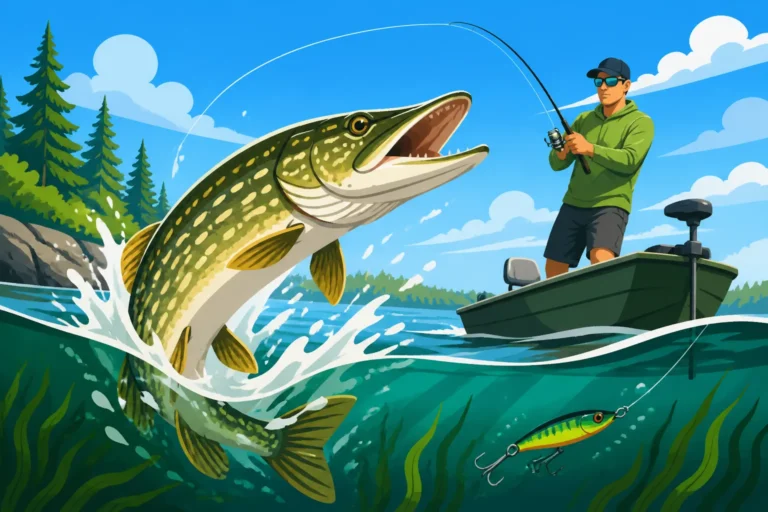
Beyond the weed lines, look for pike on offshore humps, rock piles, and points that drop into deeper water. These structural elements serve as highways for baitfish and offer pike excellent vantage points from which to launch their attacks. Trolling large crankbaits over these deep structures or casting heavy spoons and oversized soft plastics along the deep weed edges can be highly productive. Focus on fishing during low-light conditions like early mornings, late evenings, or even overcast days, when pike are more likely to move shallower to feed. Our guide on How to Catch Northern Pike in Summer offers specific tactics for this season.
Fall: The Pre-Winter Feast and Peak Action
As the dog days of summer give way to the crisp air of autumn, Minnesota's northern pike enter arguably their most active and rewarding feeding period. This is the "fall bite," and it's something every serious pike angler looks forward to.
Early Fall: Transitional Movements and Active Hunting
Early fall, generally from September through mid-October, is a period of transition and rejuvenation for pike. The lake waters begin to cool, often breaking up the distinct thermocline that kept fish deep in summer. This cooling trend means pike are no longer confined to specific temperature bands and can roam more freely throughout the water column. They start to move out of their deep summer haunts and push back into shallower areas, especially those with green, healthy weed growth that hasn't started to die back yet.
This movement is driven by an intense instinct to feed. Pike sense the coming winter and understand that they need to pack on as much weight as possible. They become aggressive, actively hunting down schools of baitfish that are also moving shallower as they seek warmer water and abundant food. Large spinnerbaits, bucktails, and lipless crankbaits thrown parallel to weed edges or over submerged vegetation can trigger explosive strikes. Think of pike cruising along the edges of expansive flats, ambushing schools of perch or shiners. They’re less about hiding and more about actively pursuing prey during this time.
Late Fall: Cold Water and Trophy Hunts
As late fall sets in, typically from late October through November right up until ice-up, the water continues to cool dramatically, often dropping into the 40s Fahrenheit. While many anglers might think fishing slows down, this is often the time for trophy pike. The fish are still driven by the need to feed, but their metabolism has slowed, making them less prone to chasing fast-moving baits.
Pike will often concentrate in specific, deeper areas, often seeking out remaining green weed clumps, deep breaks, or rocky points that retain heat longer. They'll also follow large schools of tullibee (cisco) or suckers, which are key forage for larger pike in many Minnesota lakes. These deep water baitfish concentrations become magnets for big pike. Presentations need to slow down significantly. Large soft plastics, slow-rolled spinnerbaits, or dead bait under a bobber can be incredibly effective. Consider using a large live sucker or dead cisco rigged on a quick-strike rig – sometimes the biggest pike won't refuse an easy, high-calorie meal. This is a time for patience, but the rewards can be truly massive. Be sure to be aware of Northern Pike Season & Limits in Minnesota as regulations can sometimes change for specific bodies of water.
Winter: Ice Fishing for Northern Pike
When Minnesota's lakes transform into a vast sheet of ice, northern pike don't hibernate. Instead, they offer incredible ice fishing opportunities, from aggressive tip-up battles to subtle jigging action.
Early Ice: Shallow Water Ambush
The period of early ice, when formations are typically 4-8 inches thick and safe for foot travel, is arguably the most productive time for ice fishing for northern pike. Much like early spring, pike often remain in or near the shallow, vegetated bays and weed lines they frequented in late fall. The water under the fresh ice retains higher oxygen levels and relatively stable temperatures in these shallower zones, making them comfortable hunting grounds.
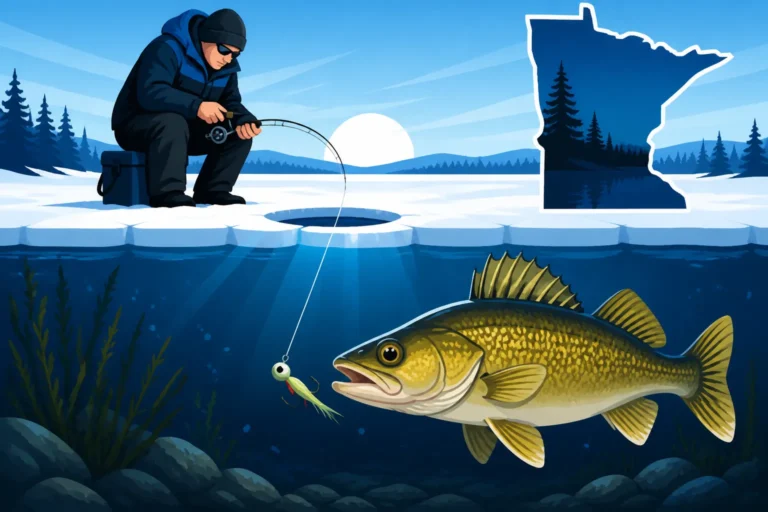
Pike are incredibly active during early ice, as the cold shock of ice formation is past, and they haven't experienced sustained fishing pressure. They will hold tight to dense weed beds, using the stalks as ambush points for unsuspecting schools of perch, minnows, and shiners. This is prime time for setting up tip-ups with large dead bait (like smelt or suckers) or lively minnows just above the weed tops. Drilling multiple holes and spreading out your tip-ups along a weed line or across a shallow flat can be very effective. It’s a great chance to catch numbers of aggressive pike before they get pressured. For detailed setup advice, check out our guide on Ice Fishing for Northern Pike (Tip-Ups).
Mid-Winter: Deeper Structure and Slower Bites
As winter progresses into January and February, ice thickens, and conditions beneath the surface stabilize. Oxygen levels in shallow, dense weed beds can begin to deplete, and pike, especially larger ones, will often transition to deeper, more oxygen-rich environments. This means moving away from the absolute shallows and focusing on structure in deeper basin areas.
Look for pike on main lake points, sunken islands, humps, and the deep edges of historical weed lines that transition into 15-30 feet of water. These spots offer consistent cover and act as highways for baitfish. The bite can often become slower and more finicky during mid-winter, so patience and varied presentations are key. While tip-ups still work, sometimes a more active approach is needed. Jigging large spoons (like Northland Fishing Tackle Buck-Shot Rattle Spoons or Rapala Jigging Raps) or soft plastic swimbaits through the ice can entice bites from sluggish pike. Don't be afraid to experiment with different depths and retrieve speeds. Our comprehensive guide on How to Catch Northern Pike Through the Ice in Minnesota provides a wealth of strategies for this challenging but rewarding period.
Late Ice: Pre-Spawn Activity
As late winter approaches and hints of spring begin to stir, typically from late February through March, a subtle but significant change occurs in pike behavior. Longer daylight hours and slowly warming water beneath the ice signal the approaching spawning season. Pike begin to stage, moving out of their deep-water wintering areas and migrating back towards those shallow, vegetated bays and inlets they'll use for spawning immediately after ice-out.
This pre-spawn movement often results in another surge of activity, offering fantastic late-ice fishing. The pike are regaining their energy, getting ready for the arduous spawning process, and are willing to feed aggressively. Focus your efforts on the transition zones leading into shallow spawning flats – areas like points, saddles, or deeper channels that provide access to those shallow bays. Tip-ups with large dead bait remain a go-to tactic, but actively jigging with large spoons or even slow-moving swimbaits can also be very productive. Be mindful of ice conditions as late winter progresses; safety is always paramount. Ensuring you have the right gear for this period is crucial, and our Best Ice Fishing Gear for Minnesota (2027 Guide) can help you prepare.
Key Factors Influencing Pike Patterns
Understanding the larger environmental forces at play can significantly enhance your ability to predict and target northern pike effectively, regardless of the season. These aren't just minor details; they are the fundamental drivers of a pike's existence in any Minnesota lake.
Water Temperature and Oxygen Levels
The lifeblood of pike location and activity revolves around water temperature and dissolved oxygen. Northern pike are cool-water fish, preferring temperatures in the 50s and low 60s Fahrenheit. When waters warm too much in summer, they seek out cooler depths, often congregating at or just below the thermocline where oxygen is still abundant. Conversely, in the coldest parts of winter, they avoid areas that might become anoxic (low oxygen), such as dense, shallow weed beds under thick ice, moving towards main lake basins or areas with current.
Think of it like us finding a comfortable room. Too hot, we move to AC; too cold, we move to heat. Pike do the same in the water. They are constantly seeking that "sweet spot" where they are comfortable and can maintain their predatory efficiency. Fluctuations in temperature due to cold fronts or warm spells can trigger rapid movements, forcing them deeper or drawing them shallower for brief feeding windows. Monitoring water temperature with your electronics can give you a significant edge in finding active fish. Even simple temperature gauges found on popular fishing apps or purchased easily from retailers like Amazon can make a huge difference.
Forage Base and Baitfish Movements
Pike are apex predators, and like all predators, they follow their food. The seasonal movements of their primary prey species – whether it's yellow perch, cisco (tullibee), shiners, suckers, or even smaller panfish – directly dictate where pike will be found. In spring and early summer, when baitfish are active in the shallows for spawning or feeding on emerging insects, pike will be right there with them.
As summer progresses and baitfish move to deeper, cooler water or relate to specific submerged structures, so too will the pike. In fall, when baitfish schools mass up and feed aggressively before winter, pike capitalize on these congregations. Learning about the dominant baitfish species in a specific lake and their typical seasonal behaviors can provide invaluable clues for locating pike. For example, if a lake has a strong tullibee population, larger pike will often be found suspended over deep water or along deep breaks where tullibee are present, especially in fall. Our guide on Northern Pike in Minnesota: Identification & Where to Catch goes into more detail about their habitat preferences.
Weed Growth and Structural Elements
Pike are masters of ambush, and they rely heavily on cover and structure to execute their predatory attacks. Healthy weed beds, particularly those composed of cabbage, coontail, or emergent reeds, are absolutely critical throughout much of the open water season. These provide not only camouflage but also habitat for baitfish, creating a perfect hunting ground. The quality of the weeds is important too; green, healthy weeds hold oxygen and attract bait, whereas dying weeds in late fall or under thick ice can lose oxygen and deter fish.
Beyond weeds, structural elements like points, humps, rocky reefs, sunken islands, and sharp drop-offs also play a vital role. These features create current breaks, hold baitfish, and offer pike strategic positions from which to ambush. Imagine a pike lurking on the downside of a rocky point, waiting for baitfish to swim by – it's a classic scenario. Understanding how pike relate to different types of structure, whether it's a subtle depth change or a dramatic contour line, is essential for consistent success. If you're looking for the biggest pike, our list of Best Lakes for Big Northern Pike in Minnesota highlights waters with prime habitat.
| Season | Typical Water Temp (F) | Pike Location | Primary Behaviors | Recommended Tactics |
|---|---|---|---|---|
| Spring | 40s – Low 50s | Shallow bays, emerging weed lines, spawning flats | Post-spawn recovery, aggressive feeding, shallow water | Casting spoons, spinnerbaits, jerkbaits to weed edges |
| Summer | Mid 60s – Low 70s | Deep weed edges, thermocline, offshore humps | Seeking cooler water, ambush from cover | Trolling crankbaits, casting heavy spoons/plastics to deep weeds |
| Early Fall | Low 60s – Low 50s | Healthy green weed lines, transitional areas | Active hunting, pre-winter gorging | Casting large spinnerbaits, bucktails, lipless cranks |
| Late Fall | Low 50s – Upper 30s | Deep breaks, baitfish schools, cold water haunts | Slow feeding, concentrating on large forage | Slow-rolled plastics, dead bait rigs, large jigging spoons |
| Early Ice | Upper 30s – Low 40s | Shallow weed beds, accessible flats | Highly active, post-ice-up feeding | Tip-ups with large minnows/dead bait, jigging spoons |
| Mid-Winter | Low 30s – Mid 30s | Deep structure, main lake basins, subtle breaks | Slower metabolism, subtle bites, oxygen seeking | Slow-jigging large spoons, deadsticking, patience |
| Late Ice | Mid 30s – Upper 30s | Staging areas near spawning bays, inlets | Pre-spawn surge, increased activity | Tip-ups with dead bait, jigging large baits |
Disclaimer
Fishing regulations, seasons, and limits can change frequently. Always consult the most current Minnesota Department of Natural Resources (DNR) regulations before heading out on the water. This guide provides general information and recommendations based on common fishing practices.