How to Catch Northern Pike in Summer
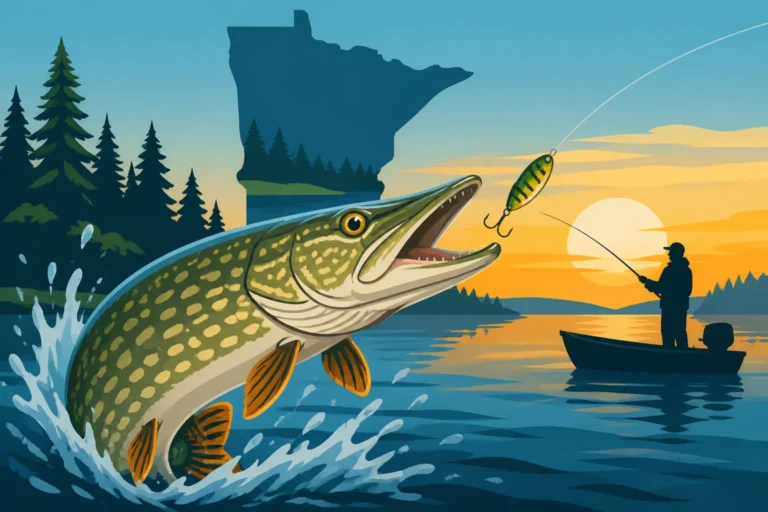
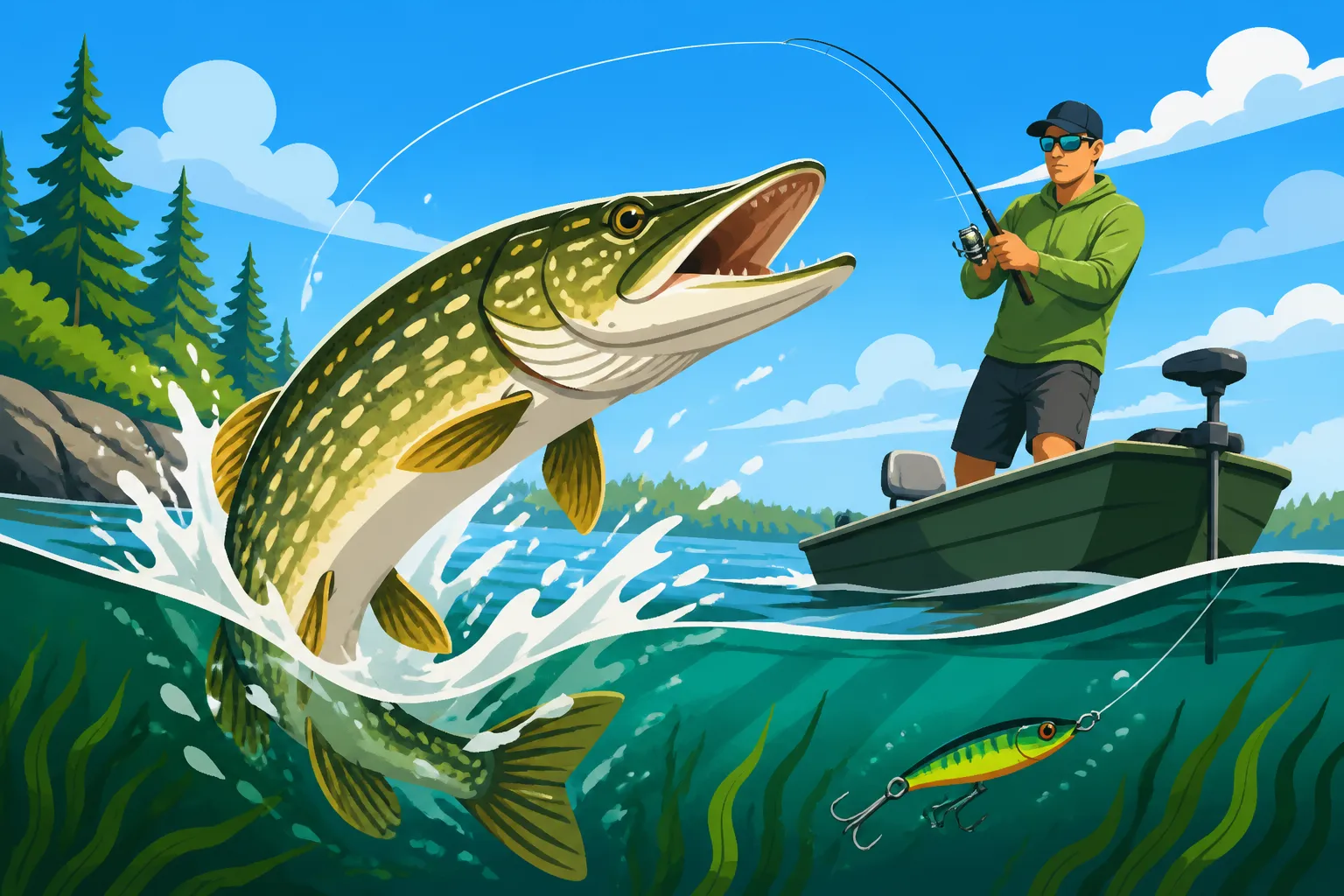
Trying to find northern pike in Minnesota once the hot summer sun is beating down can feel like a completely different game than the aggressive, shallow bite we all love in spring. Many anglers get frustrated when their go-to spots from May suddenly become ghost towns, leaving them wondering where all those toothy critters went. This guide will dive deep into understanding summer pike behavior and equip you with the best tactics, gear, and locations to consistently catch these hard-fighting fish when the water warms up.
Understanding Summer Pike Behavior in Minnesota
When the dog days of summer hit Minnesota, everything changes for northern pike. They're still out there, don't worry, but they've adjusted their lifestyles to cope with the warmer water and changing forage patterns. If you're struggling to locate them, it's often because you're still looking in the wrong places.
Why Pike Go Deep and Where to Find Them
As surface water temperatures climb into the 70s and even 80s Fahrenheit, pike, like many other cold-blooded predators, seek out more comfortable thermal refuge. This often means moving to deeper water, especially where there's a thermocline – that distinct layer where warm surface water meets cooler, denser deep water. The thermocline provides that perfect balance of cooler temperatures and sufficient oxygen levels that pike need to thrive.
You’ll typically find them holding along deep weed lines, those lush underwater forests that transition from shallow flats to deeper drops. These weed edges offer crucial cover for ambush and hold plenty of baitfish. Look for distinct edges where the weeds abruptly stop, revealing a sharp drop-off into deeper water. Rock humps and submerged points that extend out into the main lake basin are also prime real estate. These structures act like underwater highways and resting points for baitfish, and consequently, for pike. Don't overlook the main lake points that drop into deep water, or deep break lines where the bottom composition changes from soft mud to hard rock. Finding these subtle transitions with your electronics is key. If you're marking a lot of baitfish in these deeper zones, you can bet the pike won't be far behind.
The "Wolfpack" Mentality and Ambush Points
While many anglers think of pike as solitary hunters, in summer, especially the larger ones, they often congregate in "wolfpacks" around specific structural features. This isn't always a tight school, but rather several pike utilizing the same prime ambush points on a particular piece of structure. They become somewhat lazier in the warmer water, conserving energy and waiting for easy meals to swim by. This means they are often tucked into very specific spots, rather than roaming widely.
Ideal ambush points include the corners of deep weed lines, the "nose" of a rock humped that tops out at a specific depth, or submerged timber fields. Imagine a large fallen tree on a deep break – pike will sit right in the thickest part, waiting. They're not going to chase a lure from 50 feet away like they might in the spring. You need to present your offering right into their living room. Identifying these high-percentage areas on your lake map and then dissecting them with your boat's electronics will dramatically increase your success. It’s a game of precision, not just covering water.
Essential Gear and Tactics for Summer Pike
Catching big summer pike isn't just about finding them; it's about being prepared with the right tools and techniques. These fish are powerful, and if you're not geared up, they'll often make short work of your tackle.
Rods, Reels, and Line for Heavy Duty Pike
When you're targeting summer pike, especially those larger ones that have moved deep, you need gear that can handle the fight. Forget the light panfish setups; this is a job for heavy-duty equipment. For rods, I'd recommend a medium-heavy to heavy power rod, typically in the 6'6" to 7'6" range. The extra length helps with casting heavier lures and providing leverage during the fight. A fast or extra-fast action will give you the sensitivity to detect subtle bites and the backbone to drive hooks home through a pike's tough mouth. For many anglers, a sturdy baitcasting setup is the preferred choice, offering superior casting control with heavy lures and more cranking power to pull these fish out of deep weeds or cover. Brands like Abu Garcia or Shimano make excellent baitcasting reels that can withstand the abuse. However, a robust spinning setup with a strong drag can also work for those who prefer them.
Line choice is critical. Braided line, in the 30 to 50 lb test range, is almost a necessity. Its lack of stretch provides excellent sensitivity, and its incredible strength means you can haul fish out of heavy cover without worrying about breaking off. Crucially, you must use a leader. Pike have incredibly sharp teeth that will sever monofilament or fluorocarbon main lines in an instant. A good quality steel or heavy fluorocarbon leader (60-80 lb test, 12-18 inches long) is essential. Fluorocarbon leaders offer less visibility than steel, which can be an advantage in clear water, but they can still be cut if a tooth slides just right. I personally prefer a good quality, thin diameter steel leader for most applications. You can find excellent options on Amazon, often in multi-packs, making it easy to keep spares on hand. Don't skimp on heavy-duty snaps and swivels either; a cheap component is often the weakest link. For more general guidance on your setup, check out our guide on Best Fishing Gear for Beginners in Minnesota By Budget.
Lures and Baits That Provoke Summer Strikes
Summer pike, while often deeper, are still opportunistic predators. The key is to offer them something substantial and easy to catch.
- Large Spoons: Classic spoons like the Doctor Spoon or Dardevle in silver, gold, or flashy patterns are incredibly effective. Their wobbling action mimics an injured baitfish. Troll them along deep weed edges or cast them to structure.
- Spinnerbaits & Inline Spinners: Heavy-duty spinnerbaits with large blades (Colorado or Willow Leaf) in colors like white, chartreuse, or black-and-nickel can penetrate weeds effectively and create a lot of flash and vibration. Large inline spinners, such as those from Mepps or Blue Fox, are also great for casting and retrieving over deep breaks.
- Jerkbaits & Swimbaits: Bigger profile jerkbaits, especially those designed to suspend or dive deep, can be fantastic. Work them with a stop-and-go retrieve to entice reaction strikes from sluggish pike. Large soft plastic swimbaits, rigged on heavy jig heads, are also excellent for probing deep water.
- Live Bait: Don't underestimate the power of live bait in summer. Large suckers or shiners, rigged on a quick-strike rig under a large bobber or on a bottom bouncer, can be deadly for inactive pike. Present them directly in those deep ambush zones you’ve identified. This is often the best approach when pike are particularly stubborn.
When choosing colors, consider water clarity. Natural baitfish patterns work well in clear water, while brighter colors like chartreuse, orange, or firetiger can be better in stained or cloudy conditions. Ensure your lures are large enough to appeal to a summer pike's desire for a big, easy meal – think 5-8 inches or more for many of these options. If you're looking for more specific recommendations, our guide on Best Lures & Baits for Minnesota by Species has even more detailed insights.
Effective Techniques for Deeper Water and Structure
Successfully catching summer pike requires adapting your techniques to their deeper, less aggressive habits.
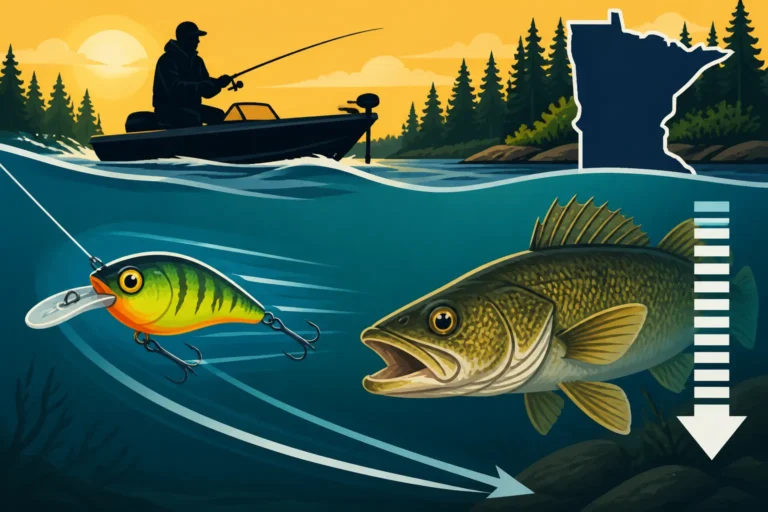
- Trolling: This is arguably the most consistent method for summer pike. Use deep-diving crankbaits that can reach depths of 15-30 feet, or even further with lead core line. Troll along contours, over submerged humps, and parallel to deep weed lines. Pay close attention to your speed; often, a slower troll (1.5-2.5 mph) is more effective for less active pike. Use your fish finder to stay on structure and mark fish. For deeper presentations, a large spoon or spinnerbait behind a bottom bouncer can also be very effective. Having a reliable trolling motor, like those from Minn Kota, can make precise trolling much easier, especially when navigating specific structures.
- Jigging: When pike are tightly schooled on a hump or deep break, vertical jigging can be incredibly effective. Use heavy jigs (1/2 oz to 1 oz+) tipped with large soft plastics, a large minnow, or a sucker head. Drop it down to where you’re marking fish and work it with an aggressive lift-fall motion. Pay attention to how the fish react on your electronics – sometimes a subtle quiver is all it takes.
- Casting to Structure: If you're on a defined deep weed edge or a rock pile, casting large jerkbaits or swimbaits can still produce. Make long casts, let the lure sink to the desired depth, and retrieve with pauses. Pike often hit on the pause or when the lure starts moving again. This technique is more active and can be very rewarding when you hit that specific ambush zone.
- Using Electronics: Your fish finder is your best friend in summer. Use it to locate thermoclines, deep weed edges, rock humps, and most importantly, the pike themselves. A good fish finder will show you arches or blobs representing fish, often suspended just above or within the deeper structure. Features like side imaging or down imaging on units from Humminbird or Garmin can help you visualize underwater terrain and spot fish holding tight to cover, making your presentations much more targeted. For a full breakdown, consider reading our guide on Best Fish Finders & Electronics for Minnesota Fishing.
Top Minnesota Summer Pike Locations and Strategies
Minnesota is known for its incredible pike fishing, and even in summer, there are lakes that consistently produce fantastic results if you know where to look.
North Central Minnesota's Pike Factories
The legendary waters of North Central Minnesota truly shine when it comes to trophy pike, even in the heat of summer. These large, diverse lakes offer the deep, complex structures that big pike gravitate towards.
- Lake Vermilion: Known for its stunning scenery and incredible multi-species fishery, Lake Vermilion is a summer pike paradise. Its countless islands, reefs, and deep bays provide endless opportunities. Focus on the deep weed lines (15-25 feet) around the larger islands and mainland points. Look for bays with cooler springs or inflowing creeks that might create localized cooler water. Trolling large crankbaits and spoons over the main lake basins, especially near marked baitfish schools, can also be highly effective here.
- Leech Lake: While famous for walleye, Leech Lake holds a robust population of northern pike, including some true giants. The expansive weed flats often transition into deep drop-offs that hold pike through the summer. Areas like Portage Bay, Walker Bay, and the main lake's large humps and bars are excellent starting points. Utilize your electronics to pinpoint the "hard breaks" where weeds give way to sand or rock in 15-30 feet of water. Jerkbaits and large swimbaits cast along these edges can trigger explosive strikes. You can learn more about Leech Lake Fishing Guide for a broader perspective.
- Lake of the Woods: The sheer size and structural diversity of Lake of the Woods make it a premier summer pike destination. From the shallow, fertile bays of the south end to the deeper, rockier waters of the Northwest Angle, there are pike everywhere. In summer, focus on the deeper reefs and rock piles, as well as the transition zones where large weed beds meet open water in 10-25 feet. Trolling large spoons or crankbaits here is often the most productive method, especially in areas with current or neck-down sections. Understanding Lake of the Woods Fishing Guide will help you explore its vast potential.
Metro Area and Southern Minnesota Gems
Even if you're not heading up north, there are still solid summer pike opportunities closer to the Twin Cities and in Southern Minnesota. It might require a bit more searching, but the rewards can be well worth it.
- Lake Minnetonka: This sprawling metro lake is a fantastic multi-species fishery, including some surprisingly large pike. While busy, its complex structure – numerous islands, deep holes, and extensive weed beds – provides plenty of hiding spots. Target deep weed edges and points in 15-25 feet of water, especially during low light conditions or after boat traffic dies down. You might also find them suspended over deeper basins, chasing schools of cisco or tullibee.
- White Bear Lake: Another excellent metro option, White Bear Lake offers clear water and good pike numbers. Focus on the main lake basin's deep breaks and the edges of remaining healthy weed growth. Early morning or late evening often yield the best results for casting large spoons or spinnerbaits.
- Mississippi River Pools: Don't overlook the river systems. The Mississippi River, particularly the pools south of the Twin Cities, holds a healthy population of northern pike. Look for them in areas with current breaks, around wing dams, and in deeper holes near submerged structure. Casting large spinnerbaits or using live bait rigs can be effective. While often associated with catfish, the river offers diverse fishing.
Remember, regardless of the lake, scouting with your electronics to identify those deep weed lines, humps, and drop-offs is paramount. The fish are there; you just have to adapt to their summer hideouts.
Best Practices for Handling and Releasing Pike
Northern pike are incredibly resilient fish, but proper handling is crucial for their survival, especially for those bigger ones you want to see swim away and fight another day.
Safe Handling and Release for Sustained Fisheries
Catch-and-release is a cornerstone of responsible angling, and it’s particularly important for larger pike which are essential for maintaining healthy trophy fisheries. Pike have a reputation for being tough, but their gills and internal organs are still delicate.
First and foremost, have the right tools ready before you even land the fish. This means a good pair of long-nose pliers, a jaw spreader, and a quality hook remover. You can find excellent sets of these essentials on Amazon. When you land a pike, try to keep it in the water as much as possible. If you must bring it into the boat for a quick photo, do so quickly and efficiently. Use a large, rubberized landing net to minimize damage to their fins and slime coat. Avoid grabbing a pike by the eye sockets or gill plates, as this can cause severe injury. Instead, support its body horizontally. If you need to grip it for hook removal, a firm grip behind the head or by using a specialized fish gripper on the lower jaw is preferred, but always support the body with your other hand.
To remove hooks, use your long-nose pliers or hook remover. If the hook is deeply embedded, especially in the gills, it might be best to cut the line and leave the hook in place rather than risk further damage. Studies show that hooks left in often rust out. Minimize air exposure; a pike out of water for more than 30-60 seconds experiences significant stress. Once the hook is out, gently release the fish headfirst back into the water. If it’s sluggish, hold it upright by the tail and gently move it back and forth to force water over its gills until it swims away under its own power. For more detailed insights, our guide on Catch and Release Best Practices in Minnesota covers everything you need to know.
Considering Keeping Pike and How to Fillet
While many anglers release large pike, smaller pike (typically under 24-26 inches) are actually quite delicious and make excellent table fare. There’s a common misconception that pike are too bony to eat due to their "Y-bones." This isn't true; they just require a specific filleting technique. If you decide to keep a pike within the current Minnesota Fishing Limits: Bag & Possession regulations, remember that smaller pike generally have whiter, flakier meat.
To prepare a pike for eating, you'll need to learn the Y-bone filleting method. It's a bit different than filleting a walleye or bass, but once you get the hang of it, it's quite simple. Essentially, you make a cut along the top of the Y-bones down to the skin, then make two more cuts to remove the meat around them, leaving the Y-bones attached to the skin. What you’re left with are five boneless strips of delicious pike meat. Don't let the Y-bone myth deter you from enjoying a fresh pike meal. To master this technique, you can consult our dedicated guide on How to Fillet a Northern Pike Remove Y-Bones.
Here’s a quick overview of some popular summer pike lures and their common applications:
| Lure Type | Best Depth Range (Approx.) | Common Pike Sizes Targeted | Retrieve Method | Notes |
|---|---|---|---|---|
| Deep-Diving Crankbait | 10-30+ feet | Medium to Large | Steady Troll | Good for covering water and targeting suspended fish. |
| Large Spoon | 5-25 feet | Medium to Large | Cast & Retrieve, Troll | Flashy, mimics injured baitfish. Vary retrieve speed. |
| Spinnerbait | 5-20 feet | Medium to Large | Cast & Retrieve, Slow Roll | Weedless for heavy cover, creates vibration and flash. |
| Jig with Swimbait | 15-40 feet | Medium to Large | Vertical Jig, Cast & Retrieve | Excellent for deep structure, mimicing larger forage. |
| Large Sucker Minnow | Any (on quick-strike rig) | Large to Trophy | Still Fish, Drift, Troll Slow | Best for less aggressive, larger pike. Live or dead bait. |
| Jerkbait (Deep) | 8-20 feet | Medium to Large | Twitch & Pause | Great for triggering reaction strikes from finicky fish. |
By understanding summer pike movements, equipping yourself with appropriate gear, and employing the right tactics, you'll be well on your way to a successful day on the water, even when the sun is blazing high.
Disclaimer
Fishing conditions and regulations in Minnesota can change. Always consult the latest Minnesota Department of Natural Resources (DNR) fishing regulations before heading out on the water. This guide is for informational purposes only and does not supersede official regulations.