Northern Pike Fishing Tips for Minnesota Anglers
Northern Pike are a beloved, yet sometimes elusive, challenge for many anglers across our beautiful state. It's frustrating to head out with high hopes, only to come back with stories of lost lures or tiny "hammer handles" when you were dreaming of a true Minnesota gator. You've probably tried every retrieve, every flashy bait, and still felt like you were missing some crucial piece of the puzzle. This comprehensive guide is designed to peel back the layers of pike behavior and equip you with the knowledge, gear, and strategies specific to Minnesota's waters, helping you turn those frustrating outings into memorable, successful pike-catching adventures.
Understanding Minnesota's Pike: Biology and Behavior
To consistently catch northern pike, you first need to get inside their heads – or at least understand their natural instincts and where they prefer to hang out. These powerful predators are more than just toothy fish; they have distinct patterns that, once understood, can be exploited to your advantage.
Seasonal Movements and Habitats
Northern pike are incredibly adaptable, and their preferred locations in a lake or river will shift dramatically throughout the year based on water temperature, available forage, and spawning cycles. It's not enough to just know there are pike in a lake; you need to know where they are right now.
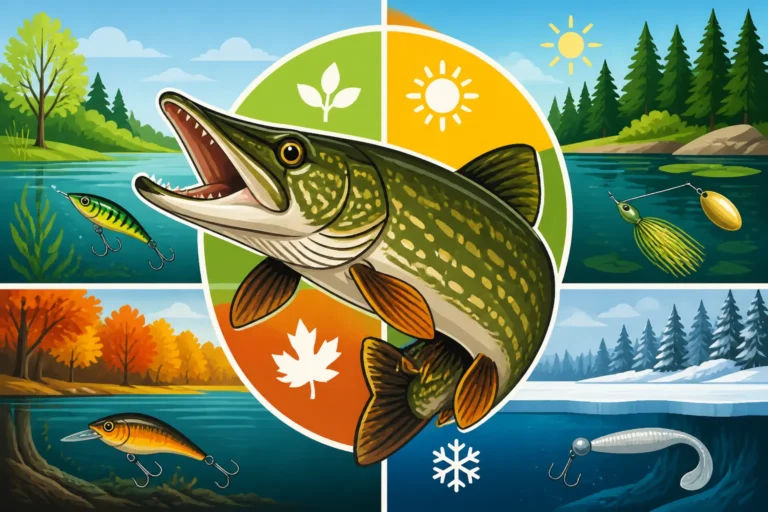
During the spring, right after ice-out, pike are focused on spawning. They'll move into shallow, marshy bays, backwaters, and flooded grass areas, especially those with darker bottoms that warm up quickly. These shallow havens offer protection and food for newly hatched fry. This is often an excellent time to target them, as they can be quite aggressive post-spawn. As the water warms into late spring and early summer, they start to spread out, often lingering near those spawning areas initially but gradually moving towards developing weed lines and submerged structures as summer progresses. You'll find them holding tight to cabbage weeds, lily pads, and coontail beds, ambushing unsuspecting prey. Then, as the crisp air of autumn descends upon Minnesota, pike become incredibly active, fattening up for the long winter. They'll often move to main lake points, deeper weed edges, and even open water adjacent to steep breaks, pursuing schools of baitfish. Knowing the specific season and understanding Minnesota Fishing Seasons & Opener Dates (2026) can give you a significant edge in predicting their movements.
Diet and Feeding Habits
Pike are opportunistic eaters, pure and simple. If it swims and they can fit it in their mouth, they're likely to eat it. This aggressive feeding behavior is what makes them such a thrill to catch, but it also informs the best bait and lure choices.
Their diet primarily consists of smaller fish like perch, ciscoes (tullibee), suckers, shiners, and even smaller panfish. However, they aren't above devouring frogs, ducklings, or small rodents that fall into the water. They are ambush predators, meaning they'll lie in wait, often camouflaged within dense cover, and then explode with incredible speed to capture their prey. This means you need to present your lure in a way that mimics an easy meal, often by drawing it past their hiding spot or enticing a reaction strike. Understanding what local forage is prevalent in the lake you're fishing can be a game-changer. For instance, if a lake is known for a strong tullibee population, a silver or white lure mimicking a tullibee could be incredibly effective. Conversely, in lakes with abundant perch, a perch-patterned crankbait might be the ticket. Pike are also highly visual feeders, especially in clear water, so flash and vibration play crucial roles in triggering their predatory instincts.
Essential Gear and Tackle for Northern Pike
Successfully battling a strong northern pike requires the right tools. Skimping on tackle can lead to frustrating break-offs, lost fish, and even injury. You need gear that can withstand the fight and handle those razor-sharp teeth.
Rods, Reels, and Line Choices
Choosing the right rod, reel, and line setup is paramount for pike fishing. You're not targeting panfish here; you're going after a formidable opponent.
For rods, think medium-heavy to heavy power, with a fast action tip. This combination gives you the backbone needed to set hooks firmly in a pike's bony mouth and to control a powerful fish, while the fast tip allows for accurate casting and sensitivity. A length of 6'6" to 7'6" is generally ideal, offering good casting distance for larger lures without being unwieldy. Brands like St. Croix, a Minnesota native, or Daiwa offer excellent options that can stand up to the challenge. When it comes to reels, a durable baitcasting reel in a 200-300 size range or a sturdy spinning reel in a 3000-4000 series is appropriate. Ensure it has a smooth, reliable drag system, as a big pike will test it. You'll find a huge selection of specialized pike rods and reels on Amazon, often with helpful reviews from other anglers. Your fishing line choice is equally critical. Braided line, with its superior strength-to-diameter ratio and lack of stretch, is the top choice for pike. Opt for 30-65 lb test braid, depending on the size of fish you're targeting and the cover you're fishing in. The lack of stretch helps with solid hooksets and feeling those subtle bites. Fluorocarbon leaders or wire leaders are essential at the business end to prevent cut-offs from their formidable teeth.
Lures and Baits That Pike Can't Resist
Pike are notorious for hitting a wide variety of lures and baits. The key is to match the hatch, consider the depth you're fishing, and offer something with an enticing action.
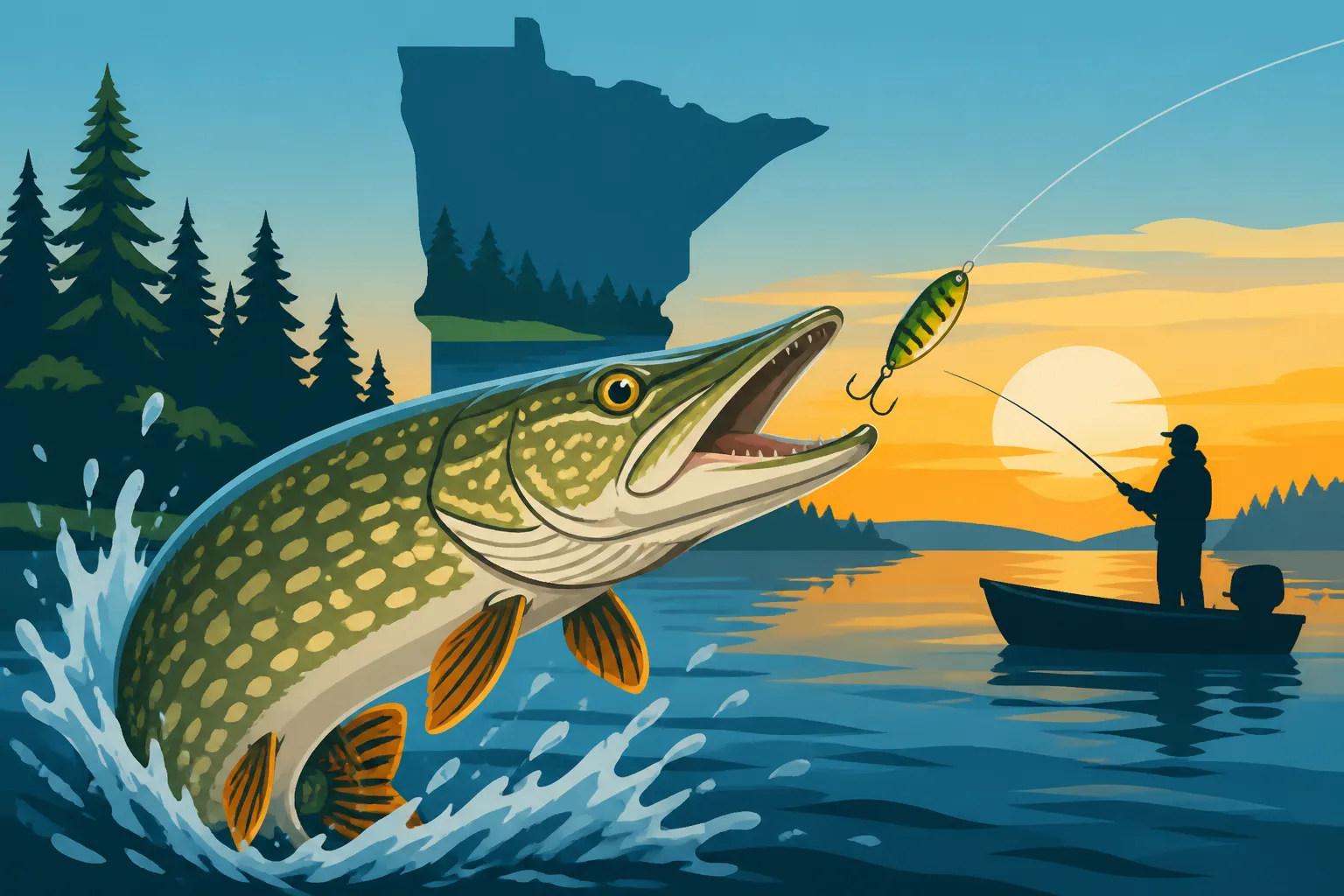
Spinnerbaits are incredibly versatile for fishing weedy areas. Their pulsating skirt and flashing blades attract attention and are relatively weedless. Think bright colors like chartreuse, white, or firetiger. Spoons, especially classic Dardevle patterns or Five of Diamonds, are phenomenal for casting long distances and covering open water or the edges of weed beds. Their wobbling action is irresistible to pike. Bucktails and inline spinners, like those from Mepps or Musky Mania, also create significant flash and vibration, often triggering aggressive strikes. Large crankbaits, both shallow-diving and deep-diving models, can be very effective, especially those with a wide wobbling action or a rattle. Perch, sucker, or firetiger patterns are perennial favorites. Don't forget soft plastic swimbaits, either weighted or rigged on a jig head, which can be fished slowly through cover. For those hard-to-find specialty lures, checking online retailers like Amazon can often save you a trip. For live bait, large suckers or shiners, rigged under a bobber or on a quick-strike rig, can be deadly, especially when pike are less aggressive or during slower bite periods. This is often covered when discussing Best Live Bait for Walleye (Leeches, Minnows, Crawlers), but applies to pike too, just with larger baitfish.
Crucial Accessories for Pike Safety
Pike have a mouth full of sharp teeth, and handling them requires careful consideration for both your safety and the fish's well-being, especially if you plan to release them.
Investing in a good pair of long-nose pliers and jaw spreaders, easily found on Amazon, is non-negotiable. The pliers will allow you to safely remove hooks without getting your fingers near their teeth, and jaw spreaders can gently hold their mouth open for even safer extraction, particularly with treble hooks. A sturdy, knotless landing net with a rubberized mesh is also highly recommended. This protects the fish's slime coat and fins better than string nets, making catch-and-release much more viable. For larger pike, a boga grip or a similar lip-gripping tool can help manage the fish at the boat without putting your hands in harm's way. Always have a pair of heavy-duty gloves nearby, just in case. Understanding how to carefully handle and release these fish is part of being a responsible angler and contributes to healthy fish populations, ensuring there are more trophy pike for future generations.
Mastering Pike Fishing Techniques
Catching northern pike isn't just about having the right gear; it's about knowing how to present your offerings effectively and adapting to different fishing scenarios.
Casting and Retrieving Artificial Lures
The most common and often most exciting way to catch pike is by casting and retrieving artificial lures. This active approach allows you to cover water quickly and explore different areas.
When casting, focus on prime pike habitat: weed edges, points, submerged humps, fallen trees, and rocky shorelines. These are the ambush points where pike lie in wait. Cast beyond your target area and retrieve your lure so it passes directly through or very close to the suspected holding spot. The retrieve speed is crucial. While pike are aggressive, sometimes a slower, more deliberate retrieve with pauses can trigger a strike, especially in colder water. Other times, a fast, erratic retrieve, mimicking a panicked baitfish, is what they're looking for. Don't be afraid to experiment with retrieve patterns—think stop-and-go, jerks, and steady pulls. Many successful anglers use a "figure-eight" motion with their lure at the boat or shoreline before lifting it out of the water. Often, a pike will follow a lure right to the edge and strike at the last second. This technique, commonly used in muskie fishing, can be incredibly effective for enticing a hesitant pike to commit. Remember, pike often hit hard and fast, so be ready for an immediate hookset. This active approach is often considered among the Best Northern Pike Fishing Tactics in Minnesota.
Live Bait Rigs for Patient Anglers
While artificial lures are thrilling, sometimes live bait is the undisputed king, especially when the bite is tough or you're targeting less aggressive fish.
For live bait, large suckers or golden shiners are excellent choices. They emit natural scents and movements that artificial lures can't fully replicate. The most common setup involves a large bobber (sometimes a slip bobber for deeper presentations), a large hook (often a treble hook or circle hook in sizes 1/0 to 4/0), and a steel or heavy fluorocarbon leader to prevent bite-offs. You can rig the baitfish through the back, careful not to hit the spine, or through the mouth and out a nostril, allowing it to swim naturally. Fish this setup near weed lines, submerged wood, or deep break lines. Patience is key with live bait. Allow the pike to take the bait and swim with it for a few seconds before setting the hook. This ensures the fish has fully committed to the meal, increasing your chances of a solid hookset. This method is particularly effective during colder water periods or when fishing stationary from a boat or shore.
Ice Fishing Tactics for Winter Pike
Minnesota winters offer a fantastic opportunity to target pike through the ice, often with great success. The frozen landscape presents a unique set of challenges and opportunities.
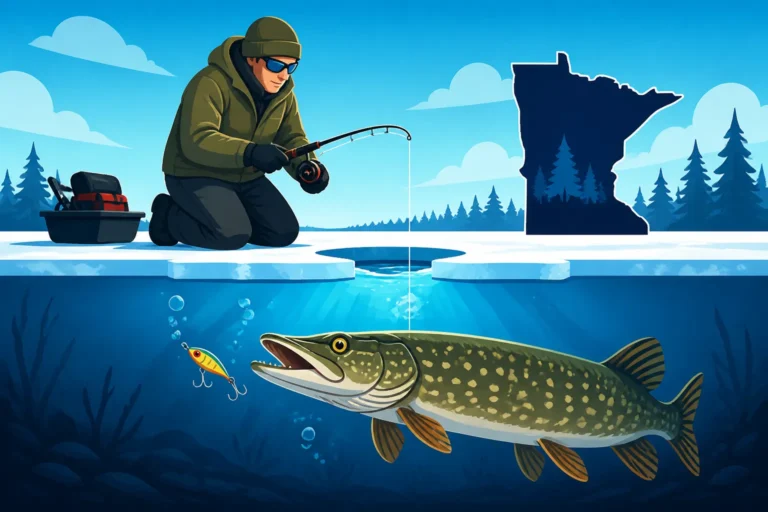
When ice fishing for pike, tip-ups are your best friend. These simple devices allow you to spread out multiple lines, covering a wider area. Rig tip-ups with a heavy-duty line (often Dacron or braided line in 30-50 lb test), a steel or heavy fluorocarbon leader, and a large single or treble hook. Suspend a large live minnow, sucker, or even a dead smelt or cisco under the ice at varying depths. Placing them just above weed beds or along break lines where pike patrol is a good strategy. When a flag goes up, indicating a fish has taken the bait, allow the pike to run with the line for a bit before gently taking up the slack and setting the hook with a strong, sweeping motion. Another effective ice fishing technique is jigging with large spoons or lipless crankbaits, often tipped with a piece of minnow. The flash and vibration can draw pike from a distance. Utilizing a flasher or fish finder is highly recommended to mark fish and monitor your bait presentation. If you're looking to dive deeper into this winter pursuit, checking out how to catch pike through the ice can be incredibly beneficial. For more specific guidance, see our article on How to Catch Northern Pike Through the Ice in Minnesota and ensure you have the Best Ice Fishing Gear for Minnesota (2027 Guide).
Finding the Best Pike Spots and Seasons
Knowing when and where to fish for northern pike in Minnesota can drastically improve your odds of success. Our state offers an abundance of incredible pike fisheries, but some truly stand out.
Prime Seasons and Daily Windows
While you can technically catch pike year-round in Minnesota, certain seasons and times of day are undeniably better for targeting these toothy critters.
Spring, immediately after ice-out and post-spawn, is a fantastic time. Pike are often shallow, hungry, and aggressive. Focus on warming bays and newly emerging weed lines. Early summer can also be excellent, especially during morning and evening hours when water temperatures are cooler and pike are actively hunting in weed beds and around structure. As summer progresses and water temperatures climb, pike often move to deeper, cooler water, seeking out thermal refuges near deep weed edges, humps, and points. This can make them harder to locate, but once found, they can be plentiful. Fall is another prime time, with pike aggressively feeding to bulk up for winter. They are often found shallower again as water cools, particularly around baitfish schools. On a daily basis, low-light conditions – dawn and dusk – are generally most productive, as pike's eyes are well-suited for dim light, giving them an advantage over their prey. Overcast days can also extend these prime feeding windows.
Finding Pike in Minnesota's Diverse Waters
Minnesota is the "Land of 10,000 Lakes," and many of them hold robust populations of northern pike. From large, well-known bodies of water to smaller, more obscure lakes, pike are truly ubiquitous.
Large, fertile lakes like Lake of the Woods, Red Lake, and Leech Lake are legendary for their trophy pike potential. These vast waters offer abundant forage and diverse habitats, allowing pike to grow to impressive sizes. For instance, Lake of the Woods is a consistent producer of huge pike, especially in its shallower, weedier bays. The Rainy River, flowing into Lake of the Woods, also holds some absolute giants. Closer to the Twin Cities, lakes like Lake Minnetonka and White Bear Lake have good pike populations, offering convenient opportunities for metro anglers. Even things like specialized pike fishing books or regional guides can be purchased from Amazon, offering additional insights into local hotspots. Don't overlook smaller, lesser-known lakes, though; many of these can hold surprising numbers of quality pike, especially those with good weed growth and baitfish populations. Often, these smaller lakes receive less fishing pressure. Utilize lake maps, whether digital (like Navionics or LakeMaster) or physical, to identify promising structures like points, humps, bays, and significant weed lines. If you're looking for detailed lake maps, many are available digitally or as physical copies on Amazon, which can be invaluable for pinpointing these areas. For a broader overview, our guide to the Best Fishing Lakes in Minnesota can point you to excellent pike waters across the state. Remember to always check the specific Minnesota Northern Pike Limits by Zone for the lake you're fishing, as regulations can vary.
Here's a quick reference for general pike fishing strategies by season:
| Season | Typical Pike Behavior & Location | Recommended Tactics | Key Lures/Baits |
|---|---|---|---|
| Spring | Shallow, post-spawn, hungry, in warming bays & emergent weeds. | Casting & retrieving, slow to moderate. | Spinnerbaits, spoons, large soft plastics, live minnows. |
| Summer | Deeper weed lines, submerged structure, shade, main lake points. | Casting, trolling, live bait under bobber. | Crankbaits, spoons, bucktails, large suckers. |
| Fall | Aggressively feeding, moving to main lake structure, shallower as water cools. | Fast casting, trolling, live bait on quick-strike rigs. | Large crankbaits, jerkbaits, big spinnerbaits, live suckers/shiners. |
| Winter | Deep holes, main lake basins, deep weed edges (ice fishing). | Tip-ups, jigging spoons/lipless cranks. | Live suckers/shiners, dead bait (smelt), jigging spoons (e.g., Northland Buck-Shot Rattle Spoon). |
Knowing Your Limits and Handling Your Catch
Beyond the thrill of the catch, responsible angling involves understanding and adhering to regulations, as well as proper handling of fish, especially if you plan to keep them for the table.
Minnesota has specific regulations regarding northern pike, including daily bag limits and length restrictions, which often vary by lake or fishing zone. It's crucial to consult the current Minnesota fishing regulations booklet or the MNDNR website before heading out. For instance, some lakes might have a protected slot limit, meaning pike within a certain size range must be immediately released, while others might allow a higher bag limit but with only one fish over a certain length. These regulations are designed to manage pike populations and promote healthy fisheries. Our guide on Northern Pike Season & Limit in Minnesota can provide further clarity. If you do decide to keep some pike, particularly the smaller "hammer handles" which are often considered best for eating, learning How to Fillet a Northern Pike (Remove Y-Bones) is a valuable skill. While some people find the Y-bones challenging, with practice, it's quite manageable, and pike offer delicious, firm white meat. For those curious about the culinary aspects, we even have a piece on Are Northern Pike Good to Eat? (Y-Bones Explained).
Disclaimer
The information provided in this guide is for general informational purposes only and is subject to change. Fishing regulations in Minnesota can vary by species, lake, and season, and are updated periodically by the Minnesota Department of Natural Resources (MNDNR). Always consult the official MNDNR fishing regulations booklet or website for the most current and accurate rules before fishing. We are not responsible for any inaccuracies or outdated information.