Best Time of Day to Catch Walleye
There's nothing quite like the frustration of hitting your favorite walleye spot, putting in hours, and coming up empty-handed. We've all been there, wondering if the fish just aren't biting, or if we're missing some crucial piece of the puzzle. The truth is, walleye are creatures of habit, heavily influenced by light conditions and their feeding instincts. This guide is here to shed some light on the best times of day to target these elusive and delicious fish in Minnesota, helping you maximize your time on the water and finally fill that livewell.
Understanding Walleye Behavior and Light Sensitivity
Before we dive into the specific hours, it's essential to understand why walleye prefer certain times of the day. It’s not just random; it’s deeply rooted in their biology and survival instincts. These fish are perfectly evolved predators, and their hunting strategy relies heavily on their unique vision, which gives them an advantage in low light.
Walleye's Unique Eye Structure
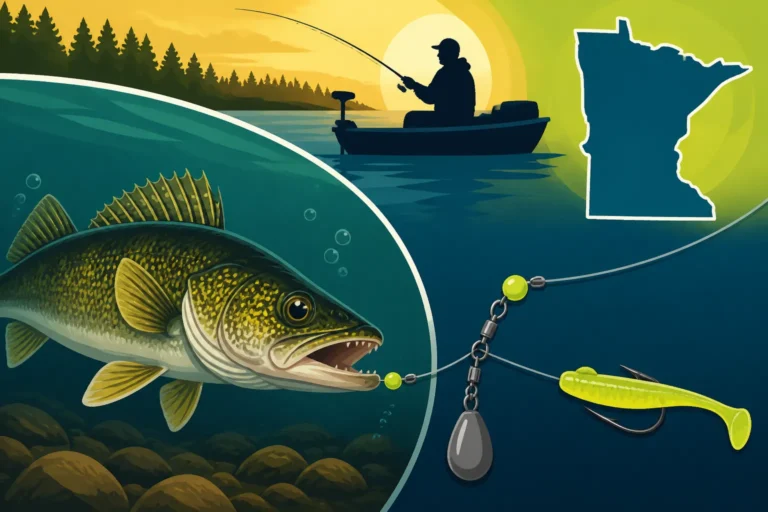
Walleye possess a special eye structure that makes them incredibly efficient hunters in dim conditions. Unlike many other game fish that are sight feeders in bright light, walleye have a reflective layer in their eyes called the tapetum lucidum. This layer essentially acts like a mirror, reflecting light back through the retina a second time, significantly enhancing their vision in low-light environments. Think of it like a built-in night vision device.
Because of this, bright, sunny days can actually be a disadvantage for walleye. Their eyes are sensitive to intense light, which is why you often find them hunkering down in deeper water, under heavy cover, or in shaded areas when the sun is high. This physiological trait is the primary driver behind why certain times of day are so much more productive for walleye anglers. It allows them to hunt minnows and other forage that might be more exposed or disoriented in the fading or rising light, giving them a distinct predatory edge.
Forage Movement and Predator-Prey Dynamics
It's not just about the walleye's eyes; it's also about what they eat, and when that food source is most vulnerable. The daily movements of baitfish like shiners, perch, and cisco also dictate when walleye are most active. Many baitfish, especially smaller ones, try to avoid predators by seeking cover in daylight hours or dispersing. However, as light fades or before it fully arrives, these smaller fish often move into shallower areas to feed on insects or plankton, making them easier targets for opportunistic walleye.
This creates a perfect storm during low-light periods. The walleye's superior vision allows them to spot their prey more easily, while the prey itself is often moving into more accessible areas, or simply less able to detect the approaching predator in the dimness. Understanding these predator-prey dynamics is key to anticipating when the bite will turn on. It’s a dance that plays out every day on Minnesota lakes, and knowing the rhythm gives you a significant advantage. If you want to dive deeper into what these fish prefer to eat, check out our guide on "What Do Walleye Eat? (Forage in MN Lakes)".
Prime Walleye Biting Windows
If you're serious about catching walleye, certain times of day consistently outperform others. These are the windows when walleye are most likely to be actively feeding, moving out of their daytime sanctuaries, and cruising for a meal.
Dawn and Dusk: The Golden Hours
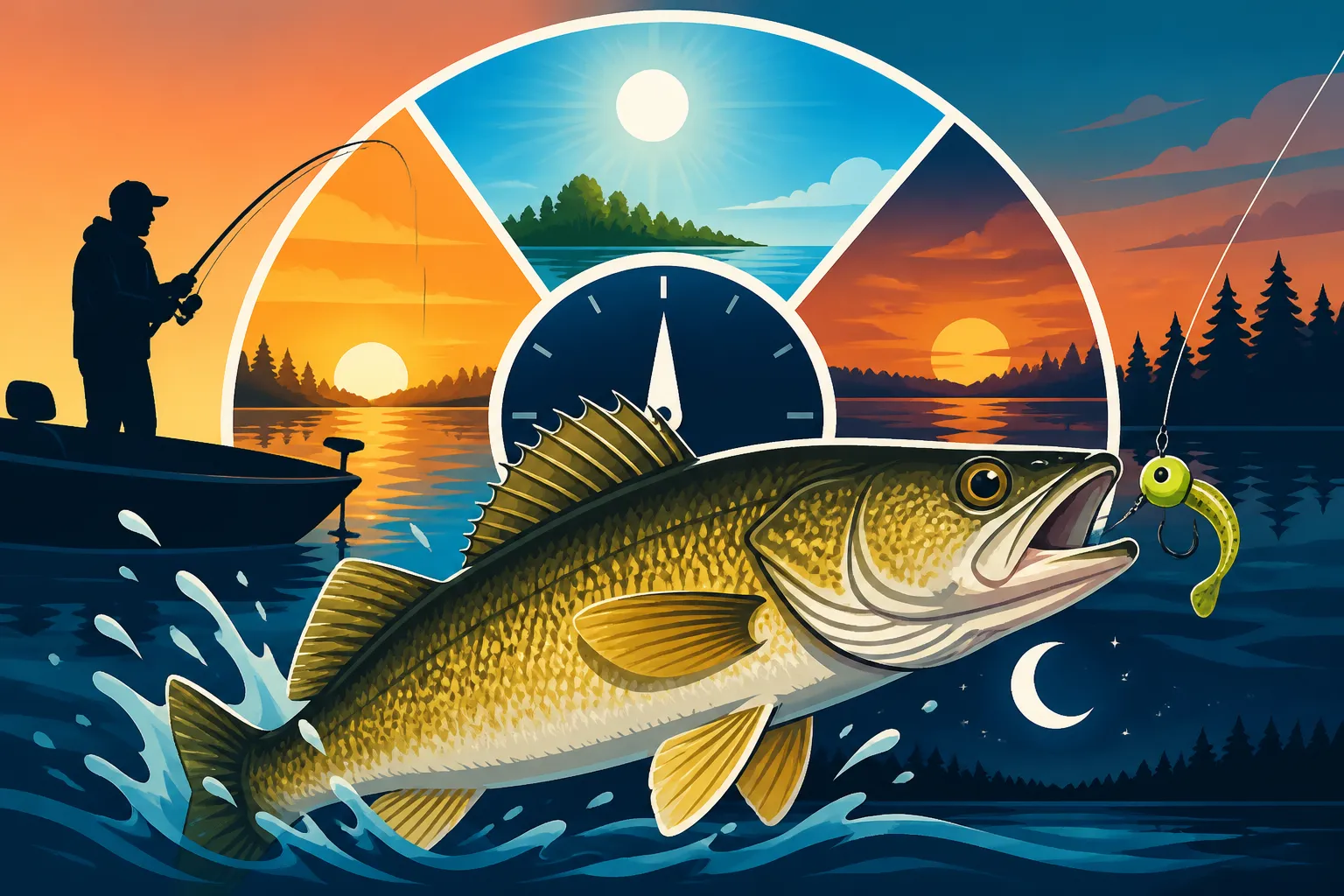
Ah, dawn and dusk – these are the times every serious walleye angler lives for. As the sun begins its ascent or descent, the light conditions become absolutely perfect for walleye. The transition from dark to light, and light to dark, provides that optimal low-light environment where their specialized eyes truly shine.
- Dawn Patrol: Just before sunrise, as the sky begins to lighten, walleye start to move from their deeper holding areas or dense cover into shallower feeding grounds. This bite can be incredibly aggressive and often lasts for an hour or two after the sun has fully risen, especially on overcast days or in lakes with stained water. Many anglers find the sunrise bite to be consistently strong, offering a great chance at a limit before the lake gets busy. This is when you want to have your gear ready, whether you're jigging with a minnow or trolling crankbaits. For more detailed strategies, our "Walleye Fishing Techniques: Complete Minnesota Guide" offers plenty of insights.
- Dusk Delight: As the sun dips below the horizon, the evening bite often mirrors the morning's intensity. Walleye once again capitalize on their low-light advantage, moving onto shallow reefs, points, and weed lines where baitfish are often gathered. This period can extend well into the twilight hours, offering some of the most exciting fishing. The transition from day to night often triggers a feeding frenzy, as walleye instinctively know they have a prime hunting opportunity. It’s a magical time on the water, with the calm evening air and the sound of a biting fish.
Night Fishing: When the Bite Ignites
For many dedicated walleye anglers, the true magic happens after dark. While dawn and dusk are excellent, night fishing can be phenomenal, especially for larger, more elusive fish. Under the cover of darkness, walleye lose much of their caution and become incredibly aggressive, often moving into incredibly shallow water – sometimes less than five feet deep – to ambush unsuspecting baitfish.
- Moonlight and Murk: A full moon can be a game-changer for night fishing, providing just enough ambient light for walleye to hunt effectively without overwhelming their sensitive eyes. However, even on the darkest nights, walleye can feed with incredible efficiency. Stained or darker water lakes also tend to have a better night bite, as the low light conditions are prolonged throughout the day. Techniques like casting shallow-running crankbaits, slip bobbers with live bait, or even slowly dragging a jig-and-minnow along the bottom can be incredibly effective. Our "Night Fishing for Walleye in Minnesota" article is a must-read if you want to master this often-underutilized strategy.
- Safety and Setup: Fishing at night requires extra precautions. Always inform someone of your plans, have proper lighting on your boat (and personal headlamps – you can find great options on Amazon), and ensure all your gear is organized to avoid fumbling in the dark. It’s a commitment, but the rewards—often including trophy-sized walleye—are well worth the effort. Consider bringing extra batteries for your electronics and always wear a life vest.
Daytime Fishing: Strategies for Success
While the low-light periods are undoubtedly prime, that doesn’t mean you should pack it in when the sun is high. Daytime walleye can absolutely be caught, but it requires a different approach and a deeper understanding of where they retreat during bright conditions.
- Deep Water & Structure: During bright daylight, walleye typically seek refuge in deeper, cooler water. This means focusing on deep breaks, main lake points that drop into significant depth, humps, sunken islands, and rock reefs. They might suspend over deep water, especially if schools of cisco or tullibee are present. On Lake of the Woods, for instance, targeting deep mud flats or rocky reefs in 25-35 feet of water can be very productive during midday.
- Heavy Cover & Shade: In shallower lakes or during overcast conditions, walleye might hold in dense weed beds, under docks, or in areas with significant shade. Think thick cabbage beds or large stands of lily pads. Pitching jigs into the edges of these cover areas or slowly trolling crankbaits through deep weed lines can trigger bites. For insights into finding these holding patterns, reading "Where Do Walleye Live in a Lake? (Structure)" can really help.
- Techniques for the Midday Grind: Trolling crankbaits at various depths, using bottom bouncers with crawler harnesses, or employing vertical jigging techniques with heavier jigs and larger minnows are excellent strategies for daylight walleye. Pay close attention to your fish finder; walleye often show up as arcs hugging the bottom or suspended in tight schools near structure. Don't be afraid to experiment with different presentations and retrieve speeds until you find what triggers a bite.
Factors Influencing Walleye Activity Beyond Time
While time of day is a huge piece of the walleye puzzle, it's certainly not the only one. Many other environmental factors play a significant role in how and when walleye decide to feed. Ignoring these can lead to frustrating days, even if you’re fishing during prime hours.
Weather and Water Conditions
Weather patterns and the state of the water can dramatically alter walleye behavior, sometimes overriding the typical dawn/dusk bite.
- Cloud Cover and Rain: Overcast days are a walleye angler's dream. The reduced light penetration often extends the prime feeding windows, making midday fishing much more productive. Similarly, light rain or a drizzly day can also be excellent, as it further dims the light and often stimulates baitfish activity. Just remember your rain gear and keep an eye on radar if fishing from a boat.
- Wind and Waves: A good walleye chop can be fantastic! Moderate to heavy wind creates current and stirs up the water, disorienting baitfish and pushing them against structure. This makes it harder for baitfish to hide and easier for walleye to ambush. Look for the "wind-blown side" of points, reefs, and shorelines. The current can also position walleye in predictable feeding lanes. If you're wondering about specific conditions, our "How to Catch Fish on a Windy Day in Minnesota" guide has great advice.
- Water Clarity and Temperature: Clear water often means walleye are more skittish and light-sensitive, reinforcing the importance of low-light periods. Stained or turbid water, on the other hand, can extend the bite throughout the day because light doesn't penetrate as deeply. Water temperature is also crucial; walleye are cool-water fish, and their activity levels peak in certain temperature ranges, generally in the 60s Fahrenheit. Sudden temperature drops or rises, often due to cold fronts or heat waves, can shut down the bite almost completely.
Seasonal Changes
The calendar isn't just for knowing when to pay your bills; it’s a critical tool for predicting walleye movements and feeding patterns throughout the year in Minnesota. Each season presents unique challenges and opportunities.
- Spring Opener: Right after ice-out and leading up to the walleye opener, fish are often shallow, recovering from the spawn, and looking for easy meals. The post-spawn period sees them active during the day as water temperatures are still cool and light intensity isn't at its peak. Our "Early Season Walleye After the Opener" post covers this in detail.
- Summer Patterns: As summer progresses and water temperatures rise, walleye often move deeper during the day, seeking cooler, more comfortable zones. This is when the night bite really comes into its own, as fish move shallow after dark. You'll find them concentrating on deep structure or suspended over thermoclines.
- Fall Turnover: Fall is a fantastic time for big walleye. As lakes begin to cool, the fall turnover can temporarily disrupt fishing as oxygen levels equalize and baitfish scatter. However, once turnover settles, walleye go on a feeding binge to bulk up for winter, often becoming more active during the day as light levels diminish and water cools. "Fall Walleye Fishing: Turnover & Cold Water" is a great resource here.
- Ice Fishing: Even through the ice, time of day matters. While many anglers spend all day in their ice houses, the low-light periods of dawn and dusk, and often a strong midday surge, are still prime for walleye. The "How to Catch Walleye Through the Ice in Minnesota" article will help you understand these specific seasonal patterns.
To get a full grasp of these shifts, checking out our comprehensive "Seasonal Fishing Patterns in Minnesota" guide is highly recommended.
Lake-Specific Variables
Every lake is a little different, and what works on one body of water might not be the golden rule on another. Understanding these localized variables can be the difference between a full livewell and a silent ride home.
- Water Body Size and Depth: Smaller, shallower lakes might have a more extended daylight bite, especially if they are stained or heavily vegetated. Large, deep lakes like Mille Lacs or Lake of the Woods often see walleye spending more time in deeper, offshore structures, making the transitions to shallower feeding grounds during low light more pronounced. The "Mille Lacs Lake Fishing Regulations Explained" will show how lake-specific rules can also dictate your approach.
- Forage Base: The type and abundance of baitfish can influence when and where walleye feed. If a lake has a strong population of cisco (tullibee), walleye might suspend more often, following these baitfish schools. Lakes with abundant yellow perch might see walleye more consistently tied to bottom structure. Knowing the primary forage in your target lake is invaluable for predicting walleye movements.
- Fishing Pressure: Heavily fished lakes often have more wary walleye. On these waters, the low-light and nighttime bites become even more critical, as fish are less exposed to human activity. Anglers might need to present their baits more subtly or use lighter lines to fool these pressured fish. Sometimes, exploring lesser-known spots or fishing during off-peak hours can yield better results.
Practical Tips for Maximizing Your Time on the Water
Knowing the best times to fish is one thing; putting that knowledge into practice and adapting to conditions is another. Here are some actionable tips to ensure you’re making the most of your time chasing walleye.
Utilizing Technology and Fishing Reports
In today's world, you have an arsenal of tools at your fingertips to help pinpoint the bite windows and locations. Don't be afraid to lean on them!
- Fish Finders and Sonar: Modern fish finders like those from Humminbird, Lowrance, or Garmin are indispensable. Use your sonar to locate baitfish schools, identify submerged structure, and mark individual walleye. Pay attention to how fish are positioned relative to the bottom or suspended in the water column at different times of the day. A good understanding of "How to Find Fish While Ice Fishing" can be easily adapted to open water fishing. This technology isn’t just for finding fish; it helps you understand their daily patterns.
- Fishing Apps and Online Forums: Apps like Fishbrain or Navionics offer real-time fishing reports, depth maps, and even solunar tables (which predict fish activity based on moon phases and tides). While not always 100% accurate, they can provide valuable trends and insights into recent success. Local fishing forums and resort websites often have up-to-date information on what’s biting and when. Always cross-reference multiple sources to get a clearer picture. You can usually download these apps from your phone's app store or purchase premium features.
- Weather Apps and Solunar Tables: Beyond just the hourly forecast, specialized weather apps can give you detailed information on barometric pressure changes, wind speed and direction, and cloud cover – all critical factors for walleye. Solunar tables, which you can easily find online or in some fishing apps, provide an estimate of peak feeding times based on the moon and sun's positions. While not a guarantee, they often align with the natural low-light bite windows.
Adapting Your Tactics
Being flexible with your approach is crucial for consistent walleye success, regardless of the time of day. The fish aren’t always going to play by the rules.
- Experiment with Baits and Lures: Walleye can be finicky. If your go-to presentation isn't working, don't be afraid to switch it up. Change lure colors, sizes, and actions. Experiment with live bait (leeches, minnows, nightcrawlers) versus artificials (jigs, crankbaits, spinner rigs). Sometimes a subtle change, like going from a bright chartreuse jig to a natural green pumpkin, can make all the difference. Our "Best Walleye Lures: Jigs, Cranks & Spinners" article offers a deep dive into popular choices. Don't forget, if you're looking for a wide variety of bait and tackle options, Amazon has an incredible selection to explore.
- Vary Presentation and Depth: How you present your bait is just as important as what you're using. If you're trolling, try different speeds, experiment with lead core line for deeper presentations, or switch to planer boards to cover more water. If you're jigging, vary your retrieve — try aggressive snaps, subtle lifts, or simply dead-sticking. Adjust your depth frequently until you find where the fish are holding, even if it means checking multiple layers of the water column.
- Observe and Learn: Pay close attention to what the fish (and other anglers) are telling you. Are fish showing up on your sonar in a specific depth range? Are other boats catching fish using a particular technique? Even subtle cues, like baitfish flickering on the surface or loons diving repeatedly, can indicate active feeding zones. Keep a fishing log to track successful patterns (time, conditions, bait, location) so you can replicate your success in the future. Becoming a student of the lake is one of the most rewarding aspects of fishing. You might even find that specific "Best Walleye Fishing Tactics in Minnesota" work better during certain hours.
| Time of Day | Typical Walleye Behavior | Recommended Tactics | Optimal Conditions |
|---|---|---|---|
| Pre-Dawn | Moving from deep water to shallower feeding grounds | Jigging, casting shallow crankbaits, slip bobbers | Overcast, light wind |
| Dawn | Actively feeding in shallower to mid-depths | Trolling crankbaits, jigging, bottom bouncers | Cloudy to clear, light to moderate chop |
| Mid-Morning | Retreating to deeper water, structure, or heavy cover | Vertical jigging, deep trolling, slow presentations | Overcast or clear, moderate wind |
| Midday | Holding tight to deep structure, weeds, or shade | Deep jigging, bottom bouncing, slow trolling deep | Clear & sunny, very calm or very windy |
| Late Afternoon | Beginning to stir, staging near feeding areas | Slow trolling, casting jigs to structure, slip bobbers | Overcast to clear, building breeze |
| Dusk | Aggressively moving into shallow feeding areas | Casting shallow crankbaits, slip bobbers, jigging | Overcast to clear, light wind, changing light |
| Night | Highly active in shallow water, roaming | Casting shallow crankbaits, slip bobbers, slow trolling | Dark, new moon or full moon, calm or light chop |
Ultimately, finding the best time of day to catch walleye in Minnesota is a blend of science, experience, and a willingness to adapt. While the dawn and dusk hours are almost always your safest bet for a hot bite, understanding the nuances of walleye behavior, seasonal shifts, and lake-specific conditions will transform your approach. So, set that alarm clock early, pack your gear for a long evening, or embrace the darkness, and get ready to enjoy the thrill of a bending rod.
Disclaimer
Fishing conditions and regulations in Minnesota can change. Always consult the most current Minnesota Department of Natural Resources (DNR) fishing regulations booklet before heading out on the water. This guide is for informational purposes only and does not constitute legal advice.