Best Lakes for Big Northern Pike in Minnesota
Finding truly giant northern pike in Minnesota can feel like chasing a ghost. So many of our lakes are absolutely loaded with "hammer handles" – those smaller, aggressive pike that are a blast to catch but don't quite offer the wall-hanger thrill. If you're tired of sorting through the smaller fish and are dreaming of a northern pike that truly tests your tackle and your grit, you’ve come to the right place. This guide will walk you through the prime waters where genuine trophy pike lurk and the strategies to help you connect with them.
The Lure of Trophy Pike: Why Pursue the Giants?
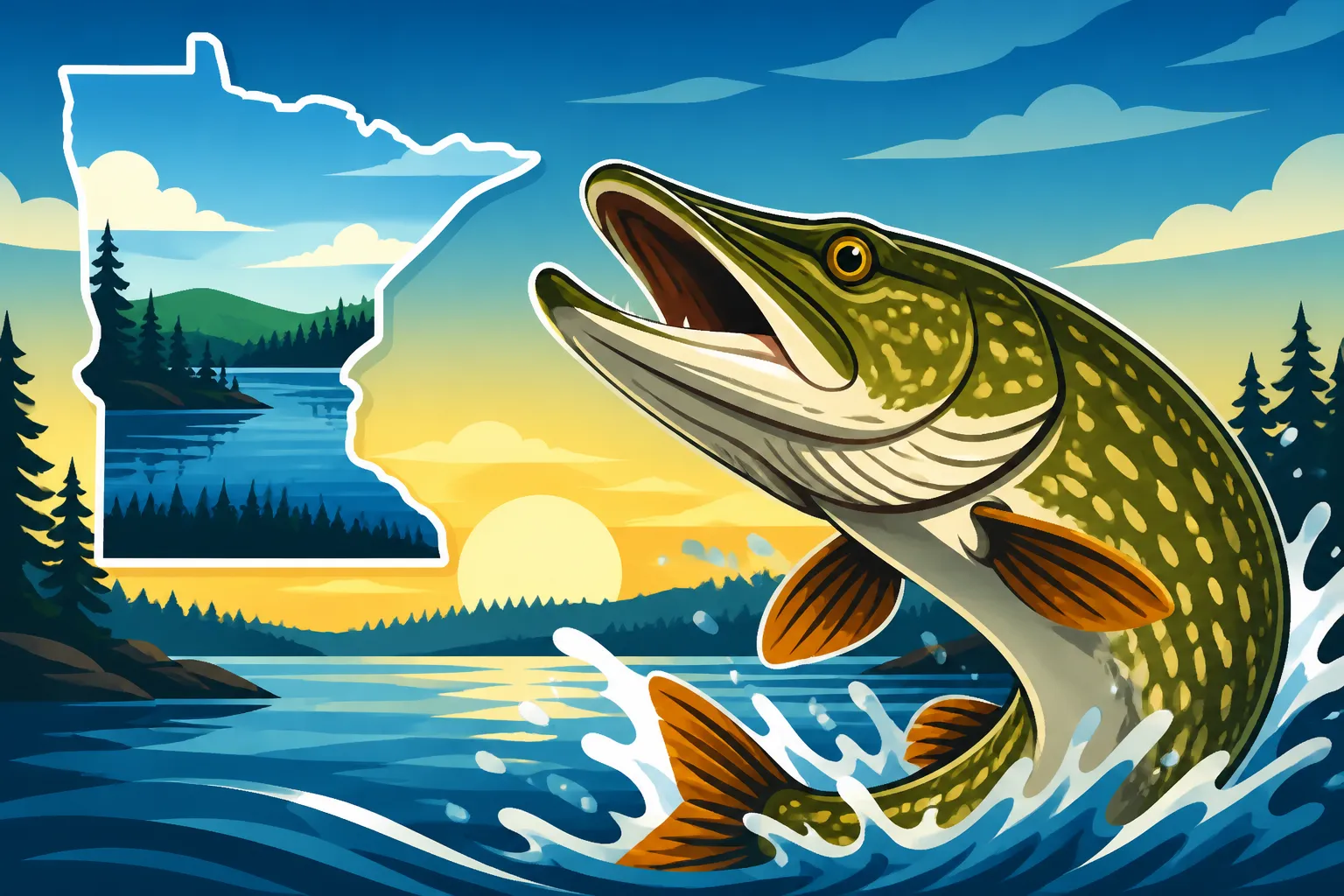
There's something uniquely captivating about a truly massive northern pike. Their sleek, predatory bodies, rows of needle-sharp teeth, and explosive strikes make them one of the most exciting freshwater fish to target. While a 28-inch pike is a respectable fish in many places, when we talk about "big" or "trophy" pike in Minnesota, we're often aiming for those impressive fish in the 35-inch range and beyond, sometimes pushing well over 40 inches. These aren't just bigger fish; they're smarter, older, and demand a different approach. The satisfaction of battling one of these freshwater leviathans and, ideally, releasing it to fight another day, is an experience every angler should chase.
Defining a Trophy Northern Pike
What exactly constitutes a "trophy" northern pike? For many Minnesota anglers, a pike over 35 inches starts to turn heads. Hit the 40-inch mark, and you're in truly special territory. The state record stands at a whopping 45 pounds 12 ounces, caught in Basswood Lake. While few of us will ever encounter a fish of that magnitude, the pursuit of a personal best, especially one that crests the 15-pound mark or stretches beyond the 40-inch tape, is a lifelong obsession for many. These are the fish that require heavy-duty gear, patient strategy, and often a bit of luck.
The Thrill of the Fight
Small pike are fun, no doubt. They hit hard and fight aggressively. But a big pike? That's a whole different ballgame. Imagine a powerful run that strips line off your reel, followed by head shakes that feel like a freight train, and aerial displays that can shake your lure loose in an instant. These fish are pure muscle, and their fights are often prolonged, demanding every ounce of focus and skill you can muster. It's not just about the size; it's about the pure, unadulterated power and fight these larger specimens possess.
Understanding Trophy Pike Habitat and Behavior
To consistently target big northern pike, you need to think like one. Trophy pike aren't just randomly distributed throughout a lake. They have specific needs when it comes to habitat, forage, and environmental conditions. Understanding these factors is key to narrowing down your search to the most productive waters.
Forage and Structure
Giant pike didn't get that way by nibbling on small minnows. They are apex predators that require an abundant supply of large forage fish. This means lakes with healthy populations of cisco (tullibee), whitefish, large suckers, and even sizeable panfish like jumbo perch are prime candidates. Look for lakes where these baitfish thrive.
When it comes to structure, big pike are often found lurking in areas that offer both ambush points and access to deeper, cooler water. This includes:
- Deep weed lines: Especially cabbage beds that extend into deeper water, offering excellent cover and a place to ambush prey.
- Rocky points and reefs: These areas often attract baitfish, and the irregular structure provides ideal hiding spots for pike.
- Drop-offs and transition zones: Where shallow flats suddenly plunge into deeper water, big pike will patrol these edges, waiting for unsuspecting meals.
- Woody cover: Submerged logs, fallen trees, and brush piles offer fantastic ambush cover, particularly in stained or darker waters.
- Mud flats: In large, open lakes like Mille Lacs or Winnie, mud flats that hold schools of tullibee can be magnet for trophy pike.
Water Clarity and Depth
While you can catch pike in a variety of water clarities, some of the very biggest pike often come from clearer, deeper lakes. Clear water allows them to use their exceptional eyesight to hunt, and the presence of deep, cold water offers refuge during warmer months. These lakes often support robust populations of cold-water forage like cisco. However, don't discount stained lakes with good forage, as they can also hold giants. The key is usually depth – big pike need that thermal refuge in summer and a stable environment year-round.
Top Minnesota Lakes for Giant Northern Pike
Minnesota is home to thousands of lakes, and many of them hold northern pike. But only a select few consistently produce the kind of giants that make your heart pound. Here are some of the absolute best lakes in the state for targeting trophy pike.
Lake of the Woods: The King of Pike
When it comes to sheer numbers of big northern pike, Lake of the Woods is tough to beat. Straddling the US-Canada border, this massive body of water offers an incredibly diverse fishery, and its pike population is legendary. The lake's vast size, diverse forage (especially abundant tullibee and perch), and endless structure – from rocky reefs and points to expansive weed beds and bays – create the perfect environment for pike to grow to immense sizes. Both the US and Canadian sides hold giants, but many trophy hunters focus on the numerous large bays and feeder rivers on the Canadian side, particularly in the spring and fall.
Anglers targeting northern pike on Lake of the Woods often employ large spoons, crankbaits, and even oversized soft plastics. During the ice fishing season, big dead bait under tip-ups is a classic and highly effective strategy. Be sure to check the specific regulations, as border waters can have unique rules. If you're planning a trip, our comprehensive guide to the Lake of the Woods Fishing Guide can offer even more insights.
Rainy Lake: Wilderness Pike Haven
Nestled in Voyageurs National Park, Rainy Lake offers a stunning wilderness backdrop for some truly incredible pike fishing. This deep, clear, and complex lake has an abundance of rocky islands, points, and deep-water structure that hold big fish. Like Lake of the Woods, it has excellent forage, allowing pike to grow long and stout. The sheer remoteness and rugged beauty only add to the allure of catching a trophy pike here. Early season and fall fishing are often prime times when big fish move shallower before retreating to deeper haunts in summer.
Look for pike around the numerous islands, rocky shorelines, and main lake points that drop into deep water. Large jerbaits, spinnerbaits, and trolling massive crankbaits are productive methods. Consider staying at one of the lodges that cater to anglers looking for a serious pike adventure. For more on this magnificent body of water, check out our Rainy Lake Fishing Guide.
Leech Lake: Abundant & Aggressive Pike
While perhaps better known for its walleye and muskie, Leech Lake consistently produces some very large northern pike, often as bycatch for muskie anglers. The lake's vast, relatively shallow structure, combined with healthy populations of cisco and perch, means there's plenty of food for pike to get big. The big bays and expansive weed flats are key areas to target.
Leech Lake pike are known for their aggressive nature, often hitting baits intended for other species with surprising ferocity. Large spinnerbaits, spoons, and oversized soft swimbaits worked along the edges of the weed beds and over submerged structure are excellent choices. Many anglers find success fishing the large bays like Walker Bay, Steamboat Bay, and Agency Bay. Our Leech Lake Fishing Guide provides more detail on this diverse fishery.
Lake Vermilion: Scenic Beauty, Big Fish
Lake Vermilion, another gem in northern Minnesota, offers both spectacular scenery and excellent fishing for trophy northern pike. This sprawling, island-studded lake boasts a complex mix of rock, sand, and deep weed beds, providing ideal habitat. The lake is known for healthy populations of large cisco and whitefish, fueling rapid growth rates for its pike. Its deep, clear waters support a diverse ecosystem where big fish thrive.
Focus your efforts around prominent points, humps, and the edges of expansive submerged islands. Trolling large spoons or crankbaits through these areas, or casting big bucktails and soft plastics, can entice a strike from a giant. Patience is a virtue on Vermilion, but the reward can be immense.
Other Notable Pike Waters
While the above lakes are premier destinations, Minnesota has other excellent waters that regularly produce big pike:
- Upper Red Lake: While primarily famous for its walleye, Upper Red Lake has been producing some surprisingly large northern pike in recent years, especially during the ice fishing season. The vast, shallow nature of the lake provides ample habitat and forage.
- Cass Lake: Part of the Cass Lake chain, this lake offers diverse structure and good forage, making it a reliable spot for quality pike.
- Lake Winnibigoshish (Winnie): Another large, shallow, fertile lake with abundant forage, Winnie is known for its walleye but also holds a strong population of chunky northern pike.
- Mille Lacs Lake: While less known for sheer pike numbers, Mille Lacs certainly has the forage base (tullibee) and large predatory fish (muskie, walleye) to grow some absolute giants. Pike are often caught as a bonus while targeting muskie.
Here's a quick comparison of some top trophy pike lakes:
| Lake Name | Region | Key Features | Primary Forage | Best Times to Fish | Notes |
|---|---|---|---|---|---|
| Lake of the Woods | Northwest/Border | Vast, diverse structure, bays, islands | Tullibee, Perch, Suckers | Spring, Fall, Winter | Legendary for size and numbers. Border water rules apply. |
| Rainy Lake | Northeast/BWCA | Deep, clear, wilderness, rocky islands, park access | Cisco, Whitefish | Early Summer, Fall | Incredible scenery, remote feel. |
| Leech Lake | North Central | Large, fertile, expansive weed beds, big bays | Cisco, Perch | Spring, Summer, Fall | Aggressive fish, good numbers. |
| Lake Vermilion | Northeast | Deep, clear, complex structure, many islands | Cisco, Whitefish | Summer, Fall | Picturesque, good chance at a true giant. |
| Upper Red Lake | North Central | Shallow, vast, excellent walleye, growing pike fishery | Walleye, Perch | Winter (ice fishing) | Emerging trophy pike destination. |
Strategies and Gear for Landing Trophy Pike
Chasing big northern pike requires a combination of specific techniques, appropriate gear, and a bit of patience. These aren't your typical hammer handles; they've grown big by being smart and wary.
Effective Techniques and Lures
Targeting bigger pike means upsizing everything. Forget the small spinners and spoons; think big.
- Casting Large Baits: This is often the most exciting way to catch big pike.
- Oversized Spoons: Classic spoons like Dardevles, Len Thompsons, or Johnson Silver Minnows in sizes 4-6 inches are effective. Flashy colors or natural patterns work well.
- Large Spinnerbaits: Heavy-duty spinnerbaits with big blades (Colorado or Willow leaf) create a lot of flash and vibration, drawing strikes from aggressive fish. Sizes from 1 oz up to 2 oz are not uncommon. Brands like Best Gear for Northern Pike Fishing in Minnesota often feature these larger options.
- Swim Baits and Soft Plastics: Large paddle-tail swimbaits (6-10 inches) or soft plastic jerkbaits can be incredibly effective, especially when fished slowly along weed lines or drop-offs.
- Jerkbaits and Glide Baits: These lures, typically 6-8 inches, mimic injured baitfish and can trigger vicious strikes when worked with a stop-and-go retrieve.
- Trolling: Covering water is crucial, especially on large lakes.
- Deep-Diving Crankbaits: Large lipped crankbaits that dive to 10-20 feet or more are excellent for targeting pike holding on deeper structure. Think larger Rapala Deep Husky Jerks or Bagley BangO-Lures.
- Planer Boards: Using planer boards allows you to spread out multiple lines and cover a wider swath of water, especially useful for spooky pike in clear water.
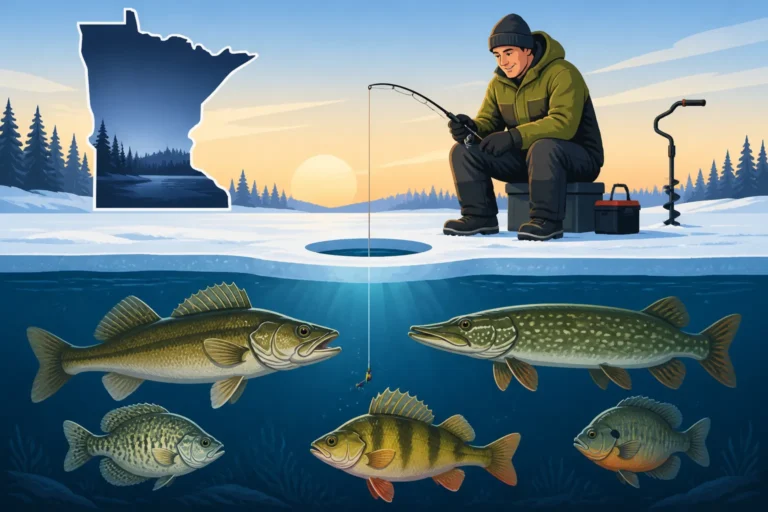
- Dead Bait Under Tip-Ups (Ice Fishing): For winter anglers, this is a time-tested method for big pike. Using large suckers, cisco, or even substantial frozen smelt under a Ice Fishing for Northern Pike Tip-Ups is incredibly effective. The scent and natural presentation of a large dead bait can entice even the most lethargic winter giants. Learn How to Catch Northern Pike Through the Ice in Minnesota.
- Dark House Spearing: For those who prefer a more traditional and active method, Dark House Spearing for Pike How-To is a unique experience. This involves sitting in a dark house over a cut hole and spearing pike that swim into view. It requires skill, patience, and adherence to specific regulations.
Essential Gear for Northern Pike
Your average walleye setup isn't going to cut it for big pike. You need heavier gear to handle their power and sharp teeth.
- Rods and Reels: A medium-heavy to heavy-power casting or spinning rod (7' to 8'6") with a fast action is ideal. Pair it with a stout baitcasting reel capable of handling heavy lines and big baits, or a large spinning reel (4000-6000 size).
- Line: Braided line (30-65 lb test) is a must for its strength, sensitivity, and lack of stretch.
- Leaders: This is non-negotiable. Pike have razor-sharp teeth that will easily sever monofilament or fluorocarbon. Use heavy-duty fluorocarbon leaders (80-100 lb test), steel leaders, or titanium leaders. Make sure your snaps and swivels are also heavy-duty.
- Landing Net or Boga Grip: A large, rubber-coated landing net is crucial for safely landing and releasing big pike. Alternatively, a high-quality Boga Grip or similar lip-gripping tool can be used to control the fish for hook removal and photos. Avoid grabbing them by the gill plate if you intend to release them.
- Long-Nose Pliers or Jaw Spreaders: These tools are absolutely essential for safely removing hooks from a pike's toothy mouth, protecting both you and the fish.
Catch and Release Best Practices
Trophy pike are valuable resources, often taking many years to reach their impressive size. Practicing responsible Catch and Release Best Practices in Minnesota ensures these fish can spawn and contribute to the fishery for future generations.
- Minimize Fight Time: Use appropriate tackle to bring the fish in quickly.
- Handle with Care: Support the fish horizontally, especially large ones. Avoid hanging them vertically by the jaw.
- Quick Hook Removal: Use long-nose pliers or jaw spreaders to remove hooks gently and efficiently. If the hook is deeply swallowed, consider cutting the line as modern hooks will often rust out.
- Revive if Necessary: If the fish seems stressed, hold it gently in the water, facing into the current, until it regains its strength and swims away on its own.
- Consider Barbless Hooks: Crushing the barbs on your hooks can make hook removal faster and less damaging.
Navigating Northern Pike Regulations in Minnesota
Minnesota's northern pike regulations are some of the most complex in the state, designed to manage different populations effectively. Ignoring these rules can lead to significant penalties, so it's critical to understand them before you hit the water. This is particularly important because the goal of managing pike is often to foster larger, healthier fish.
Understanding Pike Zones and Limits
The Minnesota Department of Natural Resources (DNR) categorizes lakes into three main pike management zones: North Central, Northeast, and Southern. Each zone has distinct bag and possession limits, as well as protected slot limits. This structure aims to balance harvesting smaller, more numerous pike in some areas with protecting and growing trophy fish in others.
For example, the North Central Zone often features a liberal bag limit but might have a protected slot, meaning fish within a certain size range must be immediately released. The Northeast Zone might have a lower bag limit and a different slot, focused on quality. The Southern Zone often has a higher bag limit with no slot, encouraging harvest of abundant, smaller pike. It's crucial to consult the most current Minnesota Northern Pike Limits by Zone before each trip, as these regulations can change seasonally or annually based on population assessments. You'll also want to confirm the overall Northern Pike Season & Limit in Minnesota.
Special Regulations on Specific Lakes
Beyond the general zone regulations, some individual lakes have special regulations for northern pike. These "special regulations" are often implemented to address unique population dynamics in those specific bodies of water. For instance, a lake known for producing trophy pike might have an even more restrictive protected slot or a lower bag limit to further encourage the growth of large fish. Conversely, a lake with an overabundance of small pike might have an increased bag limit to encourage harvest and improve the overall size structure. Always check the DNR's fishing regulations booklet for the specific lake you plan to fish. You can often find this information by searching for the lake's name along with "fishing regulations MN DNR." Knowing What Size Northern Pike Can You Keep in Minnesota can sometimes be lake-specific.
Understanding these detailed regulations isn't just about avoiding a ticket; it's about being a responsible angler who contributes to the health and sustainability of Minnesota's world-class pike fishery.
Disclaimer
Please note that fishing regulations, seasons, and limits are subject to change. Always consult the official Minnesota Department of Natural Resources (DNR) fishing regulations booklet or website before heading out on the water. This guide is for informational purposes only and should not be considered a substitute for official regulations.