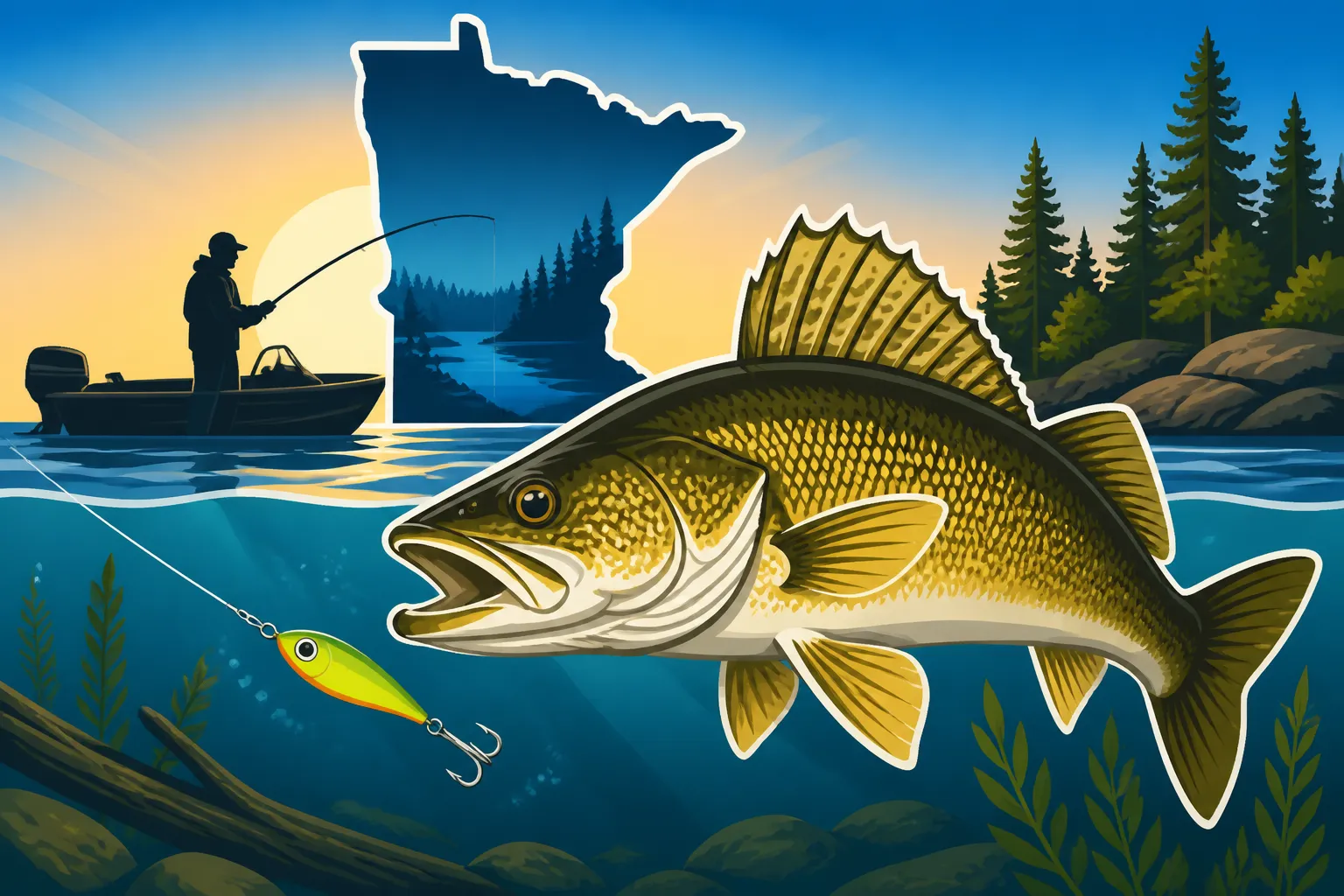
Best Walleye Fishing Tactics in Minnesota
There's nothing quite as frustrating as heading out to your favorite Minnesota lake, expecting to tangle with some hungry walleye, only to come back with an empty livewell and a bruised ego. Walleye are notoriously finicky, and understanding their habits and the best tactics to catch them can feel like cracking a secret code. But don't worry, you're not alone in this struggle! This guide is here to unravel the mysteries of Minnesota walleye fishing, offering practical, seasoned advice to help you put more of these delicious fish in your boat or on the ice.
Understanding Walleye Behavior and Habitat in Minnesota
Before you even think about dropping a line, it's crucial to get inside a walleye's head. These fish aren't just swimming around aimlessly; they have distinct patterns, preferences, and motivations that change throughout the year. Knowing why they are where they are is the first step to catching them consistently.
Seasonal Movements and Patterns
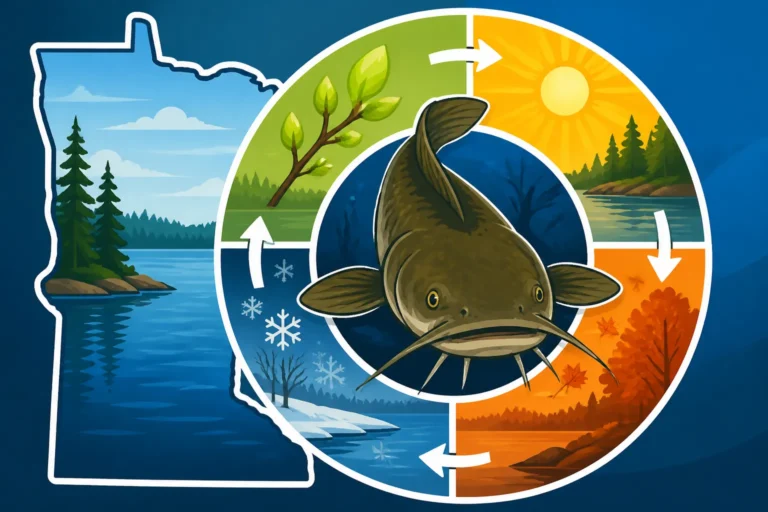
Walleye are creatures of habit, but their habits are deeply tied to the changing seasons, water temperature, and food availability. What works in May won't necessarily work in August.
During the spring, right after the ice melts and the walleye opener kicks off, these fish are often in a post-spawn recovery phase. They've just completed their spawning rituals, typically in shallow, rocky areas, rivers, or along shorelines with current. At this time, they're hungry but can be sluggish. You'll often find them still relatively shallow, in 5 to 15 feet of water, feeding aggressively on minnows and other small baitfish. Think about focusing on those newly greening weed lines, rocky points, and shallow flats adjacent to deeper water. It's a prime time for pitching jigs or using shallow-running crankbaits. For more detailed information, check out our guide on Minnesota Fishing Seasons & Opener Dates (2026).
As summer heats up, walleye will often move deeper to seek cooler water and more stable oxygen levels, particularly in larger lakes. They'll transition to main lake points, humps, deep weed edges, and even offshore mud flats. This is when understanding their forage base becomes critical. If a lake has a strong tullibee or cisco population, walleye will suspend in open water, chasing these baitfish. If perch are abundant, they'll often be tighter to structure. The thermocline, the layer where the warm surface water meets the cooler deep water, can be a major factor, as walleye rarely go below it in lakes with good oxygen above it. This time of year often calls for deeper presentations like bottom bouncers or deep-diving crankbaits.
When autumn arrives, signaling cooler temperatures and shorter days, walleye sense winter approaching and embark on a massive feeding spree. This "fall turnover" period can be tricky, as water temperatures homogenize, making fish spread out. However, once the water settles, walleye will aggressively chase baitfish, often moving to deeper breaklines, rock piles, and points where bait congregates. This can be one of the best times for trophy walleye, as they pack on weight for the lean winter months. Trolling large crankbaits or presenting big minnows can be incredibly effective during this period.
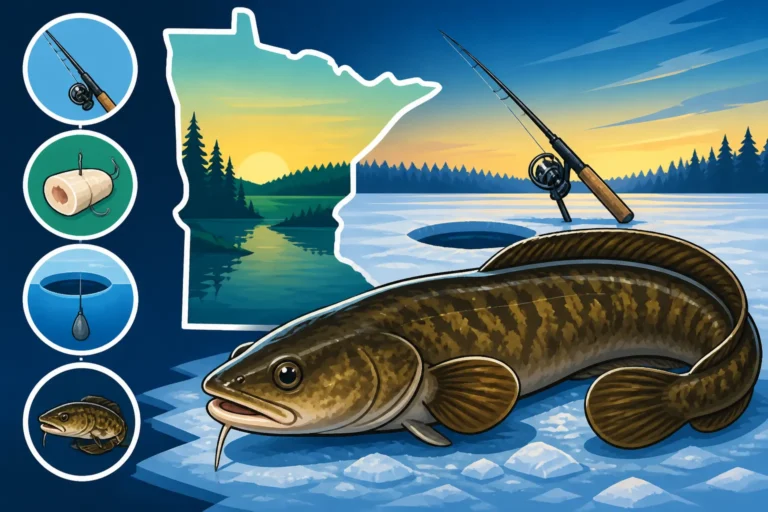
Finally, winter brings ice fishing, a Minnesota staple. Walleye still need to eat, and they follow predictable patterns under the ice. Early ice often sees them shallower, similar to fall. As winter progresses, they might move to deeper humps and main lake structure, often relating to bottom transitions or areas with slightly more current. Late ice, just before spring, can see them returning to shallower pre-spawn staging areas. Knowing these seasonal shifts is fundamental to successful walleye angling, and you can learn more about specific regulations in our article on Walleye Season & Limit in Minnesota.
Key Structures and Forage
Walleye aren't just in the water; they're in specific parts of the water, often relating to structure and their food source. Think of structure as the "neighborhood" and forage as the "grocery store."
Structure: In Minnesota's diverse lakes, "structure" means everything from abrupt depth changes (breaks), submerged islands (humps), points extending into the lake, and distinct weed lines. A walleye's eye is perfectly adapted for low light, which means they prefer areas where they can ambush prey from darker corners or shadowed edges. A breakline, for example, allows them to sit slightly deeper and dart up to catch unsuspecting baitfish moving along the shelf. Humps, especially those with rock or gravel tops, provide excellent ambush points. These areas often attract baitfish, which in turn attract walleye. Understanding Where Do Walleye Live in a Lake? (Structure) is paramount.
Forage: What walleye eat directly influences where they live and how they can be caught. In many Minnesota lakes, yellow perch are a primary food source. Where there are perch, there are often walleye. Other common forage includes shiners, ciscos (tullibees), and various other minnow species. On some larger, deeper lakes, larger baitfish like ciscos will lead walleye to suspend in open water, creating a challenging but rewarding "open water trolling" bite. On smaller, shallower lakes, a lake's primary forage might be crappie or bluegill, influencing where walleye patrol. Observing bait on your electronics or seeing small fish jump at the surface can give you crucial clues about what the walleye are keying in on.
Essential Walleye Fishing Techniques for Minnesota Waters
Once you have a handle on where walleye might be, the next step is presenting your bait or lure effectively. Minnesota anglers have perfected a variety of techniques over generations, each suited to different conditions and preferences.
Live Bait Rigs: The Tried and True Methods
There's something incredibly satisfying about catching a walleye on live bait. The subtle thump, the anticipation, it's a classic for a reason.
Lindy Rigs (or similar slip sinker rigs): This is arguably one of the most iconic walleye presentations, especially in Minnesota. A Lindy Rig consists of a slip sinker, a swivel, a leader, and a hook, often tipped with a lively leech, a shiner minnow, or a nightcrawler. The beauty of this rig is that the line slips freely through the sinker, allowing the walleye to pick up the bait without feeling the weight of the sinker. This is crucial for finicky walleye. You can slowly drag it along the bottom on breaklines, humps, or rock piles. The key is to maintain slow contact with the bottom, feeling for subtle changes in depth or structure. When you feel a bite, drop the rod tip and feed some line, letting the fish really commit before setting the hook. Learning How to Fish a Lindy Rig for Walleye is a rite of passage for many Minnesota anglers.
Slip Bobbers: For shallower walleye, especially those relating to weed edges, sunken timber, or rocky shorelines, a slip bobber rig is hard to beat. This setup allows you to present live bait at a precise depth, suspending a minnow or leech just above the cover where walleye might be lurking. The bobber slides freely on your main line, stopped by a small knot, allowing you to easily cast into shallower areas or over deep structure. It's incredibly versatile for targeting specific spots, especially during calm conditions or when fish are holding tight to cover. Watching that bobber slowly disappear is pure joy. If you're new to this, our guide on How to Use a Slip Bobber for Walleye & Crappie offers excellent starting points.
Bottom Bouncers: When you need to cover water and present live bait or a spinner rig deeper or across flats, the bottom bouncer shines. This rig features a lead weight that "bounces" along the bottom, keeping your bait or lure just off the lakebed. It’s often used while trolling slowly, either with your main motor or a dedicated kicker. Attach a snelled hook with a nightcrawler or a full crawler harness to the bottom bouncer. This technique is especially effective for finding active walleye on expansive flats or gradual breaks in summer. Brands like Northland Tackle and Lindy offer reliable bottom bouncer options that you can often find readily on Amazon.
Artificial Lures: Jigging, Trolling, and Casting
While live bait is king, artificial lures offer their own set of advantages, particularly for aggressive fish, covering water quickly, or when bait is hard to come by.
Jigs and Soft Plastics: Jigging is a fundamental walleye technique, whether from a boat, shore, or through the ice. A simple lead-head jig tipped with a minnow, a piece of crawler, or a soft plastic like a curly tail grub or paddle tail can be incredibly effective. Vertical jigging directly below the boat is great for targeting specific structure, while pitching jigs to shorelines or weed edges can entice bites from shallower fish. Experiment with jig weight, color, and retrieve patterns. Sometimes a sharp snap is what they want; other times, a subtle lift-drop. You can learn more about the basics in our Jigging for Walleye: Jig & Minnow Basics article. Many anglers swear by specific colors, with chartreuse, orange, and white often being top performers in stained water. Look for a wide variety of jig sizes and colors on Amazon.
Crankbaits: Trolling crankbaits is a fantastic way to cover large expanses of water and find active walleye, particularly during summer and fall. These lures mimic baitfish and come in various sizes, shapes, and dive depths. Shallow-running crankbaits are excellent for spring and fall shorelines, while deep-diving models are essential for targeting fish on deep breaks or suspended in open water. Adjusting your trolling speed, lure color, and line type (monofilament, fluorocarbon, or leadcore) can make a huge difference. Popular crankbait brands include Rapala, Berkley, and Salmo. Our guide on Trolling Crankbaits for Walleye: Speed & Depth goes into more detail.
Spinner Rigs: These are often fished in conjunction with bottom bouncers or three-way rigs, providing both flash and vibration to attract walleye. A spinner rig typically consists of a clevis, beads, a spinner blade (Colorado, Indiana, or willowleaf), and a snelled hook, often tipped with a nightcrawler. The spinning blade creates an irresistible action and reflection, drawing fish from a distance. They are particularly deadly when walleye are scattered over flats or along weed edges, as they allow you to cover water efficiently while still presenting natural bait.
| Technique | Best Season(s) | Ideal Depth Range | Cover/Structure Focus | Best Bait/Lure (Common) | Key Advantage |
|---|---|---|---|---|---|
| Lindy Rigging | Spring, Summer, Fall | 10-40+ feet | Rock, Gravel, Humps, Breaks | Leeches, Minnows, Crawlers | Natural presentation, subtle bite detection |
| Slip Bobber | Spring, Summer, Fall | 5-20 feet | Weeds, Timber, Rocky Edges | Minnows, Leeches | Precise depth control, visual bite |
| Bottom Bouncing | Summer, Fall | 15-50+ feet | Flats, Gradual Breaks | Crawler Harness, Minnows | Covers water, maintains bottom contact |
| Jigging | All Seasons | 5-60+ feet | Any Structure, Ice Holes | Jigs (minnow, plastics) | Versatile, active presentation, direct feel |
| Crankbait Trolling | Summer, Fall | 5-40+ feet | Open Water, Breaks, Flats | Deep & Shallow Crankbaits | Covers vast water, targets suspended fish |
| Spinner Rigs | Summer, Fall | 10-30 feet | Weeds, Flats, Mid-depth | Crawler Harness, Minnows | Flash & vibration, covers water |
Adapting Your Approach: Time of Day, Weather, and Lake Specifics
Walleye fishing isn't just about the technique; it's about being a detective, constantly adjusting to the conditions Mother Nature throws at you. The best anglers are those who can read the signs and adapt their game plan.
Low Light and Night Fishing Strategies
Walleye earned their nickname, "The Eye of the Lake," for a reason. Their large, reflective eyes are perfectly designed to gather light, giving them a distinct advantage over their prey in low-light conditions. This means dawn, dusk, and especially night are often prime times for walleye activity.
During the twilight hours, walleye frequently move from deeper holding areas onto shallower feeding flats or shorelines. This is when aggressive presentations can be very effective. Casting shallow-running crankbabaits or pitching jigs into traditional "daytime" spots that are now more accessible to walleye can yield fantastic results. For the true night owls, dedicated Night Fishing for Walleye in Minnesota can be incredibly productive. Walleye will often cruise the absolute shallowest edges of structure under the cover of darkness. Stickbaits, noisy crankbaits, or even simple jig and minnow presentations fished slowly can trigger ferocious bites. Always prioritize safety when fishing at night, ensuring you have proper lighting and know your surroundings.
Weather Impact and Water Conditions
The weather, for better or worse, always plays a role in fishing. Walleye, like many fish, are sensitive to changes in barometric pressure, light penetration, and water clarity.
Wind and Waves: A little chop on the water, often called "walleye chop," can be your best friend. The waves break up the light penetration, making walleye feel more secure in shallower water and more willing to feed. It also creates current and disturbs baitfish, making them easier targets. On a windy day, focus on the windblown side of structure where baitfish are pushed, and the walleye will follow. However, extreme wind can make boat control difficult and fishing unpleasant, so use common sense. Conversely, dead calm, sunny days often push walleye deeper or into the heaviest cover, requiring a more subtle approach.
Fronts: Passing cold fronts are notorious walleye killers. The high-pressure system that moves in after a front can shut down the bite, making fish lethargic and finicky. During these times, slow down your presentation, downsize your bait, and focus on subtle movements. Sometimes, the best strategy is simply to wait it out, or concentrate efforts on deeper, more stable environments where fish might be less affected.
Water Clarity: Minnesota lakes vary wildly in clarity, from gin-clear northern waters to stained, fertile lakes further south. In clear water, walleye rely more on their eyesight, often preferring natural bait colors, lighter lines, and early/late day bites. Stained or turbid water, on the other hand, reduces light penetration, making fish more active throughout the day. In these conditions, brighter colored lures (chartreuse, orange, firetiger) and lures with rattles or thumping actions can be more effective as walleye rely more on their lateral line.
Lake-Specific Considerations
No two lakes are exactly alike, and what's a winning strategy on one body of water might be a bust on another. Local knowledge and adaptability are invaluable.
Mille Lacs Lake vs. Clearwater Lakes: Take Mille Lacs Lake, for instance. It's famous for its vast mud flats and abundant forage. On Mille Lacs, you'll often find walleye roaming these flats, chasing schools of perch or tullibees. Bottom bouncers, spinner rigs, or even aggressive jigging Raps can be highly effective here. Contrast that with a deep, clear water lake in the Brainerd Lakes Area or the Boundary Waters. On these lakes, walleye might be tighter to sharp breaklines, deep rock piles, or suspended over deep water, requiring different tactics like vertical jigging with a minnow or deep trolling with specific crankbaits. Our Mille Lacs Lake Fishing Guide: Walleye, Bass & More delves deeper into its unique characteristics.
Weedy Lakes vs. Rocky Structures: The predominant cover in a lake also dictates your approach. In lakes with extensive weed growth, walleye will often relate to the edges of the weeds, inside turns, or small pockets within the weed beds. Presentations that can be worked through or along the weeds without snagging, like weedless jigs, shallow crankbaits, or slip bobbers, are key. On rocky lakes, focus on boulders, rock piles, ledges, and steep drop-offs. Here, jigs, Lindy Rigs, and even heavy spoons can be effective, allowing you to get down to the fish without fear of snagging in dense vegetation. Always ensure your Best Walleye Rods & Reels are suited to the specific technique and potential snags you might encounter.
Ice Fishing Walleye: A Minnesota Tradition
When the lakes freeze over, the walleye bite doesn't stop; it simply moves beneath the ice. Ice fishing for walleye is a cherished Minnesota tradition, offering a unique challenge and rewarding experience.
Key Ice Fishing Tactics
Ice fishing requires a slightly different mindset and set of techniques compared to open water, but the core principles of understanding walleye behavior still apply.
Jigging Raps, Spoons, and Deadsticking: These are three primary tools for ice fishing walleye. Jigging Raps (or similar swimming lures like the Clam Leech Flutter Spoon) are incredibly effective at mimicking fleeing baitfish. They have a darting action that can call in fish from a distance. Spoons, like the Lindy Rattlin' Flyer Spoon or the VMC Tingler Spoon, offer flash and vibration and can be tipped with a minnow head or wax worm for added appeal. The key with both is aggressive jigging to attract attention, followed by a pause to allow the walleye to strike. Deadsticking involves a secondary rod set up with a simple hook, split shot, and a live minnow, suspended just above the bottom. This passive presentation often entices cautious walleye that might be wary of active jigging. Many anglers use a combination of active jigging and deadsticking, offering two different presentations simultaneously. For a deep dive, check out Ice Fishing for Walleye: Tactics & Setups.
Hole Hopping and Electronics: Unlike open water where you move your boat, ice fishing involves moving yourself and drilling new holes. "Hole hopping" is a highly effective strategy, especially for covering ground on larger flats or searching for scattered fish. Don't be afraid to drill many holes and quickly check each with your electronics. Speaking of electronics, a quality flasher or fish finder is an absolute game-changer for ice fishing walleye. It shows you the depth, your lure, and any fish approaching, allowing you to react in real-time. Brands like Vexilar, Humminbird, and Garmin offer excellent ice fishing units that greatly increase your success rate.
Essential Ice Fishing Gear
Beyond your rod and reel, having the right gear can make your ice fishing experience safer, more comfortable, and more successful.
Flashers and Augers: As mentioned, a flasher like the Vexilar FLX-28 or a Humminbird Ice Helix is invaluable. It helps you find fish, monitor their behavior, and fine-tune your presentation. Next up, a reliable auger is non-negotiable. Whether you prefer the raw power of a gas auger (like a StrikeMaster) or the quiet efficiency of an electric auger (like a Strikemaster Lithium 40V or ION), getting through thick ice quickly and efficiently is paramount. Many top-tier augers are available for purchase on Amazon.
Shelters and Warmth: Minnesota winters are no joke, and staying warm is key to enjoying your time on the ice. A good ice shelter, whether a portable flip-over (Clam, Otter) or a hub-style pop-up (Clam, Eskimo), provides crucial protection from the wind and cold. Pair that with a reliable portable heater (like a Mr. Heater Buddy) and appropriate layered clothing, including quality ice fishing bibs and jackets, and you're set for a comfortable day or night of chasing walleye. Don't forget a pair of insulated, waterproof boots! The right gear makes all the difference when you're spending hours on the ice, waiting for that tell-tale tap. For the uninitiated, we have a complete guide on Best Ice Fishing Gear for Minnesota (2027 Guide).
By understanding walleye behavior, mastering various techniques, and adapting to conditions, you'll significantly increase your chances of success on Minnesota's fantastic walleye waters. Happy fishing!
Disclaimer
The information provided in this guide is for general informational purposes only and is not intended as legal advice regarding fishing regulations. Fishing regulations, seasons, and limits in Minnesota are subject to change. Always consult the most current Minnesota Department of Natural Resources (DNR) Fishing Regulations Handbook or their official website before heading out to fish. Failure to comply with regulations can result in fines and penalties.