Best Seasonal Pattern for Flathead Catfish in Minnesota
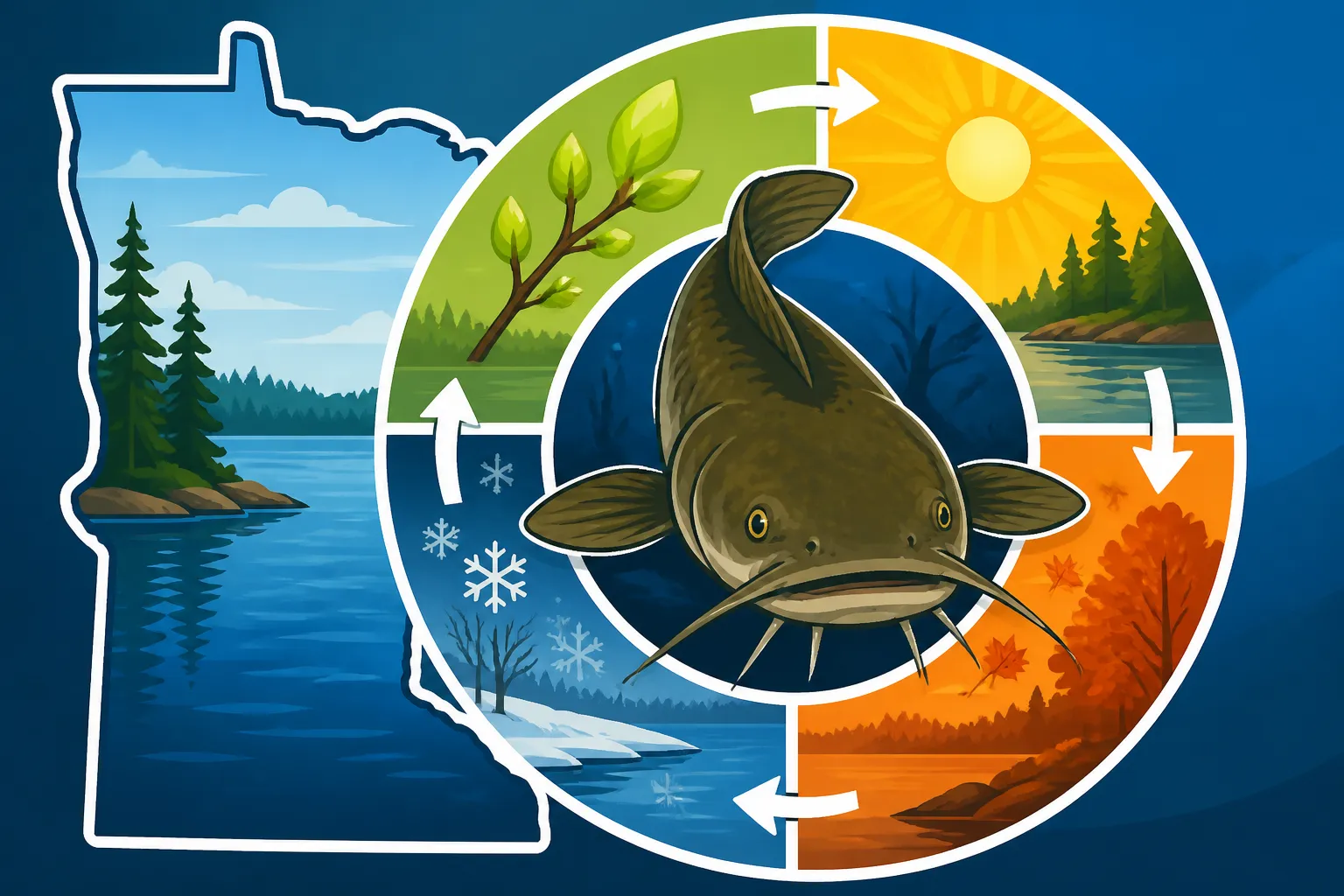
It can be incredibly frustrating trying to track down Minnesota's flathead catfish throughout the year. These powerful river dwellers seem to vanish and reappear with the seasons, making consistent catches a real challenge if you don't understand their annual movements. This comprehensive guide will break down the best seasonal patterns for flathead catfish in Minnesota, helping you decipher their behavior and pinpoint them from spring thaw to late fall.
Understanding the Elusive Flathead Catfish in Minnesota
Flathead catfish are truly magnificent creatures of Minnesota's deeper river systems. Unlike their more common cousin, the channel catfish, flatheads are pure predators, preferring live bait and ambushing their prey rather than scavenging. Their sheer size and incredible fight make them a bucket-list fish for many anglers, but cracking their code requires a deep understanding of their biology and how it interacts with the changing seasons.
Flathead Biology and Behavior
Flatheads, often affectionately called "flatty" or "river monster," are characterized by their broad, flattened heads and a lower jaw that protrudes beyond the upper. They typically have a mottled brown or yellowish-brown color, perfectly camouflaged for the murky, log-strewn environments they call home. These fish are nocturnal hunters, preferring to lie in wait in deep holes, under log jams, or within dense cover during the day, only to emerge at night to actively pursue fish, crayfish, and other aquatic prey. Their diet is a major differentiator; while channel cats will readily eat stink bait or prepared baits, flatheads overwhelmingly prefer fresh, live offerings. This predatory nature dictates much of their seasonal movement, as they follow baitfish and seek out suitable spawning grounds.
Why Seasonal Patterns Matter
Successfully targeting flathead catfish hinges almost entirely on understanding their seasonal patterns. Water temperature is the primary driver for their activity levels, metabolism, and location. In spring, as waters warm, they emerge from dormancy and begin to feed aggressively. Summer sees them settle into specific holding patterns, often becoming nocturnal. Fall triggers a feeding frenzy as they prepare for winter. Without this knowledge, you might be fishing the perfect spot with the perfect bait, but at the wrong time of year or day, leading to endless frustration and an empty stringer. Knowing when they move and where they move to is the secret sauce for consistent flathead success, allowing you to maximize your time on the water.
Spring Strategies: The Post-Spawn Feast (April – June)
Spring is a time of awakening for flatheads, as rising water temperatures signal the end of their winter lethargy. This period can offer some fantastic fishing opportunities, but it's crucial to understand their transition from wintering holes to active feeding and spawning.
Early Spring Movement
As ice recedes and river temperatures start to climb into the upper 40s and low 50s (Fahrenheit) – typically late April to early May in southern Minnesota rivers like the Mississippi – flatheads begin to stir. They'll start to move out of their deep wintering holes, which are often found in the deepest stretches of the river with minimal current. Their initial movements are often dictated by the search for warmth and readily available forage. They might not be incredibly active just yet, but they're definitely on the prowl for an easy meal to replenish energy stores. Think slower currents, protected eddies, and areas adjacent to their deep winter hideouts. Large cut bait or a lively sucker minnow presented slowly can entice a bite from these still-sluggish giants.
Pre-Spawn and Spawning Period
As water temperatures push into the 60s (Fahrenheit), usually late May to mid-June, flatheads enter their pre-spawn phase. This is often a period of increased aggression as they bulk up for spawning. They'll seek out specific types of structure for nesting, typically favoring dark, secluded spots with stable cover such as hollow logs, rock crevices, undercut banks, or even old tire piles. The males prepare and guard the nest, a characteristic that makes them highly territorial. During the actual spawn, which occurs when water temperatures are consistently in the mid-to-upper 70s, their feeding activity can slow down significantly, as their focus shifts entirely to reproduction. This is a time when the bite might be tougher, so it's often best to target them just before or immediately after this intense period. Understanding the nuances of Flathead Catfish Season & Limit in Minnesota can further enhance your springtime success.
Post-Spawn Recovery Bite
Once the spawn is complete, typically late June into early July, flatheads experience a robust post-spawn recovery bite. They are often ravenous, having expended considerable energy during spawning, and will feed aggressively to regain their strength. This is one of the absolute best times to target them. They'll be found in areas with good current breaks, near log jams, rock piles, and deep scour holes where they can ambush passing baitfish. Look for areas with current adjacent to slack water, offering them a perfect ambush point. Large live baits, such as chubs, suckers, or even smaller bullheads, are prime offerings during this period. Setting up just upstream of a major log jam or a deep cut in the riverbank can be incredibly productive.
Summer Tactics: Targeting the Deep and Dark (July – August)
Summer in Minnesota means warm water and flatheads shifting into a more nocturnal pattern. While they can be caught during the day, your best odds often come after the sun dips below the horizon.
Daytime Lair and Nighttime Forays
During the hot summer months, flatheads become intensely reclusive during daylight hours. They'll retreat to their preferred "lairs," which are typically the deepest, darkest, most heavily structured areas of the river or lake. Think dense log jams, underwater root systems, large rock piles, and deep holes with strong overhead cover. These spots provide both sanctuary from the bright sun and an ideal ambush point. As dusk approaches and temperatures begin to cool, flatheads emerge from these lairs and begin their active hunt for food. The period from an hour before sunset until a few hours after sunrise is often the most productive time to target them, especially on clear, warm nights.
Prime Summer Locations
Identifying prime summer flathead locations involves looking for specific habitat characteristics. Deep bends in rivers that feature significant scour holes are fantastic, especially if they have fallen trees or rock formations. Log jams are absolute magnets for flatheads; they offer shelter, current breaks, and prime ambush points. Look for areas where the main current washes against a hard bank, creating deep pockets and eddies. On larger lakes or reservoirs that hold flatheads, focus on the deepest structure, such as old river channels, sunken islands, or significant timber piles. Using a good mapping app (many are available on platforms like Amazon) can help identify these topographical features before you even launch the boat. Knowing How Many Lines Can You Fish in Minnesota? is also important, especially when setting up multiple rods for these stationary targets.
Best Summer Baits and Presentations
When it comes to summer flathead fishing, live bait reigns supreme. Flatheads are opportunistic predators, and a struggling, lively baitfish is irresistible. Large suckers, golden shiners, bullheads (where legal), and even large creek chubs are excellent choices. Hook your live bait through the back, behind the dorsal fin, or through both lips to allow it to swim naturally and present a tempting target. Cut bait from fresh oily fish like carp or drum can also be effective, especially if it's placed strategically near a known flathead haunt. A standard flathead rig involves a heavy-duty circle hook (like a 7/0 or 8/0) snelled to a strong leader (50-80 lb mono or fluorocarbon), a heavy sinker (3-8 oz, depending on current) to hold bottom, and a robust swivel. Present your bait directly into or on the edges of deep cover, or in the current break just downstream of an obstruction, and be prepared for a powerful strike.
Fall Frenzy: Bulking Up for Winter (September – October)
As summer fades and autumn colors emerge, flatheads enter a critical phase: bulking up for the long winter ahead. This period can be incredibly productive, as they feed aggressively before becoming less active.
Increased Feeding Activity
When river and lake temperatures begin to drop into the 60s and 50s (Fahrenheit) – typically September through October – flatheads go into a major feeding binge. Their metabolism is still high enough for active hunting, and they instinctively know winter is approaching, urging them to consume as much as possible. This makes them less finicky and often more willing to venture out during daylight hours, especially on overcast days or during prime low-light periods. They'll actively chase baitfish, and their bites can be incredibly aggressive. This increased activity means you might find success slightly shallower than in mid-summer, especially on river flats or edges of structure where baitfish are congregating.
Fall Location Shifts
As water temperatures continue to cool through September and October, flatheads will gradually begin to shift from their mid-summer ambush points to deeper, more stable holding areas. While they'll still utilize log jams and deep holes, they'll start to consolidate into wintering areas, often the deepest sections of the river. Look for areas with significant depth changes, particularly large scour holes at river bends, deep channels, or expansive mud flats adjacent to deep water. They're still feeding, but their movements become a bit more focused on preparing for the eventual cold. Targeting these deeper transition zones with large live baits can yield some of the biggest fish of the year.
Transition to Wintering Holes
By late October and into November, as water temperatures dip into the low 40s (Fahrenheit), flatheads will be well on their way to their wintering holes. These are typically the deepest parts of the river, often characterized by slow current or even stagnant pools. They will cease active feeding as their metabolism slows dramatically. While it's possible to catch one during this transition, it becomes increasingly difficult. The focus shifts from active hunting to simply surviving the cold months. Understanding this transition is key to knowing when to pack away the heavy flathead gear and perhaps consider targeting other species, or at least adjusting your expectations significantly.
Winter Wonders: The Dormant Period (November – March)
When Minnesota's lakes and rivers freeze over, flathead catfish become notoriously difficult to catch. This is their period of dormancy, and targeting them is rarely a productive endeavor.
Flathead Hibernation
During the bitter Minnesota winter, roughly from November to March, flathead catfish enter a state of semi-hibernation. Their metabolism slows to a crawl, and they seek out the deepest, most stable water they can find, often large, slow-moving holes in rivers or the deepest basins of lakes. They become incredibly sluggish and cease active feeding. They burn very little energy and are simply trying to survive until spring. While they don't truly hibernate in the way a bear does, their activity level is minimal, making them extremely challenging, if not impossible, to target with any consistency.
Accidental Catches and Specialized Methods
Catching a flathead during winter ice fishing is a rare event, often more of an accidental catch while targeting other deep-dwelling species like burbot or lake trout. If they are caught, it's typically through specific, highly localized techniques by anglers who know exactly where a group of flatheads has wintered and are employing very slow, subtle presentations. However, intentionally pursuing flatheads through the ice is generally not recommended as a primary winter fishing strategy in Minnesota. Most anglers turn their attention to species like walleye, crappie, or northern pike, which remain active under the ice. If you are interested in ice fishing, consider reading our guide on Ice Fishing for Walleye: Tactics & Setups for more practical winter angling advice.
Essential Gear for Minnesota Flathead Fishing
Landing a trophy flathead requires stout gear that can handle the raw power these fish possess. Skimping on tackle will lead to heartbreak.
Rods, Reels, and Line
For flathead catfish, think heavy-duty. You'll want a sturdy, fast-action catfish rod, typically 7 to 9 feet in length, rated for heavy power (e.g., medium-heavy to heavy) with a strong backbone. Brands like Ugly Stik or Catfish Pro offer excellent, affordable options. Pair this with a robust baitcasting reel capable of holding a significant amount of heavy line, such as a Penn Squall or an Abu Garcia Ambassadeur 7000. These reels are known for their strong drags and reliable components. For line, a minimum of 50-pound test monofilament is recommended, but many experienced flathead anglers opt for 65-80 pound braided line for its incredible strength and sensitivity, often with a monofilament or fluorocarbon leader to absorb shock.
Baits and Rigging
As discussed, live bait is king for flatheads. Large suckers, chubs, bullheads, and even small panfish (where legal) are preferred. Ensure your live bait is healthy and active. For rigging, circle hooks are essential for flathead fishing, not only for their effectiveness in hooking fish in the corner of the mouth (reducing gut hooks) but also for conservation. Sizes 6/0 to 9/0 are common, depending on your bait size. Heavy no-roll sinkers or pyramid sinkers (3-8 ounces) are crucial to keep your bait anchored in current. A simple slip-sinker rig, where the line runs through the sinker and is tied to a swivel, then a leader to the hook, is standard. This allows the fish to pick up the bait without feeling the weight of the sinker. You can find a wide array of these essential components on Amazon.
Key Minnesota Flathead Rivers and Lakes
While flatheads are present in various waterways, some locations in Minnesota are renowned for their exceptional flathead fisheries.
Mississippi River Hotspots
The Mississippi River is arguably Minnesota's premier flathead destination. From the metro area south to the Iowa border, the river's deep channels, extensive log jams, and diverse structure provide ideal flathead habitat. Specifically, Pool 2 (below the Ford Dam in St. Paul), Pool 4 (Lake Pepin area), and Pool 8 (La Crosse area) are legendary for producing trophy-sized flatheads. These pools offer a mix of slow current, deep holes, and abundant cover. Anglers often focus on the main channel, targeting current breaks behind wing dams, the mouths of tributaries, and beneath massive fallen trees. Consider exploring our guide on Mississippi River Pool Fishing in Minnesota for detailed insights into these productive stretches.
St. Croix River and Minnesota River Opportunities
The St. Croix River, particularly the lower stretches near Stillwater and south to its confluence with the Mississippi, also holds excellent populations of flatheads. It offers similar habitat to the Mississippi, with deep holes, rocky areas, and woody debris. The scenic beauty of the St. Croix makes it a popular choice for many anglers. The Minnesota River, especially its lower sections closer to the Mississippi, also provides good opportunities, though it can be more challenging to navigate due to shallower sections and fluctuating water levels. Focus on the deeper bends and junctions with creeks, which often funnel baitfish and create prime flathead holding spots.
Flathead Catfish Seasonal Fishing Summary
To make it a bit easier to visualize, here's a quick summary of the best times to target these river giants:
| Season | Water Temperature (Fahrenheit) | Primary Activity | Key Locations | Best Baits | Notes |
|---|---|---|---|---|---|
| Spring | 50s – 70s | Post-spawn recovery, pre-spawn | Edges of deep holes, log jams, current breaks | Large live suckers, chubs, cut bait | Variable bite; aggressive post-spawn is prime. |
| Summer | 70s – 80s | Nocturnal hunting, holding in lairs | Deep holes, log jams, undercut banks, river bends | Large live suckers, bullheads, chubs | Best fishing is at night. Target heavy cover. |
| Fall | 60s – 40s | Aggressive feeding (pre-winter) | Deeper holes, transition zones, consolidating spots | Large live baits, fresh cut bait | Excellent fishing as they gorge. Gradual shift to wintering areas. |
| Winter | Below 40s | Dormancy | Deepest, slowest river holes | Very rare accidental catches, not actively targeted | Metabolism is extremely slow; fishing is generally unproductive. |
Remember, while this table provides a general overview, flathead behavior can vary slightly depending on specific river conditions, water levels, and localized baitfish movements. Always pay attention to environmental cues and adapt your approach accordingly. Exploring resources like Best Catfish Fishing Tactics in Minnesota can further refine your approach.
Disclaimer
Fishing regulations, including seasons, limits, and bait restrictions, can change. Always consult the most current Minnesota Department of Natural Resources (DNR) fishing regulations booklet or website before heading out on the water. This guide is for informational purposes only and does not constitute legal advice.