How to Catch Burbot in Minnesota (Step by Step)
Burbot, often affectionately (or sometimes not-so-affectionately) called eelpout by Minnesota anglers, are one of those unique fish that hold a special, albeit often overlooked, place in our state's fishing scene. Many folks don't quite know what to make of them, or how to even go about targeting these bottom-dwelling oddities. If you've ever been curious about catching this intriguing species, especially through the ice, this comprehensive guide will walk you through everything you need to know, from identifying them to landing them on the table.
Understanding Minnesota's Burbot
Before we dive into the nitty-gritty of catching them, let's get a good grasp on what burbot are all about. They might not be the prettiest fish in the lake, but they're incredibly resilient and, for those who know, a surprisingly tasty treat.
Identifying the Eelpout, Minnesota's Cold-Water Oddity
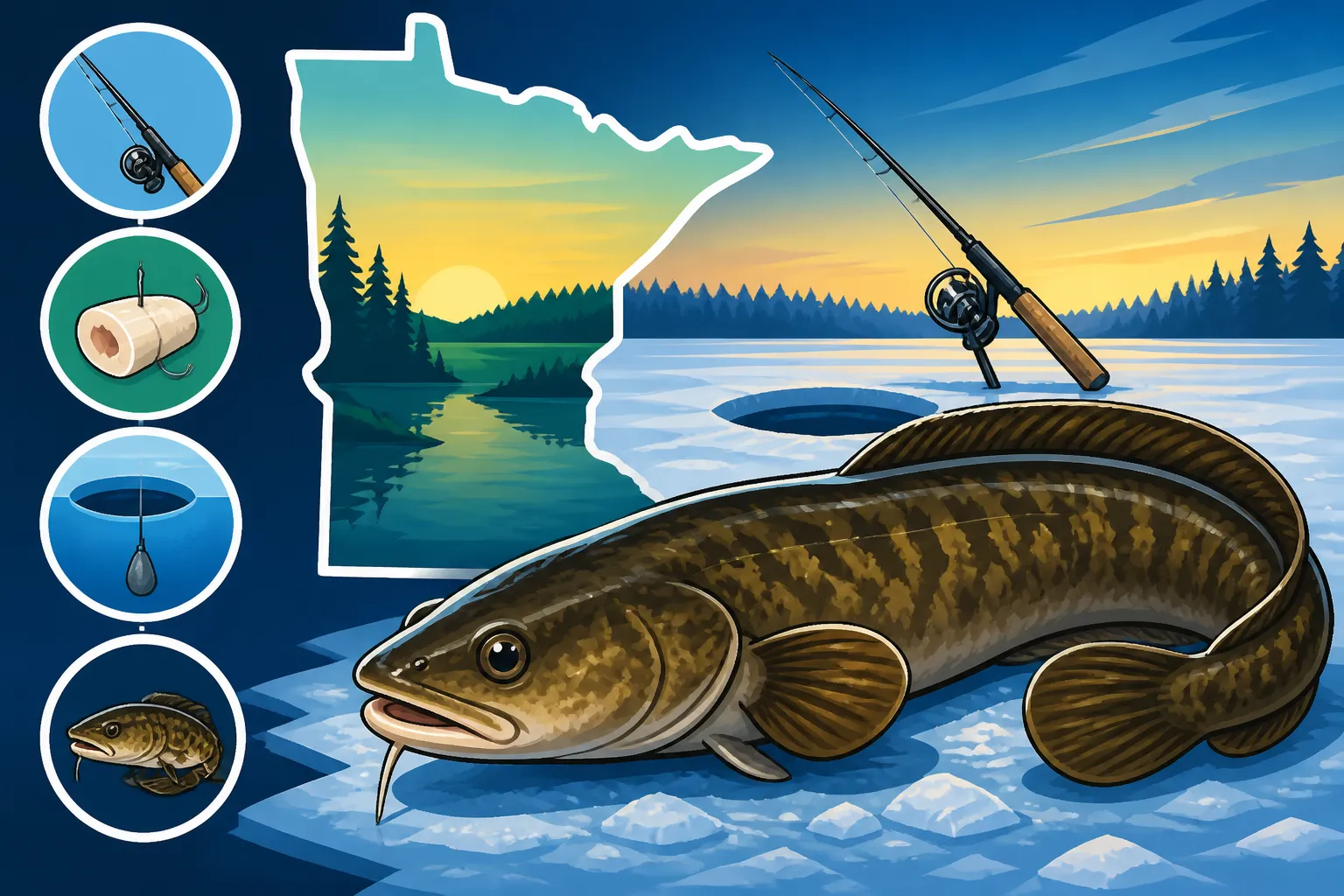
Burbot (scientific name: Lota lota) are truly unique. They're the only freshwater species of the cod family, and you'll know one when you see it. They have this elongated, snake-like body, often mottled brown and yellow-green, which helps them blend in with the lake bottom. Their most distinctive feature is a single barbel, or whisker-like appendage, protruding from their chin, along with two smaller barbels near their nostrils. They also have two distinct dorsal fins and a rounded caudal fin, which is a bit different from your typical walleye or bass.
Anglers have given them a whole slew of nicknames: eelpout, lawyer, ling, cusk, and even the "poor man's lobster." While some of these names might imply they're not a desirable catch, don't let the moniker "eelpout" fool you. Once you get past their appearance, you'll discover a fish with firm, white, flaky meat. In fact, many people specifically target burbot for their excellent culinary qualities, often comparing their taste and texture to lobster when properly prepared. If you want to learn more about this unique fish and why it's considered a delicacy, check out our post on Eelpout (Burbot): Minnesota's Ugly Delicacy.
Where Burbot Thrive in Minnesota Waters
Burbot are cold-water specialists, preferring deep, cool, and well-oxygenated lakes and rivers. They are widespread across Minnesota, particularly in the northern half of the state where larger, deeper bodies of water are abundant. You're not going to find them kicking around in shallow, warm ponds.
When you're looking for burbot, think big, deep lakes. Prime burbot territory includes massive systems like Lake Superior, Lake of the Woods, Leech Lake, Rainy Lake, Lake Vermilion, and even large portions of Lake Superior's deep waters. These are lakes that offer the extensive deepwater habitat and abundant forage that burbot require to thrive. For a detailed look at some of these hotspots, explore our guides on Lake of the Woods Fishing Guide, Leech Lake Fishing Guide, and Lake Vermilion Fishing Guide.
Within these larger lakes, burbot tend to congregate in specific areas. Look for them in:
- Deep Basins: They love the deepest parts of lakes, often far from classic shallow structures.
- Humps and Underwater Islands: Especially humps that rise out of deep water but still offer nearby access to even deeper contours.
- Transitions: Areas where hard-bottomed structure (like rock or gravel) meets soft, mucky bottom can be hotspots, as these transition zones often hold their prey.
- River Channels: In large lake systems with river inflows or outflows, deep river channels can also be excellent places to find them, especially during spawning.
When to Target Burbot for the Best Success
If you're serious about catching burbot, winter is absolutely the prime time, and ice fishing is hands down the most effective method. While they can be caught in open water, their nocturnal and deep-water habits make them much harder to locate and tempt when the ice isn't capping the lakes.
Under the ice, burbot are most active during the coldest months, typically from December through March. Their activity peaks after dark, making night fishing a critical component of successful burbot angling. As the sun dips below the horizon, burbot will often move from the deepest parts of the lake to slightly shallower (but still deep) feeding grounds. This is when they are most aggressive and vulnerable to your offerings. The Pout Festival on Leech Lake in February is a testament to this winter fascination, drawing thousands of anglers to celebrate this unique fish.
Essential Gear and Bait for Burbot Fishing
Catching burbot isn't necessarily complicated, but having the right gear can make a huge difference, especially when you're battling a strong fish in the middle of a cold Minnesota winter night.
Rods, Reels, and Line for Eelpout Encounters
Burbot are surprisingly strong fighters, especially the larger ones. You'll need equipment that can handle a decent brawl and stand up to the cold.
- Rods: Opt for a medium-heavy to heavy action ice fishing rod. Something between 36 and 48 inches long is ideal. These rods provide the backbone needed to set the hook firmly in a burbot's mouth and to winch them up from deep water. Think about rods designed for lake trout or heavier walleye fishing.
- Reels: A good quality spinning reel in a 2500-4000 series size will serve you well. It needs a smooth drag system and durable components to withstand freezing temperatures. A reliable reel is crucial when you hook into a substantial fish.
- Line: Spool your reel with 10-20 pound test monofilament or fluorocarbon line. While braid is strong, it can absorb water and freeze up, becoming a real headache in sub-zero conditions. Monofilament or fluorocarbon offers a good balance of strength, abrasion resistance (important when fishing near rocky bottoms), and manageable performance in the cold. Some anglers might use a braid main line with a 10-15 foot fluorocarbon leader to get the best of both worlds, but ensure your braid is treated to resist ice accumulation.
Lures and Baits: The Irresistible Scent Trail
Burbot are primarily scavengers and opportunistic predators, relying heavily on their sense of smell to find food in dark, deep environments. This means scent and visual attraction are paramount.
- Jigging Spoons: Heavy, glow-in-the-dark jigging spoons are burbot magnets. Think spoons like the Northland Tackle Buck-Shot Rattle Spoon, Rapala Jigging Rap, or Lindy Darter. The weight helps them get down to deep depths quickly, and the glow attracts attention in the dark. Rattle spoons add an auditory element that can also entice strikes. The best size is often 1/4 to 1/2 ounce, but go heavier if you're fishing exceptionally deep or in current.
- Bottom Bouncers/Lindy Rigs: While more commonly associated with walleye, a simple bottom bouncer with a short leader and a hook can be effective, especially if you're setting up a deadstick rod. The key here is presenting natural bait right on or slightly above the bottom.
- Natural Baits: This is where you really seal the deal. Burbot love oily, smelly baits.
- Cut Bait: Chunks of oily fish like cisco, sucker, shiner, or even smaller perch are fantastic. A 1-2 inch piece is usually sufficient. Hook it securely through the skin so it can't be easily pulled off.
- Dead Smelt: These are a legendary burbot bait. The strong scent and oily nature of dead smelt are irresistible. You can often find frozen smelt at bait shops or even larger grocery stores (like through Amazon Fresh if you're in a metro area, though for bait, local is often best).
- Shrimp: Surprisingly effective, particularly larger raw shrimp. The smell and texture seem to drive them wild.
- Scent Additives: Don't underestimate the power of scent. Apply a generous amount of commercial fish attractant, like Pro-Cure or Smelly Jelly, to your lures and baits. Oily scents are preferred.
Ice Fishing Shelter and Electronics for Comfort and Success
Given that burbot fishing is often a nocturnal, deep-water pursuit, comfort and situational awareness are key. For a comprehensive guide on staying warm and effective, check out our Ice Fishing in Minnesota: Complete Beginner-to-Pro Guide.
- Portable Ice Shelters: A hub-style or flip-over portable ice shelter is almost a necessity. It keeps you out of the wind and cold, allowing you to fish comfortably for hours, especially at night. Brands like Clam and Otter offer excellent options.
- Heaters: A portable propane heater (like those from Mr. Heater) is essential for staying warm in your shelter. Always ensure proper ventilation to prevent carbon monoxide buildup.
- Ice Augers: You'll be drilling multiple holes, sometimes through thick ice. A quality ice auger is crucial. While hand augers work, an electric auger (like the StrikeMaster Lithium 40V) or a gas-powered auger will save you a lot of effort. Find out more in our guide on the Best Ice Augers for Minnesota: Electric vs Gas.
- Flashers/Fish Finders: A good flasher (like a Vexilar, Humminbird, or Garmin) will help you pinpoint the bottom, see your lure, and detect fish movements. While burbot often hug the bottom, a flasher helps you understand the depth and verify if fish are investigating your bait.
- Underwater Cameras: An underwater camera, like an Aqua-Vu, can be incredibly insightful for burbot. They allow you to observe how fish react to your bait, what kind of bottom structure you're on, and even help you identify other species.
Step-by-Step Burbot Fishing Techniques
Now that you're geared up, let's talk tactics. Burbot fishing requires a bit of patience and a specific approach, but once you crack the code, it can be incredibly rewarding.
Locating Prime Burbot Territory Under the Ice
Finding the fish is always the first step. For burbot, this means looking in specific deep-water environments.
- Consult Lake Maps: Start with a good lake map (Navionics, LakeMaster, or paper maps). Look for the deepest holes, main lake basins, and prominent humps or underwater points that extend into deep water. Target depths typically range from 30 to 80 feet, sometimes even deeper in very large lakes.
- Drill Strategically: Don't just drill one hole and stay put. Drill a series of holes in a grid or along a contour line in your chosen deep-water area. For example, if you're targeting a deep hump, drill holes at the base, on the slopes, and across the top.
- Search for Transitions: Pay close attention to areas where different bottom types meet. Burbot often cruise these transition zones between rock, gravel, and soft muck or clay bottoms, especially if there's structure nearby.
- Avoid Crowds: Unlike walleye or crappie, burbot aren't typically found in large schools drawing big crowds. You're often better off finding less pressured, deeper water away from the main ice fishing hubs. While they are a communal fish during spawning, you still want to target depths.
Jigging Strategies and Presentation for Eelpout
Once you've found a promising spot, it's all about how you present your bait.
- Heavy Drop: Use a heavy jigging spoon to get your bait down to the bottom quickly. This is important in deep water and helps to stir up sediment, creating a visual cloud that might attract curious burbot.
- Bottom Pounding: Let your lure hit the bottom, then lift it a few inches and let it drop again, repeatedly. This "pounding" motion creates disturbance and scent, signaling to nearby burbot that there's food.
- Subtle Jigging: After a few aggressive pounds, try a slower, more subtle jigging motion. Lift your rod tip a foot or so, then slowly lower it, letting the spoon flutter. Pause for several seconds. Burbot aren't always aggressive and might prefer a more subdued presentation.
- Deadsticking: This is a highly effective tactic, especially with cut bait. Set up a second rod in a rod holder, with your baited hook just resting on the bottom or a few inches above. This rod acts as a "deadstick." Often, burbot will pick up a stationary, scent-laden bait more readily than a jigged one. You can run multiple lines if regulations allow; learn about How Many Lines Can You Use Ice Fishing in Minnesota?.
- Re-Scent Often: Because scent is so important, refresh your cut bait frequently (every 15-30 minutes) or reapply scent attractant to your lures.
The Magic of Night Fishing for Burbot
This cannot be stressed enough: night fishing is where burbot action truly comes alive.
- Prime Time: From dusk until midnight is typically the hottest window, but action can continue throughout the night, especially on moonlit evenings. The lack of light brings burbot out of their deep-water hideouts as they become more confident predators and scavengers.
- Light Up Your Lures: Many anglers use small glow sticks or LED lights attached near their bait to make it even more visible. Recharge glow spoons with a bright flashlight or a UV light every 10-15 minutes.
- Safety First: Night fishing requires extra precautions. Always go with a buddy, inform someone of your plans, and have reliable light sources (headlamps, lanterns). Be extra vigilant about ice conditions. Your Minnesota Ice Fishing & Shelter Rules guide has more on safe practices.
- Patience Pays: Burbot bites can sometimes be subtle, a slight pressure on the line or a gentle thud. Watch your rod tip closely, especially on your deadstick. Don't be too quick to set the hook; let them mouth the bait for a moment.
Handling Your Catch and Regulations
Once you've hooked into a burbot, the adventure isn't over! Knowing how to properly land, handle, and adhere to regulations is crucial for a successful and legal trip.
Safely Landing and Handling Burbot
When you hook a burbot, you'll feel that distinctive strong pull. They don't typically run like a walleye or pike, but rather dog down, pulling with surprising force.
- Clear the Hole: Make sure your ice hole is clear of slush and wide enough (at least 8-10 inches) to comfortably bring up a larger fish without getting stuck.
- Steady Pressure: Maintain steady pressure as you reel them in. Don't pump and reel aggressively, as their soft mouths can sometimes tear.
- The Slimy Factor: Burbot are notoriously slimy. Once you get them to the hole, be prepared. Many anglers prefer to use a towel or a pair of gloves to grip them firmly for removal from the hook. Their skin is smooth, without scales, and very slick.
- Hook Removal: Their mouths are often tough and bony. A good pair of pliers or a hook remover will be invaluable for extracting hooks, especially if they've swallowed the bait.
- Releasing Fish: If you're planning to release a burbot, handle it gently, minimize its time out of water, and release it headfirst back down the hole. While burbot are generally hardy, proper release helps ensure their survival.
Minnesota Burbot Fishing Regulations
It’s absolutely critical to stay informed about current fishing regulations, as they can change from year to year. The Minnesota DNR sets rules to manage fish populations, and burbot are no exception, even if they often have quite liberal limits compared to other species.
- Season: For burbot in Minnesota, the season is typically continuous, meaning you can fish for them year-round. However, always double-check the latest regulations.
- Possession Limits: In most general waters, the daily and possession limit for burbot is quite generous, often 10 fish with no minimum size limit. This allows anglers to harvest a good number for the table.
- Lake-Specific Rules: While the general regulations apply statewide, some specific lakes or border waters might have unique rules. Always consult the current Minnesota Fishing Regulations handbook or the DNR website for the specific body of water you plan to fish. You can often find the most up-to-date information in the Minnesota Fishing Regulations PDF: Where to Find It.
- License Requirements: Remember, you need a valid Minnesota fishing license to fish for burbot, just like any other species (unless you're on a free fishing weekend or exempt).
Preparing Burbot for the Table: The "Poor Man's Lobster"
This is where the burbot truly shines! Despite their appearance, they are incredibly delicious, especially when prepared properly. Their firm, white flesh has a sweet, mild flavor that many compare to lobster or scallops.
- Skinning, Not Scaling: Burbot don't have scales in the traditional sense, so you'll need to skin them. Make a cut around the head, then cut down the back and belly to the tail. Use a pair of pliers to grab the skin near the head and peel it off the body. This might take a little practice, but once you get the hang of it, it's quite simple.
- Filleting: After skinning, fillet the fish just like you would a walleye or other round-bodied fish. You'll end up with nice, thick fillets.
- Cooking Suggestions:
- "Poor Man's Lobster": The most popular method. Cut the fillets into 1-2 inch chunks. Boil them in salted water for a few minutes until they turn opaque and flake easily. Serve hot with melted butter for dipping, just like lobster.
- Frying: They also fry up beautifully. Dip the chunks or fillets in egg wash, then coat with your favorite seasoned breading or shore lunch mix. Fry until golden brown.
- Baking or Grilling: Larger fillets can be baked with butter and lemon, or grilled over medium heat.
Don't let the burbot's unconventional looks deter you. They offer a unique and exciting challenge for ice anglers and a delicious reward for the dinner table. So, next time you're out on the ice, consider targeting these fascinating creatures.
Disclaimer
Please remember that fishing regulations, including seasons, limits, and specific lake rules, are subject to change by the Minnesota Department of Natural Resources. Always consult the most current Minnesota fishing regulations booklet or the official MNDNR website before heading out on the water to ensure you are compliant with all applicable laws. This guide is for informational purposes only and should not be considered a substitute for official regulations.