Bowstring Lake Fishing Report & What’s Biting
Ah, Bowstring Lake. It's one of those beautiful northern Minnesota gems that can be incredibly rewarding, but figuring out what's biting and where can feel like solving a puzzle, especially with conditions changing faster than a northern pike can strike a spoon. You’re looking for a current Bowstring Lake fishing report, something that cuts through the noise and gives you the real scoop, right? Well, you’ve come to the right place. This comprehensive guide is going to break down the latest Bowstring Lake fishing report, give you the lowdown on current species activity, and arm you with the knowledge to make your next trip a success.
Current Conditions and What's Biting on Bowstring Lake
Understanding the Latest Water Conditions
Bowstring Lake, nestled in Itasca County, is a phenomenal fishery, but like any large body of water, its moods can shift dramatically. Right now, as we move through the seasons, water temperatures are playing a massive role. After the ice-out and the initial warming, fish are constantly transitioning from their shallow spawning grounds to deeper summer or fall patterns, or conversely, getting ready for ice fishing in winter. This means understanding thermoclines, available forage, and how recent weather impacts fish behavior is absolutely key. If you're out there, you'll want to pay close attention to the wind-blown points, submerged humps, and varying depths where fish might congregate. A sustained cold front can really put the bite off, sending fish deeper and making them lethargic. Conversely, a few days of warm, stable weather can ignite a feeding frenzy.
Another critical aspect to consider is water clarity, which can vary across Bowstring Lake. It typically has a moderate to high clarity, which can affect lure choice and presentation. If you're fishing bright, sunny days, you might need to scale down your line size or opt for more natural colors to avoid spooking wary fish. On overcast days, or when the water has a bit more chop, brighter colors and more aggressive presentations can often be quite effective. Always check local reports, consult the Minnesota DNR's weekly updates, or even better, ask at a local bait shop like Fred's Bait in Deer River for the most up-to-date conditions before heading out. They're usually a goldmine of information!
Top Species Activity and Target Zones
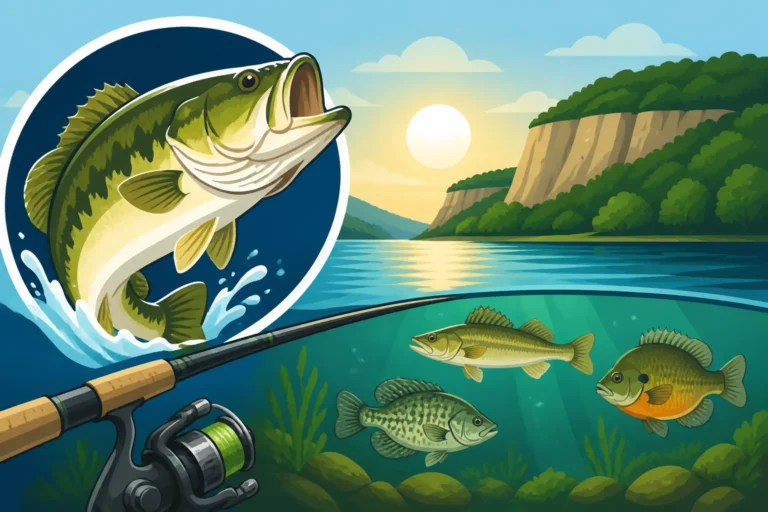
Right now, the major players on Bowstring Lake are definitely walleye, northern pike, and a fantastic variety of panfish, especially crappie and bluegill. Muskie are also present and active for the dedicated angler.
- Walleye: These beloved fish are often found relating to main lake points, breaks, and mid-lake humps. Depths of 15-25 feet are frequently productive, especially during peak feeding windows around dawn and dusk. The key is finding that perfect transition zone where hard bottom meets softer mud, or where baitfish like perch and ciscoes are congregating. They'll move shallower during low light or under specific conditions.
- Northern Pike: These toothy critters are always hungry and aggressive. You’ll frequently find them patrolling weed edges, submerged timber, and the entrances to bays where baitfish are abundant. Don't be surprised to find them shallower than walleye, particularly during warmer parts of the day or when seeking ambush points in dense vegetation. They’re less particular about structure but love cover.
- Panfish (Crappie & Bluegill): Crappie are usually staging in deeper water outside of their spawning bays, often suspended over basin areas or near brush piles and cribs. Bluegill, on the other hand, will be found tighter to cover, in and around dense weed beds, lily pads, and docks, particularly in the northern and southern bays of Bowstring Lake.
- Muskie: For those pursuing the true giants, muskie will be cruising the deeper weed lines, rock reefs, and open water basins, especially areas holding large schools of ciscoes. These formidable predators are a test of patience, but the potential for a trophy-class fish is absolutely real on Bowstring.
Seasonal Fishing Outlook for Bowstring Lake
Understanding the rhythm of the seasons is paramount for successful fishing on any Minnesota lake, and Bowstring is no exception. While many anglers consider specific "hot spots," consistent success often comes from grasping the overall Seasonal Fishing Patterns in Minnesota and adapting your approach.
Spring into Action: Post-Spawn Patterns
Spring on Bowstring Lake kicks off with the excitement of the walleye opener, typically in mid-May. After ice-out, fish are recovering from the rigors of the spawn and are often quite hungry, looking to replenish their energy stores. Early season fishing, generally from May through early June, sees walleye concentrated in shallower areas, especially mud flats and wind-blown shorelines, typically in 6-12 feet of water. This is when a simple jig-and-minnow presentation can be deadly, allowing you to effectively target these post-spawn fish. Northern pike are also very active in spring, often found in shallow, warm bays before the heavy weed growth fully develops. Panfish, particularly crappie, will be moving into the shallowest bays for their spawn, making them incredibly accessible to shore anglers or those in smaller boats. Remember to check the official Minnesota Fishing Seasons & Opener Dates (2026) so you're always fishing within the legal windows and know when each season opens.
Summer's Bounty: Deep Water and Structure Fishing
As Minnesota summers heat up, typically from late June through August, so does the fishing on Bowstring Lake, but the tactics shift considerably. Fish tend to move deeper to find cooler water, more stable oxygen levels, and follow their primary forage. Walleye will relate heavily to mid-lake humps, rock reefs, and deep breaks, often in 20-30 feet of water. Trolling crankbaits at specific depths or using a bottom bouncer with a crawler harness becomes incredibly effective. You might even find success with How to Fish a Lindy Rig for Walleye over these deeper contours, presenting live bait subtly. Northern pike will continue to patrol weed edges and submerged structure, but the biggest ones might be found suspended over deeper basins, chasing ciscoes. Panfish will be found in deeper weed beds, brush piles, and suspended over basin areas, often in 10-20 feet of water, making How to Use a Slip Bobber for Walleye & Crappie a fantastic tactic for crappies that are suspended. Muskie anglers will be throwing large bucktails and topwater baits along dense weed lines and over deep reefs, waiting for that explosive strike.
Fall Feast: Aggressive Bites and Turnover
Fall on Bowstring Lake is a personal favorite for many anglers, myself included, due to the aggressive feeding behavior of nearly all species. As water temperatures begin to drop in September and October, fish become incredibly active, trying to pack on weight before winter. Walleye often move shallower again, especially during low-light conditions, targeting baitfish that are also moving up from deeper water. Casting crankbaits or even large jigs with plastic can be very productive on points and flats in 10-20 feet. Northern pike are in full feeding mode, lurking in expansive weed flats or near rocky shorelines, ready to ambush prey. This is when you can encounter some true giants, as they're at their heaviest. Muskie fishing can be phenomenal in the fall, as these apex predators are at their most active, often cruising shallower rocky areas or open water in search of large meals. Panfish will congregate in predictable patterns, often near deep weed edges or brush piles, preparing for winter. It's a fantastic time to target them before the ice forms.
Winter Wonderland: Ice Fishing Adventures
When Bowstring Lake freezes over, typically from late November or early December through March, a whole new world of fishing opportunities opens up. Ice fishing here is incredibly popular, and for good reason—the lake offers consistent action. Walleye can be found on main lake humps, points, and breaks, often in 18-30 feet of water. Jigging spoons like a Northland Forage Minnow or a Rapala Jigging Rap, tipped with a minnow head, are top producers. Northern pike are often caught on tip-ups set with large shiners or suckers near shallow weed beds or deeper points. Panfish, especially crappie and bluegill, can be found suspended over basins or tight to deep weed edges. Using small tungsten jigs tipped with wax worms or plastics is a go-to for panfish. For those interested in a full breakdown of cold-weather tactics, my guide on Ice Fishing in Minnesota: Complete Beginner-to-Pro Guide goes into immense detail. Remember, the ice house removal deadlines are strict in Minnesota, so always stay informed to avoid penalties.
Targeting Bowstring Lake's Prime Fish Species
Walleye: The Golden Catch
Bowstring Lake is rightly renowned for its walleye fishery. The average size is solid, providing plenty of "eaters," and there's always a good chance at a trophy over 25 inches. As mentioned, their patterns change significantly with the seasons. In spring, focus on shallower, wind-blown areas with jigs and minnows. By summer, transition to deeper structure like humps and breaks, employing bottom bouncers with Best Live Bait for Walleye (Leeches, Minnows, Crawlers) or trolling crankbaits. Fall brings them shallower again, often hitting aggressive jigging presentations or casting crankbaits on the flats. For ice fishing, look to main lake structure and subtle breaks, jigging with spoons or specialized ice baits. Consistency comes from understanding their forage base (perch, ciscoes) and how temperature and light affect their movements. If you're looking for more general walleye tactics, my Walleye Fishing Techniques: Complete Minnesota Guide goes into great detail about different presentations for various conditions.
Northern Pike: Aggressive Predators
Northern pike in Bowstring Lake are abundant and can grow to impressive sizes, offering exciting battles. They are often less finicky than walleye, striking a wide variety of baits with gusto. In spring and early summer, cast spoons, spinnerbaits, or even shallow-running crankbaits along developing weed lines and in shallower bays where they hunt. During the heat of summer, bigger pike might move deeper to find cooler water, but many will still lurk in dense weed beds or under lily pads. Trolling large spoons or crankbaits along deep weed edges can be particularly effective for larger fish. Fall is prime time for truly big pike, as they're feeding heavily in preparation for winter. Large jerkbaits, big spoons, and even muskie-sized baits can draw explosive strikes. For ice fishing, tip-ups rigged with large live minnows (suckers or shiners) in 8-15 feet of water near weed beds are a classic and highly effective approach. Just be prepared for their sharp teeth! For more on these impressive fish, check out Northern Pike in Minnesota: Identification & Where to Catch.
Panfish Perfection: Crappie and Bluegill
Bowstring Lake is also a panfish paradise, offering excellent opportunities for both crappie and bluegill, making it a fantastic lake for family outings or simply enjoying steady action.
- Crappie: These prolific biters are a joy to catch. In spring, look for them in the warmest, shallow bays with emergent vegetation or submerged brush, often around 3-8 feet. A small jig under a slip bobber with a minnow or a tube jig works wonders. In summer, they tend to suspend over deeper basins or relate to brush piles and cribs in 12-25 feet, often following schools of baitfish. My article on Crappie & Panfish Fishing Techniques will give you many ideas for both open water and ice. When ice fishing, crappie are often found suspended in the deepest parts of bays or over main lake basins, sometimes 20-35 feet down. Small tungsten jigs tipped with a Gulp! or Maki plastic are often irresistible.
- Bluegill: Abundant and incredibly fun for anglers of all ages, bluegill are typically found tighter to cover. In spring and summer, they inhabit weed beds, lily pads, and under docks in 4-10 feet of water. A simple worm on a hook under a bobber is often all it takes to find success. Ice fishing for bluegill is fantastic, especially in shallower bays with good weed growth, focusing on depths of 8-15 feet. Tiny teardrop jigs tipped with wax worms or spikes are irresistible and can lead to fast and furious action.
Muskie: The Fish of Ten Thousand Casts (or Less!)
For those seeking the ultimate freshwater challenge, Bowstring Lake boasts a healthy and growing muskie population. While not as heavily publicized as some other muskie lakes, it offers a legitimate chance at a trophy fish over 45 inches. Early season (June) muskie are often found along green weed edges and rocky points, hitting medium-sized bucktails or gliders. As summer progresses, they move to deeper weed lines, major points, and offshore reefs, often chasing the abundant cisco forage. Large bucktails, jerkbaits like a Hellhound, and deep-diving crankbaits are go-to presentations. Fall is when muskie really turn on, feeding heavily in preparation for winter. Big rubber baits, large jerkbaits, and even trolling oversized crankbaits can entice these giants. It's a game of patience and persistence, but a Bowstring Lake muskie is a memory you won't soon forget. You can learn more about tackling these beasts in Muskie Fishing in Minnesota: The Fish of 10,000 Casts. Many anglers, especially those new to muskie fishing or visiting from out of state, find great value in using services like FishingBooker to find a local muskie guide who knows the lake's nuances inside and out.
Essential Tips for a Successful Bowstring Lake Fishing Trip
Gearing Up and Getting Local Insights
Before you even hit the water, having the right gear is crucial for a productive day on Bowstring. For walleye and panfish, a good medium-light to medium action spinning rod and reel combo with 6-8 lb monofilament or fluorocarbon will cover most situations. For northern pike and muskie, you'll need significantly heavier gear – stout baitcasting rods with strong braid (50-80 lb) are essential to handle these powerful fish and their sharp teeth. Don't forget a sturdy landing net and long-nose pliers or jaw spreaders for safe handling and hook removal from toothy critters.
Beyond the tackle, local knowledge is pure gold. Always make a stop at a local bait shop (like Fred's Bait or similar spots in Deer River or Grand Rapids) to get the most current Bowstring Lake fishing report. They can tell you what depths fish are being caught at, what baits are currently hot, and any recent regulation changes specific to the lake. If you're traveling from afar, or just want to maximize your time on the water, consider booking a trip through a reputable platform like FishingBooker to ensure you're going out with a licensed and experienced guide who can put you on fish and share invaluable lake-specific tips. This can significantly shorten your learning curve on a new body of water.
Navigating Bowstring Lake: Structure and Access
Bowstring Lake is a substantial body of water, covering roughly 9,000 acres, so understanding its key topographical features will save you a lot of time and fuel. It's known for its extensive sand and mud flats, numerous points, and a good number of islands and submerged humps and reefs. The deeper water primarily lies in the central and eastern portions of the lake, with shallower, often weed-choked bays scattered around the perimeter. A good lake map (like those from Navionics or LakeMaster, often compatible with modern fish finders) is indispensable for identifying these key structures and planning your attack. Pay close attention to contour lines, noting steep drop-offs where fish often stage or feed. Public access points are available, including a popular DNR launch on the southeast side of the lake, offering convenient entry for boats of various sizes. Just make sure your boat is compliant with all Aquatic Invasive Species (AIS) Rules for Boaters before launching and retrieving to help protect this fantastic fishery.
Respecting the Resource and Regulations
Fishing on Bowstring Lake is a privilege, and respecting the resource ensures it remains excellent for generations to come. Always be mindful of Minnesota's fishing regulations, including Minnesota Fishing Limits: Bag & Possession (2026) for different species. Size limits and possession limits are carefully put in place by the Minnesota DNR to manage fish populations and ensure sustainability, and it's our collective responsibility as anglers to adhere to them strictly. Catch and release practices, especially for larger breeding fish, help maintain a healthy fishery for the future. If you're ever unsure about any specific rule or regulation, the Minnesota DNR website (www.dnr.state.mn.us) is your best friend, offering comprehensive and up-to-date information. A responsible angler is a successful angler in the long run.
Here's a quick reference table for general expectations on Bowstring Lake:
| Species | Current Typical Location (Season Dependent) | Effective Tactics (General) | Go-To Baits/Lures |
|---|---|---|---|
| Walleye | Main lake points, breaks, mid-lake humps (15-30 ft) | Jigging, Bottom Bouncers, Trolling Crankbaits | Minnows, Leeches, Crawlers, Jigging Raps, Shad Raps |
| Northern Pike | Weed edges, submerged timber, bay entrances (8-20 ft) | Casting, Trolling, Tip-ups (Ice) | Spoons, Spinnerbaits, Large Minnows, Jerkbaits |
| Crappie | Deeper weed edges, brush piles, suspended over basins (10-25 ft) | Slip Bobbers, Small Jigs (vertical), Trolling tiny cranks | Minnows, Crappie Tubes, Paddle Tails, Wax Worms |
| Bluegill | Shallow weed beds, lily pads, docks (4-12 ft) | Bobber Fishing, Small Jigs (vertical) | Worms, Spikes, Wax Worms, Panfish Plastics |
| Muskie | Deep weed lines, rocky reefs, open water basins (10-25 ft) | Casting large baits, Trolling | Bucktails, Jerkbaits, Large Crankbaits, Rubber |
Disclaimer
Fishing conditions and regulations can change rapidly. While this guide provides comprehensive information, always consult the most current Minnesota Department of Natural Resources (DNR) regulations and local resources before heading out on the water. Stay safe and fish responsibly.