Lake Minnetonka Fishing: Metro Trophy Water
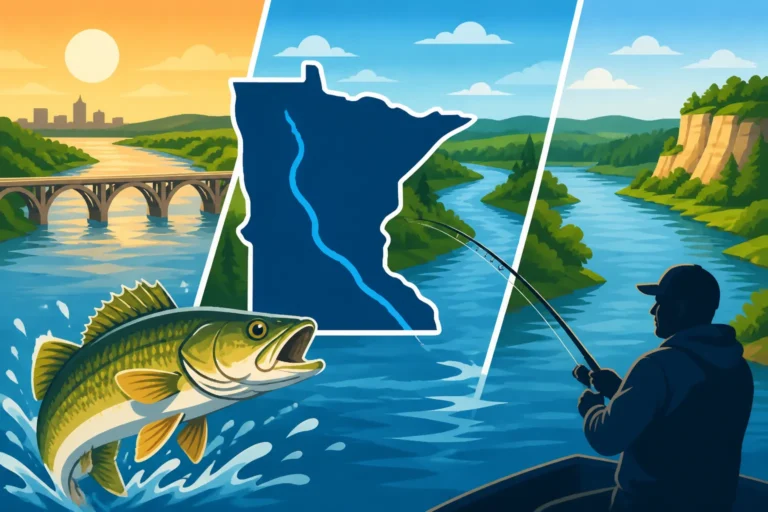
Finding truly productive, diverse fishing waters close to a major metropolitan area can feel like an impossible task. Often, anglers assume they have to drive hours north to find anything worth casting for, but that's simply not true, especially if you live in or around the Twin Cities. This guide will take a deep dive into Lake Minnetonka, often called the "Metro Trophy Water," showing you exactly why it lives up to that name and how you can unlock its incredible fishing potential, right on your doorstep.
The Allure of Lake Minnetonka: More Than Just a Pretty Face
Lake Minnetonka isn't just a sprawling, picturesque lake dotted with million-dollar homes; it's a dynamic, complex ecosystem teeming with fish. Its sheer size and intricate structure provide diverse habitats, making it a truly exceptional fishery just a stone's throw from Minneapolis and St. Paul. It's easy to dismiss a heavily populated lake, but Minnetonka defies expectations, consistently producing quality fish across multiple species.
A Complex Fishery for Every Angler
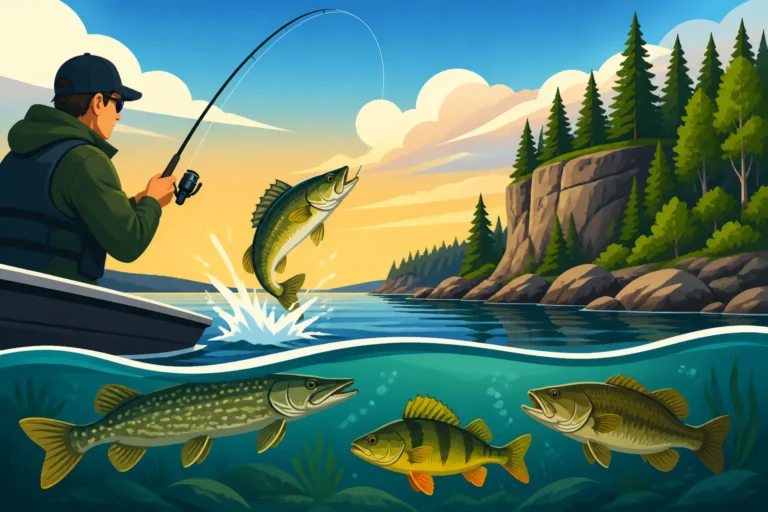
What makes Minnetonka so special is its incredible variety. You've got everything from shallow, weedy bays to deep, clear main lake basins, each holding different species and offering unique challenges and rewards. This isn't a one-trick pony lake; whether you prefer chasing elusive predators or filling a bucket with panfish, Minnetonka has a spot for you. Its intricate network of bays, points, and islands creates an endless maze of fish-holding structure that keeps even seasoned anglers exploring and discovering new honey holes.
Unlike smaller, less diverse lakes, Minnetonka's expansive nature means it can absorb a lot of fishing pressure without significantly impacting the quality of the fishing. Plus, the sheer amount of forage — from shiners and ciscoes to young-of-the-year panfish — keeps the predators fat and happy, ready to ambush your bait.
The "Trophy Water" Reputation Explained
Lake Minnetonka has earned its "trophy water" moniker for a reason. While it might not hold the state record for every species, it consistently churns out genuinely impressive catches across the board. We're talking about walleye pushing well into the upper 20-inch range, stout largemouth and smallmouth bass that feel like footballs on the end of your line, and northern pike that can be absolute monsters. Crappie and sunfish grow to sizes that make them worth bragging about, too.
This isn't a place where you might catch a big one; it's a place where you genuinely have a good chance to, given the right approach and a bit of persistence. The Minnesota Department of Natural Resources (DNR) actively manages the lake, stocking walleye and monitoring populations, which helps maintain the high quality of the fishery. Many local fishing guides on platforms like FishingBooker specifically highlight Minnetonka for its trophy potential, drawing anglers from all over to experience it.
Key Fish Species You'll Encounter
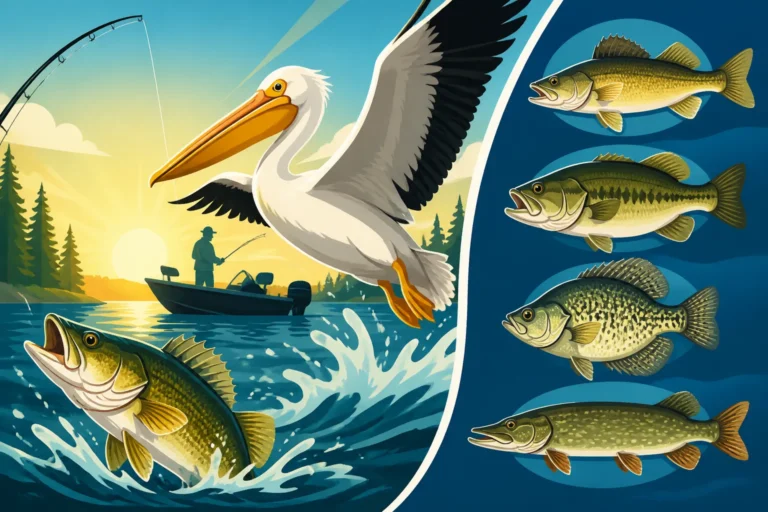
Lake Minnetonka is a multi-species angler's dream. No matter what your preference, you're likely to find your target species here in abundance, often reaching impressive sizes. Understanding what's available and where they tend to hang out is the first step to a successful day on the water.
Walleye: The Golden Catch of the Metro
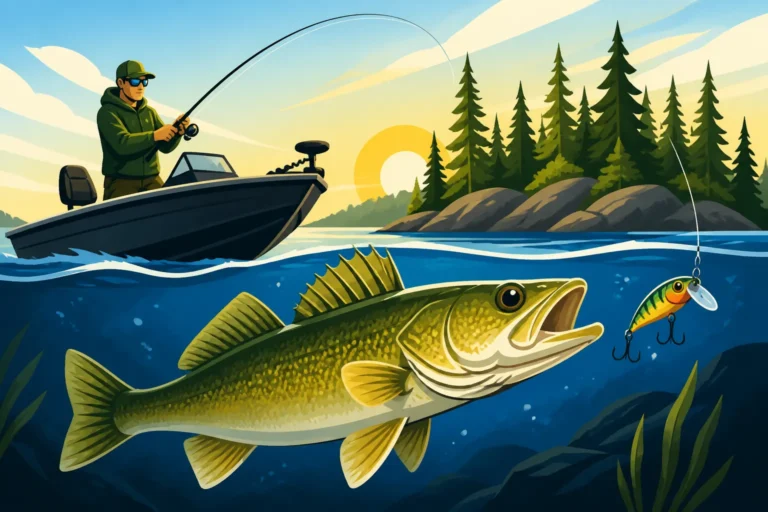
Ah, walleye. Minnesota's state fish and often the primary target for many anglers on Minnetonka. While it might not be as famous for its walleye as some northern giants like Mille Lacs or Lake of the Woods, Minnetonka holds a healthy population of respectable walleye, with plenty of fish in the 18-24 inch range and bigger fish caught regularly. They're often found relating to deeper main lake structure, breaks, and points, especially during the day.
At night or in low-light conditions, they'll push up onto shallower flats and along weed edges to feed. The challenge on Minnetonka walleye is often finding them in such a large, complex system. They can be nomadic, moving with baitfish schools, but once you dial into their patterns, the rewards are excellent. For a broader perspective, check out our guide on Walleye Fishing in Minnesota: Complete Guide.
Bass: Smallmouth and Largemouth Powerhouses
If you're a bass angler, Minnetonka is an absolute must-fish. Both smallmouth and largemouth bass thrive here, growing big and fighting hard.
Largemouth Bass: Weedy Ambushes
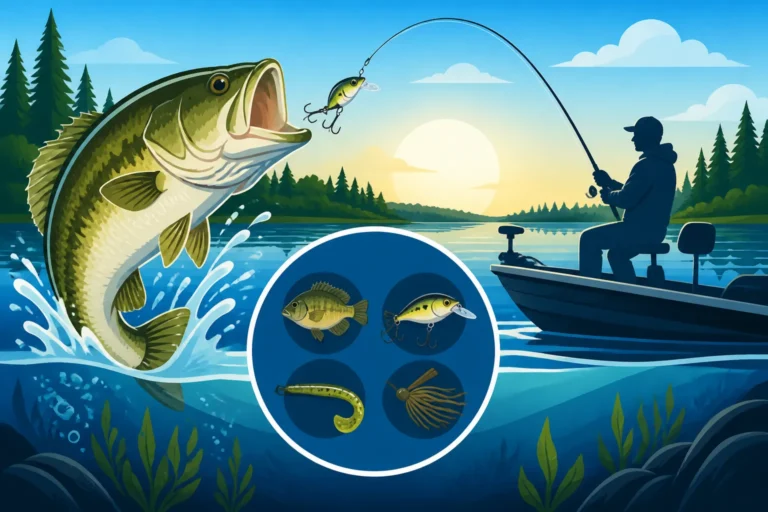
Largemouth bass are abundant in Minnetonka's countless bays, weed lines, and shallow, cover-rich areas. Think lily pads, dense coontail beds, docks, and submerged timber. They're aggressive eaters and offer fantastic topwater action in the mornings and evenings during warmer months. Flipping jigs, pitching plastics, and working spinnerbaits through the thick stuff are all highly effective tactics. Minnetonka largemouth are known for their healthy girth and explosive strikes, often reaching sizes well over 4 pounds.
Smallmouth Bass: Rock & Reel Fighters
The smallmouth bass fishery on Minnetonka is arguably world-class. These bronzebacks prefer cleaner, rockier bottom transitions, main lake points, and deeper humps. They're incredible fighters, known for their acrobatic jumps and powerful runs. Drop-shot rigs, tube jigs, and small crankbaits are go-to presentations for these feisty fish. You'll find plenty of smallmouth in the 3-5 pound range, with larger specimens not uncommon, especially in the clear water sections of the lake. For more on these species, refer to our Smallmouth & Largemouth Bass in Minnesota article.
Panfish: Crappie, Sunfish, and Perch for All Ages
Minnetonka truly shines when it comes to panfish, making it an excellent destination for families and those looking for consistent action.
Crappie: Slabs from the Depths
Both black and white crappie flourish in Minnetonka, often growing to impressive "slab" sizes. In spring and fall, they can be found schooling in shallower bays, especially around emergent vegetation and docks. During summer and winter, they often suspend over deeper basins or relate to submerged brush piles and cribs. A simple slip bobber setup with a minnow or a small jig can lead to a cooler full of delicious crappie. Many anglers specifically target Minnetonka for its crappie, and for good reason—they're plentiful and often big. Our Crappie & Panfish Fishing Techniques guide offers more insights.
Sunfish & Bluegill: Consistent Fun
Bluegill and other sunfish species are everywhere in Minnetonka, providing endless entertainment, especially for younger anglers or those just looking for a relaxing day of catching. They relate to docks, lily pads, and shallow weed edges throughout the open water season. During winter, they can be found in shallower basins and weed pockets. They respond well to small jigs tipped with wax worms or a piece of corn. You'll find plenty of good eating-sized sunfish, with occasional "plate-sized" specimens that will surprise you.
Northern Pike: The Lake's Apex Predator
Northern pike are abundant in Lake Minnetonka, from small "hammer handles" to genuine trophy-class fish pushing into the high 30-inch and even 40-inch range. They are ambush predators and are often found lurking along weed lines, especially in the shallower bays and channels. Trolling large crankbaits, casting big spoons or spinnerbaits, or even using a live sucker minnow under a bobber can entice these toothy critters. Be prepared with steel leaders, as their sharp teeth will make short work of standard monofilament or fluorocarbon. For more details on identification, see Northern Pike in Minnesota: Identification & Where to Catch.
Best Fishing Techniques for Minnetonka's Waters
The diverse nature of Lake Minnetonka means that a wide array of fishing techniques can be highly effective, depending on your target species and the time of year. Being adaptable is key to consistent success here.
Mastering Trolling and Drifting for Walleye
For walleye anglers, especially on the larger, deeper sections of Minnetonka, trolling and drifting are often the most productive methods. These techniques allow you to cover vast amounts of water and present your bait to active fish.
Crankbait Trolling: Covering Water and Depths
Trolling crankbaits is a go-to tactic for Minnetonka walleye, especially during summer and fall. Using trolling motors like a Minn Kota Terrova or Ultrex with GPS features allows for precise speed control over key structure. Divers like planer boards or lead core line can help you present baits at specific depths. Popular crankbaits include Rapala Shad Raps, Berkley Flicker Shads, or Salmo Hornets, often in natural baitfish patterns or bright, attracting colors. Experiment with speed; sometimes a subtle change can trigger a bite.
Identifying key trolling runs over main lake points, humps, and extended breaks is crucial. Pay attention to your electronics; if you see schools of baitfish or arches on the bottom, you're likely in a productive zone. This is a great way to locate active fish before slowing down and targeting them more precisely.
Lindy Rigs and Bottom Bouncers: Live Bait Presentations
When walleye are relating tightly to the bottom or are less aggressive, drifting live bait with a Lindy Rig or a bottom bouncer and spinner harness can be deadly. Leeches, nightcrawlers, and minnows are all excellent choices. For a Lindy Rig, a snell length of 6-8 feet is common, allowing the bait to waft naturally behind the weight. With bottom bouncers, a 2-3 foot spinner harness with a colored blade and beads can add attraction.
Target areas like rock piles, the edges of weed beds, or along deep breaks where walleye are likely to be foraging. Keep your boat speed slow, just enough to keep your bait ticking along the bottom. This approach is fantastic for picking off stubborn fish that might ignore faster-moving artificials. Many charter captains on FishingBooker utilize these classic live bait methods on Minnetonka.
Jigging and Pitching: Targeting Bass and Panfish
For bass and panfish, more precise techniques like jigging and pitching shine, allowing you to work specific pieces of cover or structure effectively.
Flipping and Pitching for Largemouth
In Minnetonka's numerous weedy bays, canals, and around docks, flipping and pitching jigs or soft plastics is incredibly effective for largemouth bass. Use heavy-action rods and braided line to punch through dense cover. Creature baits, senkos, and swim jigs are all excellent choices. The key is to present your bait quietly and accurately into small pockets within the weeds or right up against dock pilings.
Give the bait a few shakes, let it fall, and then retrieve for another pitch. Don't be afraid to fish slowly and thoroughly, as a big Minnetonka largemouth might be tucked deep into cover waiting for an easy meal. This is active, engaging fishing that can result in some explosive bites.
Drop-Shotting and Tubes for Smallmouth
When targeting Minnetonka's smallmouth bass, especially those relating to deeper rocky structure or clear water areas, drop-shot rigs and tube jigs are invaluable. A drop-shot allows you to present a soft plastic bait tantalizingly off the bottom, directly in the fish's strike zone, without the weight interfering with the bait's action. Small, natural-colored worms or minnow imitations work wonders.
Tube jigs, often fished with a slow drag or subtle hop along rocky bottoms, perfectly imitate crayfish, a primary forage for smallmouth. Use lighter lines (6-10 lb fluorocarbon or monofilament) for better sensitivity and a more natural presentation. These techniques require patience and a good feel for the bottom, but they are incredibly rewarding when you hook into a feisty Minnetonka smallmouth. You can learn more about How to Fish a Drop-Shot for Walleye which principles apply to smallmouth too.
Seasonal Fishing Patterns on Lake Minnetonka
Minnetonka truly offers year-round fishing opportunities, but understanding how fish behavior changes with the seasons is critical for consistent success. Each season presents unique challenges and rewards.
Spring: Post-Spawn Feasts and Shallow Water Action
Spring on Lake Minnetonka is a period of transition, marked by warming water and post-spawn activity.
Early Season Walleye and Pike
After ice-out, as water temperatures slowly climb into the 40s and 50s Fahrenheit, walleye begin to recover from their spawn. They'll often be found in shallower bays and along points adjacent to spawning grounds, looking for easy meals. Jigging with a minnow or slowly trolling shallow-running crankbaits can be very effective. This is also a prime time for northern pike, which are often active in the same shallow, warmer water areas, gorging themselves after their own spawn. They're typically quite aggressive, making them a fun target.
The spring bite can be fast and furious, but also fleeting, as fish transition to their summer patterns. Watch for that magic 50-degree water temp mark; it's often a trigger for increased activity. This is also when you'll often hear about the Early Season Walleye After the Opener bite on many Minnesota lakes.
Panfish and Bass Moving Shallow
As spring progresses into late May and early June, crappie and sunfish move into extremely shallow water for their spawn. Look for them in protected bays with emergent vegetation, reeds, or around docks. Small jigs under a bobber with a piece of a crappie minnow or a wax worm are deadly. Largemouth bass also become more active in the shallows, often around the same structure, as they prepare for their spawn. Topwater baits and spinnerbaits can be exciting in the warmer parts of the day.
Smallmouth bass will start to show up on rocky points and shallow flats as water temperatures get into the low 60s, feeding heavily before their spawn. Pay attention to the water temperature, as it’s the primary driver of fish movement in the spring.
Summer: Deep Water Transitions and Night Fishing
Summer brings warmer water, and with it, fish often move deeper to find cooler temperatures and stable forage.
Walleye on Deep Structure
During the dog days of summer, Minnetonka walleye generally transition to deeper main lake humps, points, and extended breaks. They'll often relate to the thermocline if one sets up, or school tightly on deep structure. Trolling crankbaits or live bait rigs (Lindy Rigs or bottom bouncers) on these deeper spots during the day can be productive. Night fishing for walleye can also be exceptional, as they move up onto shallower flats and weed edges to feed under the cover of darkness. This can be a great time for Night Fishing for Walleye in Minnesota.
Look for areas where ciscoes or shiners are schooling, as walleye will often follow their primary forage. Modern electronics, including side imaging and 2D sonar, become invaluable for finding these deep schools of bait and predators.
Bass in Weeds and Along Drop-offs
Largemouth bass will often be found deeper in the weed beds, relating to inside and outside weed edges, or suspended under docks and shaded cover. Jigging worms, Texas-rigged plastics, and deep-diving crankbaits work well. Smallmouth bass will be on their favorite rocky humps and points, but often deeper than in spring. Drop-shotting, Ned rigs, and deep-diving crankbaits are highly effective for these fish. Target transitions where rock meets sand or where weeds drop off into deeper water.
The summer bite can be a grind during midday, but early mornings and late evenings often offer excellent action, especially for topwater bass.
Fall: The Pre-Winter Feeding Frenzy
Fall is often considered one of the best times to fish Minnetonka, as fish aggressively feed to put on weight for winter.
Aggressive Walleye and Pike
As water temperatures cool, walleye become very active, feeding heavily on shiners and ciscoes. They'll often be found on main lake structure, but also moving shallower onto flats and points as the water cools, especially on cloudy days or in the evenings. Trolling crankbaits, jigging with minnows, or using shiner-tipped slip bobbers can be incredibly effective. Northern pike are also in a major feeding mode, and this is prime time to target trophy fish with large spoons, crankbaits, or muskie-sized baits. They're often found along remaining green weed lines.
The fall bite can be some of the most consistent and exciting fishing of the year, with fish often schooling up and actively chasing bait. Don't be surprised if you catch multiple species on the same presentation.
Bass and Panfish Schooling Up
Largemouth bass will often move to deeper weed lines and adjacent break lines, schooling up before winter. Jerkbaits, crankbaits, and blade baits can trigger aggressive strikes. Smallmouth bass will also congregate on rocky structure, sometimes in very deep water, and can be caught with vertical jigging presentations or drop shots. Panfish will also start to school up in deeper basins and around submerged brush piles, making them easier to locate with a fish finder. Jigging with small plastics or live bait is the ticket here.
Fall offers a fantastic opportunity to fill the freezer with panfish or target truly large bass and walleye before the ice sets in.
Winter: Ice Fishing Excitement
Lake Minnetonka becomes a vibrant ice fishing destination once it freezes over, offering fantastic hardwater opportunities.
Walleye and Crappie on the Ice
Walleye on Minnetonka during winter can be found on deep humps, points, and along the edges of basins. Early ice often sees them active in shallower water, while mid-winter usually pushes them deeper. Jigging spoons like a Northland Forage Minnow or a Rapala Jigging Rap, tipped with a minnow head or a full minnow, are classic presentations. Crappie will often suspend in deeper basins or relate to brush piles, responding well to small tungsten jigs tipped with wax worms or plastics.
Using a good flasher like a Vexilar or Humminbird Ice Helix is essential for identifying fish and your presentation in the water column. Setting up multiple lines, often with one deadsticked with a minnow, can increase your odds. For safety, always check ice conditions. Our guide on Ice Fishing in Minnesota: Complete Beginner-to-Pro Guide offers essential tips.
Panfish and Pike Under the Ice
Sunfish and bluegill provide consistent action throughout the winter, often found in shallower basins or along the remaining green weed edges. Small jigs and wax worms are hard to beat. Northern pike are also readily caught through the ice, often with tip-ups baited with large sucker minnows set along weed lines or shallow points. The winter season on Minnetonka can be incredibly rewarding, offering a peaceful and productive way to enjoy the lake. Just make sure you understand Minnesota Ice Fishing & Shelter Rules before heading out.
Key Fishing Spots and Structure
Lake Minnetonka is massive, spanning over 14,000 acres with numerous distinct bays, channels, and main lake areas. Understanding its geography is vital to finding the fish.
Navigating the Bays and Channels
Minnetonka's numerous bays are like mini-lakes themselves, each with unique characteristics and holding different fish populations. For example, Smithtown Bay and Wayzata Bay offer deeper water and excellent walleye potential, while areas like Excelsior Bay and Gray's Bay have more shallow weed cover, making them largemouth bass and panfish havens. The channels connecting these bays are often bottlenecks for baitfish and can be prime ambush points for predators.
Familiarize yourself with a good lake map (Navionics or LakeMaster are excellent choices) to identify points, inside turns, and depth transitions within each bay. These maps will also show you public access points. Many local guides on FishingBooker specialize in specific areas of the lake and can provide invaluable local knowledge.
Main Lake Structure: Humps, Reefs, and Breaks
The main lake portions of Minnetonka, such as those near Big Island or near the center of Lower Lake, offer extensive deeper water structure. Humps and reefs that rise from deep water, as well as sharp break lines, are magnets for walleye and smallmouth bass. These areas often feature rocky bottoms or sparse deep weed growth.
Using your electronics to pinpoint these structures and the fish holding on them is crucial. A quality fish finder can show you depth, contours, and individual fish or schools of bait. Once you locate a promising piece of structure, work it thoroughly with your preferred technique. The key is to find the "spot on the spot," whether it's a specific rock pile on a large hump or a small depression along a break.
Docks, Piers, and Artificial Cover
Given the extensive shoreline development on Minnetonka, docks and piers become significant fish-holding structures, especially for bass and panfish. These provide shade, cover, and ambush points. Pitching jigs, plastics, or small crankbaits parallel to dock lines or skipping them under boat lifts can be highly effective.
Additionally, local groups and the DNR sometimes deploy artificial fish structures like brush piles or cribs. While their exact locations might not always be public knowledge, these can be found with diligent use of side imaging sonar and often hold concentrations of crappie and other panfish.
Accessing Lake Minnetonka and Local Resources
Getting onto Lake Minnetonka and making the most of your trip is easier than you might think, thanks to numerous public access points and a robust local fishing community.
Public Boat Launches and Ramps
Minnetonka has several public boat launches scattered around its vast shoreline, making it accessible for boaters. Some popular ramps include those in Wayzata, Spring Park, and Excelsior. Be aware that during peak summer weekends, these ramps can get very busy, so arriving early is often a good strategy.
It's also crucial to remember and follow Aquatic Invasive Species (AIS) Rules for Boaters. Minnesota takes AIS seriously, and inspecting, cleaning, and draining your boat before and after launching on Minnetonka is not just a recommendation, it's the law. Violations can carry steep penalties, so always be diligent to protect this incredible fishery. You can find detailed information on Public Boat Launches & Access in Minnesota through the DNR website.
Guide Services and Fishing Reports
For those new to Minnetonka or looking to fast-track their learning curve, hiring a local fishing guide is an excellent investment. Guides possess intimate knowledge of the lake, current fish patterns, and the most effective techniques. Websites like FishingBooker offer a wide selection of experienced Minnetonka fishing guides who can tailor a trip to your target species and skill level. They often provide all the necessary gear, allowing you to simply show up and fish.
Additionally, keeping an eye on local fishing reports can provide valuable insights into what's biting, where, and on what. Many local bait shops in towns like Wayzata, Excelsior, and Mound are excellent resources for up-to-date information, and some even post online reports. Check out the Lake Minnetonka Fishing Report & What's Biting for current conditions.
Bait Shops and Gear Essentials
Before hitting the water, a visit to a local bait shop is a must. Stores like Wayzata Bait & Tackle or Frankies Live Bait & Marine are hubs for local knowledge, live bait (minnows, leeches, worms), and terminal tackle tailored to Minnetonka's fishing. They can advise you on the hot bite, current water conditions, and any special regulations for the lake.
For general fishing, ensure you have a variety of lures suitable for multiple species: jigs, crankbaits, soft plastics, and spinnerbaits. If targeting northern pike, bring steel leaders. A good selection of hooks, weights, and line is always essential. Having a quality landing net, especially for larger bass and pike, is also a good idea. Consider checking out Best Fishing Gear for Beginners in Minnesota (By Budget) if you're just starting out.
Respecting the Resource: Catch and Release and Regulations
Lake Minnetonka is an invaluable resource, and responsible angling practices are crucial to maintaining its health and trophy status for future generations.
Understanding and Following Regulations
Before you even make your first cast, always ensure you have a current Minnesota Fishing License: Cost, Types & How to Buy (2026). Minnetonka, like all Minnesota waters, has specific regulations regarding fishing seasons, length limits, and possession limits for various species. These regulations can change, so always consult the most current Minnesota Fishing Regulations handbook or the DNR website. For instance, walleye regulations on Minnetonka are part of the statewide general regulations unless a special regulation is specified for the lake.
Knowing the Minnesota Fishing Limits: Bag & Possession (2026) for each species you plan to target is not just good practice, it's legally required. Ignorance of the law is not an excuse, and game wardens do patrol Lake Minnetonka.
Practicing Catch and Release Effectively
Given Minnetonka's status as a trophy water, many anglers choose to practice catch and release, especially for larger fish. This helps sustain the populations and allows those big fish to spawn and continue growing. If you plan to release fish, handle them with care. Minimize their time out of the water, use wet hands when handling, and support their body weight.
Consider using circle hooks when live bait fishing, as they often result in hooks set in the corner of the mouth, reducing gut hooking. Keep a pair of pliers or a hook remover handy for quick and safe unhooking. For bigger fish like northern pike, a jaw spreader can be helpful to safely remove hooks. Read up on Catch and Release Best Practices in Minnesota to ensure you're giving released fish the best chance of survival.
Remember, fishing on Lake Minnetonka is a privilege. By being informed, responsible, and respectful of the resource, we can all contribute to keeping it the incredible metro trophy water that it is.
| Species | Primary Habitat (Open Water) | Common Depth Range (Feet) | Best Lures/Baits | Seasonal Peak |
|---|---|---|---|---|
| Walleye | Deep humps, points, breaks | 15-35 (day), 5-15 (night) | Crankbaits, jigs, live minnows | Spring, Fall, Winter |
| Largemouth Bass | Weeds, docks, shallow cover | 3-15 | Jigs, plastics, spinnerbaits | Spring, Summer |
| Smallmouth Bass | Rocky points, humps, clear water | 10-30 | Drop-shot, tube jigs, crankbaits | Spring, Summer, Fall |
| Crappie | Weed lines, brush piles, open basins | 8-25 (suspend) | Small jigs, minnows, plastics | Spring, Fall, Winter |
| Sunfish/Bluegill | Docks, lily pads, shallow weeds | 2-12 | Worms, small jigs, wax worms | Summer |
| Northern Pike | Weed edges, shallow bays | 5-20 | Spoons, large crankbaits, suckers | Spring, Fall, Winter |
Disclaimer
The information provided in this guide is for general informational purposes only and is subject to change. Fishing regulations, seasons, and limits are set by the Minnesota Department of Natural Resources (DNR) and can be updated annually. Always consult the official Minnesota Fishing Regulations handbook or the DNR website for the most current and accurate information before heading out on the water. Following all applicable laws and safety guidelines is the responsibility of the angler.