Gull Lake Fishing Report & What’s Biting
There’s nothing quite like the excitement of planning a fishing trip to a legendary lake, but let's be honest, arriving without a clue what's biting or where to even start can be incredibly frustrating. Gull Lake, with its sprawling waters and diverse structure in the heart of the Brainerd Lakes Area, is a true Minnesota gem, but its sheer size can feel overwhelming. This comprehensive guide is here to cut through that confusion, giving you the real scoop on what to expect, what fish are active, and where to focus your efforts to make your next Gull Lake adventure a success.
Understanding Gull Lake's Fishery: The Lay of the Land
Gull Lake is a beast, plain and simple. It's one of Minnesota's most popular and iconic lakes, known for its picturesque beauty, recreational opportunities, and, of course, its fantastic fishing. But with over 10,000 acres of water, dozens of islands, reefs, humps, and intricate shoreline breaks, it can be incredibly intimidating for newcomers or even seasoned anglers who haven't spent much time on its waters. The lake’s varied depths, ranging from shallow bays to deep main-lake basins, create diverse habitats that support a thriving multi-species fishery. This isn't a small pond where you can just cast anywhere and expect results; understanding Gull Lake's unique characteristics is the first step to unlocking its secrets.
The Geography and Structure of Gull Lake
Gull Lake isn't just one big bowl. It's a complex system with a diverse underwater landscape. You'll find everything from shallow, nutrient-rich bays like Steamboat Bay and Garrison Bay, which are notorious panfish and early-season walleye havens, to deep, clear main lake areas with rocky reefs and sharp breaks. The lake connects to smaller bodies of water like Upper Gull Lake and the Gull River, adding to its ecological richness and providing additional fishing opportunities. This variety in structure is precisely what makes Gull Lake so productive for so many different species. Knowing where these features are – whether it’s a sprawling mud flat, a rock pile emerging from deep water, or a weed edge in a protected bay – is crucial for targeting specific fish.
Why Gull Lake is a Premier Fishing Destination
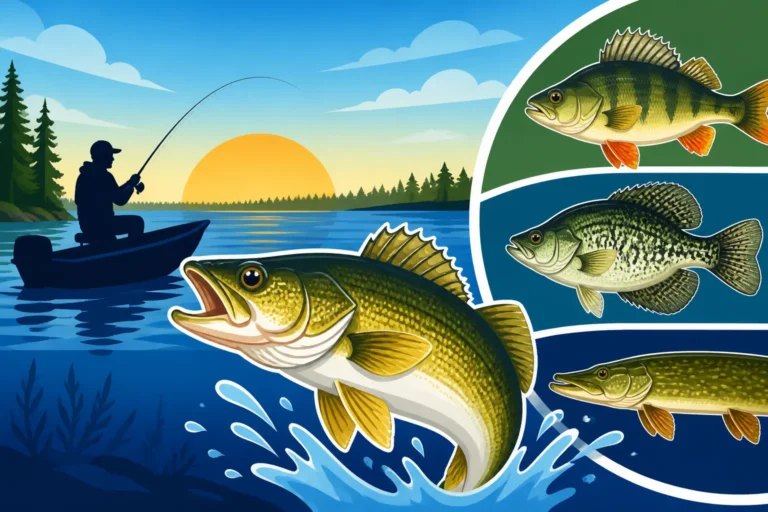
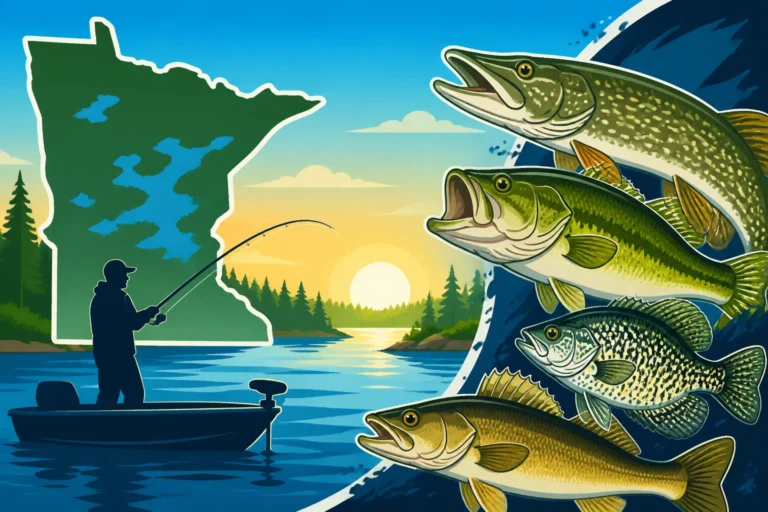
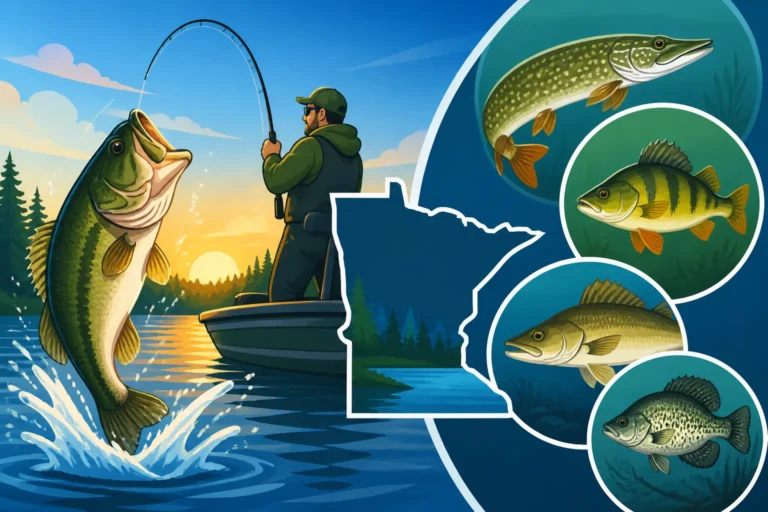
Beyond its natural beauty, Gull Lake holds a special place in the hearts of Minnesota anglers because it consistently produces quality fish across multiple species. While famous for its walleye, it also boasts a robust population of large smallmouth bass, respectable northern pike, and abundant panfish like crappie and bluegill. The Minnesota Department of Natural Resources (DNR) actively manages the fishery, stocking walleye and monitoring populations to ensure its health for generations of anglers. The lake’s diverse forage base, including tullibees, shiners, and perch, provides ample food for predators, contributing to the impressive size and fighting spirit of its fish. Whether you're a serious tournament angler or a family looking to catch a few fish for dinner, Gull Lake offers something for everyone. If you’re visiting the Brainerd area, you absolutely have to experience some of the action this lake has to offer.
What's Biting: A Seasonal Breakdown on Gull Lake
Fishing reports for Gull Lake often change with the calendar, as different species become more active or move to different depths. Understanding these seasonal patterns is key to knowing what you can expect to bite during your visit. The bite can shift dramatically from spring to summer, and then again as fall approaches and winter sets in.
Spring into Action: Post-Spawn Feasts
Once the ice leaves, usually in late April or early May, the fishing on Gull Lake kicks into high gear. This is a magical time when fish are hungry and often shallow.
- Walleye Opener: The much-anticipated When Is the Minnesota Walleye Opener 2026? sees anglers flocking to Gull. Walleye are often found in relatively shallow water, especially in bays and along shorelines where the water warms first. Look for them around emerging weed lines, sandy points, and rock piles. Jig and minnow combinations or slow-trolling crankbaits are highly effective.
- Panfish: Crappies and bluegills move into shallow bays and channels to spawn. You’ll find them tucked into reeds, under docks, and around fallen timber. A small jig tipped with a plastic or live minnow under a bobber is hard to beat for crappies, while bluegills readily take worms or wax worms.
- Northern Pike: Pike are also shallow, cruising weed edges and sun-drenched flats. They're aggressive after the spawn and will readily hit spinnerbaits, spoons, or large jerkbaits. They’re often an easy catch for anglers targeting other species.
- Smallmouth Bass: As water temperatures rise, smallmouth bass start to become active, often found on rocky points and shallow reefs. Crankbaits and small swimbaits can be productive. The Minnesota Bass Season (New 2026 Catch-and-Release) typically follows a staggered opener, with an early catch-and-release period before the full harvest season.
Summer Sizzle: Deep Water & Weed Line Action
Summer fishing on Gull Lake can be fantastic, but it often requires adapting to fish moving to deeper, cooler waters, or finding refuge in thick weed beds.
- Walleye: During the heat of summer, walleye frequently move to main lake humps, deep rock reefs, and expansive mud flats. Trolling with crankbaits or spinner rigs with nightcrawlers (often on bottom bouncers) becomes a dominant tactic. Night fishing for walleye can also be incredibly productive as they push into shallower areas to feed under the cover of darkness. Don’t overlook finding them in deeper weed edges, especially those bordering sharp breaks.
- Smallmouth Bass: This is prime time for Gull Lake’s impressive smallmouth population. They will be actively feeding on rocky reefs, points, and humps throughout the main lake. Topwater lures early and late in the day can be exhilarating, while drop-shot rigs, tube jigs, and Ned rigs excel when bass are deeper.
- Largemouth Bass: While not as prevalent as smallmouth, largemouth bass are present, particularly in the shallower, weedier bays. Flipping and pitching jigs into heavy cover, or working frogs and other topwater baits over lily pads and dense weeds, can produce big fish.
- Panfish: Crappies and bluegills often suspend over deeper water, especially crappies, or relate to deep weed edges. Look for schools of crappies over basins or near structure. Ice jigs and small plastics can still work, as can a simple minnow under a slip bobber.
- Northern Pike: Pike will continue to relate to weed lines, but often the deeper, thicker ones. Casting larger spoons, spinnerbaits, or even big jerkbaits can entice trophy pike. Trolling over deeper flats can also pick up active fish.
Fall Frenzy: Feeding Before Freeze-Up
As water temperatures drop, fish on Gull Lake start to put on the feedbag in preparation for winter, leading to some of the best fishing of the year.
- Walleye: Fall sees walleye becoming very aggressive and often moving shallower again, especially during low-light conditions. Large minnows on jigs or slow-trolled crankbaits can be deadly. They'll concentrate on sharp breaks, deeper points, and around primary lake structures. This is a fantastic time for trophies.
- Northern Pike: Like walleye, pike are incredibly active in the fall. They’ll be on the prowl for big meals. Larger swimbaits, oversized crankbaits, and even dead bait under a bobber can attract the lake’s biggest predators.
- Bass: Both smallmouth and largemouth bass will school up and feed heavily before the cold truly sets in. Look for smallmouth on deep rock structures, and largemouth in the remaining green weed beds. Crankbaits, jerkbaits, and finesse presentations like Ned rigs can be effective.
- Panfish: Crappies and bluegills will typically move to deeper cover, often congregating in large schools in transition areas between shallow and deep water, or in deeper pockets within bays. This can offer fast action once you locate a school.
Winter Wonderland: Ice Fishing on Gull Lake
Gull Lake transforms into an ice fishing paradise once it freezes solid. The lake is vast, so having a good understanding of where to target each species is crucial.
- Walleye: Early ice sees walleye often in similar locations to late fall – points, breaks, and mid-lake humps. As winter progresses, they might move to deeper mud flats or suspend in the water column. Jigging spoons like a Northland Forage Minnow or a Rapala Jigging Rap, tipped with a minnow head or full minnow, are classic presentations. Deadsticking with a live minnow nearby is also a highly effective tactic.
- Northern Pike: Pike remain active throughout the winter, often found on large, deeper flats near weed lines. Tip-ups with large shiners or suckers are the go-to method. Dark House Spearing in Minnesota: Rules & License is also a popular activity on Gull Lake for pike, if you’re looking for a more traditional winter fishing experience.
- Panfish: Crappies and bluegills can offer incredible action through the ice. Crappies often suspend over deeper basins or relate to sharp breaks, while bluegills are commonly found in shallower weeds or adjacent to sharp drops. Small tungsten jigs tipped with plastics or wax worms are excellent choices.
- Perch: Jumbo perch can be found on Gull Lake, often relating to large, expansive mud flats or soft-bottom areas. Small jigging spoons or tungsten jigs tipped with maggots or small minnow pieces are effective. Learning How to Catch Yellow Perch Through the Ice in Minnesota will certainly pay off.
This table gives you a general idea of what's biting and where to focus your efforts throughout the year on Gull Lake:
| Season | Target Species | Primary Locations | Recommended Baits/Lures |
|---|---|---|---|
| Spring | Walleye, Crappie, Pike, Smallmouth Bass | Shallow bays, emerging weeds, sandy points, rock piles | Jig & minnow, slip bobber & minnow, spinnerbaits, crankbaits |
| Summer | Walleye, Smallmouth Bass, Pike, Crappie | Deep humps, main lake reefs, mud flats, deep weed edges | Bottom bouncer & crawler harness, crankbaits, drop-shot, topwater, jig & plastic |
| Fall | Walleye, Pike, Smallmouth Bass, Crappie | Sharp breaks, primary lake structure, deeper points, remaining green weeds | Jig & large minnow, crankbaits, jerkbaits, large swimbaits |
| Winter | Walleye, Crappie, Pike, Perch, Bluegill | Early ice points/breaks, mid-lake humps, mud flats, deep basins, weed pockets | Jigging spoons, Rapala Jigging Raps, tip-ups, tungsten jigs & plastics/live bait |
Top Species to Target on Gull Lake
Gull Lake is a multi-species angler’s dream, but a few species truly stand out as consistent targets. Knowing their habits and preferred presentations can dramatically improve your success.
Walleye: The Brainerd Area's Crown Jewel
Ah, the walleye. The most sought-after fish in Minnesota, and Gull Lake has a fantastic population. They are known for their superb table fare and challenging bite.
- Seasonal Movements & Habitat: Walleye are incredibly structure-oriented. In spring, they're often found in relatively shallow, warming water, especially in bays like Steamboat Bay or around points. As summer progresses, they move to deeper main lake structures – think rocky humps, submerged islands, and large mud flats. Identifying key breaks where these structures meet deeper water is paramount. In fall, they often transition back shallower before settling into predictable deep-water patterns for ice fishing.
- Effective Tactics:
- Jigging: Early season, a classic jig and minnow (shiner or fathead) is hard to beat. During the summer, vertically jigging spoons or heavier jigs can work on deeper structure.
- Trolling: This is a dominant summer tactic. Using bottom bouncers with spinner rigs (often tipped with a nightcrawler or leech) along the edges of mud flats or over humps is very productive. Crankbaits are also incredibly effective, especially when targeting suspended fish or covering vast areas. Consider using leadcore line for precise depth control when trolling.
- Slip Bobbers: A slip bobber rig with a leech or minnow is fantastic for holding bait just above structure, especially on rocky points or around weed edges.
- Gull Lake Walleye Tips: Focus on the edges. Walleye rarely sit in the middle of a flat; they’ll be on the breaks leading up to or off of it. Pay close attention to subtle changes in depth and bottom composition. Consider hiring a local guide, as they possess an intimate knowledge of Gull Lake's ever-changing walleye patterns. Services like FishingBooker can connect you with experienced guides who specialize in walleye on Gull.
Smallmouth Bass: Pound-for-Pound Fighters
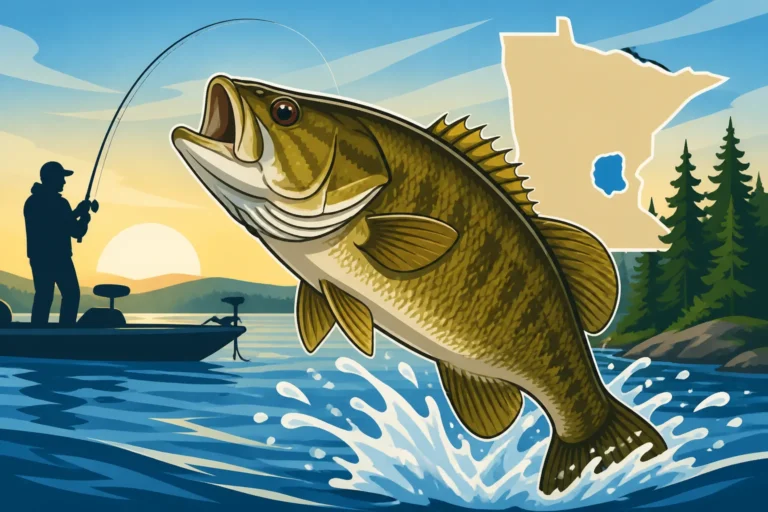
Gull Lake boasts a nationally recognized smallmouth bass fishery, with many anglers specifically targeting these bronze beauties. They are feisty, acrobatic, and incredibly fun to catch.
- Preferred Habitat: Smallmouth bass on Gull Lake are synonymous with rocky structures. Think main lake points, rocky reefs, submerged islands, and areas with extensive gravel or boulder bottoms. They prefer clear water and will often relate to the deepest available rock.
- Top Techniques:
- Finesse Tactics: Drop-shot rigs with small soft plastics (like tubes or worms) are incredibly effective for targeting deep smallmouth. Ned rigs and hair jigs also excel.
- Crankbaits & Jerkbaits: Medium-diving crankbaits and suspending jerkbaits can be deadly when retrieved over rocky areas, especially when bass are actively feeding.
- Topwater: Don't forget the thrill of a topwater bite, especially early mornings or evenings in summer. Walking baits and poppers can elicit explosive strikes.
- Gull Lake Smallmouth Tips: Look for areas with a mix of rock sizes. Large boulders near smaller gravel can hold big fish. Don’t be afraid to fish deeper than you might expect; Gull Lake smallmouth often hold in 20-30 feet of water. Experiment with different retrieves, as smallmouth can be finicky.
Northern Pike: Aggressive Predators
While sometimes overlooked in favor of walleye or bass, Gull Lake's northern pike population is healthy, offering plenty of action and the chance for a true trophy.
- Where to Find Them: Pike are ambush predators, so they love cover. Think dense weed beds, submerged timber, and sharp weed lines. In spring and fall, they'll be shallower. In summer, they often retreat to deeper, cooler weed edges or even suspend over open water chasing baitfish.
- Go-To Presentations:
- Spinnerbaits & Spoons: These are classic pike lures, especially when cast along weed edges or over submerged vegetation.
- Jerkbaits & Swimbaits: Larger hard baits, especially those that suspend or sink slowly, can entice bigger pike.
- Live Bait: Large shiners or suckers, fished under a bobber or on a quick-strike rig, are highly effective, especially when targeting trophy pike.
- Gull Lake Pike Tips: Focus on transitions. Where a shallow weed flat drops into deeper water, or where distinct weed species meet, are often prime pike holding areas. If you're ice fishing, set up a few tip-ups strategically around these deeper weed edges. Remember to bring a good pair of long-nosed pliers to safely remove hooks from these toothy critters.
Panfish (Crappie & Bluegill): Fun for Everyone
For family fun or a tasty meal, Gull Lake's panfish populations offer consistent action.
- Habitat: Crappies often school in deeper parts of bays, around submerged brush piles, or suspend over deeper basins. Bluegills are more likely to be found in shallower, denser weeds, under docks, or near lily pads.
- Simple, Effective Rigs:
- Slip Bobber: A small jig or hook tipped with a minnow (for crappies) or a worm/wax worm (for bluegills) under a slip bobber is incredibly effective.
- Small Jigs & Plastics: Tiny soft plastics on small jig heads can entice both crappies and bluegills, especially when they're actively feeding.
- Ice Fishing: Small tungsten jigs, often tipped with a larvae or plastic, are deadly through the ice.
- Gull Lake Panfish Tips: For crappies, use your electronics to find schools that might be suspended. For bluegills, focus on the densest cover you can find in shallower bays. Move around until you find them, as panfish often congregate in specific spots.
Gull Lake's Hotspots & How to Approach Them
Gull Lake's sheer size means there are countless potential fishing spots. While fish move, certain types of areas consistently hold fish. Understanding these general zones and how to fish them will give you a significant advantage.
Main Lake Humps and Reefs: Walleye and Smallmouth Territory
The vast main lake basin of Gull is dotted with numerous humps and reefs that rise sharply from deep water. These are magnets for walleye and smallmouth bass.
- Identifying Structure: Use your contour maps (like those on Humminbird or Lowrance units, or even your phone apps like Navionics or LakeMaster) to locate these underwater islands. Look for areas with sharp depth changes, especially those with rock symbols. Some well-known areas include the Gull Rock area, Grumpy’s Reef, and various unnamed humps.
- Fishing Strategies:
- Walleye: Approach these humps by either trolling bottom bouncers and spinner rigs along their edges, or by drifting/jigging directly over the top if you see fish on your electronics. Often, walleyes will sit on the downwind side of a hump.
- Smallmouth Bass: For smallmouth, cast crankbaits or drop-shot rigs onto the top of the hump and work them down the breaks. These areas can be incredibly productive for both species, often at the same time. If you’re unsure, a reputable guide found through platforms like FishingBooker can show you the ropes on these complex structures.
Shallow, Weedy Bays: Panfish, Pike, and Early-Season Walleye
Bays like Steamboat Bay, Garrison Bay, and others offer warmer, shallower water and extensive weed growth, making them ideal for panfish, northern pike, and early-season walleye.
- Key Features: Look for areas with varying weed densities, submerged logs, and patches of lily pads. The mouths of creeks or channels flowing into these bays can also be hotspots.
- Fishing Methods:
- Panfish: For crappies and bluegills, focus on the edges of weed beds, areas with submerged timber, or docks. A simple bobber rig or small jig worked slowly is often all you need.
- Pike: Cast spinnerbaits or spoons over the tops of weed beds or along their outside edges. Larger pike often lurk in the densest cover.
- Walleye: In spring, walleye will often move into these bays to feed on baitfish. Target the first break lines outside the weed beds or along sandy points.
Transition Zones and Breaklines: Universal Fish Magnets
Fish rarely stay in one depth or habitat for long; they move between them. These transition zones – breaklines where shallow water drops into deep, or where rock meets sand or mud – are critical.
- Reading the Water: Look for these changes on your electronics. A sudden depth drop, a shift in bottom composition, or the edge of a submerged weed bed are all prime transition zones. On a lake the size of Gull, understanding these dynamic areas will lead to consistent success.
- Targeting Tactics:
- Contour Trolling: This involves using your trolling motor to follow a specific depth contour along a breakline. This is incredibly effective for walleye with crankbaits or bottom bouncers.
- Drifting: Allowing the wind to slowly move your boat along a breakline while jigging or using slip bobbers can cover a lot of water and help you locate active fish.
- Casting to Structure: Position your boat in deeper water and cast towards the shallower edge of a break, retrieving your lure down the slope. This is excellent for smallmouth bass and walleye.
- Gull Lake Specifics: The sharp breaks along the main lake shoreline or around many of the islands are fantastic examples of these transition zones. Don't be afraid to explore subtle humps that aren't on every map, as these can be overlooked by other anglers and hold untouched fish.
Essential Gear and Tactics for Gull Lake
Having the right gear and a solid tactical approach will greatly improve your chances on Gull Lake. This isn't just about having expensive equipment, but having the right equipment for the job.
Rods, Reels, and Line: Matching the Hatch
Your setup needs to be versatile enough to handle various species and techniques.
- Walleye: A 6'6" to 7' medium-light or medium power fast-action spinning rod is ideal for jigging or slip bobber fishing. Pair it with a 2500-size spinning reel spooled with 6-8 lb monofilament or fluorocarbon. For trolling, a medium power moderate-fast action rod (7-9 feet) with a line counter reel spooled with 10-14 lb monofilament or braid is often preferred. You can find excellent options in a guide like Best Walleye Rods & Reels.
- Smallmouth Bass: A 6'10" to 7'2" medium-light to medium power spinning rod with a fast action is versatile for most smallmouth techniques. Spool with 8-10 lb braided line and add a fluorocarbon leader for stealth. For heavier presentations, a medium-heavy baitcasting setup might be warranted.
- Northern Pike: A medium-heavy power fast-action baitcasting rod (6'6" to 7'6") is perfect for throwing larger lures and handling big pike. Spool with 30-50 lb braided line and always use a steel or heavy fluorocarbon leader to prevent bite-offs.
- Panfish: Ultralight spinning combos with 4 lb monofilament or fluorocarbon are ideal for feeling those light bites. A sensitive rod is key.
- Line Choices: Best Fishing Line for Walleye (Braid vs Mono vs Fluoro) highlights that braid offers superior sensitivity and strength, while fluorocarbon leaders provide invisibility and abrasion resistance. Monofilament is more forgiving with stretch and is often preferred for trolling with certain baits.
Lures and Baits: A Versatile Tackle Box
You don't need to bring the entire tackle shop, but having a selection of proven Gull Lake performers is wise.
- Walleye:
- Jigs: 1/8 oz to 1/2 oz jigs in various colors (chartreuse, orange, green, gold).
- Minnows: Live shiners, fatheads, or rainbows.
- Leeches & Nightcrawlers: Essential for slip bobbers and spinner rigs.
- Crankbaits: Shad Raps, Flicker Shads, Salmo Hornets, and Deep Tail Dancers in natural baitfish patterns or bright colors.
- Jigging Spoons: Northland Forage Minnow, Rapala Jigging Rap, especially for ice fishing or vertical jigging.
- Smallmouth Bass:
- Soft Plastics: Tubes, Ned rigs, grub tails, worms (green pumpkin, watermelon seed).
- Crankbaits: Small to medium diving crankbaits in crawfish or baitfish patterns.
- Jerkbaits: Suspending jerkbaits are excellent in cooler water.
- Topwater: Walking baits (Heddon Zara Spook) or poppers.
- Northern Pike:
- Spinnerbaits: Large, flashy spinnerbaits (white, chartreuse).
- Spoons: Dardevles, Len Thompson, Eppinger Daredevil spoons.
- Jerkbaits/Swimbaits: Larger profile baits.
- Live Bait: Large shiners or suckers.
- Panfish:
- Small Jigs: 1/64 oz to 1/16 oz jigs in various colors.
- Live Bait: Wax worms, crappie minnows, small worms.
- Soft Plastics: Tiny panfish plastics (spikes, grubs).
Electronics: Your Underwater Eyes
In a large, complex lake like Gull, modern electronics are invaluable.
- GPS/Chartplotter: Essential for navigation and marking waypoints on Gull Lake's numerous humps, reefs, and breaklines. Pre-loaded high-definition maps are a game-changer.
- Sonar/Fish Finder: Helps you identify depth, bottom composition, and most importantly, locate schools of baitfish and game fish. Side imaging and down imaging on brands like Humminbird or Garmin can reveal structure you might otherwise miss.
- Forward-Facing Sonar (e.g., Garmin LiveScope): While not essential, this technology has revolutionized fishing for many, allowing anglers to see fish and their reactions to lures in real-time. It's a significant investment but can be incredibly effective on clear water lakes like Gull, especially for targeting specific fish on structure.
Practical Tips for Success on Gull Lake
- Safety First: Gull Lake can get very rough, especially with strong winds. Always check the weather forecast, wear your life jacket, and inform someone of your plans.
- Respect the Lake: Practice Catch and Release Best Practices in Minnesota for species you aren't keeping, especially larger trophy fish.
- Fish the Conditions: No single tactic works every day. Be prepared to adapt to changing weather, wind, and water conditions. If the bite is tough, try changing depths, baits, or locations.
- Consider a Guide: If you're new to Gull Lake or want to maximize your time, consider hiring a local fishing guide. They know the lake intimately and can teach you patterns and techniques that would take years to learn on your own. Platforms like FishingBooker are a great resource for finding reputable local guides.
- Check Regulations: Always consult the current Minnesota Fishing Regulations PDF: Where to Find It before heading out. Gull Lake, like many popular lakes, may have specific slot limits or possession limits for certain species that differ from statewide regulations. For instance, understanding Minnesota Walleye Limit & Size Rules is crucial.
Gull Lake truly offers an exceptional Minnesota fishing experience, rewarding those who come prepared and are willing to learn its nuances. Tight lines!
Disclaimer
Fishing conditions and regulations in Minnesota can change frequently. Always consult the latest Minnesota Department of Natural Resources (DNR) regulations and local advisories before heading out on the water. This guide provides general information and recommendations, but it is the angler's responsibility to adhere to all current rules and ensure their own safety.