Whitefish Season & Limits in Minnesota
Ah, the humble whitefish! Often overlooked by anglers chasing walleye or muskie, but a truly rewarding catch once you figure them out. Many folks get a bit confused by the specific rules for these incredible fish, especially with the different species and methods allowed. It’s not always as straightforward as you'd hope. This comprehensive guide is here to untangle all the intricacies of whitefish season and limits in Minnesota, helping you understand when and how you can target these delicious, hard-fighting beauties.
Unpacking Minnesota Whitefish: The Elusive Delicacy
When we talk about "whitefish" in Minnesota, we're actually often lumping a couple of different species into one category. It's important to know the difference, not just for identification but sometimes for regulations and certainly for fishing techniques! These aren't your typical shallow-water sunfish; whitefish tend to inhabit deeper, colder parts of our larger lakes, making them a bit more of a mystery to the casual angler.
Identifying Minnesota's Whitefish Species: Cisco vs. Lake Whitefish
In Minnesota, the two primary species referred to as "whitefish" are the Cisco (often called Tullibee) and the Lake Whitefish. While they share some similarities and are often found in the same deep, cold, oxygen-rich waters, they do have distinct characteristics.
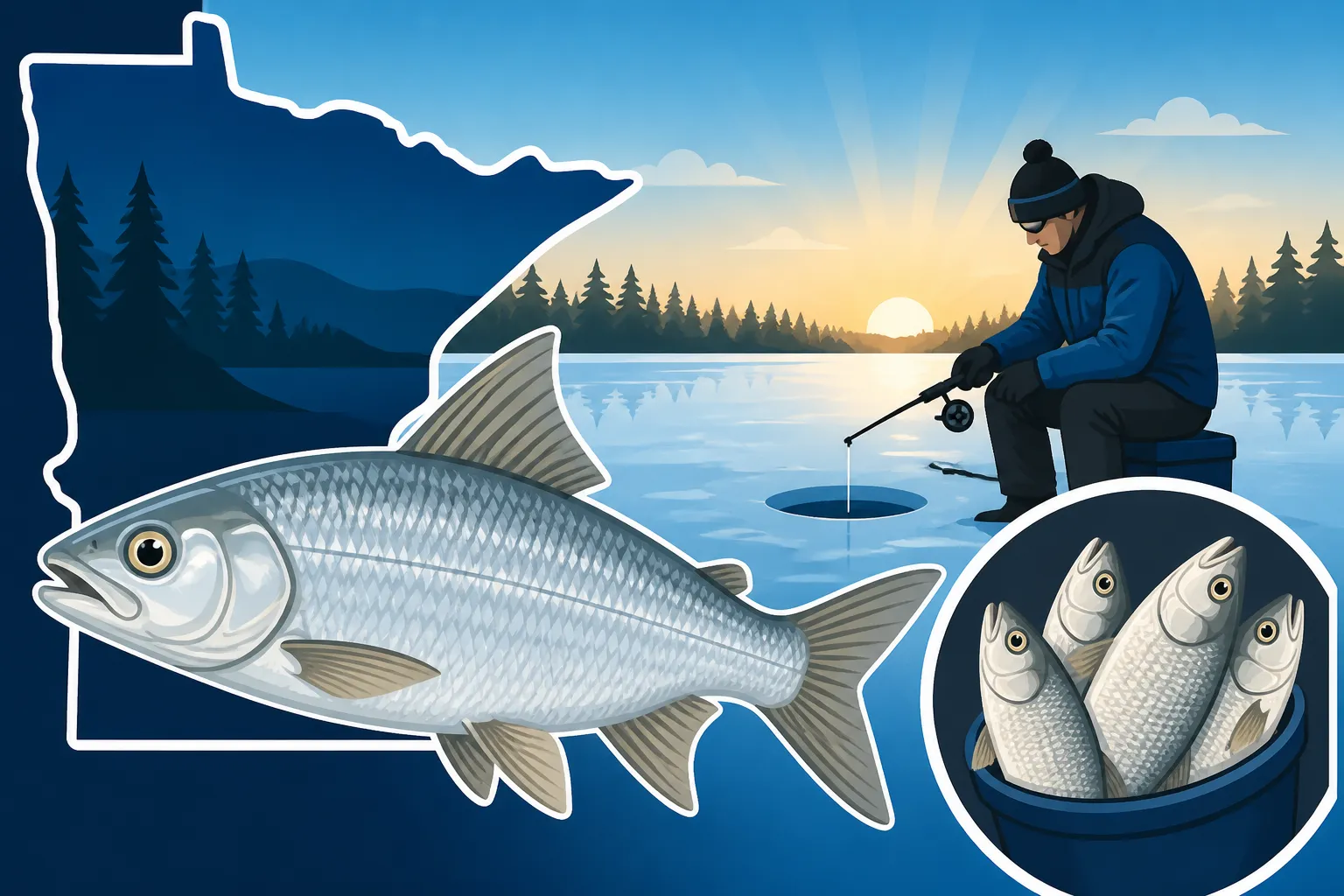
Cisco, or Tullibee, are generally smaller and more slender. They have a more pointed snout and a smaller mouth compared to the true Lake Whitefish. Ciscos are an incredibly important forage fish for many of Minnesota's top predators, including walleye, northern pike, and especially lake trout. This makes them a critical part of the aquatic food chain in many northern Minnesota lakes. They tend to school in open water, feeding on zooplankton and small invertebrates. Identifying a Cisco is fairly straightforward once you get an eye for their sleek, silver bodies and often slightly darker dorsal fin. They are known for their firm, flaky, and delicious meat, making them a prized catch for those who smoke or can fish.
Lake Whitefish, on the other hand, are typically larger and have a deeper, more compressed body shape. Their mouth is smaller and often downturned, designed for bottom-feeding, which is a key behavioral difference. They have a yellowish tint on their fins and a more robust appearance overall. You'll find Lake Whitefish mostly in larger, deeper, and colder lakes, including the Minnesota waters of Lake Superior. They're often found hugging the bottom, sifting through sediment for aquatic insects, larvae, and small crustaceans. Their size can be quite impressive, with some individuals reaching several pounds, offering a significant fight on appropriate tackle. Understanding the nuances of these species is a big part of getting your head around whitefish angling in general; for a broader understanding of various species, check out our Minnesota Fish Species: Identification Guide.
The Allure of Whitefish: Why Anglers Target Them
So, why do anglers specifically target whitefish when there are so many other popular species in Minnesota? Well, for starters, whitefish are renowned for their exceptional table fare. Their meat is firm, flaky, and has a delicate, almost sweet flavor, especially when smoked or prepared fresh. Many consider them among the best-eating fish in freshwater. If you haven't tried smoked whitefish, you're missing out on a true northern delicacy!
Beyond their culinary appeal, whitefish offer a unique challenge. They are often found in deep water, requiring specialized gear and techniques, and they can be finicky eaters. This makes catching them a rewarding experience for anglers looking to expand their skill set beyond standard jigging for walleye or casting for bass. The pursuit of whitefish often means exploring new depths and learning different tactics, pushing you to become a more versatile angler. Plus, when you hook into a big Lake Whitefish, you're in for a strong, determined fight that will test your tackle and your patience. For many, it's not just about the fish itself, but the solitude and unique experience of targeting a species that isn't always in the limelight.
Navigating Whitefish Season Dates in Minnesota
The question of "when can I fish for whitefish?" isn't always a simple answer in Minnesota. Like many species, their seasons are designed to protect spawning populations and ensure sustainable fisheries. However, whitefish regulations often have nuances that depend on the specific water body you're fishing.
General Statewide Whitefish Season Overview
For much of Minnesota's inland waters, the general whitefish season often runs concurrently with other open-water game fish seasons. This means you can typically pursue them during the regular open-water season, which usually starts in May and extends through late fall. However, whitefish, being cold-water species, are most actively pursued during the colder months, especially through the ice. The general ice fishing season for whitefish typically opens in late fall, often around the time of the walleye opener closure, and extends through the end of March.
It's crucial to understand that while the season might be "open," the prime time for catching whitefish varies significantly. They become much more accessible and active in shallower water during the late fall and early winter, just as lakes begin to freeze. This period, often from late November through January, is when most dedicated whitefish anglers hit the ice. As winter progresses and ice thickens, they may retreat to deeper, more stable thermal zones, making them harder to locate. For more details on statewide seasons, refer to our comprehensive guide on Minnesota Fishing Seasons & Opener Dates (2026).
Important Lake-Specific Season Variations and Exceptions
Here's where it gets a little more complex. While there's a general statewide framework, many popular whitefish lakes, particularly larger ones or those with unique ecological considerations, have specific regulations that can override or modify the general season.
Lake Superior: As one of the premier Lake Whitefish destinations, Lake Superior has its own set of rules. Generally, the season for Lake Whitefish in Lake Superior remains open year-round, except for certain designated stream trout and salmon spawning sanctuary areas and specific closure dates tied to commercial fishing considerations. However, recreational netting for whitefish also has specific seasons and permit requirements that differ significantly from angling. Always double-check the current Minnesota DNR regulations specifically for Lake Superior if you plan a trip there.
Inland Lakes: Certain inland lakes known for strong whitefish populations may have unique season dates or special provisions. For example, some lakes might close whitefish angling for a period during their fall spawning run to protect the breeding stock, especially where gill netting is also permitted. Other lakes might be managed differently to protect other species. This is particularly true for lakes that are part of the Red Lake Nation or other tribal lands, where specific fishing regulations may apply. Always consult the specific lake page on the DNR website or the official fishing regulations handbook for the most accurate and up-to-date information before heading out. Overlooking these lake-specific rules can lead to unfortunate misunderstandings and even penalties.
Understanding Whitefish Daily and Possession Limits
Just like understanding the season dates, knowing your limits is paramount when targeting whitefish in Minnesota. These regulations are in place to ensure healthy fish populations for future generations of anglers. It’s not just about having a great day on the ice or water, but about being a responsible steward of our natural resources.
Statewide Bag and Possession Limits for Whitefish
For most of Minnesota's inland waters, the statewide daily bag limit for whitefish is 10 fish, and the possession limit is also 10 fish. This means you can keep up to 10 whitefish (Cisco or Lake Whitefish combined) per day, and you cannot have more than 10 whitefish in your possession at any given time, regardless of how many days you've been fishing. This possession limit includes fish kept at your home or cabin. So, if you've already got 10 in the freezer from a previous trip, you can't keep any more until some of those are consumed or gifted.
It's important to differentiate this from other species where bag and possession limits might differ (e.g., a daily limit of 6 and a possession limit of 12 for some species). With whitefish, they're typically identical. Always be sure to check the specific regulations for Minnesota Fishing Limits: Bag & Possession (2026) to ensure you're compliant across all species you might encounter.
Special Regulations and Slot Limits on Specific Waters
While the 10-fish limit is standard, some specific lakes or management zones might have different rules for whitefish. These variations are usually implemented to address unique population dynamics or management goals for that particular body of water.
For instance, some lakes might have reduced bag limits to protect recovering populations or to allow for larger fish to mature. While true slot limits (where fish within a certain size range must be immediately released) are less common for whitefish than for species like walleye or northern pike, they can exist. These regulations are dynamic and can change annually based on DNR surveys and population assessments. The best practice is always to look up the specific lake you intend to fish in the annual Minnesota Fishing Regulations Handbook or on the DNR's website. If you're fishing on a major water body like Lake Superior or a large border water, always consult the specific section for that area, as rules can be quite detailed and different from inland regulations.
Whitefish Spearing and Netting Regulations
Beyond traditional angling with a rod and reel, whitefish are also commonly harvested in Minnesota through spearing and netting, particularly for Cisco (Tullibee). These methods come with their own distinct set of regulations and often require special licenses or permits.
Spearing: Dark house spearing is a traditional method in Minnesota, but it's primarily used for Northern Pike. While whitefish can sometimes be incidentally speared, it's not a primary method for them, and specific regulations regarding whitefish spearing are much stricter or non-existent for recreational anglers. Generally, dark house spearing for whitefish isn't allowed for the general public.
Netting: Recreational gill netting for Cisco and Lake Whitefish is permitted in some lakes, but it is highly regulated. To participate in recreational netting, you typically need to purchase a special netting license, and netting is only allowed during specific, short seasons (usually late fall, before or just after ice-up) and in designated lakes. There are strict rules on net size (mesh size and length), how they must be marked, and the hours they can be set. The bag and possession limits for netted whitefish can also differ from angling limits. For example, in many lakes, the possession limit for netted whitefish is significantly higher, sometimes up to 25 or 50 pounds, but again, this is highly lake-specific and requires a separate license. These regulations are designed to manage harvest carefully, ensuring sustainable populations for both anglers and commercial operators where applicable. Always, always consult the current DNR regulations for netting seasons and requirements. Ignoring these rules can lead to serious fines and confiscation of gear.
Essential Gear and Effective Techniques for Whitefish
Chasing whitefish isn't quite like casting for bass from shore. These fish require a bit more finesse, specialized tackle, and a willingness to explore deeper water. But don't worry, it's not rocket science! With the right setup, you'll be well on your way to adding these delectable fish to your cooler.
Recommended Tackle and Lures for Whitefish Angling
When it comes to gear for whitefish, whether you're open-water fishing or hard-water angling, precision and sensitivity are key. Whitefish often have a very subtle bite, and they live in depths where feeling that bite requires good equipment.
For ice fishing, which is arguably the most popular way to target whitefish:
- Rods: Look for a sensitive medium-light to medium action ice fishing rod, typically 28 to 36 inches long. A fast tip is crucial to detect those light bites. Brands like St. Croix or Fenwick offer excellent options that you can often find on Amazon.
- Reels: A small spinning reel (size 1000 or 2000) spooled with light line is ideal. Smooth drag is important, as whitefish can make surprising runs, especially bigger Lake Whitefish.
- Line: Many anglers prefer fluorocarbon lines in 4-6 lb test for its low visibility and minimal stretch, which helps with bite detection in deep water. Some also use braided line with a fluorocarbon leader for added sensitivity.
- Lures: This is where it gets fun! Small jigging spoons (1/8 to 1/4 ounce) are highly effective. Popular choices include the Northland Forage Minnow, Jigging Rapalas, or Kastmasters. Colors like silver, gold, white, or glow patterns work well, especially when tipped with a wax worm, minnow head, or a couple of plastic maggots. Small teardrop jigs or tungsten jigs, often paired with plastics or live bait, also work. You can find a fantastic selection of these small jigs and spoons on Amazon, perfect for those deep-water presentations. Don't forget to explore our guide on Best Lures & Baits for Minnesota by Species for more specific recommendations.
- Electronics: A good flasher (like a Vexilar, Humminbird, or MarCum) is almost essential for whitefish. They often suspend in the water column or hug the bottom, and electronics help you locate them, see your lure, and detect their subtle bites. For those getting started, our guide on Best Ice Fishing Gear for Minnesota (2027 Guide) has great entry-level recommendations.
For open-water fishing, particularly in deeper lakes:
- Rods: A longer, more sensitive spinning rod (6'6" to 7'6" medium-light to medium action) is perfect for vertical jigging or drifting.
- Reels: Again, a 1000-2500 size spinning reel with a smooth drag.
- Line: 6-8 lb test fluorocarbon or braided line with a fluorocarbon leader.
- Lures: Similar to ice fishing, small jigging spoons, blade baits, or even small tube jigs fished vertically can be highly effective. Some anglers also use downriggers or lead core line to troll small crankbaits or spinner rigs at depths where whitefish are schooling.
Mastering the Art of Catching Whitefish
Catching whitefish is a skill, and it definitely improves with practice. Here are some techniques to help you on your way:
Vertical Jigging: This is the most common and effective method, especially through the ice. Find deep structure, humps, or flats where whitefish are known to congregate. Drop your small jigging spoon or tungsten jig to the bottom, then lift it a foot or two. Experiment with different jigging cadences: short, sharp snaps; long, slow lifts; or just barely wiggling the lure in place. The key is to watch your electronics for fish responding to your lure. Whitefish will often come in quickly, then just nose up to the bait. That's when you need to be ready for the lightest peck or just a slight weight in your line. Tip your lure with a wax worm or a few maggots for added scent and appeal. This method is extensively covered in our guide on How to Catch Whitefish in Minnesota (Step by Step).
Sight Fishing (Dark House Spearing/Netting – where permitted): As mentioned, spearing for whitefish is largely not a public recreational activity. However, where authorized for netting, being able to see schools of Cisco can be mesmerizing. This typically involves cutting a large hole and waiting for schools to pass, then deploying the net.
Drifting or Trolling (Open Water): In larger, deep lakes, whitefish can be found suspended in open water, feeding on plankton. Drifting with live bait (like a small minnow or insect larvae) under a slip bobber set at the right depth can be effective. For those with boats and electronics, trolling with downriggers or lead core line at precise depths with small spoons or crankbaits can also draw strikes. Again, keep your baits small and your presentation subtle.
The trick with whitefish is often patience and paying close attention to your electronics. They might not aggressively hit a lure like a pike; instead, they might "mouth" it or barely inhale it. Setting the hook on these subtle takes is a huge part of the challenge and the fun.
Locating Whitefish in Minnesota Waters
You can have the best gear and know all the techniques, but if you're not fishing where the whitefish are, you won't catch anything! Finding these deep-water dwellers requires understanding their preferred habitats and seasonal movements.
Prime Lakes and Regions for Whitefish
Minnesota is blessed with thousands of lakes, and a good number of them hold healthy populations of whitefish. While they are often associated with the state's larger, deeper, and colder waters, they can be found in a surprising variety of lakes.
Northern Minnesota Lakes: Many of the iconic large lakes in northern Minnesota are prime whitefish territory. Lakes like Lake Superior, Lake of the Woods, Leech Lake, Lake Vermilion, and Upper Red Lake are well-known for their whitefish (both Cisco and Lake Whitefish) populations. Lake Superior, in particular, is a phenomenal destination for trophy Lake Whitefish. Other excellent northern lakes include Cass Lake, Lake Winnibigoshish, and many of the deep, clear lakes in the Boundary Waters Canoe Area Wilderness (BWCA). These lakes offer the cold, oxygen-rich environments that whitefish thrive in. When planning a trip, definitely look into the Best Fishing Lakes in Minnesota for a broader overview, but keep these deeper, colder options in mind for whitefish.
Central and Even Some Southern Lakes: While less common than in the north, some deep, clear lakes in central and even parts of southern Minnesota can also hold whitefish, especially Cisco. These populations might be less robust or localized, but they still offer opportunities, particularly during the ice fishing season. It's always worth checking with local bait shops or the DNR lake finder for specific whitefish presence in your preferred area.
Deep Dives into Whitefish Habitat and Behavior
Whitefish are primarily cold-water species, meaning they prefer water temperatures typically below 55-60°F (13-16°C). This preference dictates where you'll find them throughout the year.
Summer: During the warmest months, whitefish retreat to the deepest, coolest, and most oxygenated parts of a lake. This means they'll often be found in the thermocline or just below it, often suspending over deep basins, humps, or along steep breaklines. They'll school up in these areas, feeding on zooplankton or benthic invertebrates. Locating them often requires good electronics and the ability to fish deep.
Fall: As lake temperatures drop in the fall, whitefish become more active and can move into shallower areas, especially during their spawning period. This is a prime time for netting (where permitted) and for targeting them with open-water methods. Their spawning usually occurs in late fall, often over rocky shoals, reefs, or gravel bottoms in relatively shallow water.
Winter (Ice Fishing): This is, without a doubt, the most popular time to target whitefish. Once the ice forms, whitefish often concentrate in predictable areas. Early ice can find them relatively shallow (15-30 feet) as they recover from spawning. As winter progresses and oxygen levels change, they might move to deeper basin edges, humps, or even suspend over the deepest parts of the lake. They will often relate to "mud flats" or softer bottom areas where they can sift for food. Key depths can range from 30 to 80 feet or even deeper. Using a good flasher is invaluable for identifying these fish in the water column. They will often cruise in schools, so once you find them, you can often stay on them for a while. For general tips on winter angling, check out our guide on Ice Fishing in Minnesota: Complete Beginner-to-Pro Guide.
Remember, whitefish are constantly on the move, responding to temperature, light, and food availability. Keep an eye on your electronics, be willing to move until you find them, and pay attention to what depth they are at, as it can change hour by hour.
Ensuring You Stay Compliant: Where to Find Official Regulations
Minnesota's fishing regulations are designed to be clear and accessible, but it's your responsibility as an angler to know and follow them. Misinformation or outdated knowledge is no excuse for breaking the rules.
The DNR Website and Fishing Regulations Handbook
The absolute best and most reliable source for current whitefish season and limits, or any fishing regulation in Minnesota, is the Minnesota Department of Natural Resources (DNR). Their official website is a treasure trove of information, including an interactive LakeFinder tool where you can search for specific lake regulations.
Every year, the DNR publishes a comprehensive Minnesota Fishing Regulations Handbook. This physical booklet is available free of charge wherever fishing licenses are sold, such as bait shops, sporting goods stores, and many county service centers. It contains all the detailed rules, season dates, bag limits, and specific lake exceptions. Always pick up the current year's handbook – don't rely on last year's! The information contained within these official sources is always the most up-to-date and legally binding. They even have dedicated sections on special regulations for border waters, Lake Superior, and specific gear restrictions like Aquatic Invasive Species (AIS) Rules for Boaters, which is critical for all anglers.
How Regulations Can Change
It's important to recognize that fishing regulations are not static. They can, and do, change from year to year. These changes are typically driven by several factors:
- Fish population assessments: The DNR conducts regular surveys to monitor fish health, abundance, and growth rates. If a population is struggling, regulations might become more restrictive (e.g., reduced limits, shortened seasons). If a population is thriving, limits might be relaxed.
- Environmental factors: Changes in water quality, habitat, or even climate can impact fish populations and necessitate regulation adjustments.
- Angler harvest data: The DNR also monitors how many fish anglers are taking, especially for popular species. High harvest pressure might lead to more conservative regulations.
- Public input and scientific research: Regulations are often refined based on feedback from anglers and the latest scientific understanding of fish biology and ecology.
Because of these potential changes, always check the current year's regulations before your first fishing trip of the season, and even before visiting a new lake. What was legal last year or on a different lake might not be this year or on your chosen body of water. Stay informed, stay compliant, and help us keep Minnesota's whitefish fisheries strong for generations to come.
Here's a quick reference table for general whitefish regulations. Remember, always verify for specific lakes!
| Regulation Type | Inland Waters (General) | Lake Superior (General) | Specific Lake Variations |
|---|---|---|---|
| Season Dates | Open water: May to end of February; Ice: Late Nov to end of March. Dates may vary slightly. | Year-round, except for specific spawning sanctuaries/closures. | Varies greatly by lake. Check DNR for specific lake pages. |
| Daily Bag Limit | 10 (Cisco/Lake Whitefish combined) | 10 (Lake Whitefish) | Can be lower on some lakes. Check DNR. |
| Possession Limit | 10 (Cisco/Lake Whitefish combined) | 10 (Lake Whitefish) | Can be lower on some lakes. Check DNR. |
| Size Restrictions | None (statewide) | None (statewide) | Rare, but check specific lake rules. |
| Spearing/Netting | Netting: Special license, specific lakes & seasons. Spearing: Generally not permitted for recreational whitefish. | Netting: Special license, specific seasons. Spearing: Generally not permitted for recreational whitefish. | Highly lake-specific, require special permits. |
Disclaimer
The information provided in this guide is intended for general informational purposes only and is subject to change. While we strive to offer accurate and up-to-date details, fishing regulations in Minnesota are set by the Department of Natural Resources (DNR) and can be modified at any time. It is the angler's sole responsibility to consult the most current official Minnesota Fishing Regulations Handbook or the DNR website before engaging in any fishing activity. Failure to comply with current regulations may result in fines or penalties.