Where to Catch Burbot in Minnesota
Ah, the mighty burbot! For too long, this unique and often misunderstood fish has been given the cold shoulder by many Minnesota anglers, mostly because of its rather unusual, almost eel-like appearance. But if you're like me, someone who appreciates a good challenge and an even better meal, you know the burbot, or "eelpout" as it's affectionately (or sometimes not-so-affectionately) called, is a truly fantastic fish to target. This guide is all about shedding light on where you can find these fascinating bottom-dwellers in our great state and how to successfully bring one up through the ice or from the depths.
Understanding Minnesota's Burbot: The Eelpout Enigma
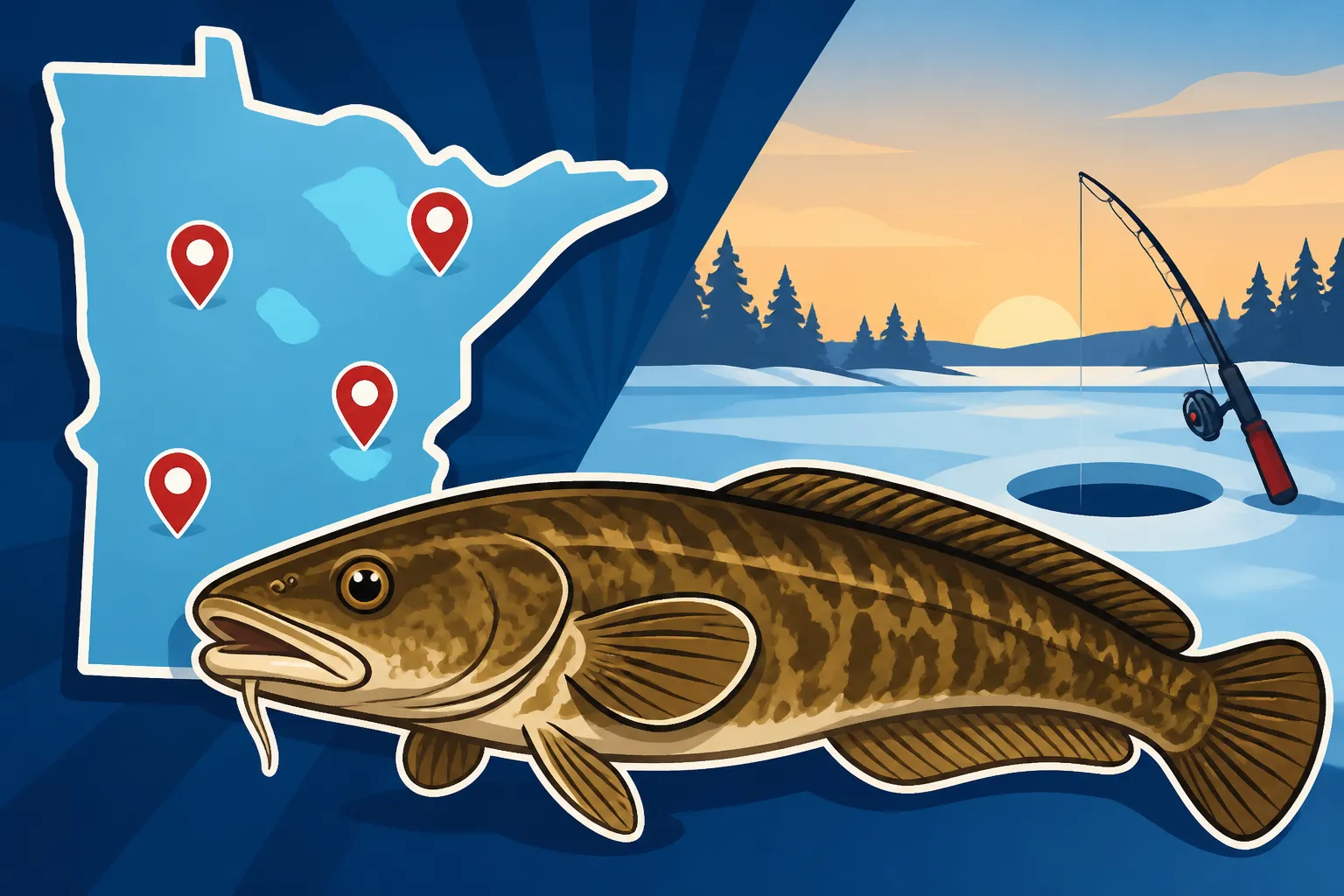
Let's be real: burbot aren't winning any beauty contests. Their elongated, mottled bodies, single barbel on their chin, and smooth, scaleless skin often make people do a double-take, or even recoil. But beneath that "ugly" exterior lies a truly remarkable and delicious fish. Often mistaken for catfish or even eels (hence the "eelpout" nickname), burbot are actually the only freshwater species of cod, which gives you a hint about their exceptional flavor.
They are primarily cold-water fish, thriving in deep, oxygen-rich lakes, especially those with rocky or gravel bottoms. Unlike many of Minnesota's more popular game fish, burbot are nocturnal, meaning they're most active and feed most aggressively under the cover of darkness. This characteristic alone sets them apart and often means you'll be bundling up for some serious night fishing if you want to find them. They're also an interesting study in resilience, having adapted to some of the harshest conditions our northern lakes can throw at them, particularly in winter. If you're keen to learn more about identifying various aquatic creatures, a comprehensive guide to Minnesota Fish Species: Identification Guide can be incredibly helpful.
Prime Burbot Fishing Destinations in Minnesota
When it comes to tracking down burbot in Minnesota, you're looking for big, deep, cold lakes, often in the northern reaches of the state. These aren't typically fish you'll stumble upon in every shallow, weedy slough. They prefer the vast, open water, deep humps, and structural elements that provide them with both cover and access to their preferred forage, which includes smaller fish like ciscoes, perch, and even other burbot.
Lake of the Woods: A Burbot Mecca
Without a doubt, Lake of the Woods stands out as a premier destination for burbot. This massive body of water, straddling the U.S.-Canada border, offers everything a burbot could ever want: immense depths, abundant forage, and cold, clear water. Anglers here regularly pull up burbot weighing over ten pounds, with some absolute monsters pushing towards the state record. During the winter, when the ice is thick, it's not uncommon for burbot to be caught alongside walleye and sauger, especially during late-night hours.
Targeting burbot on Lake of the Woods means focusing on deep breaks, main lake basins, and points. Areas around Pine Island, the northern sections near the Northwest Angle, and the deep water east of Baudette are all known hotspots. Resorts and guides on Lake of the Woods often report good burbot catches, particularly after dark, when anglers are primarily targeting walleye. If you're planning a trip to this fishing paradise, our detailed Lake of the Woods Fishing Guide can provide even more insights into maximizing your experience, including tactics for various species.
Rainy Lake: Northern Giants
Just to the east of Lake of the Woods, Rainy Lake offers another exceptional burbot fishery. Similar in character, Rainy Lake boasts expansive deep water, intricate structures, and a healthy forage base. Anglers often find burbot in depths ranging from 40 to 80 feet, especially near submerged islands, reefs, and sharp drop-offs. The burbot population here is robust, and like Lake of the Woods, trophy-sized specimens are a real possibility.
Winter is, once again, the prime season for Rainy Lake burbot. Many anglers who set up permanent ice houses or use portable shelters for overnight excursions will find themselves tangling with these bottom-dwelling brutes. Focusing your efforts on the transition zones between deeper basins and shallower shelves can be particularly productive. Look for areas with a mix of rock and softer bottom, as burbot will cruise these zones looking for food. Our comprehensive Rainy Lake Fishing Guide delves deeper into the specifics of navigating and fishing this incredible water body.
Lake Vermilion: A Gem for Multi-Species Anglers
Moving south, but still nestled in the heart of Minnesota's northern wilderness, Lake Vermilion is another excellent choice for burbot. While more widely known for its trophy walleye and muskie, Vermilion's deep, cold waters hold a significant population of burbot. The lake's irregular bottom contour, with numerous islands, reefs, and deep channels, provides ample habitat.
Anglers targeting burbot on Lake Vermilion should concentrate on the deeper sections, particularly those near rock piles or extensive main lake humps. Many burbot here are caught by those fishing for walleye or lake trout, especially when deploying baits near the bottom in 30-60 feet of water. The sheer size and structural complexity of Lake Vermilion mean that exploring different deep zones is key. For more on this diverse fishery, check out our Lake Vermilion Fishing Guide.
Leech Lake: Unexpected Opportunities
While not as renowned for burbot as Lake of the Woods or Rainy, Leech Lake certainly holds a healthy population, especially in its deeper basins like Walker Bay or the main lake trench. Burbot here are often an incidental catch for walleye anglers, but once you know they're there, you can certainly target them specifically. Leech Lake, with its vastness and varying depths, offers a good challenge for those looking to expand their burbot hunt.
Focus on the deepest areas of the lake, especially during colder months. Anglers using deadstick rigs or jigging baits near the bottom in 40+ feet of water have the best chance of encountering these unique fish. The good news is, if the burbot aren't biting, you're likely in prime walleye territory anyway! For a broader understanding of this popular lake, consult our Leech Lake Fishing Guide.
Here's a quick reference table for some of Minnesota's top burbot lakes:
| Lake Name | Region | Typical Depths (feet) | Key Structures | Notes |
|---|---|---|---|---|
| Lake of the Woods | Northern | 30-80+ | Deep basins, breaks | World-class fishery, often caught with walleye at night. |
| Rainy Lake | Northern | 40-90+ | Submerged islands, reefs | Excellent numbers, trophy potential, ideal for overnight ice fishing. |
| Lake Vermilion | Northeast | 30-70+ | Rock piles, deep humps | Strong population, often incidental catch for walleye/lake trout. |
| Leech Lake | North Central | 40-60+ | Deep basins (Walker Bay) | Good incidental catches, target deep structure. |
| Lake Superior | Northeast | 100-600+ | Deep-water flats, ledges | Abundant in deeper zones, requires specialized gear and boats, often caught ice fishing on tributaries. |
| Ten Mile Lake | North Central | 50-100+ | Deep basin, irregular bottom | Known for extremely clear water and a good population. |
Best Times and Tactics for Targeting Burbot
Once you've identified a promising burbot lake, knowing when and how to fish for them is crucial. These aren't your typical panfish that bite all day long. Their unique biology dictates a specific approach.
The Winter Wonderland of Ice Fishing
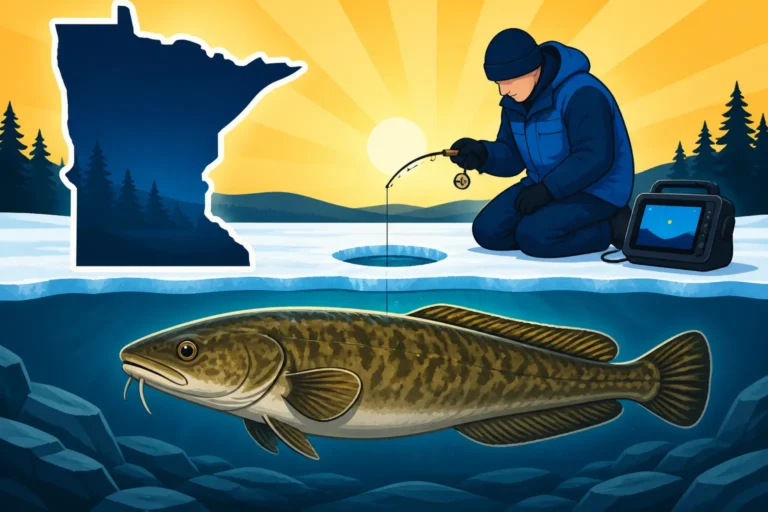
Without a doubt, the absolute best time to catch burbot in Minnesota is through the ice. As cold-water species, they become more active in winter, and the confined fishing area of an ice hole makes them much more accessible. This is truly the Best Seasonal Pattern for Burbot in Minnesota! When the ice is thick and safe, burbot actively cruise the bottom in search of food.
Night fishing is almost a non-negotiable for serious burbot anglers. While you might pick one up during the day, their activity levels skyrocket after dusk and continue through the night. This is when they move shallower from their daytime deep-water haunts, often coming into 20-40 feet of water to feed. Setting up a comfortable ice shelter for an overnight stay is often the most effective strategy. If you're new to the sport, our Ice Fishing in Minnesota: Complete Beginner-to-Pro Guide can help you get started with the basics of staying warm and safe.
Go-To Baits and Lures
Burbot are opportunistic feeders, but they have a distinct preference for scent and profile. Here's what often works best:
- Cut Bait: This is perhaps the most effective burbot bait. Pieces of oily fish like cisco, smelt, or even other burbot (if legal to use) are incredibly effective. Their strong scent trail draws burbot in from a distance. Rig it on a plain hook or a glow jig.
- Glow Jigs and Spoons: Because burbot are nocturnal and often found in deep, low-light conditions, anything that glows is a huge advantage. Brightly colored or glow-in-the-dark jigs and spoons (like a Northland Buck-Shot Rattle Spoon or a VMC Tungsten Mongo Jig) tipped with cut bait are a deadly combination. The flash and glow attract attention, and the scent seals the deal. You can find a fantastic array of these types of lures on Amazon, perfect for experimenting with different colors and weights.
- Deadsticking: While jigging can attract them, many seasoned burbot anglers rely on a deadstick rig. This involves a second rod (where legal, typically two lines per angler for ice fishing in Minnesota) set up with a simple hook and heavy sinker, baited with cut bait, lying motionless on the bottom. The rod tip should be visible, and often a rattle reel in a permanent ice house is used to signal a bite. Burbot often pick up the bait gently before committing, so a sensitive rod tip or a watchful eye is key. If you're wondering How Many Lines Can You Use Ice Fishing in Minnesota, always check the current regulations.
Setting Up Your Burbot Station
When targeting burbot, you'll want a robust setup. They can get quite large and put up a surprisingly strong fight from the depths.
- Rods and Reels: Medium-heavy to heavy ice rods (28-36 inches) paired with a sturdy spinning reel spooled with 10-20 lb braided line are ideal. A fluorocarbon leader (15-20 lb) can be helpful, especially in clear water.
- Electronics: A good flasher or a fish finder with down imaging can be invaluable for identifying depths and spotting fish on the bottom. Even if you don't see them actively swimming, knowing your depth and structure is key. The Best Ice Fishing Gear for Minnesota (2027 Guide) will have recommendations for all budgets.
- Lights: Since you're often fishing at night, a reliable headlamp or a lantern for your shelter is essential.
- Warmth: Staying warm during an overnight ice fishing trip for burbot is paramount. Portable heaters, warm clothing, and insulated boots are a must. Many anglers opt for specialized float suits for safety and warmth.
For a deeper dive into specific techniques, our guide on How to Catch Burbot Through the Ice in Minnesota provides step-by-step instructions.
Burbot: More Than Just an Ugly Fish
Beyond their unique appearance and challenging catch, burbot offer a fantastic culinary experience that many anglers overlook. Their firm, white, flaky meat is often compared to lobster or scallops when boiled or steamed. Seriously, if you haven't tried burbot, you're missing out on one of Minnesota's hidden gastronomic treasures. They truly belong on the list of Best Eating Fish in Minnesota Lakes.
Preparing burbot is relatively simple. The easiest way to clean them is to skin them like a catfish. Make an incision around the head, peel the skin back with pliers, and then fillet the meat. The Y-bones, which can be a nuisance in northern pike, are not an issue with burbot, making for clean, delicious fillets.
Conservation and Regulations
As with any fishing in Minnesota, it's crucial to be aware of and abide by the current regulations. While burbot populations are generally robust and not under the same pressure as some other species, understanding limits and seasons is part of being a responsible angler. You can find up-to-date information on limits and seasons for burbot and other species in our article, Burbot Season & Limits in Minnesota. Always consult the official Minnesota Department of Natural Resources (DNR) regulations handbook before heading out, which you can usually find online or pick up at any license vendor.
Many anglers practice catch-and-release for larger burbot, especially if they’ve already secured enough for a meal. While burbot aren't typically fragile, handling them gently and returning them to the water quickly, particularly in very cold conditions, ensures their survival.
Conclusion: Embracing the Eelpout Experience
Catching burbot in Minnesota is an experience unlike any other. It challenges you to venture out into the depths, often in the dead of winter, and fish through the night. But the reward – a feisty fight, a truly unique fish, and some of the best-eating freshwater fare available – is absolutely worth it. So next time you're planning an ice fishing adventure, don't overlook the eelpout. With a bit of knowledge about where to find them and the right tactics, you might just discover your new favorite winter quarry. Good luck out there, and remember, the best fishing adventures often involve embracing the unexpected!
Disclaimer
Always consult the Minnesota Department of Natural Resources (DNR) for the most current fishing regulations, seasons, and licensing requirements before you head out. Fishing conditions can change rapidly, and it's your responsibility to stay informed and fish safely and legally.