Where to Catch Lake Sturgeon in Minnesota
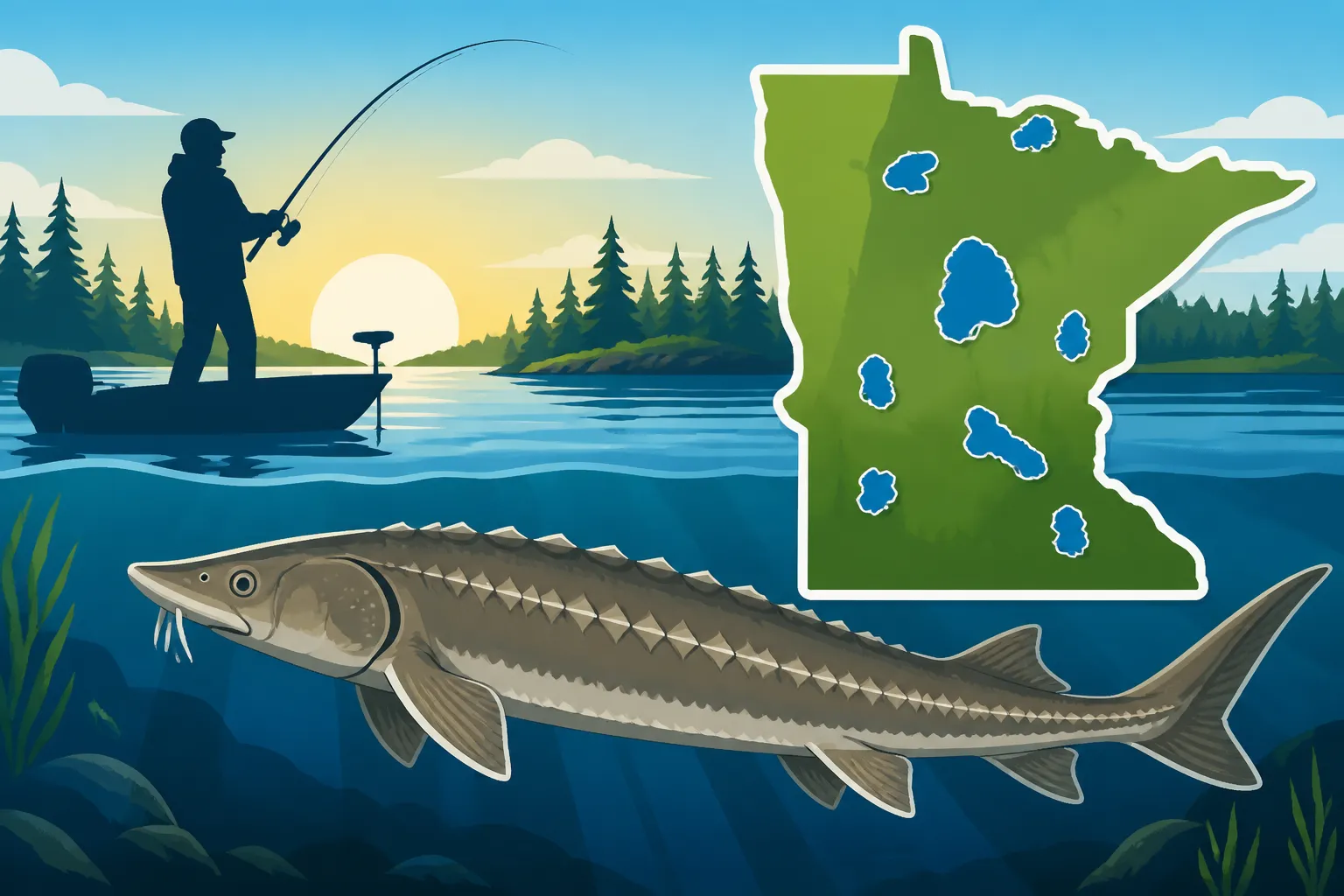
If you've ever dreamt of battling one of Minnesota's true prehistoric giants, the Lake Sturgeon is likely at the top of your list. These incredible fish, often exceeding human size and living for decades, offer an unparalleled fishing experience. However, finding these elusive, bottom-dwelling behemoths requires specific knowledge of where they congregate and the right techniques to entice them. This guide will take a deep dive into Minnesota's premier Lake Sturgeon fishing destinations, ensuring you're well-equipped to target these magnificent creatures.
Minnesota's Prime Lake Sturgeon Fisheries
Minnesota is fortunate to host several fantastic Lake Sturgeon populations, primarily concentrated in its large river systems. These ancient fish thrive in deep, flowing water with abundant forage, making specific stretches of our rivers ecological hotspots for them. While catching a sturgeon is never a guarantee – they're called "river monsters" for a reason – knowing where to focus your efforts dramatically increases your chances.
The Legendary Rainy River
When anglers talk about Lake Sturgeon in Minnesota, the first place that almost always comes up is the Rainy River. This border water, separating Minnesota from Ontario, Canada, is world-renowned for its incredible sturgeon fishery, particularly in the spring and fall. The river acts as a vital migratory corridor for sturgeon moving between Lake of the Woods and its tributaries, and the sheer number of large fish here is truly astounding.
Spring Run on the Rainy River
The spring is arguably the most famous time to target sturgeon on the Rainy River. As the ice recedes and water temperatures slowly climb, these fish begin their spawning migration upstream from Lake of the Woods. This period, typically from April through early May, sees massive sturgeon staging in various sections of the river. Anglers flock to towns like Baudette and International Falls, launching their boats to intercept these giants. You'll find them in deeper holes, current seams, and near the mouths of tributaries. The bite can be furious during this time, with multiple hookups in a single day not uncommon if you hit it right. Many local resorts and guides specialize in these trips, making it an excellent option for those new to sturgeon fishing. The key here is heavy tackle and patience, as these fish put up an incredible fight. Knowing the specific regulations for this border water, which can sometimes differ from inland Minnesota rules, is crucial for a successful and legal outing. You can always check the latest rules for the Rainy River in the official Minnesota fishing regulations booklet or consult our guide on Lake Sturgeon Season & Limit in Minnesota.
Fall Fishing for Rainy River Giants
While spring gets a lot of the spotlight, don't overlook the fall for Rainy River sturgeon. As water temperatures begin to drop in September and October, sturgeon again become highly active, feeding heavily in preparation for winter. They can be found in similar deep holes and current breaks as in the spring, often congregating in impressive numbers. The cooler weather means fewer crowds, and the vibrant fall colors along the riverbanks provide a stunning backdrop to a day of fishing. This season often produces some truly gargantuan fish as they bulk up, making it a favorite for those chasing a true trophy. Access points are generally plentiful, with public boat launches available near towns like Baudette, Clementson, and Loman. Make sure you have all your gear ready, from heavy-duty rods to robust reels, as these fall fish are often at their heaviest.
The Scenic St. Croix River
The St. Croix River, a federally protected Wild and Scenic River that forms part of Minnesota's border with Wisconsin, boasts another thriving Lake Sturgeon population. While perhaps not as globally famous as the Rainy, the St. Croix offers fantastic sturgeon fishing opportunities, especially for those in the Twin Cities metro area. The lower stretches of the river, particularly from Stillwater south to its confluence with the Mississippi, are well-known sturgeon hotspots.
Lower St. Croix River Sturgeon Concentrations
The section of the St. Croix below the Taylors Falls dam, particularly around Stillwater, Bayport, and Prescott, Wisconsin, is where you'll find the most consistent sturgeon action. The river here widens and deepens, offering plenty of prime habitat. Key areas include deep channels, scour holes near bridges (like the new St. Croix Crossing), and any significant bends in the river that create current breaks and deposition zones. Tributaries also play a role, as sturgeon will move into their mouths to feed. Fishing from a boat is usually the most effective method, allowing you to cover more water and position yourself over prime structure. Shore fishing can be productive in certain areas, particularly near public docks or parks with access to deeper water. The St. Croix also offers a more serene fishing experience compared to some of the busier northern waters, making it a great option for a relaxing day on the water while still chasing big fish.
Upper St. Croix River Possibilities
While the lower river is the primary sturgeon fishery, the upper St. Croix, north of Taylors Falls, also holds Lake Sturgeon. These fish tend to be less numerous and often smaller than their downstream counterparts, but they are certainly present. This stretch of the river is shallower and more wilderness-like, appealing to anglers seeking a more remote experience. Fishing for sturgeon here often involves drifting cut bait through deeper runs or anchoring near logjams and other current breaks. You'll need to be even more persistent in the upper river, but the reward of a sturgeon in such a pristine setting is truly special. Remember that these are often catch-and-release fisheries, so proper handling of these magnificent fish is paramount to ensure their survival and the continuation of the species. Our guide on Catch and Release Best Practices in Minnesota provides valuable tips.
Other Notable Minnesota Rivers for Sturgeon
While the Rainy and St. Croix are the stars, other Minnesota river systems offer excellent, albeit sometimes more localized, sturgeon opportunities. These fisheries often require a bit more exploration and local knowledge, but they can be incredibly rewarding.
The Mighty Mississippi River
The Mississippi River, particularly its navigable pools below St. Anthony Falls in Minneapolis, holds a robust population of Lake Sturgeon. This massive river system provides ample habitat and food sources for these bottom-dwellers. Fishing the Mississippi can be a unique experience, blending urban landscapes with wild fish.
Targeting Sturgeon in Mississippi River Pools
From Pool 2 (below the Ford Dam in St. Paul) downstream, Lake Sturgeon are present and can be caught regularly by anglers specifically targeting them. Pool 2 is famous for its diverse fishery, and sturgeon are a significant part of that. Look for them in deep navigation channels, scour holes around dam structures (exercising extreme caution and adhering to all safety zones), and along deep river bends. The confluence of the Minnesota River with the Mississippi near Fort Snelling is another area where current changes and deeper water create ideal sturgeon habitat. Fishing the Mississippi often means dealing with barge traffic and heavier currents, so boat control and heavy anchoring systems are essential. Shore access can be challenging in many areas, but certain parks and public accesses, like those in the metro area, can offer limited opportunities. Knowing the specific pool you're fishing and its regulations is important, as rules can vary slightly between segments of the river. You can learn more about fishing this river in our Minnesota River Fishing: Mississippi, Minnesota & St. Croix guide.
Seasonal Movements and Concentrations
Like in other rivers, Mississippi River sturgeon exhibit seasonal movements. They tend to be more concentrated in deeper holes during colder months and can spread out more during warmer periods. Spring and fall are generally the best times for targeting them when their feeding activity is at its peak. During summer, they might move into slightly shallower, oxygenated areas or seek out cooler water in deeper pockets. Pay attention to water levels and current, as these can significantly impact sturgeon location and feeding behavior. Using a quality depth finder is crucial for identifying these subtle changes in river bottom and current.
Red River of the North
The Red River of the North, flowing north along Minnesota's western border with North Dakota, also harbors a lesser-known but growing population of Lake Sturgeon. While not as abundant as the Rainy, this river offers another unique opportunity for sturgeon anglers, particularly in the northern reaches near Canada.
Isolated Sturgeon Populations
Lake Sturgeon in the Red River are typically found in the deeper sections of the river, especially towards its mouth into Lake Winnipeg. These fish are part of a broader Lake Winnipeg sturgeon population that spawns in the Red River system. The fishery here is more focused on catch-and-release, with a strong emphasis on conservation due to the more isolated nature of the population. Access often involves smaller boat launches or shore fishing opportunities in towns like Oslo or Pembina. The Red River is a slower, often muddier river, which means sturgeon rely heavily on scent to locate food. Therefore, using potent baits and letting them soak for extended periods is a common tactic.
Essential Gear and Techniques for Sturgeon Fishing
Catching Lake Sturgeon is a unique challenge that requires specialized gear and a methodical approach. These are not panfish; they are large, powerful, and often require patience and robust equipment.
The Right Tackle Setup
You wouldn't bring a knife to a gunfight, and you certainly wouldn't bring a light-action rod to a sturgeon fight. Heavy-duty tackle is non-negotiable.
Rods and Reels for River Monsters
You'll need a stout, heavy-action rod, typically 7 to 9 feet long, capable of handling heavy weights and powerful fish. Look for rods rated for 40-80 lb test line. Popular choices often include sturdy surf rods or catfish-specific rods due to their backbone and durability. Brands like Ugly Stik offer affordable, virtually unbreakable options that are perfect for beginners. Match this with a large, heavy-duty spinning reel or a baitcasting reel with a robust drag system and high line capacity. Something like an Abu Garcia Ambassadeur or a Penn Battle series reel would be ideal. You're going to be putting a lot of pressure on these fish, so a smooth, reliable drag is critical to prevent break-offs and wear out the fish. You can find many suitable options on Amazon, often with helpful reviews from other big-fish anglers.
Line, Weights, and Rigs
For line, 65-80 lb braided line is standard. Braid offers superior strength, sensitivity, and no stretch, which is crucial for detecting subtle bites in current and setting the hook on a tough mouth. Pair this with a heavy monofilament or fluorocarbon leader, typically 50-80 lb test, to provide some abrasion resistance against rocks and the sturgeon's rough mouth. You'll need heavy weights to hold your bait on the bottom in strong currents – often 6-12 ounces or even more, depending on the current speed. Pyramid sinkers or no-roll sinkers are popular choices. For terminal tackle, use strong, large hooks, typically 5/0 to 9/0 circle hooks. Circle hooks are essential for sturgeon fishing as they greatly reduce the chance of gut-hooking, promoting healthy release. A simple Carolina rig or a three-way swivel rig is effective. The Carolina rig involves sliding your sinker onto your main line, followed by a bead, then tying on a swivel, and finally attaching a leader (12-24 inches) with your hook. This allows the fish to pick up the bait without feeling the weight immediately.
| Gear Component | Recommendation | Key Features for Sturgeon | Where to Look |
|---|---|---|---|
| Rod | Heavy-action, 7-9 ft | Strong backbone, handles heavy weights | Fishing tackle shops, Amazon |
| Reel | Large spinning/baitcasting | Robust drag, high line capacity, durable | Fishing tackle shops, Amazon |
| Main Line | 65-80 lb Braided Line | Strength, sensitivity, no stretch | Fishing tackle shops, Amazon |
| Leader | 50-80 lb Mono/Fluoro | Abrasion resistance | Fishing tackle shops |
| Weights | 6-12+ oz Pyramid/No-roll | Holds bait on bottom in current | Fishing tackle shops |
| Hooks | 5/0 – 9/0 Circle Hooks | Prevents gut-hooking, strong | Fishing tackle shops, Amazon |
Best Baits for Lake Sturgeon
Sturgeon are scavengers and rely heavily on their sense of smell to find food along the river bottom. Therefore, fresh, natural, and often smelly baits are key.
Popular Sturgeon Bait Options
The undisputed king of sturgeon baits is a gob of nightcrawlers. Thread several large nightcrawlers onto your hook, making a substantial, irresistible scent plume in the water. Cut bait, such as pieces of suckers, shad, or even frozen smelt, can also be highly effective. The oil and scent trail from cut bait are powerful attractants. Some anglers also have success with shrimp or clam pieces. The fresher the bait, the better, but often, the smellier, the better. Don't be shy about using a generous amount; a small piece of bait might go unnoticed by these ancient predators. Our Best Live Bait for Walleye (Leeches, Minnows, Crawlers) guide touches on some of these universal bait principles.
Presenting Your Bait Effectively
Once you've got your rig and bait, presentation is key. Cast your bait upstream and allow the current to carry it down to your desired location, ideally a deep hole or current seam. Once it settles, keep your rod in a sturdy holder and wait. Sturgeon bites can range from a light tap to a rod-bending thud. Sometimes, they just "mouthing" the bait, requiring a gentle lift to feel the weight before setting the hook. When you feel a definite bite, simply reel down until the line is tight and lift the rod to let the circle hook do its job; a hard "cross their eyes" hook set isn't necessary and can pull the bait from their mouth. Patience is a virtue in sturgeon fishing; sometimes it takes hours for a bite, but the wait is always worth it.
Regulations and Conservation for Lake Sturgeon
Lake Sturgeon are a protected species in Minnesota, having faced severe declines in the past due to overfishing and habitat loss. Today, their populations are recovering thanks to dedicated conservation efforts and strict regulations. It's vital that every angler understands and adheres to these rules to ensure these magnificent fish continue to thrive.
Understanding Sturgeon Regulations
Minnesota's sturgeon regulations are designed to protect their long lifespan and slow reproductive rates. This means specific seasons, size limits, and often, mandatory harvest tags or catch-and-release rules.
Season and Size Restrictions
Sturgeon seasons vary by water body and can include specific catch-and-release periods, limited harvest windows, or even closed seasons. For example, the Rainy River often has different regulations than the St. Croix or Mississippi. Always check the current Minnesota DNR fishing regulations booklet or website before heading out, as these rules can change year-to-year. The DNR closely monitors sturgeon populations and adjusts regulations to manage harvests sustainably. In most areas, Lake Sturgeon fishing is primarily a catch-and-release endeavor, particularly for larger fish, to protect the spawning stock. Any fish you intend to harvest (if allowed) will almost certainly require a special sturgeon tag, which must be purchased in addition to your regular Minnesota fishing license. You can find detailed information on these specifics in our Lake Sturgeon Regulations & Tag in Minnesota article.
Catch and Release Ethic
Because of their vulnerability and the importance of preserving these ancient fish, a strong catch-and-release ethic is paramount when targeting sturgeon. These fish can live for over 100 years, and releasing them unharmed ensures they can continue to contribute to the population and provide future angling opportunities.
When you land a sturgeon, handle it with extreme care. Keep the fish in the water as much as possible. If you must remove it for a quick photo, support its entire body horizontally; never hold a large sturgeon vertically by its tail or gills, as this can cause serious internal damage. Use a large, knotless net, or land the fish by hand if possible, being mindful of their sharp scutes. De-hooking tools can be very helpful for removing hooks quickly and safely. Always release the fish gently, allowing it time to regain its strength before swimming off.
Planning Your Sturgeon Fishing Adventure
Embarking on a sturgeon fishing trip requires a bit more planning than a casual panfish outing. Considering boat access, weather, and safety will ensure a smooth and enjoyable experience.
Boat Access and Launching
Access to Minnesota's major river systems for sturgeon fishing is generally good, with numerous public and private boat launches. However, some launches might be better suited for larger boats needed to navigate these rivers.
Choosing the Right Launch Site
For the Rainy River, towns like Baudette, Clementson, and Loman offer excellent public launches. If you're staying at a resort, they often have their own private access. On the St. Croix River, marinas and public launches in Stillwater, Bayport, Hudson (WI), and Prescott (WI) are popular choices. For the Mississippi, you'll find numerous launches within the Twin Cities metro area and downstream. Always check water levels and conditions before heading out, especially during high water events, as ramps can become submerged or currents dangerously strong. Using a quality GPS with accurate mapping like Navionics or LakeMaster (available via Amazon for your fish finder) can help you navigate these complex river systems and pinpoint deep channels and holes.
Safety on Big Rivers
Fishing big rivers, especially during peak seasons, requires vigilance. Be aware of commercial barge traffic on the Mississippi, and always yield the right of way. Strong currents, submerged obstacles, and rapidly changing weather conditions can pose hazards. Always wear your personal flotation device (PFD), have all required safety equipment on board, and let someone know your float plan. A good VHF radio can be a lifesaver on large waterways where cell service might be spotty. Remember, a successful day of sturgeon fishing isn't just about catching fish, it's about returning home safely.
The Best Time to Go
While sturgeon can technically be caught year-round in some open water, specific windows offer the best chances.
Peak Seasons and Conditions
As mentioned, spring (typically April-May) and fall (September-October) are generally considered the prime times for Lake Sturgeon fishing in Minnesota's rivers. During these periods, water temperatures are moderate, and sturgeon are actively feeding. In the summer, they can be more lethargic, often retreating to deeper, cooler water. Winter ice fishing for sturgeon is possible in some areas where regulations allow, but it's a very specialized pursuit requiring extremely heavy ice fishing gear and a thick-ice mentality. Regardless of the season, overcast days or low-light conditions (dawn and dusk) can often be more productive than bright, sunny days, as sturgeon are sensitive to light. Look for periods of stable weather, as drastic temperature or pressure changes can put fish off the bite.
Sturgeon fishing is an experience that connects you to an ancient past and offers a thrill unlike almost any other freshwater pursuit. With the right knowledge of where to go and what to use, you'll be well on your way to battling one of Minnesota's most remarkable fish.
Disclaimer
Fishing regulations and conditions can change rapidly. Always consult the latest Minnesota Department of Natural Resources (DNR) regulations before any fishing trip. This guide is for informational purposes only and does not constitute legal advice.