Walleye Fishing Tips for Minnesota Anglers
Oh, the elusive walleye! We've all been there, standing on the shore or sitting in the boat, watching our lines hoping for that tell-tale tap, only to be met with silence. Minnesota walleye fishing can be incredibly rewarding, but it definitely has its challenges, from navigating ever-changing regulations to understanding their finicky feeding habits. This comprehensive guide is here to unravel those mysteries, offering tried-and-true tips to help you consistently put more walleye in your net, no matter the season or lake.
Understanding Walleye Habits and Their Environment
Catching walleye consistently in Minnesota isn't just about throwing a line in the water; it's about understanding the fish itself. Walleye are creatures of habit, heavily influenced by light, temperature, and available forage. Knowing their preferred habitat and how they react to different conditions is your first big step toward becoming a more successful angler.
Seasonal Movements and Structure Preferences
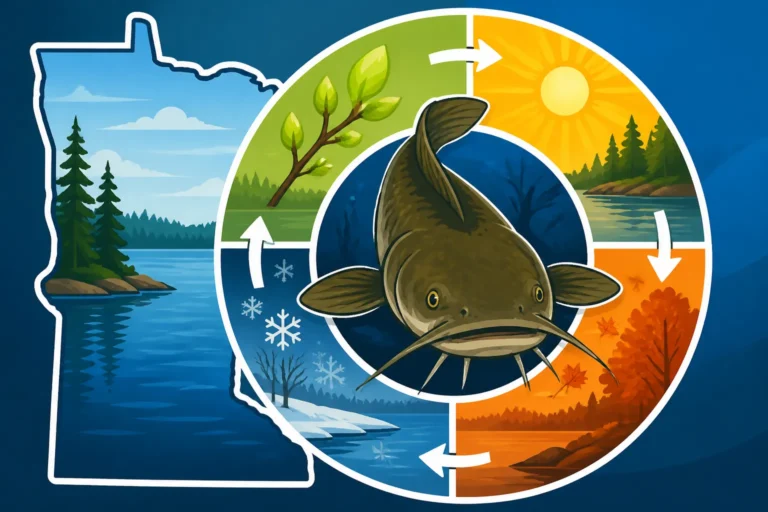
Walleye are constantly on the move, chasing baitfish and seeking comfortable water conditions. What works in May might be completely useless in July. In spring, after the spawn, walleye often linger in shallower waters, especially near river mouths, neck-down areas, and shorelines with emerging weeds. They're recovering from spawning and are eager to feed. As summer progresses, they tend to move deeper, seeking cooler water and congregating around structure like humps, reefs, and points. These deeper structures offer them cover and ambush points for baitfish. When fall arrives, they often transition back to shallower feeding flats in low light, especially as water temperatures start to drop before ice-up. This deep understanding of their Seasonal Fishing Patterns in Minnesota is crucial.
During the prime summer months, a common frustration is finding walleye scattered or suspending. This usually means they are following schools of open-water baitfish like cisco or tullibee, and finding them requires covering a lot of water. Don't be afraid to leave those classic humps and check the mid-lake basins with your electronics. In lakes with abundant forage, walleye might suspend in the middle of nowhere, making them incredibly tough to pinpoint without good electronics and a willingness to troll. Places like Lake of the Woods, for example, have vast open water areas where walleye suspend and follow baitfish. Knowing the subtle nuances of these movements across different seasons will greatly improve your success.
Light Conditions and Feeding Times
Walleye are famously light-sensitive, thanks to their large, reflective eyes adapted for low-light conditions. This is why many anglers swear by early morning, late evening, and even night fishing for walleye. During bright, sunny days, walleye typically retreat to deeper, darker water or seek refuge under dense cover, like thick weed beds, submerged timber, or even shadows cast by docks and boats. You'll often find them tucked right into the densest part of a cabbage bed, almost impossible to reach with traditional methods.
When the sun begins to set, or on heavily overcast days, that's when walleye often become most active. They'll move onto shallow flats, along weed edges, and up onto the tops of reefs to feed. This is a prime time for casting shallow-running crankbaits or working jigs through these areas. Many experienced Minnesota anglers specialize in Night Fishing for Walleye in Minnesota, knowing that the darkness provides the ultimate advantage. During these low-light periods, their superior vision gives them an edge over their prey, making them more confident and aggressive feeders. Always pay attention to the moon phases as well; some anglers report better success on darker nights or around new moons, while others find full moon periods productive, especially if cloud cover provides some natural light diffusion.
Essential Gear for Minnesota Walleye Anglers
Having the right tackle can make a huge difference in your walleye success. While you don't need to break the bank, investing in quality gear tailored for walleye fishing will improve your feel, presentation, and ultimately, your hook-up ratio. A good setup minimizes frustration and maximizes your enjoyment on the water.
Rods, Reels, and Line Selection
For walleye, a sensitive medium-light to medium-action spinning rod, typically 6'6" to 7'6" long, is a versatile choice for most techniques. The extra length helps with casting distance and managing line when trolling or drifting. A fast-action tip is crucial for detecting those subtle walleye bites – sometimes it's just a slight "mush" or weight rather than a distinct tap. Pair this with a reliable spinning reel in the 2000-3000 size range, spooled with 8-10 pound test braided line. Braided line offers superior sensitivity and strength for its diameter, which is vital for feeling light bites in deeper water or when fishing in windy conditions. I often recommend brands like PowerPro or Sufix for their smooth casting and durability.
To the braided mainline, always add a 6-10 foot leader of 8-10 pound fluorocarbon line. Fluorocarbon is nearly invisible underwater, which is a huge advantage for wary walleye, especially in clear Minnesota lakes. It also has excellent abrasion resistance, which is handy when fishing around rocky structure or zebra mussel-encrusted areas. This setup provides the best of both worlds: the sensitivity and strength of braid, combined with the stealth of fluorocarbon. If you're looking for a great starting point, check out some of the Best Walleye Rods & Reels available on Amazon – you can often find combos that offer excellent value.
Lures and Baits: The Walleye Menu
The "best" walleye lure is highly debated, but a diverse tackle box is key. For live bait, shiner minnows, leeches, and nightcrawlers are the undisputed champions. Minnows are fantastic for jigging or under a slip bobber, especially in cooler water. Leeches are incredibly durable and effective in warmer water, and nightcrawlers shine on bottom bouncers or crawler harnesses. You can often find high-quality live bait at local bait shops across Minnesota, or sometimes even through online retailers on Amazon if you're looking for bait accessories. Understanding Best Live Bait for Walleye Leeches, Minnows, Crawlers will give you a significant advantage.
When it comes to artificials, jigs are king for actively working structure. Lead head jigs in 1/8 to 1/2 ounce, tipped with a soft plastic like a B-Fish-N Tackle AuthentX Moxie or Pulse-R, or a piece of live bait, are incredibly effective. Colors like chartreuse, orange, white, and natural baitfish patterns are consistent producers. Crankbaits, both diving and shallow-running, are essential for trolling or casting. Popular choices include Rapala Shad Raps, Berkley Flicker Shads, and Salmo Hornets. Don't forget spinner rigs (crawler harnesses) when slowly trolling or drifting with a bottom bouncer – these are a classic for a reason. For deeper presentations, blade baits and lipless crankbaits can also be highly effective.
Proven Walleye Fishing Techniques for Minnesota Waters
No single technique guarantees success, but mastering a few core presentations will drastically increase your chances. Walleye fishing often requires adapting to the conditions and the mood of the fish, so having a repertoire of tactics is paramount.
Jigging: The Classic Walleye Method
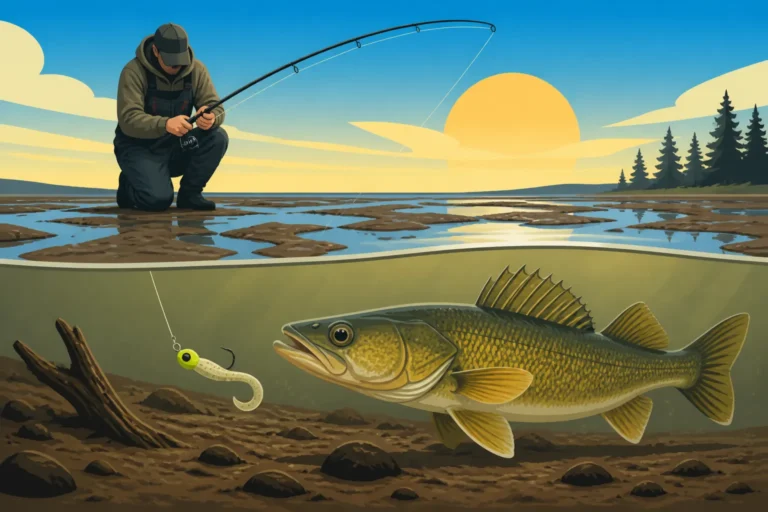
Jigging is arguably the most fundamental and versatile walleye fishing technique, especially effective when walleye are concentrated on specific structures like points, humps, or rock piles. The basic premise involves dropping a jig to the bottom, then imparting an action that mimics a wounded baitfish or a foraging creature. This can range from subtle lifts and drops to aggressive snaps. The key is to maintain contact with the bottom and detect those often-subtle bites. Many anglers perfect their Jigging for Walleye Jig & Minnow Basics to great effect.
When jigging, pay close attention to the retrieve speed and jig weight. In current, a heavier jig might be necessary to maintain bottom contact. In calm, clear water, a lighter jig and a slower, more delicate presentation might be best. Always tip your jig with live bait (minnow, leech, or crawler piece) or a soft plastic trailer. The scent and action of the trailer can be the deciding factor in enticing a bite. Many times, especially when walleye are picky, the "dead stick" approach – letting the jig sit motionless for several seconds after a small hop – can be incredibly effective. Consider practicing this technique on smaller, more accessible lakes before tackling bigger waters like Mille Lacs Lake, where current and depth can complicate things.
Trolling: Covering Water and Finding Fish
When walleye are scattered or suspended over vast areas, trolling is your most efficient strategy for covering water and finding active fish. This involves dragging lures (typically crankbaits or spinner rigs) behind a boat at a controlled speed. Trolling allows you to present your bait at a consistent depth and speed, which can be irresistible to walleye. For deeper presentations, you might use leadcore line, planer boards, or snap weights to get your lures down to the strike zone. Learning Trolling for Walleye Crankbaits & Leadcore can unlock new opportunities.
Effective trolling hinges on several factors: speed, depth, lure choice, and boat control. Experiment with trolling speeds, typically ranging from 1.0 to 2.5 mph, until you find what triggers bites. Use a GPS-enabled fish finder to monitor your speed accurately. Select crankbaits that dive to the desired depth or use leadcore line to achieve deeper presentations. Color choice can also be critical; natural baitfish patterns often work well in clear water, while brighter colors like firetiger or chartreuse can excel in stained water or low light. Maintaining a straight line, especially over specific contour breaks or structures, is crucial. Brands like Minn Kota offer excellent trolling motors with GPS spot-lock features that make this much easier, allowing you to focus on your lines.
Slip Bobber Fishing: A Versatile Approach
Slip bobber fishing is a fantastic technique for presenting live bait precisely at a specific depth, especially effective around weed edges, submerged timber, or whenever walleye are holding vertically in the water column. Unlike fixed bobbers, a slip bobber slides freely on your line, stopped by a small bobber stop knot, allowing you to fish at any depth, even in very deep water, with an easy cast. This is particularly useful in areas with a distinct thermocline or when fish are suspended at a specific depth over deep water. Many anglers find success learning How to Use a Slip Bobber for Walleye & Crappie.
To set up a slip bobber rig, you'll need a bobber stop, a bead (to protect the knot from the bobber), the slip bobber itself, a small weight (split shot or an egg sinker), and a hook. Thread these onto your line in that order, then tie on your hook. Adjust the bobber stop to the desired depth, cast it out, and let the weight pull your bait down through the bobber to that precise depth. This method is incredibly effective for fishing vertical structure, such as bridge pilings or deep weed lines, or even just suspended fish in open water. Live leeches or minnows are prime choices for bait, offering natural movement that walleye find hard to resist. This presentation allows the bait to swim freely and naturally, which can be key when walleye are being finicky.
Advanced Tips and Troubleshooting for Tricky Conditions
Even with the best gear and techniques, walleye can still present a challenge. Experienced anglers know that adapting to dynamic conditions and thinking outside the box are what separate a good day from a great one. Let's dive into some ways to troubleshoot those tough bites.
Adapting to Weather and Water Conditions
Minnesota weather is notoriously fickle, and walleye react to every change. High-pressure systems often lead to clear skies and tough bites, as walleye become lethargic and light-sensitive. During these periods, focus on deeper water, shaded areas, or fish during low-light hours. Slow down your presentation, use smaller baits, and focus on subtle jigging motions. Conversely, low-pressure systems (like an approaching cold front or cloudy, rainy weather) can trigger aggressive feeding binges, especially right before the front arrives. Walleye often become more active, moving shallower and biting more readily. This is when aggressive retrieves, larger crankbaits, or faster trolling speeds might pay off.
Water clarity also plays a significant role. In clear lakes, like many found in the Brainerd Lakes Area, walleye rely heavily on sight, making stealth and natural presentations crucial. Use lighter fluorocarbon leaders, natural baitfish colors, and make longer casts to avoid spooking fish. In stained or turbid waters, such as parts of Upper Red Lake, walleye might rely more on their lateral line to detect vibrations. Here, brighter colors (chartreuse, orange, bright green) and noisy lures (rattling crankbaits, jigs with rattles) can be more effective. Don't be afraid to experiment with different colors and sounds when conditions are tough.
Dealing with Finicky Fish and Slow Bites
We've all been there: the fish finder is lit up like a Christmas tree, showing plenty of walleye, but they just won't bite. This is when you need to become a detective. First, consider slowing down your presentation dramatically. Sometimes a barely moving jig or a dead-sticked minnow is what it takes. Instead of aggressive jigging, try subtle quiver-and-pause movements. Second, downsize your lure and line. A smaller jig or a tiny spoon might trigger a strike when larger baits are ignored. This is especially true when walleye are feeding on small forage or if they've been pressured.
Third, change up your bait. If you're using artificials, switch to live bait, or vice-versa. A fresh, lively minnow on a How to Fish a Lindy Rig for Walleye can often entice a bite from a reluctant walleye. Experiment with different scents and flavors on your soft plastics, like Berkley Gulp! or similar scented baits. Fourth, adjust your depth by just a foot or two. Walleye can be incredibly precise in their preferred depth, sometimes holding just off the bottom or a few feet higher than you're presenting your bait. Finally, consider moving to a different location or trying a completely different technique. Sometimes, moving just a short distance can put you on a school of more aggressive fish, especially on large bodies of water like Lake of the Woods.
Where to Find Minnesota Walleye Hotspots
Minnesota truly is the Land of 10,000 Lakes, and many of them offer fantastic walleye opportunities. Knowing which lakes are prime for walleye and understanding their unique characteristics can help you plan your next angling adventure.
Iconic Walleye Fisheries in Minnesota
When you talk about walleye in Minnesota, a few names immediately come to mind. Mille Lacs Lake is legendary, known for its massive mud flats, rock reefs, and consistent walleye bite. Despite evolving regulations, it remains a world-class fishery. Lake of the Woods, up on the Canadian border, offers an incredible vastness with abundant walleye, especially around the Rainy River estuary and its countless islands. Leech Lake is another jewel, famous for its large cabbage beds, rock piles, and productive "bowls" that hold walleye throughout the seasons.
Other top-tier walleye lakes include Lake Winnibigoshish (Winnie), Upper Red Lake, and Lake Vermilion. Winnie is known for its incredible numbers of walleye and the iconic Winnie Dam area, while Upper Red Lake has seen a remarkable walleye recovery, offering fantastic action, particularly during the ice fishing season. Lake Vermilion provides a stunning northern Minnesota wilderness experience with trophy walleye and muskie. These are just a few of the Best Walleye Lakes in Minnesota, each with its own charm and challenges.
Exploring Local Gems and Lesser-Known Waters
While the big names are popular for a reason, don't overlook the countless smaller lakes and even rivers scattered throughout Minnesota. Many local lakes, especially those managed with active stocking programs by the DNR, can offer excellent walleye fishing without the crowds found on the larger bodies of water. These might be lakes in the Alexandria Lakes Area, or perhaps a hidden gem tucked away in the Iron Range. Often, these smaller lakes have simpler structures (weed lines, a main basin, a couple of points) that make finding walleye a bit more straightforward, especially for newer anglers.
Additionally, don't forget Minnesota's rivers. The Mississippi River, particularly the pools below the Twin Cities, holds a healthy population of walleye and sauger. The Rainy River, a tributary to Lake of the Woods, is world-renowned for its spring walleye run. These river systems present different challenges and opportunities compared to lakes, often requiring heavier jigs, different boat positioning due to current, and an understanding of riverine structure like wing dams and eddies. Researching local fishing reports or talking to bait shop owners in specific areas can reveal these productive, lesser-known spots.
| Technique | Ideal Conditions | Best Depth Range | Preferred Bait/Lure (Example) | Key Advantage |
|---|---|---|---|---|
| Jigging | Concentrated fish, structure, low light | 5-30 feet | Jig & minnow/plastic | Precision, active presentation, versatile |
| Trolling Crankbaits | Scattered fish, open water, active feeders | 5-40 feet | Rapala Shad Rap, Berkley Flicker Shad | Covers vast areas efficiently, consistent depth |
| Bottom Bouncing | Deep flats, subtle structure, current | 15-40+ feet | Crawler harness, large minnow | Keeps bait near bottom, good for wind/waves |
| Slip Bobber | Vertical structure, suspended fish, finicky | 5-30 feet | Leech, minnow, crawler | Precise depth control, natural bait presentation |
| Casting Shallow Cranks | Low light, shallow flats, weed edges | 2-10 feet | Rapala Original Floater, Husky Jerk | Aggressive presentation for active, shallower fish |
Final Thoughts on Your Walleye Journey
Walleye fishing in Minnesota is more than just a pastime; it's a deep-rooted tradition, a way to connect with nature, and a constant learning experience. There will be days when the bite is hot and you feel like a seasoned pro, and there will be days when you question everything you thought you knew about fishing. That's the beauty of it.
Embrace the learning curve, stay persistent, and always prioritize safety and conservation. Understand the current Walleye Season & Limit in Minnesota for the waters you're fishing, and practice responsible catch and release, especially for larger breeding fish, to ensure future generations can enjoy this incredible resource. The more you observe, experiment, and adapt, the more rewarding your time on Minnesota's walleye waters will be. Happy fishing!
Disclaimer
The information provided in this guide is for general informational purposes only and is not intended as legal advice regarding fishing regulations. Fishing regulations, seasons, and limits can change frequently. Always consult the most current Minnesota Department of Natural Resources (DNR) fishing regulations handbook or their official website before heading out on the water. Following all local and state regulations is the angler's responsibility.