Best Seasonal Pattern for Bowfin in Minnesota
Hunting for bowfin in Minnesota can feel like a bit of a mystery, especially if you're used to chasing walleye or bass. These prehistoric powerhouses don't always follow the same playbook as other popular game fish, and figuring out their seasonal movements is key to consistent success. This guide will walk you through the distinct seasonal patterns of bowfin in Minnesota, helping you anticipate their behavior and improve your chances of hooking into these incredible fighters.
Understanding Bowfin Behavior and Habitats
Bowfin, often locally referred to as "dogfish," are unique and incredibly resilient native fish in Minnesota. They're not everyone's target, but for those who appreciate a hard fight and a unique catch, they're fantastic. The biggest challenge with bowfin is that they thrive in waters many other species struggle with – dense vegetation, low oxygen, and warm temperatures. This often makes them an enigma to anglers who aren't specifically targeting them. Understanding their preferred habitats is the first step in unlocking their seasonal patterns, as they rarely stray too far from dense cover and shallow, warm areas.
Preferred Shallow Water and Vegetation
Bowfin are kings of the shallow, weedy backwaters, sloughs, and slow-moving rivers. Think about those areas where the lily pads are so thick you can barely cast a frog lure, or where submerged weeds form a mat that makes boat travel difficult. That’s prime bowfin territory. They’re perfectly adapted to these environments, with their torpedo-shaped bodies and dorsal fin running almost the entire length of their back, allowing them to slither through cover with ease. This preference for heavy cover means that even when they shift seasonally, they usually stay within a short distance of some kind of dense vegetation. Targeting these areas with weedless presentations is crucial.
Their Unique Breathing Ability
One fascinating aspect of bowfin that dictates their ability to thrive in certain environments, and thus influences where you'll find them seasonally, is their specialized air bladder. Unlike most fish that rely solely on gills, bowfin can gulp air from the surface, essentially breathing atmospheric oxygen. This incredible adaptation allows them to survive in stagnant, low-oxygen waters that would be lethal to many other fish species. During hot summer months or in winter under thick ice, when oxygen levels plummet, bowfin can remain active and accessible to anglers, which can be a significant advantage if you know where to look.
Spring Patterns for Bowfin: Awakening and Spawning
As the ice finally recedes from Minnesota lakes and rivers, marking the official start of the fishing season, bowfin begin to stir from their winter lethargy. Spring is a particularly exciting time to target them, as they become incredibly active with spawning on their minds. While you're out chasing Minnesota Fishing Seasons & Opener Dates (2026), remember that bowfin have their own calendar and often become active even before the more popular game fish.
Pre-Spawn Movement to Shallows
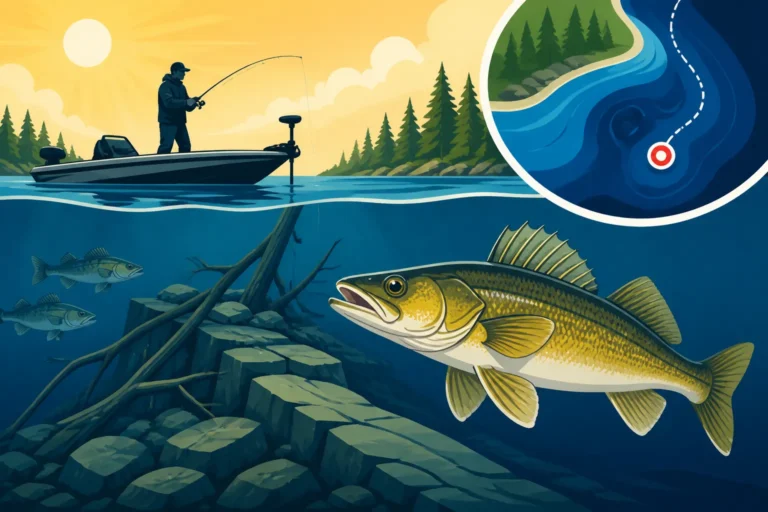
Once water temperatures start to climb into the upper 40s and 50s Fahrenheit, bowfin, like many other species, will begin to move from deeper wintering holes into shallower areas. They're looking for warmer water to boost their metabolism and begin preparing for the spawn. During this time, you'll find them congregating in shallow bays, protected coves, and river backwaters that absorb sunlight quickly. These are often the same areas where northern pike or bass might be found. Look for dead weeds from the previous year, submerged timber, or the first hints of new weed growth. They’ll be cruising these areas, feeding aggressively to build up energy.
Spawning Habits and Post-Spawn Activity
Bowfin typically spawn when water temperatures reach the mid-60s Fahrenheit, usually from late April through June in Minnesota, depending on how quickly spring progresses. They'll create circular nests in shallow, vegetated areas, often cleared out by the male. What’s really cool is that the male bowfin guards the nest and fry aggressively after the eggs hatch, sometimes for several weeks. During this guarding period, they're incredibly protective and will strike at anything perceived as a threat.
This post-spawn aggression can lead to some truly spectacular fishing opportunities. If you locate a nest (often visible as a cleared-out depression in shallow, muddy, or silty bottoms), a well-placed lure can elicit an immediate, fierce strike. Think about tossing a spinnerbait or a weedless jig into these areas. You’ll be amazed at the force with which they hit. Remember, though, to practice catch and release for these guardians, as removing them can leave their offspring vulnerable. If you're wondering how to properly handle them, checking out best practices for Catch and Release Best Practices in Minnesota can be really helpful.
Summer Patterns for Bowfin: Heat and Heavy Cover
When the brutal Minnesota summer heat sets in, and many anglers are focused on deep water walleye or chasing muskie, bowfin continue to thrive in their shallow, weedy domains. In fact, summer is arguably one of the best times to find them, precisely because they love the warm water and dense cover that can deter other anglers. They become true ambush predators in these conditions.
Seeking Dense Aquatic Vegetation
As lake temperatures climb into the 70s and 80s, bowfin gravitate towards the densest patches of aquatic vegetation. This isn't just for cover from predators, though they appreciate that too. These weed beds provide shade, cooler water microclimates, and, most importantly, a buffet of forage fish, frogs, and insects. Look for extensive lily pad fields, thick emergent bulrushes, cattails, or dense submerged coontail and milfoil beds in shallow bays and channels. The edges where these weed lines meet deeper water are also prime ambush points.
During midday, when the sun is highest, bowfin will often bury themselves deep within these mats, almost invisible. But don't let that fool you; they're still there, waiting. How to Catch Bowfin in Minnesota (Step by Step) can definitely guide you on specific techniques for these tough conditions. For gear, a heavy-action rod and strong braided line are essential when pulling these powerful fish out of thick cover. You can find durable options like KastKing braided line or Sufix Performance Braid easily on Amazon, which can withstand the abrasion of heavy weeds.
Low-Light Feeding and Surface Activity
While they hug the cover during the brightest parts of the day, bowfin become more active and opportunistic feeders during low-light periods. This means early mornings, late evenings, and even into the night can be fantastic times to target them. During these times, they'll patrol the outer edges of weed lines and even venture into slightly more open water.
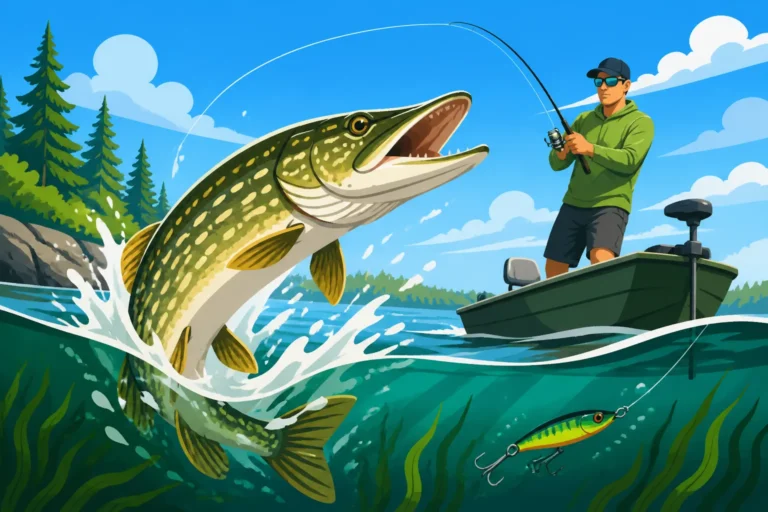
You might even see them gulping air at the surface, which is a dead giveaway to their presence. Topwater lures, such as frogs or walk-the-dog style baits, can be incredibly effective during these times. The explosion of a bowfin hitting a topwater lure near a lily pad is a heart-stopping experience. Spinnerbaits and chatterbaits retrieved just over the weed tops are also excellent choices for provoking a strike from these aggressive feeders.
Fall Patterns for Bowfin: Pre-Winter Feeding
As autumn leaves start to change colors and the crisp air signals the approach of winter, bowfin shift their patterns once again, focusing on fattening up before the long, cold months. This pre-winter feeding frenzy can provide some of the most consistent action of the year, especially as other species might be getting harder to find.
Following Forage into Channels and Backwaters
As water temperatures begin to drop in the fall, many baitfish will start to move out of the shallowest, coolest bays and into slightly deeper channels, river bends, and backwater areas that retain warmth a bit longer. Bowfin will follow this forage. You'll still find them associated with cover, but it might be slightly deeper weed lines, submerged timber, or rocky points near those deeper channels. Focus on areas where there's a good transition from shallow to deeper water, particularly in systems like the Mississippi or St. Croix Rivers. Mississippi River Fishing: Mississippi, Minnesota & St. Croix is a great resource if you're looking to target these river systems.
They're still incredibly aggressive feeders, and as the metabolism of other cold-blooded prey (like frogs) slows down, bowfin will zero in on fish. Using larger swimbaits, jerkbaits, or even big spinnerbaits can be very effective. The key is presenting these lures near cover where bowfin can launch an ambush attack.
Prolonged Activity in Cooling Waters
One of the great things about bowfin in the fall is their ability to remain active longer than many other warm-water species. Their tolerance for lower oxygen levels means they aren't as negatively impacted by cold snaps or early ice as some other fish. They will continue to feed aggressively until water temperatures dip significantly, often well into November in many parts of Minnesota. This extended active period makes them a fantastic target for late-season angling, offering a chance to extend your open-water fishing adventures. Remember to dress warmly! If you're ever curious about What Fish Are in Minnesota Lakes? (Common Species), bowfin are definitely a unique and resilient part of our ecosystem.
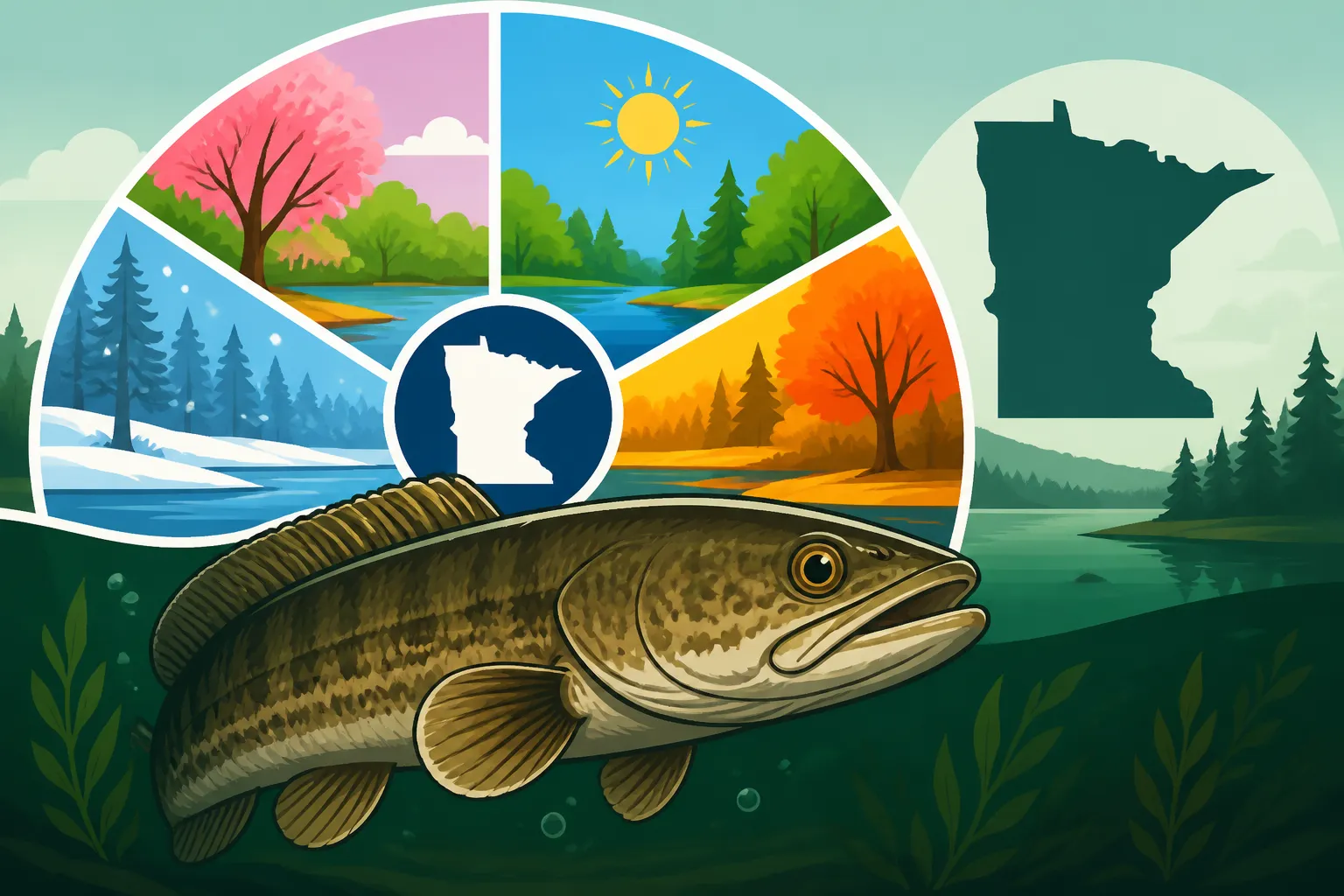
Here's a quick summary of seasonal bowfin patterns:
| Season | Water Temperature Range | Primary Habitat | Key Behaviors | Recommended Lures/Baits |
|---|---|---|---|---|
| Spring | 45-65°F | Shallow bays, protected coves, river backwaters with dead/new weeds | Pre-spawn feeding, spawning, male guarding nests | Spinnerbaits, weedless jigs, soft plastics |
| Summer | 70-85°F | Dense lily pads, thick emergent/submerged weed beds | Ambush predation from cover, low-light surface activity | Topwater frogs, spinnerbaits, chatterbaits, weedless jigs |
| Fall | 60-40°F | Deeper weed edges, channels, river bends, submerged timber | Following forage, aggressive pre-winter feeding | Spinnerbaits, jerkbaits, larger swimbaits, lipless cranks |
As you can see, understanding these seasonal patterns and where to find these incredible fish will greatly improve your chances. Make sure you have the right gear, too. You can stock up on effective fall lures like large crankbaits and swimbaits on Amazon before your next trip.
Choosing the Right Gear for Bowfin
Tackling bowfin successfully requires specific gear that can stand up to their powerful runs and their preference for snaggy cover. They're not delicate fish, and fishing for them with inadequate tackle often leads to heartbreak and lost lures. Think about the strength and durability of the equipment you'd use for a tough northern pike, and then maybe go a step further.
Heavy Duty Rods and Reels
For bowfin, a medium-heavy to heavy power spinning or baitcasting rod, typically 6'6" to 7'6" in length, is ideal. You need a rod with enough backbone to really muscle a fish out of heavy cover and absorb their powerful head shakes. Pair this with a sturdy spinning reel in the 3000-4000 series or a robust baitcasting reel with a good drag system. Brands like Penn, Shimano, or Daiwa offer many reliable options that won't break the bank. You can often find great deals on these through online retailers.
When it comes to line, forget about light monofilament. Braided line is your best friend. A 30-50 pound test braided line is a solid choice. Its minimal stretch helps you feel subtle bites in heavy cover, and its incredible strength is crucial for pulling fish out of thick vegetation without snapping. Consider adding a fluorocarbon leader, around 20-30 pound test, for abrasion resistance, especially when fishing around submerged wood or rocky areas. Understanding Best Fishing Line for Walleye (Braid vs Mono vs Fluoro) can give you good insight into line choices that apply to many strong fighting fish, including bowfin.
Lure Selection for All Seasons
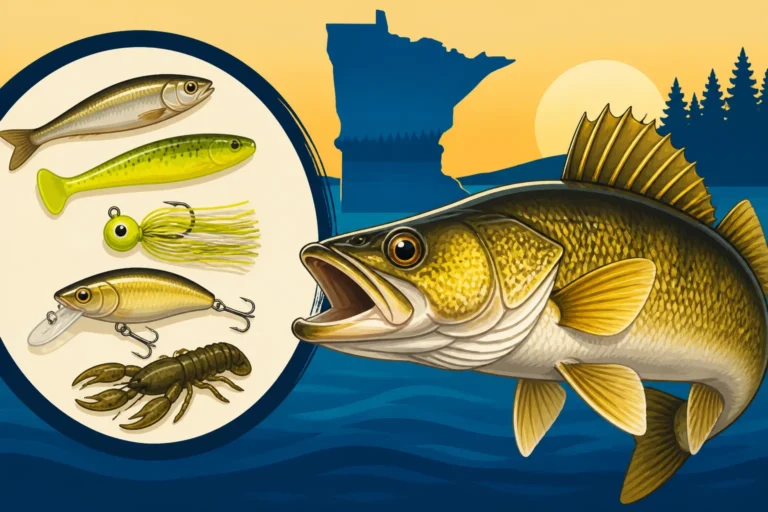
The best lures for bowfin are generally those that are weedless or can be retrieved through heavy cover effectively. Spinnerbaits, particularly those with a single Colorado blade for maximum vibration and flash, are year-round producers. Chatterbaits (bladed jigs) are also fantastic, offering a unique vibration and profile that bowfin can't resist.
Weedless soft plastic frogs, fished over lily pads, are deadly in summer. Similarly, soft plastic swimbaits rigged weedless on a weighted hook are versatile and can be fished through various types of vegetation. For open water situations, or when fishing deeper weed lines, lipless crankbaits or even robust jerkbaits can draw strikes. Don't forget heavy jigs tipped with a minnow or a chunk of cut bait for a more natural presentation, especially in cooler waters. You can explore a wide variety of these effective lures for Best Lures & Baits for Minnesota by Species on Amazon.
Disclaimer
Fishing regulations and species behavior can change. Always consult the latest Minnesota Department of Natural Resources (DNR) fishing regulations before heading out on the water. This guide is for informational purposes only and does not constitute legal advice.