Is a Fishing License Required on Upper Red Lake?
You are finally packed, the truck is loaded with enough snacks to survive a week, and your GPS is set for Waskish. But as you hit the road, a nagging question creeps in: do you actually need a state license for a lake that is partly owned by a Sovereign Nation? Many anglers get confused by the unique jurisdictional split of the Red Lake system. This guide clears up every legal hurdle so you can focus on the bite rather than looking over your shoulder for a conservation officer.
The Definitive Answer on Licensing for Upper Red Lake
To put it bluntly: yes, you absolutely need a valid Minnesota fishing license to fish the state-managed portion of Upper Red Lake. While the lake is famous for its "Wild West" reputation during the early ice season, it is very much under the jurisdiction of the Minnesota Department of Natural Resources (DNR). Whether you are sitting in a luxury sleeper house or casting from the shore near the Tamarac River, the law requires you to have your credentials ready for inspection at any moment.
The confusion usually stems from the fact that Red Lake is actually two distinct bodies of water: Upper Red and Lower Red. Lower Red Lake is entirely within the boundaries of the Red Lake Nation and is closed to non-tribal members. However, Upper Red Lake is split. About 60% of Upper Red (the western portion) belongs to the Red Lake Nation and is also off-limits to the general public. The remaining 48,000 acres on the eastern side are state-managed. If you are fishing in that state-managed section, you are bound by all Minnesota Fishing License: Cost, Types & How to Buy (2026) requirements.
It is a common misconception that staying at a resort or hiring a guide covers your licensing. In Minnesota, the responsibility of having a license falls entirely on the individual angler. Conservation officers frequently patrol the ice and the water, especially during peak walleye runs. Being caught without one can result in hefty fines and the confiscation of your gear, which is a surefire way to ruin a trip to the legendary "Big Red."
Tribal vs. State Boundaries
Navigating the boundary between state and tribal waters is the most critical part of your trip. Because the western part of Upper Red Lake is tribal land, you cannot simply wander across the lake in your boat or truck. The boundary is generally marked on modern GPS units and lake maps, and it is your job to know where it is. Fishing on the tribal side without a specific tribal permit (which are generally not issued to non-members for fishing) is considered trespassing on sovereign land.
Most anglers stick to the eastern shore near Waskish, where the resorts are concentrated. If you are unsure about the boundaries, consult the Upper Red Lake Fishing Regulations (2026) before heading out. The DNR and tribal authorities take these boundaries very seriously. Even if you aren't fishing, just being on the wrong side of the line with fishing gear in your possession can lead to a legal headache that involves tribal court rather than just a standard state ticket.
Who is Exempt from the License Requirement?
While most adults need a license, there are a few exceptions based on age and residency status. Minnesota residents under the age of 16 do not need a license to fish Upper Red Lake. Similarly, residents who are 90 years of age or older can fish for free without a license, though they must still follow all Upper Red Lake Walleye Limit & Slot regulations.
For non-residents, the rules are slightly different. While kids under 16 generally don't need their own license if they are fishing with a licensed parent or guardian, any fish they keep will count toward the adult’s limit. If a non-resident youth wants their own separate limit, they may need to purchase a specific Nonresident Fishing in Minnesota: Licenses & Rules permit. Always double-check the current year’s age brackets, as these can occasionally shift during legislative sessions.
Types of Licenses Available for Your Trip
Choosing the right license depends on how long you plan to stay and whether you are a resident of the Gopher State. If you are just heading up for a quick weekend of "run and gun" ice fishing, a short-term license might be your most cost-effective option. However, if you plan to hit the Minnesota Fishing Seasons & Opener Dates (2026) for multiple species throughout the year, an annual license is almost always the better value.
For many, the 24-hour or 72-hour licenses are perfect for a one-off trip to Upper Red. These are calculated to the minute, meaning if you buy a 24-hour license at 2:00 PM on Friday, it is valid until 2:00 PM on Saturday. This is particularly helpful for ice anglers who might arrive late in the afternoon to set up their gear. Just be aware that if you decide to stay an extra day because the walleyes are stacking up, you'll need to renew immediately.
Resident vs. Non-Resident Costs
The price gap between residents and non-residents is significant, but that is the reality of state-funded conservation. Minnesota residents pay a subsidized rate because their tax dollars already support the DNR’s efforts in stocking and habitat management. If you are traveling from out of state, expect to pay roughly double for an annual pass. You can find a deep breakdown of these prices in our guide on How Much Is a Nonresident Minnesota Fishing License? to help you budget for the trip.
There are also "Combination" licenses available for married couples. These are often a great deal for families who spend their weekends at the cabin or in a wheelhouse. It allows both spouses to fish legally under a single (though slightly more expensive) permit. Note that both individuals must be present or have their own copy of the license on them while fishing.
Special Stamps and Add-ons
While Upper Red Lake is primarily a walleye, northern pike, and crappie fishery, you should consider if you'll be hitting other waters on your way up or down. For example, if you plan to stop at a trout stream in the middle of the state, you would need a trout stamp. However, for Upper Red Lake specifically, there is no "Walleye Stamp" or special surcharge beyond the standard fishing license.
Some people ask about a "Red Lake Permit." To be clear, there is no such thing for the state-managed side of the lake. Your standard Minnesota fishing license is all that is required for the state's portion of the water. If you are interested in the technicalities of why certain fish require extra fees, you can read up on Do You Need a Trout Stamp in Minnesota? to see how those funds are allocated.
| License Type | Resident Cost (Approx) | Non-Resident Cost (Approx) | Validity |
|---|---|---|---|
| Annual Individual | $25.00 | $51.00 | Full Season |
| Annual Married Couple | $35.00 | $82.00 | Full Season |
| 72-Hour Individual | $14.00 | $36.00 | 3 Consecutive Days |
| 24-Hour Individual | $12.00 | $14.00 | 24 Hours from Purchase |
| Youth (Under 16) | Free | Free* | N/A |
Where and How to Buy Your License
In the old days, you had to stop at a bait shop or a gas station and wait for someone to hand-write a carbon copy license. While you can still buy them in person, the process has moved largely online. However, Upper Red Lake is located in a relatively remote part of Northern Minnesota, and cell service can be notoriously spotty once you get north of Blackduck.
I highly recommend purchasing your license before you lose signal. If you wait until you are standing on the ice in Waskish to try and load the DNR website, you might find yourself staring at a loading screen for an hour. The best practice is to buy it at home and take a screenshot of the confirmation, or better yet, save the PDF to your phone’s files so it’s accessible offline.
Online and Mobile Options
The most convenient way to handle this is through the official Minnesota DNR website. The system is relatively user-friendly and allows you to store your license digitally. You can learn the step-by-step process in our guide on How to Get a Minnesota Fishing License Online. Once purchased, you are legally covered immediately. You don't need to wait for a physical card to arrive in the mail; the digital copy or a printed version is perfectly legal.
If you are a frequent visitor, you might want to create an account on the DNR licensing site. This saves your ID information and residency status, making future renewals a thirty-second process. This is a lifesaver when you're in a rush to get to the lake for the morning bite.
Local Bait Shops in Waskish
If you prefer the tradition of stopping at a local shop, Waskish has several iconic spots that sell licenses. Places like West Wind Resort or the local gas stations are staples for the Upper Red community. Stopping in to buy a license is also the best way to get a live "fishing report." These shop owners see hundreds of anglers a day and can tell you exactly what depth the walleyes are sitting at and what color jig is working.
Supporting these local businesses is a huge part of the Waskish economy. Even if you already have your license, stopping in for a scoop of minnows or a new Best Walleye Lures: Jigs, Cranks & Spinners is a great way to give back to the community that maintains the ice roads and access points. Just remember that during the busy "Ice Opener," the lines for licenses can be long, so factor that into your travel time.
Understanding Upper Red Lake Regulations (2026)
Having the license is only the first half of staying legal. Upper Red Lake has some of the most specific and frequently changing regulations in the state. Because the walleye population is so carefully managed to avoid the crashes seen in the 1990s, the DNR often adjusts the bag limits and "slot" sizes mid-season.
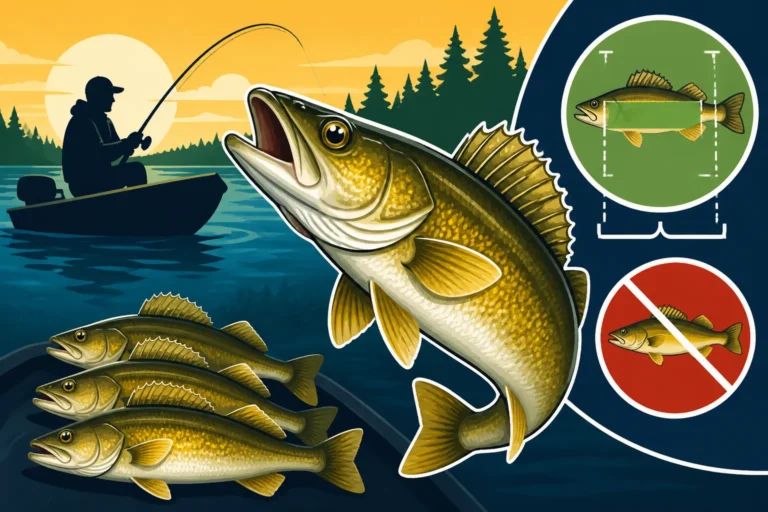
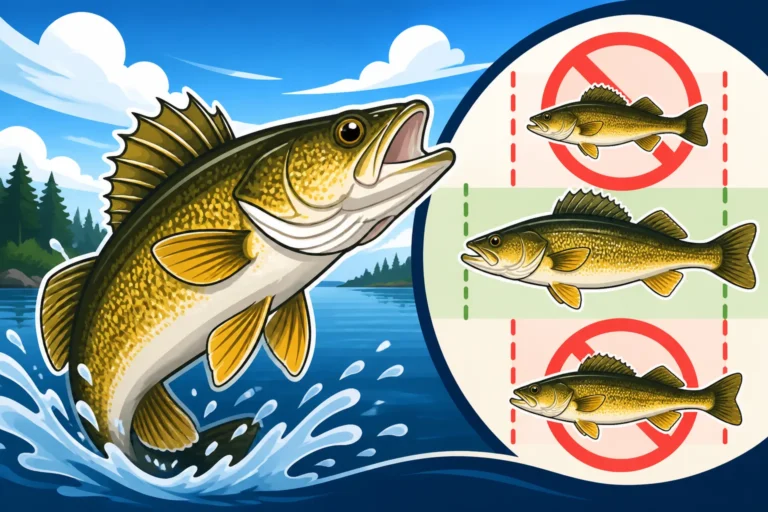
Before you drop a line, you must know How Many Walleye Can You Keep in Minnesota? for that specific month. For example, some years allow four walleyes with a strict slot where everything between 17 and 26 inches must be released. Other years, the limit might drop to two or three fish to protect the spawning class. Never assume the rules are the same as last year.
Seasonal Changes and Ice Fishing Rules
The rules for Minnesota Ice Fishing & Shelter Rules apply heavily here. Upper Red is a shallow, wind-swept lake, which means it freezes early and stays frozen late. During the ice season, you are allowed to use two lines, provided you are staying within the legal distance of them. This is a huge advantage for those who like to run a "deadstick" with a minnow while actively jigging with a spoon in the other hole.
In the summer, however, you are limited to a single line per angler unless you are on specific border waters (which Upper Red is not). This is a common point of confusion for folks who come up for the first time in a boat. If you're caught with two rods in the water during June, you'll be getting a ticket, regardless of how many licenses you have.
Possession and Transport Laws
Once you've caught your limit, you have to get them home legally. Minnesota has very strict "possession limit" laws. This means you cannot have more than the daily limit in your freezer at the cabin or in your cooler on the way home. If the limit is four fish, you can't catch four on Friday, eat none, and catch four more on Saturday. You are allowed to have one daily limit in your possession at any given time.
For a deeper dive into how this works, especially if you're on a multi-day trip, check out our explanation of Minnesota Possession Limits Explained. Additionally, all fish must be transported in a way that they can be easily counted and measured. This usually means keeping the "skin patch" on fillets so the species can be identified. On Upper Red, where slot limits are king, keeping fish whole until you get to your final destination is often the safest bet to avoid any measurement disputes with an officer.
Final Thoughts for Your Upper Red Adventure
Upper Red Lake is one of the most rewarding fisheries in North America. The sheer volume of walleye and the chance at a trophy crappie make it a bucket-list destination for any serious angler. By ensuring you have the correct license and staying updated on the current year's slot limits, you remove the stress of legal trouble and can fully immerse yourself in the experience.
Whether you are braving the sub-zero temperatures in an Ice Fishing in Minnesota: Complete Beginner-to-Pro Guide scenario or enjoying a sunset boat ride in July, the rules exist to ensure that "Big Red" remains a world-class fishery for your kids and grandkids. Double-check your pockets for that license, keep your measuring tape handy, and good luck out there on the mud flats.
Disclaimer
The information provided in this guide is for educational and informational purposes only. While we strive to provide the most up-to-date facts regarding Minnesota fishing regulations and licensing, laws and fees are subject to change by the Minnesota Department of Natural Resources (DNR) and the state legislature. Always consult the official Minnesota Fishing Regulations handbook or the DNR website before your trip to ensure you are in compliance with the most current laws. Fishing without a license or violating slot limits can lead to significant legal penalties.