Upper Red Lake Fishing Regulations (2026)
One of the most common frustrations for anglers heading to Minnesota's legendary waters is the sheer complexity of fishing regulations, and few lakes exemplify this more than Upper Red Lake. What might seem like a simple day on the water can quickly become a headache if you’re not up-to-date on the specific, often unique, rules for this massive and prolific fishery. This comprehensive guide is here to untangle the Upper Red Lake fishing regulations for 2026, ensuring you understand the ins and outs of bag limits, possession limits, and size restrictions before you even cast your first line.
Why Upper Red Lake Regulations Are Unique
Upper Red Lake stands out as a true gem in Minnesota's vast network of fishing waters, but its management, and thus its regulations, are distinctly different from most other lakes across the state. These aren't just your standard statewide rules with a few tweaks; Upper Red Lake operates under a unique co-management agreement that shapes everything from walleye limits to season dates. This setup is crucial for understanding why checking the specific rules for Upper Red Lake is always your first step.
A History of Walleye Management
To truly appreciate the current regulations on Upper Red Lake, it helps to understand its incredible comeback story. For many years, unchecked harvest and other factors led to a severe decline in the walleye population, pushing this once-thriving fishery to the brink. It was a tough time for anglers and the ecosystem alike, and strict measures had to be put in place to give the walleye a fighting chance. There were periods where the walleye season was completely closed or had incredibly restrictive limits, all designed to allow the population to rebound.
Over the past couple of decades, thanks to intensive management efforts, including reduced harvest, spawning habitat improvements, and careful stocking, the walleye population in Upper Red Lake has seen a remarkable recovery. It’s a testament to what dedicated conservation can achieve. This history of boom and bust, and now, stable abundance, means the regulations are often adjusted to maintain that delicate balance, ensuring that the fishery remains healthy for generations to come. Anglers who remember the lean years are often the most diligent about following the current rules, understanding the long-term impact of their actions.
The Role of the Red Lake Nation
Perhaps the most defining aspect of Upper Red Lake's regulatory framework is the co-management agreement between the Minnesota Department of Natural Resources (DNR) and the Red Lake Band of Chippewa Indians. The Red Lake Nation owns the majority of the lake, with the southeastern portion falling under Minnesota state jurisdiction. This unique situation necessitates a collaborative approach to resource management, leading to regulations that are jointly determined to ensure sustainable use for both tribal members and non-tribal anglers.
This co-management means that while many statewide Minnesota fishing regulations apply, there are often specific exceptions or additions for Upper Red Lake, particularly concerning walleye. The Red Lake Nation’s traditional ecological knowledge and long-term stewardship of the lake play a significant role in these decisions. It's a prime example of successful tribal-state partnership in natural resource management, but it does mean anglers need to pay extra close attention to the details, as regulations might differ from neighboring lakes. This partnership ensures that the health of the fishery is prioritized above all else.
Understanding the 2026 Upper Red Lake Walleye Regulations
When you're out on the ice or in your boat, the last thing you want is a surprise from a conservation officer because you misunderstood the rules. For 2026, Upper Red Lake continues its adaptive management approach to walleye, which means the regulations are designed to sustain the fishery while allowing for reasonable harvest. Always double-check the latest official Minnesota DNR regulations, as these rules can sometimes be adjusted based on population assessments and harvest levels.
Bag and Possession Limits Explained
Let's cut right to it: the walleye regulations on Upper Red Lake are typically structured to allow for a sustainable harvest while protecting the future of the species. For 2026, the general rule is a specific bag limit and an identical possession limit. The bag limit refers to the number of fish you can keep in a single day, while the possession limit is the total number of fish you can have on hand, whether in your livewell, cooler, or freezer at home. On Upper Red Lake, these two numbers are generally the same.
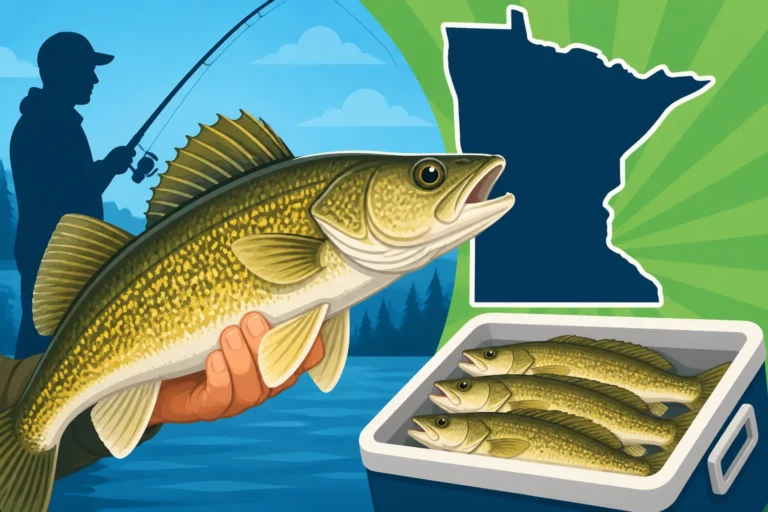
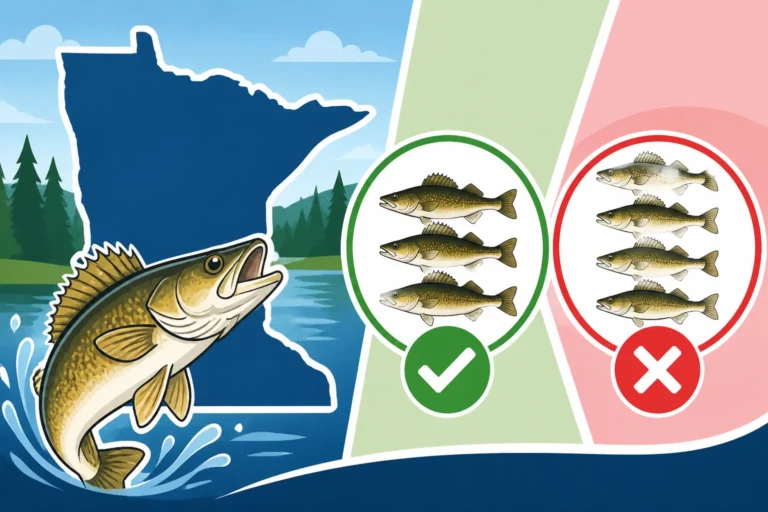
Based on recent management trends and projected populations, anglers targeting walleye on Upper Red Lake in 2026 can expect a daily bag and possession limit of four walleye. This limit is a carefully calculated figure designed to allow anglers to enjoy their catch while ensuring that enough fish remain in the system for spawning and population growth. It’s a generous limit that speaks to the success of the lake’s recovery efforts. Remember, you can't go out, catch your four, bring them home, and then go out again on the same day for another four if you still have the first four in your possession. That's the key difference between daily bag and possession; you can't exceed four total fish in your possession at any given time from Upper Red Lake. For a broader understanding of statewide rules, you might find our guide on Minnesota Fishing Limits: Bag & Possession (2026) helpful.
Navigating Size Restrictions (Slot Limits)
Beyond the simple count of fish, Upper Red Lake often employs a protective slot limit for walleye. This means that certain size ranges of fish must be immediately released. These slot limits are not put in place to make your life harder; rather, they are a powerful tool used by fisheries managers to protect important spawning-sized fish. By safeguarding these larger, reproductively mature walleye, the lake's ability to naturally replenish its population is greatly enhanced.
For 2026, Upper Red Lake's walleye regulations will likely continue to include a slot limit. Typically, this means you must release any walleye that falls within a certain size range. For example, a common regulation has been to release all walleye from 17 to 26 inches. This protects the prime breeding stock, ensuring they can continue to spawn and contribute to the next generation of walleye. Anglers are often allowed to keep one walleye over the upper end of that slot, for instance, one fish over 26 inches, out of their total bag limit. So, if the limit is four fish, and the slot is 17-26 inches, you might keep three under 17 inches and one over 26 inches, or four under 17 inches, but none in the 17-26 inch range. It's crucial to measure your fish immediately and accurately. Our piece on What Size Walleye Can You Keep in Minnesota? provides more context on how these limits work across the state.
Other Key Species Regulations
While walleye often steal the spotlight on Upper Red Lake, it's a diverse fishery with excellent opportunities for other species. It's important to remember that general statewide regulations apply to these species unless specifically noted otherwise for Upper Red Lake. These regulations are subject to change, so always check the latest Minnesota DNR fishing regulations pamphlet.
- Northern Pike: Upper Red Lake can produce some impressive northern pike. The statewide Northern Pike Season & Limit in Minnesota often uses a zone-based system (North, Central, South), and Upper Red Lake falls within the Northern Zone. This typically means a generous daily bag limit, but often with a protected slot limit to encourage the growth of larger fish. For 2026, you'll generally find that pike regulations are aimed at managing overall numbers while encouraging trophy potential.
- Crappie and Sunfish: Panfish are abundant in Upper Red Lake, and they offer fantastic winter and summer fishing. The statewide Crappie Season & Limit in Minnesota and sunfish regulations usually apply. It's common to see a combined aggregate limit for sunfish and crappie in many Minnesota waters, although some specific lakes may have reduced panfish limits to protect against overharvest.
- Yellow Perch: Upper Red Lake is renowned for its yellow perch population, often yielding "jumbo" perch that are a blast to catch and excellent table fare. The Yellow Perch Season & Limit in Minnesota is typically very liberal, often allowing a high daily bag limit, reflecting their abundant status and importance as a forage species for walleye and pike.
Always consult the official DNR regulations specific to Upper Red Lake for exact limits and dates for these, and any other species you plan to target.
Here’s a quick overview of potential walleye regulations for Upper Red Lake in 2026. Please note these are typical and should always be verified with the official Minnesota DNR regulations for the current year.
| Species | Daily Bag Limit | Possession Limit | Size Restrictions (Slot Limit) | Notes |
|---|---|---|---|---|
| Walleye | 4 | 4 | Release 17-26 inches; 1 over 26" allowed in possession | Subject to change based on population assessments and harvest |
| Northern Pike | Typically generous (e.g., 10), with protected slot | Same as Daily Bag | Varies by zone (Upper Red Lake in Northern Zone) | Check official DNR for specific slot and bag |
| Crappie | Varies (e.g., 10-15) | Same as Daily Bag | None specifically for URL; statewide limits apply | May have reduced limits on specific lakes |
| Sunfish | Varies (e.g., 10-20) | Same as Daily Bag | None specifically for URL; statewide limits apply | May have reduced limits on specific lakes |
| Yellow Perch | Typically generous (e.g., 20) | Same as Daily Bag | None specifically for URL; statewide limits apply | Abundant and excellent table fare |
Practical Tips for Fishing Upper Red Lake Under the Rules
Navigating fishing regulations, especially on a lake with unique management like Upper Red Lake, can feel like a chore. But with a little preparation and vigilance, you can ensure your fishing trip is both successful and compliant. These tips are designed to help you stay on the right side of the rules and contribute to the sustained health of this incredible fishery.
Always Check for Last-Minute Changes
This is perhaps the most critical piece of advice for fishing Upper Red Lake. While I've outlined the likely regulations for 2026 based on historical patterns and current management, the walleye population on Upper Red Lake is intensely monitored, and regulations can be adjusted even mid-season if biological data indicates a need. A sudden spike in harvest or a change in population assessment might trigger an emergency regulation change. Imagine planning your trip for months, only to find the limits changed the week before!
Before you head out, whether it's for the Minnesota Walleye Opener 2026 or an ice fishing excursion in February, make it a non-negotiable habit to check the official Minnesota DNR website or call the local area office. You can usually find the most current information in the annual Minnesota Fishing Regulations PDF, or on the DNR's specific lake pages. This is particularly important if you're planning an extended trip or fishing early in the season, as initial projections can sometimes be refined. A quick check can save you from a costly citation and the disappointment of an illegal catch.
Proper Fish Handling for Release
Given the frequent use of slot limits on Upper Red Lake, understanding and practicing proper catch-and-release techniques is paramount. When you catch a walleye that falls within the protected slot, you must release it immediately and unharmed. This isn't just a suggestion; it's a critical part of the management strategy that allows the lake's breeding stock to thrive.
Here’s how to do it right:
- Minimize Handling: Try to keep the fish in the water as much as possible. If you must bring it aboard, do so gently.
- Wet Hands: Always wet your hands before touching a fish. Dry hands can remove the fish's protective slime coat, making it vulnerable to disease.
- Support the Fish: Cradle the fish horizontally, supporting its belly. Avoid holding it vertically by the jaw or gill plates, which can damage its internal organs or spine, especially with larger fish.
- Quick Release: Have your measuring device ready. Measure, unhook, and release as quickly as possible. If the fish is deeply hooked, consider cutting the line close to the hook rather than trying to remove it, as this can do more harm. Many anglers carry a dehooking tool for this reason.
- Revive If Necessary: If the fish seems sluggish, gently hold it upright in the water, facing into the current, until it regains its strength and can swim away on its own.
Our detailed guide on Catch and Release Best Practices in Minnesota offers even more tips to ensure your released fish have the best chance of survival.
Staying Informed
Beyond just checking the regulations before your trip, staying generally informed about Minnesota fishing regulations throughout the year is a good practice. Fisheries management is a dynamic field, and changes can occur for various reasons, from new biological data to evolving conservation goals.
- DNR Website: The Minnesota DNR website is your primary source for all official regulations. They often have dedicated pages for specific lakes, including Upper Red Lake, where you can find the most up-to-date information, including any emergency closures or special provisions.
- Local Bait Shops: The folks working at bait shops around Upper Red Lake, such as those in Baudette or other nearby towns, are invaluable resources. They're often the first to know about local conditions, fishing reports, and any recent regulation changes. Don't be shy about asking them for the latest scoop when you pick up your bait.
- Fishing Forums and Social Media: Reputable online fishing communities or the DNR's social media channels can also be good places to hear about changes, but always verify any information you find online with official DNR sources.
- DNR News Releases: Sign up for email alerts from the DNR to receive news releases directly in your inbox, including announcements about regulation changes.
By making a habit of checking these resources, you'll always be prepared, ensuring your fishing experience on Upper Red Lake is enjoyable, legal, and contributes to the ongoing health of this spectacular fishery. Knowing the rules means more time fishing and less time worrying!
Disclaimer
Please remember that fishing regulations are subject to change. While every effort has been made to provide accurate and up-to-date information for the 2026 season based on historical patterns and current knowledge, anglers are solely responsible for verifying the most current regulations with the Minnesota Department of Natural Resources (DNR) before fishing. This guide is for informational purposes only and does not supersede official DNR publications or laws.