Namakan Lake Fishing Report & What’s Biting
Namakan Lake presents a unique challenge and a world of opportunity for anglers, but trying to figure out what’s biting and where to even begin in such a vast, intricate border water can feel overwhelming. This comprehensive guide is designed to cut through the confusion, offering a detailed, season-by-season fishing report and actionable strategies for targeting Namakan’s most sought-after species, ensuring your next trip is not just memorable but truly successful.
Getting to Know Namakan Lake: More Than Just Water
Namakan Lake isn't just another body of water in Minnesota; it's a wild, rugged, and truly special place, forming a significant portion of the international border between the United States and Canada. Its sheer size, coupled with its pristine wilderness setting within Voyageurs National Park, means it fishes differently than most inland lakes. Understanding its unique characteristics is the first step toward unlocking its fishing potential.
The Border Water Dynamic and Its Impact on Your Trip
Fishing Namakan Lake means navigating not just the depths but also international boundaries. This expansive lake is part of the chain of lakes that make up Voyageurs National Park, straddling both Minnesota and Ontario. This dual nationality impacts everything from where you can cast a line to the licenses you need. For instance, if you plan to cross into Canadian waters, even just for a moment, you'll need an Ontario fishing license in addition to your Minnesota one. This can feel like a bureaucratic hurdle, but it's crucial for avoiding hefty fines and ensuring a smooth trip. Always have your documentation in order, including passports if you intend to land on Canadian soil. This unique situation often means that a fishing report for Namakan Lake needs to consider both sides of the coin, though our focus here will remain primarily on the Minnesota portions. Remember to consult official sources for the most up-to-date information on border crossing requirements and fishing regulations.
Key Structure and Habitat for Namakan's Diverse Fish
Namakan Lake is a mosaic of habitats, ranging from shallow, weedy bays to deep, cold basins, rocky points, and intricate island structures. This diversity is precisely what makes it such a phenomenal fishery, supporting a wide array of species. The lake boasts depths that can exceed 150 feet, providing sanctuary for cold-water species like lake trout, especially in summer.
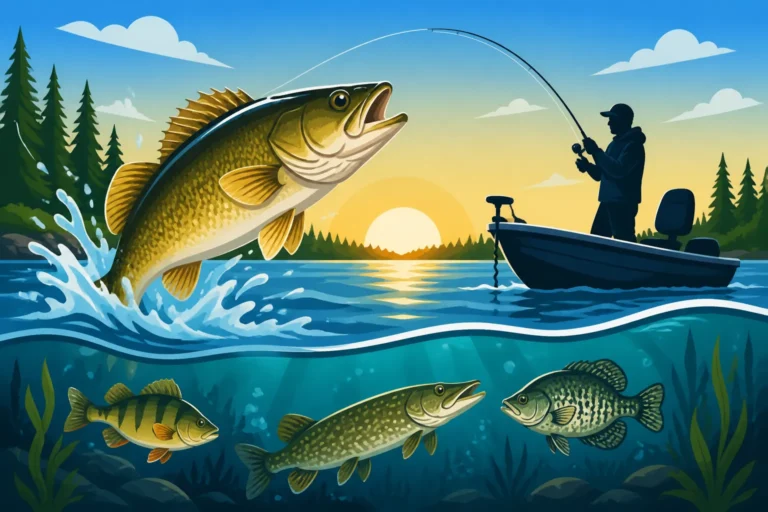
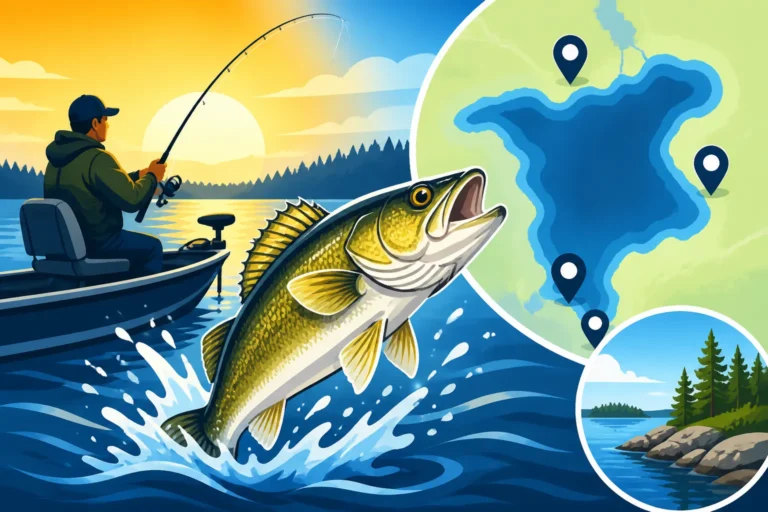
You'll find countless islands and submerged reefs, often peppered with jagged rock formations, which are prime ambush points for walleye and northern pike. The numerous inlets and outlets, including its connection to Rainy Lake and Kabetogama, create subtle current areas where baitfish congregate, attracting larger predators. Near shore, especially in the spring and fall, extensive weed beds and fallen timber offer cover and feeding grounds for crappie, smallmouth bass, and even muskie. Understanding this varied underwater landscape is key to locating fish, regardless of the season. A good topographic map or modern fish finder with detailed mapping capabilities, like those offered by Navionics or LakeMaster, will be your best friend in deciphering Namakan's complex structure.
What's Biting on Namakan Lake: A Seasonal Overview
Namakan Lake's fishing opportunities shift dramatically with the seasons, each bringing its own set of challenges and rewards. Whether you're chasing the spring walleye bite or testing your mettle against winter lake trout, Namakan has something to offer every angler.
Spring Opener Excitement: Walleye, Northern Pike, and Crappie
When the ice finally relents and the Minnesota fishing opener arrives, Namakan Lake truly comes alive. This is prime time for walleye and northern pike. Post-spawn walleye often linger in shallower areas, especially near river mouths, neckdowns, and protected bays where the water warms up faster. They're usually hungry and relatively easy to locate as they recover from spawning. Casting jigs tipped with minnows or slow-trolling crankbaits along these early season transition lines can be incredibly effective.
Northern pike are also very active in the spring, often found cruising the shallow, weedy margins of bays, preparing for their own spawn or recovering from it. Large spinnerbaits, spoons, or even big suspending jerkbaits can entice aggressive strikes. Don't overlook the potential for crappie in the spring; they'll often be found staging in bays with darker bottoms or near sunken timber as they prepare for their spawn. A small jig under a slip bobber, tipped with a minnow or a small plastic, can lead to some fantastic panfish action.
Summer's Bounty: Smallmouth, Muskie, and Lake Trout
As the summer sun warms Namakan's waters, the fish adjust their patterns, moving to deeper, cooler haunts or focusing on specific forage. This is when the lake truly showcases its diversity.
- Walleye transition to classic summer patterns, often found on submerged humps, deep rock reefs, and main lake points, especially during low-light conditions. Trolling with crankbaits or using a bottom bouncer with a spinner rig and a crawler can be deadly. Night fishing for walleye can also be incredibly productive during the summer months.
- Smallmouth bass become a major target, particularly on the numerous rocky points, ledges, and island shorelines. They are aggressive and love to smash topwater lures in the mornings and evenings. During the day, switch to Ned rigs, tubes, or drop-shots fished on rock transitions. For more on these feisty fighters, check out our guide on Smallmouth & Largemouth Bass in Minnesota.
- For the adventurous, summer offers excellent opportunities for muskie. These apex predators patrol the edges of weed lines, rock reefs, and current breaks. Casting large bucktails, jerkbaits, or topwater lures can be exhilarating, though remember that Muskie fishing in Minnesota is often referred to as "the fish of 10,000 casts" for a reason!
- And let's not forget lake trout. Namakan's deep, cold waters provide ideal habitat for these powerful fish. They'll be found in the deeper basins, often suspended over structure or near deep underwater points. Trolling large spoons or stickbaits with downriggers or heavy lead core line is a common tactic. You can also jig for them with heavy spoons or tube jigs. Learn more about How to Catch Lake Trout in Minnesota.
Fall Feast: Aggressive Predators and Pre-Winter Feeding
As the days shorten and water temperatures drop, Namakan's fish enter a crucial pre-winter feeding period, often becoming incredibly aggressive. This is a favorite time for many anglers to target trophy fish.
- Walleye will migrate back shallower in many areas, staging on main lake points, breaks, and around rocky islands, gorging themselves on baitfish. Jigging raps, blade baits, and larger minnow-profile crankbaits are excellent choices.
- Northern pike and muskie are at their most active and heaviest, packing on weight for the lean winter months. They will smash large baits with unparalleled ferocity. Focus on areas where baitfish are abundant, such as the mouths of bays or along prominent rock structures. Casting oversized crankbaits, gliders, and big soft plastics can yield impressive results. Check out our detailed guide on Northern Pike in Minnesota: Identification & Where to Catch for more specific tactics.
Winter Ice Action: Walleye, Crappie, and Lake Trout Through the Ice
Namakan Lake transforms into an ice fishing paradise once it freezes over, offering unique opportunities for several species.
- Walleye are still a primary target, often found over deep main lake humps and reefs. Jigging spoons tipped with minnow heads or small jigging raps are effective. Deadsticking with a live minnow just off the bottom is also a proven tactic.
- Crappie can be found suspended in deep basins or near large submerged timber structures. Small tungsten jigs tipped with wax worms or plastics fished under a sensitive bobber are the way to go.
- Lake trout continue to be a draw, found in the deepest parts of the lake. Heavy spoons, large tube jigs, or even live bait under a tip-up can bring these powerful fish to the hole. The unique challenge of ice fishing on a vast, remote lake like Namakan is an experience every dedicated angler should try.
Here's a quick overview of what's typically biting by season on Namakan Lake:
| Season | Primary Target Species | Key Locations / Habits | Recommended Baits/Techniques |
|---|---|---|---|
| Spring | Walleye, Northern Pike, Crappie | Shallow bays, river mouths, warmer transition areas | Jigs with minnows, spinnerbaits, spoons, slip bobbers |
| Summer | Smallmouth Bass, Walleye, Lake Trout, Muskie | Rocky points, deep reefs, deep basins, weed edges | Topwater, tubes, drop-shots, trolling crankbaits, large spoons, bucktails |
| Fall | Walleye, Northern Pike, Muskie | Main lake points, breaks, areas with abundant baitfish | Jigging raps, blade baits, large crankbaits, gliders |
| Winter | Walleye, Crappie, Lake Trout | Deep humps, basins, suspended over structure | Jigging spoons, jigging raps, tungsten jigs, tube jigs |
Proven Techniques and Essential Gear for Namakan Success
Fishing Namakan Lake, with its diverse species and vast waters, calls for a versatile approach. Having the right techniques and gear in your arsenal can make all the difference between a frustrating outing and a truly rewarding one.
Top Techniques for Walleye and Pike
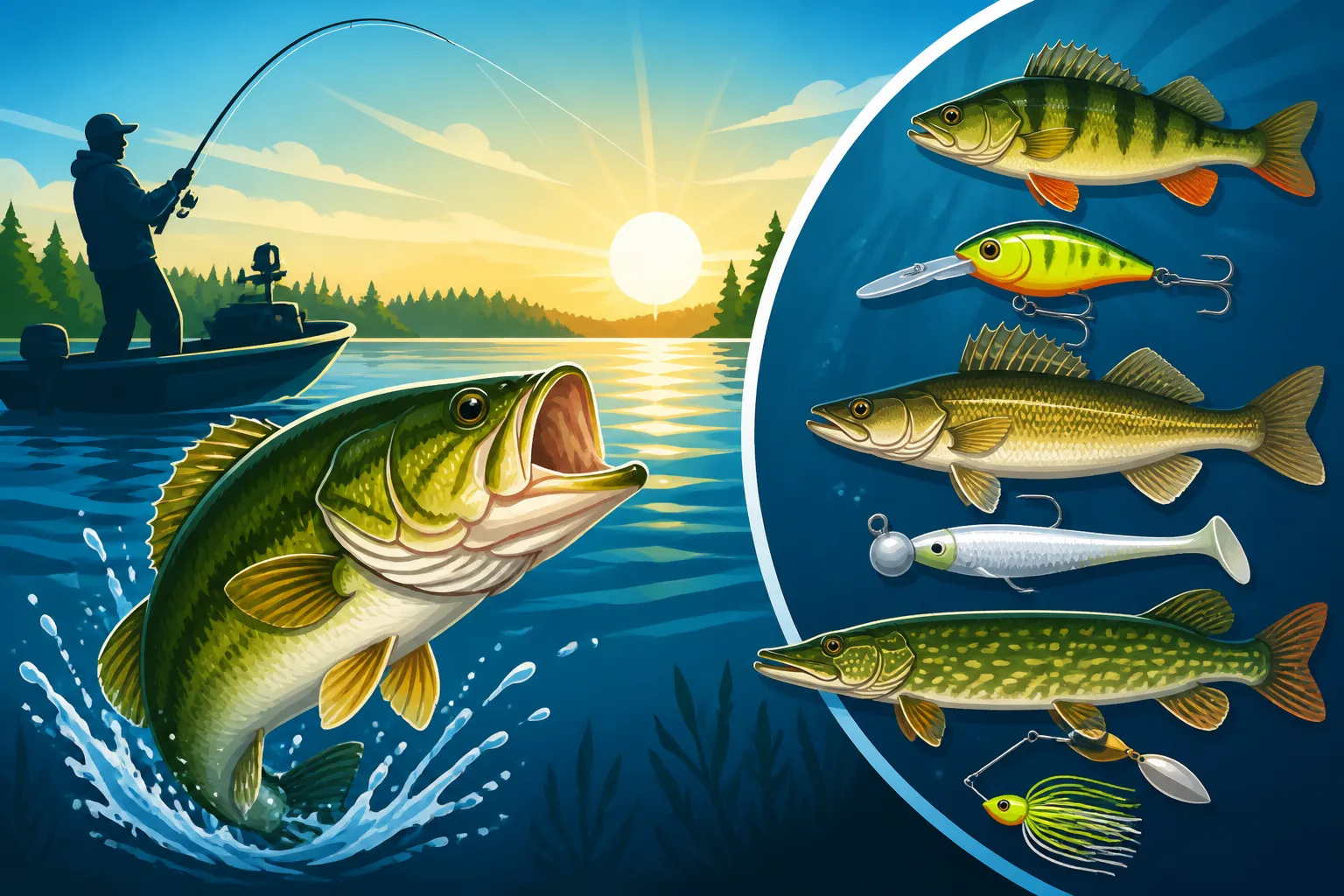
When it comes to Namakan's most popular species, walleye and northern pike, a few techniques consistently produce results. For walleye, especially in the spring and fall, a classic jig-and-minnow presentation is tough to beat. Pitching jigs to rocky points or current areas, letting them hit bottom, and slowly "hopping" them back can trigger strikes. As waters warm, slow-trolling crankbaits like Rapala Shad Raps or Berkley Flicker Shads along break lines or over submerged structure is highly effective. You might also consider using a Lindy Rig or a bottom bouncer with a spinner and a live leech or crawler, especially during the summer months when walleye are deeper. If you're looking to dive deeper into these strategies, our Walleye Fishing Techniques: Complete Minnesota Guide has you covered.
For northern pike, casting large spoons (like Daredevils) or spinnerbaits (such as those from Mepps or Johnson) into shallow, weedy bays or along rocky shorelines is a go-to. Don't be afraid to experiment with large topwater baits in the summer for explosive strikes. Trolling larger crankbaits or even big dead baits under a bobber can also tempt some of Namakan's bigger pike.
Gear Up for Namakan's Diverse Fishery
Given the variety of species and fishing scenarios on Namakan Lake, a well-rounded gear selection is essential.
- Rods and Reels: For walleye and smaller pike, a medium-light to medium power spinning rod (6'6" to 7'2") with a fast action, paired with a 2500-3000 size spinning reel, spooled with 8-10 lb braid and a fluorocarbon leader, will handle most situations. If you're serious about muskie or bigger pike, you'll need heavier baitcasting setups with stout rods (8'+) and robust reels capable of handling heavy line and large lures. For lake trout, a medium-heavy rod for jigging or trolling is ideal.
- Tackle Selection: Beyond specific lures mentioned above, ensure you have a good variety of jigs (1/8 oz to 3/8 oz), spoons, crankbaits (both shallow and deep divers), soft plastics (grubs, swimbaits), and appropriate leaders for toothy critters. Don't forget essentials like pliers, a sturdy net, and a good first-aid kit, especially in a remote setting like Voyageurs.
- Electronics: A reliable fish finder with GPS mapping is almost a necessity on Namakan. The sheer size and complex structure mean that navigation and finding productive spots are greatly aided by modern electronics. Garmin, Humminbird, and Lowrance all offer excellent units with detailed LakeMaster or Navionics mapping. For a good overview of essential gear, especially if you're just starting out, check out our guide on Best Fishing Gear for Beginners in Minnesota By Budget.
- Boat: Given Namakan's size and potential for rough water, a stable, well-maintained boat with a reliable motor is highly recommended. If you plan to explore many areas, consider a boat equipped with a quality trolling motor, like a Minn Kota Terrova, for precise boat control.
Planning Your Namakan Lake Adventure
A trip to Namakan Lake is an adventure, but a successful one requires careful planning, especially when dealing with its unique border water status and remote location within a national park.
Navigating Licenses and Regulations
As mentioned, fishing Namakan means understanding and adhering to both Minnesota and potentially Ontario fishing regulations. For the Minnesota side, you'll need a valid Minnesota fishing license. If you're a non-resident, ensure you purchase the correct license type and understand its duration. You can find comprehensive details on obtaining your license in our guide: Minnesota Fishing License: Cost, Types & How to Buy (2026).
Beyond the license, it's critical to be aware of species-specific regulations. This includes bag limits (how many fish you can keep) and possession limits (how many fish you can have in your possession, including at your lodging). Namakan Lake often has specific slot limits for walleye, northern pike, and other species, designed to protect the fishery and promote sustainable angling. These can change annually, so always consult the latest Minnesota Fishing Regulations handbook or the DNR website before you go. Our article on Minnesota Fishing Limits: Bag & Possession (2026) provides a great overview. Also, be mindful of the rules regarding how many lines can you fish in Minnesota, which typically allows two lines, but check for any exceptions on border waters or specific species.
Finally, remember the critical role of Aquatic Invasive Species (AIS) prevention. Because Namakan is part of Voyageurs National Park and connects to other vast water bodies, preventing the spread of AIS is paramount. Always clean, drain, and dry your boat and gear. Review the Aquatic Invasive Species (AIS) Rules for Boaters before launching.
Finding Guides and Accommodations
For those looking to maximize their time and target specific species with precision, hiring a local guide is invaluable. An experienced Namakan Lake fishing guide knows the lake's vast structure, seasonal patterns, and, crucially, how to navigate the border water complexities without issue. They often provide all the necessary gear and bait, making your trip hassle-free. Platforms like FishingBooker can connect you with experienced local captains who specialize in Namakan Lake, allowing you to compare services, read reviews, and find a guide that matches your fishing goals.
When you're ready to commit, check out the listings on FishingBooker to compare different guide services, read reviews, and find the perfect match for your group's needs. A good guide found through FishingBooker will not only put you on fish but also help you navigate the unique challenges of fishing a border water and explain the local regulations.
Accommodation options around Namakan Lake range from rustic campsites within Voyageurs National Park to full-service resorts and cabins in nearby towns like Orr, Kabetogama, or International Falls. Consider what level of comfort and amenities you desire, and book well in advance, especially for peak season trips. Whether it's a multi-day adventure or a single day of targeting trophy fish, FishingBooker offers a convenient way to plan your guided experience and ensure you're making the most of your Namakan Lake fishing report insights.
Disclaimer
The information provided in this article is for general guidance only and may not be current. Fishing regulations, seasons, and conditions can change rapidly. Always consult the official Minnesota Department of Natural Resources (DNR) website and any relevant park or border authority websites for the most up-to-date and accurate information before planning your fishing trip.