How to Catch Lake Trout in Minnesota
Lake trout fishing in Minnesota can feel like chasing a ghost; these powerful, deep-dwelling fish are notoriously challenging to locate and entice, often leaving even seasoned anglers scratching their heads. Their preference for cold, oxygen-rich waters means they often inhabit the deepest, most remote parts of our state's vast lakes, making them a true trophy for those who master the techniques. This guide is your comprehensive blueprint to understanding lake trout behavior, selecting the right gear, and employing proven strategies to successfully catch these magnificent creatures across Minnesota's pristine waters.
Understanding Minnesota Lake Trout
Lake trout are a fascinating and challenging species to pursue, known for their size, strength, and elusive nature. To consistently catch them, you first need to understand their preferred environments and seasonal habits.
Lake Trout Habitats and Behavior
Minnesota's lake trout are primarily found in deep, cold, oligotrophic lakes – meaning lakes with low nutrient levels and high oxygen content, especially in their deepest reaches. These are typically the clearest, deepest lakes in the state, often found in the Arrowhead Region and the Boundary Waters Canoe Area Wilderness (BWCA). During the warmer months, lake trout retreat to the thermocline, a layer of rapid temperature change that provides them with their ideal chilly environment, usually 45 to 55 degrees Fahrenheit. This can mean they are suspended over very deep water, sometimes 50 to 100 feet down, or even deeper, making them tricky to pinpoint.
Their behavior changes with the seasons. In spring and fall, when surface water temperatures cool, lake trout may move into shallower waters, sometimes even near shore, making them more accessible. However, once summer sets in, they are all about depth. They are primarily piscivores, meaning they feed on other fish like cisco (tullibee), smelt, whitefish, and even smaller lake trout. This diet makes them strong, fast, and aggressive predators when they decide to strike.
Identifying Lake Trout
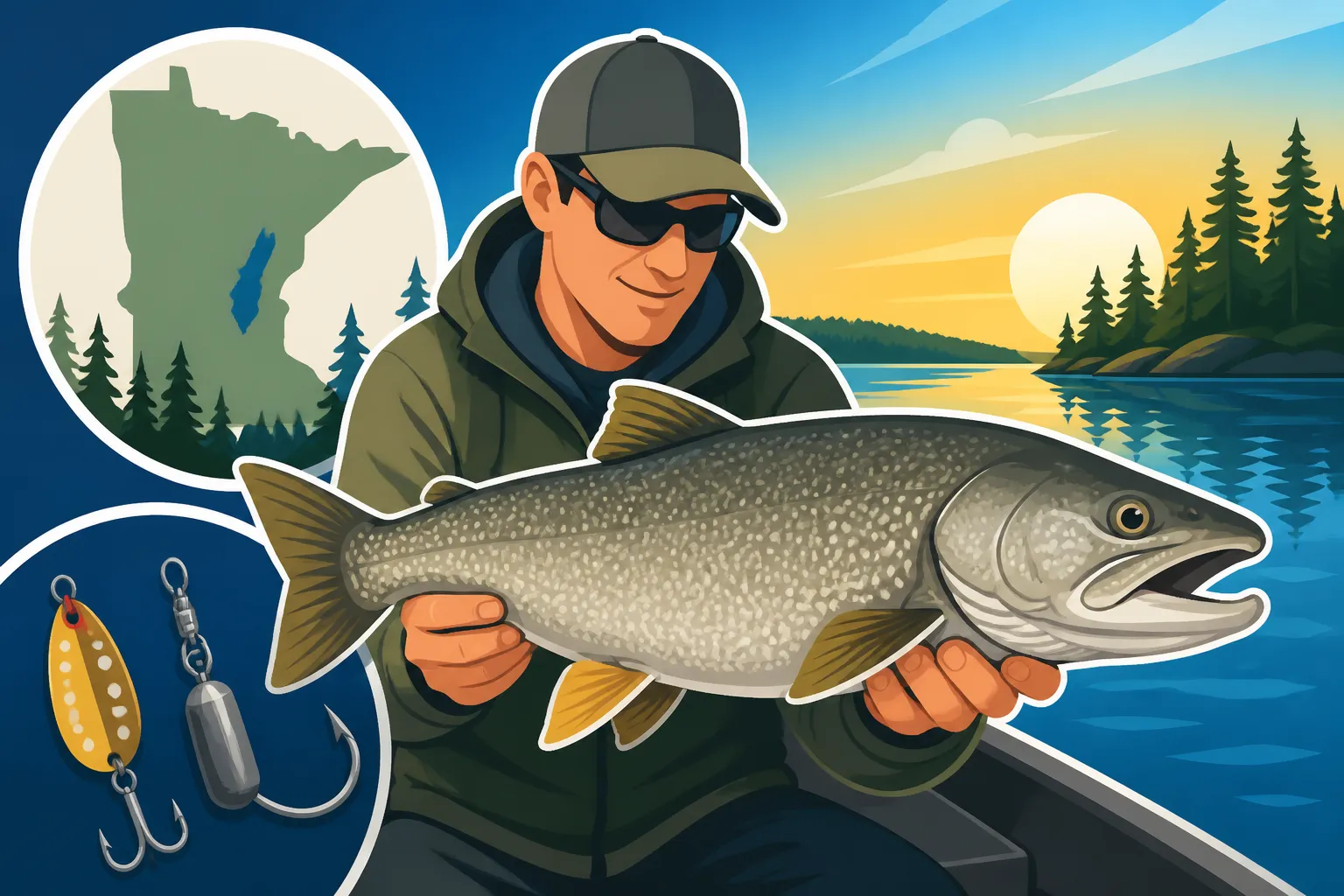
Recognizing a lake trout is usually quite straightforward once you have one on the line. They have a distinctive, torpedo-shaped body, typically dark green to grayish-blue on the back, fading to silvery sides and a white belly. Their bodies are covered in numerous light spots, which are often elongated and worm-like, especially on their head and back. Unlike many other trout and salmon species, lake trout have a deeply forked tail, which is a key identifying feature. They also have large mouths extending back beyond their eyes, indicative of their predatory nature.
In Minnesota, lake trout can grow to impressive sizes. While average catches might be in the 2-5 pound range, fish exceeding 10 pounds are not uncommon, and true giants pushing 20-30 pounds or more are always a possibility, particularly in places like Lake Superior or some of the deep, remote lakes of the BWCA. Knowing what you've hooked can often dictate how you handle the fight, especially if you're aiming for a safe release.
When to Target Lake Trout
Timing is everything when it comes to lake trout. The best times of year generally revolve around water temperature.
- Early Spring (Post-Ice Out): Right after the ice leaves the lakes, lake trout are often found in relatively shallower water, making them highly accessible. The top 20-40 feet of the water column can be productive as they actively feed before the thermocline fully sets up. This is a fantastic time for both casting and shallow trolling.
- Summer: This is when lake trout go deep, often suspending over depths of 50-150 feet, sometimes even deeper, concentrating around underwater structures like humps, points, and basins. Finding the thermocline is crucial. Fishing during low-light conditions, like early morning or late evening, can sometimes draw them slightly shallower, but generally, deep water is the rule.
- Fall: As water temperatures drop and the lake "turns over," lake trout again become more active and can be found in shallower zones, especially as they prepare for spawning. This can be another excellent time for trolling or even casting large spoons and crankbaits.
- Winter (Ice Fishing): Ice fishing for lake trout is incredibly popular in Minnesota, especially in the northern reaches. They can be caught through the ice from first ice until late in the season. During this time, they often cruise drop-offs, reefs, and humps, and can be caught at various depths depending on the lake and time of day. This method offers a unique challenge and reward. You can learn more about specific regulations, including the "Lake Trout Season & Limit in Minnesota," to ensure you're fishing legally and responsibly.
Essential Gear for Lake Trout Fishing
Chasing lake trout requires robust and specialized gear. You're often dealing with powerful fish in deep water, which demands reliability and strength from your equipment.
Rods, Reels, and Line Selection
For lake trout, you'll want a setup that can handle heavy lures and strong, deep-diving fish.
- Rods: A medium-heavy to heavy power spinning or baitcasting rod, typically 7 to 8.5 feet long, is ideal. The extra length helps with casting heavier lures and absorbing the shock of a powerful strike. For deep-water trolling, specialized downrigger rods or heavy-action trolling rods are often used, which are designed to handle the strain of heavy weights and large fish. Look for rods with a moderate-fast to fast action for good hook-setting power and sensitivity.
- Reels: A high-quality reel with a smooth, strong drag system is non-negotiable. For spinning setups, a 4000-6000 series reel is appropriate. For baitcasting, a sturdy, level-wind reel with a good line capacity is preferred, especially for trolling. Brands like Shimano, Daiwa, or Penn offer reliable options that can withstand the demands of lake trout fishing.
- Line: Braid is often the line of choice for its incredible strength-to-diameter ratio and lack of stretch, which provides excellent sensitivity for feeling subtle bites in deep water. A 20-50 pound test braided line is common, often paired with a 10-20 pound fluorocarbon leader. Fluorocarbon is nearly invisible underwater and offers good abrasion resistance against rocks and the trout's sharp teeth. For deep-water trolling with leadcore or copper line, different calculations apply, but the principle of strong, reliable line remains. Understanding the nuances of different lines is crucial; you can find more information on "Best Fishing Line for Walleye (Braid vs Mono vs Fluoro)" which often applies to other species too.
Lures, Baits, and Electronics
Lake trout are opportunistic feeders, but they do have preferences, and presentation is key.
- Lures:
- Spoons: Large, heavy spoons in silver, copper, or bright colors like chartreuse or fire tiger are perennial favorites. Examples include Williams Wabler, Little Cleo, or the classic Daredevle. They imitate fleeing baitfish and have an enticing wobble on the retrieve or fall.
- Crankbaits: Deep-diving crankbaits that can reach significant depths are excellent for trolling. Rapala Deep Tail Dancers, Storm Deep ThunderSticks, or Berkley Flicker Shads in larger sizes are popular choices. Match the color to the local forage, such as silver/blue for cisco or perch patterns.
- Jigs: Heavy jigging spoons (e.g., Luhr-Jensen Crippled Herring, Northland Buck-Shot Rattle Spoon) or blade baits (e.g., Heddon Sonar) are deadly when lake trout are concentrated. Tip them with a piece of cut bait or a soft plastic trailer for added appeal.
- Baits: While artificial lures are popular, natural bait can be incredibly effective. Live or dead baitfish like cisco, smelt, or shiners, fished on a large hook under a slip bobber or as part of a bottom rig, can entice hesitant trout.
- Electronics: A quality fish finder or sonar unit is paramount for lake trout fishing. You need to identify depths, find the thermocline, mark fish, and locate underwater structure. Brands like Humminbird, Garmin, and Lowrance offer excellent options. A unit with side imaging or down imaging can give you a better understanding of the underwater topography, while forward-facing sonar like Garmin LiveScope can help you spot individual fish and present your lure directly to them. Understanding your electronics is key to success, as detailed in guides like "Best Fish Finders & Electronics for Minnesota Fishing."
Specialized Equipment for Deep Water
When lake trout are really hunkered down, you'll need more than just a heavy jig.
- Downriggers: These devices allow you to precisely control the depth of your lure, getting it right into the strike zone, especially when trolling. They use a heavy weight to pull your line down, and a release clip detaches when a fish strikes.
- Leadcore Line: This specialized line has a lead core, which causes it to sink. The color changes every 10 yards, allowing you to estimate how much line you have out and, therefore, how deep your lure is running without additional weights or downriggers. It's often used for open water trolling and can be surprisingly effective.
- Dipsey Divers/Planer Boards: While not as precise as downriggers, Dipsey Divers are diving planers that take your lure out to the side and down to a specific depth. Planer boards are primarily used to spread out multiple lines while trolling, covering a wider swath of water and preventing tangles, which is useful when lake trout are scattered.
- Heavy Weights/Bottom Bouncers: For vertical jigging or still fishing in deep water, heavy weights or specialized bottom bouncers are necessary to get your bait down quickly and keep it in the strike zone against currents or boat drift.
Proven Techniques for Landing Lake Trout
Once you have your gear sorted, it's time to learn the techniques that will put those elusive lake trout in your net. Each season and situation calls for a slightly different approach.
Trolling Strategies
Trolling is arguably the most popular and effective method for catching lake trout, especially in open water during summer and fall. It allows you to cover vast amounts of water and present your lure at precise depths.
- Deep Trolling with Downriggers: This is the gold standard for summer lakers. You'll attach your fishing line to a downrigger release clip, then lower a heavy cannonball weight to your desired depth. Your lure will swim freely at that depth until a fish strikes, releasing the line from the clip. Vary your trolling speed (typically 1.5-3.0 mph) and experiment with different depths until you find active fish, often suspending at or just above the thermocline. Pay attention to your sonar for marks and baitfish schools.
- Leadcore and Copper Line Trolling: If downriggers aren't an option, leadcore or copper line can get your lures deep. Each color segment of leadcore typically takes a lure down about 5 feet at a trolling speed of 2 mph, allowing you to "count colors" to estimate depth. Copper line sinks faster and is often used for even greater depths. These methods require longer rods and careful boat handling to avoid tangles.
- Crankbait Trolling: Deep-diving crankbaits are excellent for reaching modest depths (20-40 feet) and are highly effective in spring and fall when lake trout are shallower. Match the crankbait's dive curve to the depth you're targeting. Varying your boat speed and making S-turns can impart an erratic action to your lures, often triggering strikes. You can find excellent insights into "Trolling Crankbaits for Walleye: Speed & Depth" which shares many principles applicable to lake trout as well.
Jigging and Vertical Presentation
Jigging is a more active, hands-on approach that can be incredibly effective, especially when lake trout are concentrated around structure or during the ice fishing season.
- Jigging Spoons and Blade Baits: When you mark fish on your sonar, drop a heavy jigging spoon or blade bait directly to their depth. A common technique is to lift the rod tip sharply, then let the lure flutter back down on a semi-slack line. Most strikes occur on the fall. Experiment with the height of your lift and the speed of your drop. Sometimes a slow, subtle jigging motion is best, while other times an aggressive snap-jigging approach is what they want. Tipping your jig with a piece of minnow or cisco can add scent and attraction.
- Using Electronics for Precision: Your fish finder is your best friend when jigging. Use it to hover directly over structure, pinpoint individual fish, and observe how they react to your lure. Many anglers use "How to Read a Flasher (Vexilar/Humminbird)" or other advanced sonar units to see their lure and the fish in real-time, allowing them to adjust their presentation instantly. If a fish rises to your lure but won't commit, try slowly lifting or lowering your bait away from it.
- Deadsticking and Live Bait: Sometimes, lake trout prefer a more subtle presentation. When jigging isn't producing, consider setting up a deadstick rod—a rod left in a holder with a live minnow or piece of cut bait suspended at a specific depth. This passive approach often fools wary fish that are hesitant to strike an aggressive jig.
Ice Fishing for Lake Trout
Minnesota's cold winters offer fantastic opportunities for ice fishing, and lake trout are a prime target. The sheer exhilaration of catching a laker through a small hole in the ice is something every angler should experience.
- Hole Hopping and Finding Structure: Lake trout are mobile even under the ice. Don't be afraid to drill many holes and move frequently until you locate active fish or promising structure like deep humps, points, or sudden depth changes. A good portable ice shelter makes this much easier.
- Jigging Through the Ice: Heavy jigging spoons, tube jigs, and specialized ice jigs are highly effective. Drop them down to the bottom or suspend them at known fish depths. Experiment with aggressive jigging (lifting and dropping) or more subtle approaches, sometimes even just shaking the rod tip. Tipping your jig with a minnow head or a small piece of sucker meat can significantly increase your bites. Many experienced anglers utilize strategies found in "How to Catch Lake Trout Through the Ice in Minnesota".
- Tip-Ups for Deadsticking: Similar to open water, tip-ups are invaluable for ice fishing lake trout. Set them up with large shiners or dead smelt at various depths. This allows you to cover more water and offer a passive presentation while actively jigging another hole. The flag popping up on a tip-up signals an exciting fight! Remember to check local regulations for the number of lines you can use.
- Patience and Persistence: Lake trout can be finicky. Be patient, adjust your depth, lure color, and presentation until you find what they're hitting. Sometimes, it's a waiting game, but the reward of a powerful lake trout fight is worth it.
Top Minnesota Lake Trout Destinations
Minnesota is blessed with numerous lakes that hold robust populations of lake trout, offering diverse fishing experiences from remote wilderness to expansive big water.
Boundary Waters and Northeastern Lakes
The Boundary Waters Canoe Area Wilderness (BWCA) and the surrounding Superior National Forest are legendary for their pristine, deep lakes that are home to thriving lake trout populations. These areas require a bit more effort to access, often involving portages and paddling, but the rewards are truly exceptional.
- Specific Lake Names: Lakes like Mountain, Seagull, Knife, Saganaga, and Clearwater are renowned for their lake trout fishing within the BWCA. These lakes often feature deep, clear waters with abundant forage, allowing lake trout to grow large. Fishing in Voyageurs National Park also offers fantastic opportunities. You'll find these areas feature some of the "Best Lakes for Lake Trout in the BWCA" and are truly a bucket-list destination for many anglers.
- The Wilderness Experience: The allure here isn't just the fish, but the entire experience. You're immersed in nature, with minimal boat traffic and stunning scenery. Anglers often combine trolling with vertical jigging when they mark fish on portable sonar units. Respecting the wilderness and practicing "Catch and Release Best Practices in Minnesota" is especially important in these sensitive ecosystems to preserve the fishery for future generations.
Lake Superior Opportunities
Lake Superior, the largest freshwater lake in the world, offers unique and challenging lake trout fishing opportunities along Minnesota's North Shore. The deep, cold waters of Superior are ideal for these fish, which can grow to immense sizes here.
- Nearshore Action: In spring and fall, when water temperatures are cooler, lake trout can often be found in relatively shallower waters closer to shore, sometimes within casting distance from points or river mouths. Trolling spoons and crankbaits in the top 30-60 feet of water can be very productive.
- Offshore Trolling: During summer, Lake Superior lake trout head for the deep, cold waters. Charter boats operating out of Duluth, Two Harbors, and Grand Marais specialize in targeting these fish using downriggers and sometimes even planer boards to spread out their lines. They often target depths of 80-200 feet, sometimes even deeper, over vast expanses of open water or deep reefs. This is a big water fishery that requires specialized knowledge and equipment.
- Seasonal Nuances: Early season (May-June) can see aggressive trout shallow, while mid-summer (July-August) requires deep-water tactics. Fall (September-October) brings them back shallower as they prepare for spawning, offering another window of opportunity for accessible fishing.
Regulations and Conservation
Minnesota's Department of Natural Resources (DNR) works diligently to manage lake trout populations, and following regulations is critical for sustaining this valuable resource.
- Catch Limits and Size Restrictions: Lake trout regulations can vary significantly by lake and often include specific size limits or slot limits. For example, some lakes might have a one-fish limit, while others might have a slot where fish between certain sizes must be released. Always consult the current Minnesota Fishing Regulations handbook or the DNR website for the specific lake you plan to fish.
- Lake Trout Stamps: While there isn't a specific "Walleye Stamp" in Minnesota, special regulations or tags might apply to certain species, though typically not lake trout directly. However, having a valid fishing license is always required.
- Conservation Practices: Lake trout are slow-growing and long-lived, making them particularly vulnerable to overfishing. Practicing catch and release, especially for larger breeding-size fish, is highly encouraged. Handle fish gently, use barbless hooks, and revive them properly before release. If you plan to keep a fish for the table, ensure it meets all legal requirements and avoid taking more than your personal possession limit. This helps ensure that future generations can also enjoy the thrill of catching these incredible fish.
| Method | Season | Typical Depth (feet) | Recommended Lure/Bait | Key Equipment | Pros | Cons |
|---|---|---|---|---|---|---|
| Trolling | Spring, Sum, Fall | 20 – 150+ | Deep-diving crankbaits, Large spoons, Live/cut bait | Boat, Downriggers/Leadcore, Fish finder | Covers large areas, Precise depth control | Can be expensive, Less "hands-on" |
| Jigging | All Seasons | 20 – 150+ | Heavy jigging spoons, Blade baits, Tube jigs | Fish finder, Sturdy rod/reel | Active, Exciting fights, Good for structure | Requires precise boat/ice hole positioning |
| Ice Fishing | Winter | 20 – 100+ | Jigging spoons, Tube jigs, Live minnows (tip-ups) | Auger, Portable shelter, Flasher | Unique challenge, Accessible without boat | Exposed to elements, Limited mobility on ice |
| Casting | Spring, Fall | 10 – 40 | Large spoons, Heavy spinners, Swimbaits | Shore or boat access, Heavy casting rod | Simple, Great for shallow feeders | Limited to shallower fish, Less coverage |
Disclaimer
Fishing regulations, seasons, and limits are subject to change. Always consult the latest Minnesota Department of Natural Resources (DNR) fishing regulations before heading out on the water. This guide is for informational purposes only and does not constitute legal advice.