Lund Pro Guide vs Alaskan: Tiller Walleye Boats
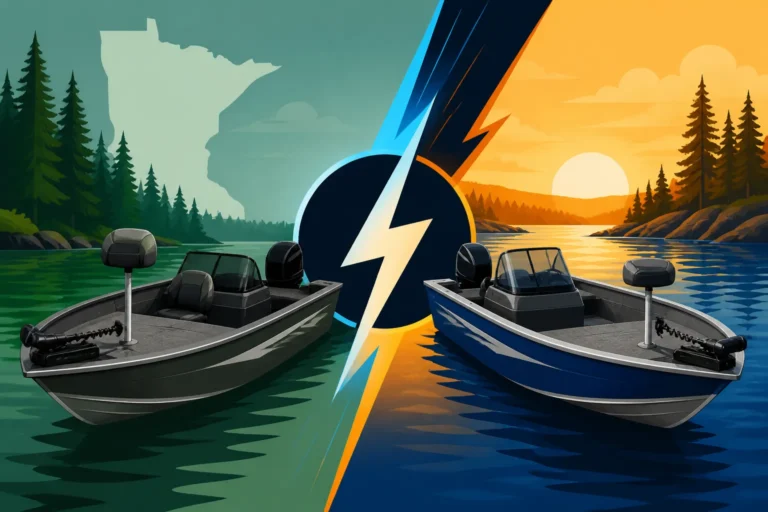
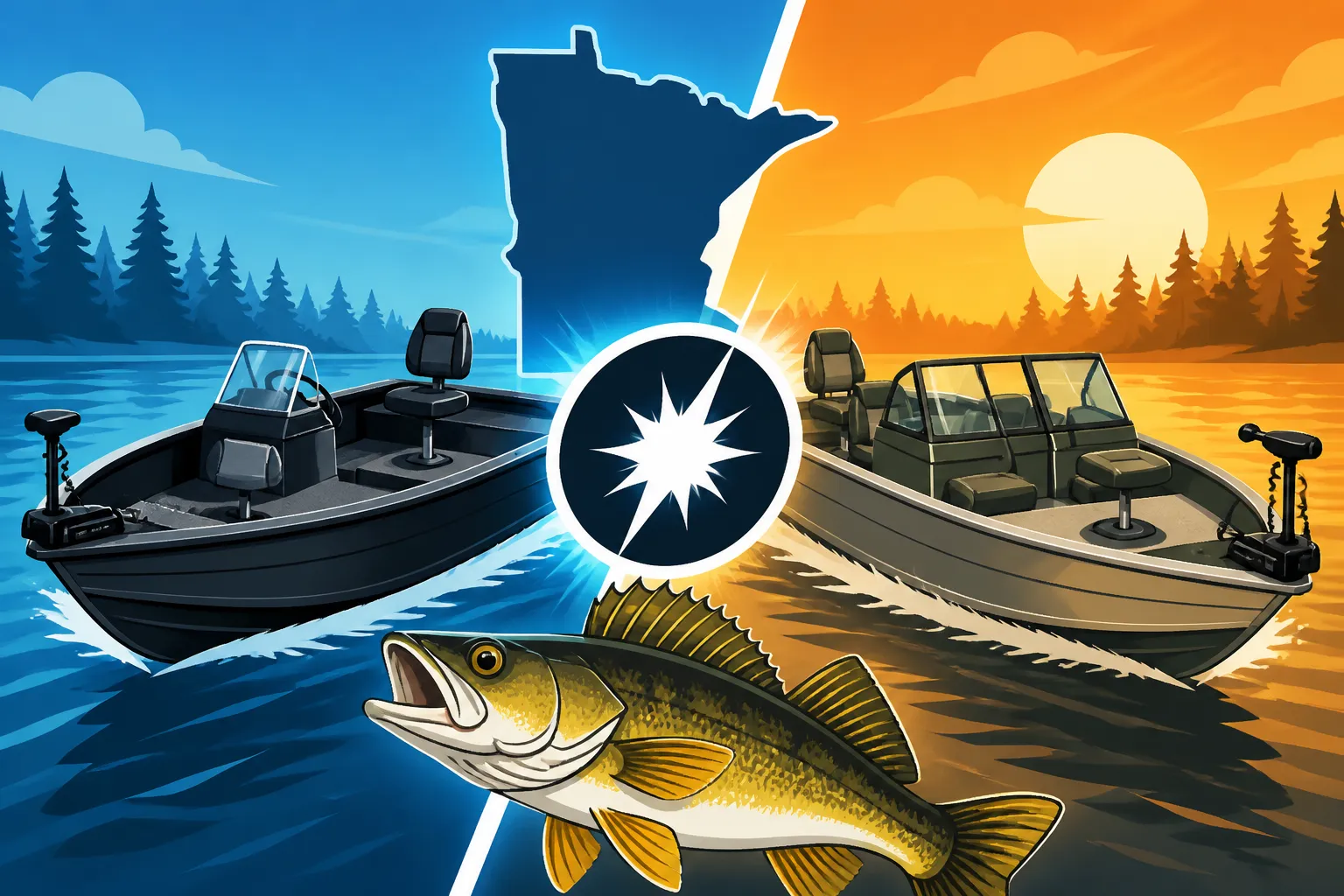
Deciding on the perfect fishing boat for Minnesota waters can feel like a monumental task, especially when you’re torn between two legendary names like the Lund Pro Guide and the Lund Alaskan. Both are fantastic tiller boats, beloved by serious anglers, but they cater to slightly different passions and pursuits, leaving many of us scratching our heads trying to figure out which one truly fits our style. This comprehensive guide is here to break down the nuances, helping you navigate the specs and features to make an informed choice for your next fishing adventure.
The Enduring Legacy of Lund Boats in Minnesota
For anyone who’s spent a day (or a lifetime) fishing in the Land of 10,000 Lakes, the name Lund conjures up images of durable, reliable fishing machines cutting through chop on Mille Lacs or quietly navigating the back bays of Leech Lake. It's a brand synonymous with Minnesota fishing, and for good reason. They've built a reputation for crafting boats that can withstand our sometimes brutal conditions and help anglers consistently put fish in the net.
Why Lund Dominates the Minnesota Fishing Scene
It’s not just brand loyalty; there’s a tangible reason why you see so many Lunds at every boat launch from Lake of the Woods down to Lake Minnetonka. Their commitment to quality construction, thoughtful layouts, and performance-driven design resonates deeply with anglers who demand a lot from their equipment. Whether it's the solid IPS (Integrated Power Strake) hull design, which offers incredible stability and a drier ride, or the practical, angler-focused storage solutions, Lund understands what makes a fishing boat truly effective. They’re built to last, to handle waves, and to provide a stable, spacious platform for long days on the water.
The Allure of Tiller Boats
Now, let's talk about tillers. For many hardcore Minnesota anglers, there's just something special about a tiller boat. The direct control, the open bow for maximum casting space, the ability to maneuver precisely in tight spots, and the simplified layout are all huge advantages. Tiller models, like the Pro Guide and Alaskan, offer unparalleled boat control, especially when you’re slowly back-trolling for walleye or meticulously working a weed line for bass. You’re truly "connected" to the boat and the water in a way that console boats just can't replicate, making them a preferred choice for many serious anglers, particularly those focused on species like walleye.
Lund Pro Guide: The Walleye Angler's Dream
The Lund Pro Guide is often hailed as the quintessential walleye tiller boat, and for good reason. It’s engineered from bow to stern with specific features designed to optimize the experience of chasing those golden-finned beauties across Minnesota’s vast lakes and rivers.
Design and Fishing-Specific Features
Every inch of the Pro Guide feels like it was designed by walleye anglers, for walleye anglers. The layout prioritizes open casting space up front, ample rod storage, and a robust livewell system. The stern, where the tiller handle puts you in direct control, offers a clean, uncluttered workspace for managing lines, netting fish, and running your electronics. The boat sits low in the water, providing excellent stability, which is crucial when you're standing and casting in choppy conditions or meticulously jigging over structure.
For example, consider its rod storage. The Pro Guide often features long, lockable rod lockers that can accommodate multiple 8-foot or longer rods, essential for techniques like Trolling for Walleye: Crankbaits & Leadcore or using longer jigging rods. The placement of the baitwell and livewell systems is also strategic, usually within easy reach of the stern, allowing for quick access to bait and efficient culling of fish. These seemingly small details make a massive difference during a tournament or even just a long day of serious fishing.
Performance and Ride Quality
On the water, the Pro Guide shines. Its IPS hull provides a smooth, dry ride even when chopping through waves, which is a common occurrence on large bodies of water like Lake of the Woods or Lake Vermilion. The wide beam and deep V-hull cut through rollers rather than bouncing over them, making for a much more comfortable day, especially on those blustery Minnesota afternoons.
With a powerful tiller motor, the boat handles exceptionally well, offering precise control at both high speeds and ultra-low trolling speeds. This precision is invaluable for techniques like How to Fish a Lindy Rig for Walleye where boat positioning is paramount. You can effortlessly follow subtle contours, hold a specific depth, and quickly respond to wind shifts without fighting the boat. The direct steering from the tiller also means fewer mechanical parts to worry about, often translating to simpler maintenance and fewer potential issues out on the water.
Lund Alaskan: The Rugged, Versatile Workhorse
The Lund Alaskan is a different beast entirely. While still an excellent fishing platform, it leans more towards versatility, ruggedness, and utility. It’s the kind of boat that can go from a serious fishing trip to hauling gear for a remote cabin, or even supporting a duck hunting expedition, all in the same season.
Unmatched Durability and Utility
The Alaskan lives up to its name, designed to be tough enough for the most demanding conditions. It features a thicker gauge aluminum hull and a more open, uncluttered interior compared to the Pro Guide. This simplified layout allows for maximum flexibility. Need to haul a load of firewood? No problem. Want to bring extra coolers and gear for a week-long camping and fishing trip in the Boundary Waters? The Alaskan has the space. Its robust construction means it can take a beating from shallow rocky areas or unexpected submerged logs without flinching, making it a favorite for those who venture into less-traveled waters.
Think about its high sides. They offer a deeper, more secure feeling in rough water and provide additional protection from spray. This also means more interior depth, which is great for keeping kids or dogs safely inside the boat. While it might not have as many built-in, dedicated fishing features as the Pro Guide, its open floor plan makes it incredibly adaptable. You can outfit it with portable livewells, tackle boxes, and Best Ice Fishing Gear for Minnesota for open water use, customizing it to your specific needs on any given day.
Multi-Species and Multi-Purpose Capability
Where the Pro Guide is a specialized tool, the Alaskan is a Swiss Army knife. It excels as a multi-species fishing boat, capable of handling everything from walleye and Northern Pike in Minnesota: Identification & Where to Catch to crappie and even smaller muskie. Its stability and ample space are perfect for families or groups that might be doing a mix of casting, trolling, and even simply enjoying a day on the lake.
For instance, if you're planning a trip to the Rainy River for sturgeon, or exploring remote northern Minnesota lakes, the Alaskan’s ability to carry more gear and withstand harsher conditions makes it an ideal choice. It's the boat you take when you're not entirely sure what the day will throw at you, but you know you need something reliable and adaptable. Its straightforward design also makes it a bit easier to clean out after a messy fishing trip or a muddy excursion.
Key Differences: Lund Pro Guide vs. Alaskan
To really help you make a decision, let's put these two titans side-by-side and highlight their primary distinctions. This comparison will illustrate why one might be a perfect fit while the other, though excellent, falls short of your specific needs.
Hull Design and Interior Layout
The core of their differences often starts with the hull and how the interior space is utilized.
Pro Guide: Angler-Centric Precision
The Pro Guide features a more refined, lower-profile hull with a design optimized for cutting through chop and offering stability for standing anglers. Its interior is highly organized, with integrated rod lockers, baitwells, and storage compartments strategically placed for quick access to fishing gear. The floor plan is designed to maximize fishing efficiency, often with a raised casting deck in the bow and a clean, open stern around the tiller for maximum control. This precision focus on angling means less open floor space but more dedicated, purpose-built features.
Alaskan: Rugged Versatility and Open Space
In contrast, the Alaskan boasts a deeper, higher-sided hull which provides an even drier ride and a greater sense of security in truly rough water. Its interior is much more open and utilitarian, with fewer built-in fixtures. This allows for immense flexibility in how you use the boat – from an empty canvas for hauling gear to a customizable fishing platform. While it might have some basic storage, it relies more on portable solutions, allowing you to easily convert it from a fishing rig to a utility boat. This design is perfect if you frequently carry large, bulky items or a variety of non-fishing equipment.
Standard Features and Customization Options
The out-of-the-box features and how easily you can customize each boat also tell a big part of the story.
Pro Guide: Feature-Rich and Optimized
The Pro Guide comes packed with features essential for serious fishing. Think multiple livewells, expansive rod storage, larger integrated tackle storage, and often more advanced console options for mounting electronics. It's built to be tournament-ready right from the dealer. Brands like Bass Pro Shops often showcase these models with advanced Best Fish Finders & Electronics for Minnesota Fishing pre-installed, giving you a clear picture of its high-performance potential. While you can still customize it, many core fishing amenities are already part of the package.
Alaskan: Build Your Own Adventure
The Alaskan provides a more bare-bones foundation, which is its strength if you value flexibility. You might get a single livewell, but the open floor plan means you can add removable tackle boxes, cooler seats, or even custom storage solutions. This allows anglers to truly personalize their setup. Want a massive cooler for a week-long trip? Easy to fit. Need to equip it for specific Ice Fishing in Minnesota: Complete Beginner-to-Pro Guide scenarios with portable heaters and extra gear? The open space accommodates it. You're building your ideal boat, rather than adapting to a pre-defined layout. Online retailers like Amazon offer a vast selection of aftermarket accessories that fit perfectly into the Alaskan's adaptable design.
Target Angler and Fishing Style
Understanding who each boat is built for is key to making your choice.
Pro Guide: The Dedicated Angler
This boat is for the angler who lives and breathes fishing, especially walleye. You're serious about boat control, spend long hours on the water, and appreciate specialized features that enhance your fishing experience. If your weekends revolve around finding fish, whether it's trolling breaklines, jigging humps, or pitching plastics, the Pro Guide's ergonomic layout and performance-oriented design will feel like an extension of yourself. It's ideal for those who value efficiency, precision, and an optimized platform for their primary passion.
Alaskan: The Versatile Outdoorsman
The Alaskan appeals to the outdoors enthusiast who needs a boat that can do it all. You might be a passionate angler, but you also hunt, camp, or simply need a rugged utility boat for cabin life. You appreciate durability and space over hyper-specialized fishing features. If your adventures take you to a variety of waters, sometimes with non-fishing gear in tow, or if you frequently bring family and friends who value comfort and safety in rough water, the Alaskan is a fantastic choice. It's for those who embrace adaptability and robust performance across multiple outdoor activities.
Here's a quick comparison table to summarize some key differences:
| Feature/Attribute | Lund Pro Guide | Lund Alaskan |
|---|---|---|
| Primary Focus | Dedicated Walleye/Multi-Species Angling | Multi-Purpose Utility & Rugged Versatility |
| Hull Design | Lower profile, refined IPS, optimized for ride | Higher sides, thicker gauge aluminum, deep-V |
| Interior Layout | Angler-centric, integrated storage, raised decks | Open, utilitarian, maximum floor space |
| Rod Storage | Extensive, lockable, long rod capability | Basic, often relies on portable solutions |
| Livewells/Baitwells | Multiple, larger, strategically placed | Typically one main livewell, sometimes smaller |
| Rough Water Handling | Excellent smooth, dry ride, stable for casting | Exceptional dryness and security due to high sides |
| Durability | Very good, built for harsh conditions | Outstanding, heavy-duty for extreme use |
| Customization | Optimized fishing features, some personal touches | Highly customizable, build your own setup |
| Ideal Angler | Serious walleye angler, tournament fisherman | Outdoorsman, family, cabin owner, diverse trips |
Choosing Your Tiller: Matching Boat to Angler
Now that we’ve dissected these two amazing boats, it's time to consider what truly matters for you. This isn't about one boat being inherently "better" than the other; it’s about finding the perfect match for your unique fishing habits and lifestyle.
Assessing Your Primary Fishing Style
Before you even step into a dealership, sit down and honestly evaluate how you spend your time on the water.
Are You a Dedicated Walleye Hunter?
If your fishing life revolves around walleye, and you're constantly honing your techniques—whether it's precisely Jigging for Walleye: Jig & Minnow Basics structure or covering water with Bottom Bouncer & Crawler Harness for Walleye —then the Pro Guide is likely going to make your life easier and more productive. Its design and integrated features are specifically optimized for these pursuits. You'll appreciate the dedicated rod storage, the well-placed livewells, and the stable platform for standing and casting all day. This boat is designed to remove distractions and let you focus purely on the fish. You're investing in a purpose-built tool that enhances your primary passion.
Do You Embrace Diverse Fishing and Outdoor Activities?
Perhaps you love to fish for walleye, but you also enjoy chasing Smallmouth & Largemouth Bass in Minnesota, spending a weekend camping on a remote island, or even ice fishing (and needing a boat to haul your gear for the season). If your boat needs to be a versatile platform for a range of outdoor adventures, the Alaskan truly shines. Its rugged construction and open, adaptable layout mean you can transition effortlessly from one activity to the next. You won't feel like you're compromising on utility or durability, even if it means adding a few aftermarket accessories to optimize it for a specific fishing trip. It's a true multi-tool for the Minnesota outdoorsman.
Considering Your Typical Fishing Buddies and Gear Loadout
Think about who usually joins you on the water and how much gear you tend to bring.
Solo Angler or Small Crew, Minimal Bulk
If it’s often just you, or you and one or two dedicated fishing partners, and your gear primarily consists of rods, tackle boxes, and a cooler, the Pro Guide's organized, efficient layout is probably perfect. You'll have all your specialized gear neatly stowed and easily accessible, without a lot of wasted space or clutter. The boat feels compact and maneuverable, ideal for focused fishing.
Family Adventures or Heavy Hauling
If you frequently bring along kids, pets, or non-fishing friends, or if you need to transport significant amounts of gear—like camping equipment, hunting decoys, or multiple coolers for a big shore lunch—the Alaskan's expansive, open interior becomes a massive advantage. Its high sides provide an extra layer of safety for little ones, and the sheer volume of usable space means you won't have to leave anything behind. This is the boat for creating memories that extend beyond just catching fish, supporting a broader range of outdoor pursuits.
Budget and Long-Term Value
Both boats are significant investments, and their pricing can vary based on size, motor, and additional features. While the Alaskan might sometimes be a bit more budget-friendly as a base model due to its simpler outfitting, both offer excellent long-term value.
Lund boats generally hold their resale value exceptionally well, especially in states like Minnesota where they are highly sought after. When you’re ready to upgrade, you’ll find a strong market for both the Pro Guide and the Alaskan. The key is to choose the boat that will bring you the most joy and utility over the years you own it, ensuring you get the best return on your investment in terms of experiences and memories. Looking for specific deals? Keep an eye on promotions from authorized dealers like those at Bass Pro Shops, especially during boat show season.
Maximizing Your Tiller Boat Experience
Once you've made your choice, there are always ways to enhance your tiller boat experience, regardless of whether you're running a Pro Guide or an Alaskan.
Essential Electronics and Accessories
A tiller boat provides direct control, but modern electronics can elevate that control to a whole new level.
Fish Finders and GPS Units
For both boats, a quality Best Fish Finders & Electronics for Minnesota Fishing is a game-changer. Brands like Humminbird and Garmin offer excellent units that combine detailed mapping (think Navionics or LakeMaster charts for Minnesota lakes) with powerful sonar capabilities. For a tiller, consider models with a larger screen that can be easily viewed from the stern. A good GPS is crucial for marking spots, navigating safely, and understanding the contours of fishing hotspots like those on Mille Lacs Lake Fishing Guide: Walleye, Bass & More.
Many anglers also opt for a dedicated bow-mounted trolling motor with GPS Spot-Lock capabilities, like a Minn Kota Terrova. This allows you to hold your boat precisely on a structure or against the wind while you focus on fishing. It’s an investment that pays dividends in boat control and fishing efficiency.
Rod Holders and Storage Solutions
Even with the Pro Guide's ample rod storage, you'll want additional rod holders for trolling or simply keeping extra rods at the ready. Companies like Ram Mounts and Cisco Fishing Systems offer robust, adjustable rod holders that can be securely mounted to either boat. For the Alaskan, portable storage boxes, tackle bags, and collapsible livewells purchased from online retailers like Amazon can turn its open floor plan into a highly organized fishing machine. Thinking through your typical gear loadout and planning where everything will go will make your days on the water much smoother.
Maintenance Tips for Longevity
Taking care of your Lund tiller will ensure it serves you well for many seasons to come.
Regular Cleaning and Inspection
After every trip, especially when fishing in murky waters or after a day of heavy use, take the time to rinse down your boat and clear out any debris. Pay special attention to the bilge area and livewells. Periodically inspect the hull for any dings or scratches, and check all wiring, connections, and pumps. This proactive approach can catch small issues before they become major problems.
Engine Care and Winterization
Your outboard motor is the heart of your tiller boat. Follow the manufacturer's recommended service schedule, paying close attention to oil changes, spark plug replacements, and fuel filter maintenance. Before storing your boat for the winter, especially in Minnesota's harsh climate, proper Ice House License & Rules winterization is absolutely crucial. This typically involves stabilizing the fuel, fogging the engine, changing the lower unit oil, and checking fluid levels. If you're not comfortable doing it yourself, invest in professional winterization to protect your investment. A well-maintained engine means reliable starts and worry-free days on the water.
Disclaimer
The information provided in this guide is for general informational purposes only and does not constitute professional advice. Fishing regulations, boat specifications, and product availability can change. Always consult the most current Minnesota DNR regulations, manufacturer specifications, and seek expert advice from authorized dealers before making purchasing decisions or heading out on the water. Boating and fishing involve inherent risks, and safety should always be your top priority.