What Is the Best Flasher for Ice Fishing?
Deciding which ice fishing flasher to invest in can feel like a really big deal, especially when you're standing in an aisle full of blinking screens or scrolling through countless options online. It's not just a piece of gear; it's your window into the underwater world, and getting it right can make or break a day on the hardwater. This guide is going to break down everything you need to know to pick the best flasher that fits your fishing style and helps you put more fish on the ice here in Minnesota.
The Essential Role of an Ice Fishing Flasher
When you're out on a frozen lake, drilling holes and hoping for the best, a flasher isn't just a luxury; it's practically a necessity. Traditional open-water sonar units, while fantastic in a boat, often struggle with the unique demands of ice fishing. That's where a dedicated flasher shines, giving you real-time, instantaneous feedback on what's happening directly beneath your hole. This immediate gratification is crucial when you're trying to entice a finicky walleye or dial in on a school of crappies.
Understanding How Flashers Work Underwater
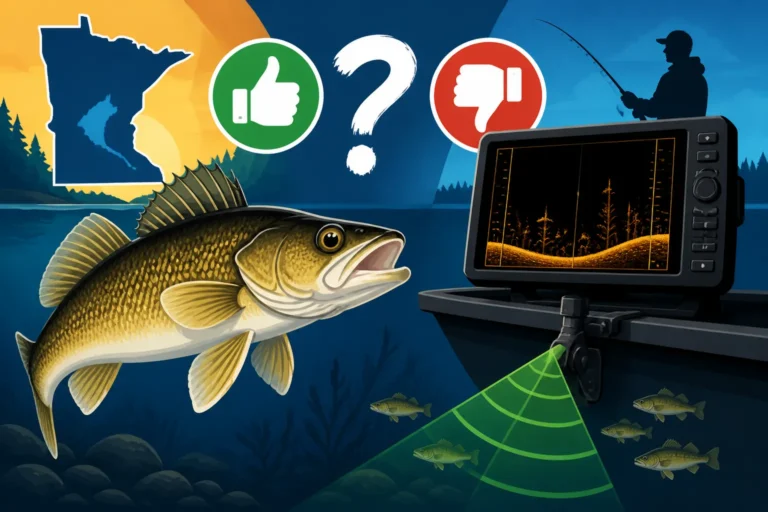
At its heart, an ice fishing flasher works by sending out sonar waves from a transducer suspended in your ice hole. These sound waves travel down through the water column, bounce off anything solid – fish, your lure, the bottom – and return to the transducer. The flasher then translates these echoes into visual signals on a circular display, usually with different colors indicating signal strength or depth. Unlike a graph sonar that shows a historical scroll, a flasher updates in real-time, often several times per second.
This real-time display is what makes flashers so incredibly effective for ice fishing. You can literally watch your lure descend, see fish rise to meet it, and observe their reaction to your jigging cadence. It’s like having an X-ray vision into the icy depths, allowing you to react instantly to a fish’s presence or a change in its behavior. Without this, you're essentially fishing blind, relying purely on feel, which can be frustrating when fish are subtle biters.
Why You Can't Ice Fish Effectively Without One
Seriously, trying to ice fish for serious amounts of fish without a flasher is like trying to drive blindfolded. You might get lucky and stumble into some fish, but you're missing out on so much critical information. For instance, have you ever dropped your jig down, waited five minutes, and then pulled it up wondering if there was anything even down there? A flasher tells you instantly. You’ll see if fish are present, what depth they're holding at, and how they react to your presentation.
Imagine you're on a popular Minnesota lake like Mille Lacs or Leech Lake, trying to find active walleyes. If you drop your line and see a fish appear at 15 feet, but your lure is at 25 feet, you know exactly what to do: reel up! Conversely, if you're marking fish just off the bottom, and your lure is a few feet above them, you can adjust. This constant feedback loop allows you to fine-tune your depth, lure presentation, and jigging style until you crack the code. It makes for much more efficient fishing and, let's be honest, a lot less boredom and more action. If you're looking to elevate your hardwater game, reading an article on How to Read a Flasher (Vexilar/Humminbird) can be a game-changer.
Key Features to Consider in a Flasher
When you start looking at flashers, the options can feel overwhelming. It’s not just about the brand; it’s about what features truly matter when you're out in the elements. Focusing on a few core aspects will help you narrow down your choices and ensure you get a unit that meets your specific needs.
Display Clarity and Resolution
The display is your window to the fish, so clarity and resolution are paramount. You want a screen that's easy to read in bright sunlight, low light, and everything in between. Most modern flashers use a vibrant, multi-color display that helps differentiate between signals. Strong signals, like your lure or a big fish, might show up as red or orange, while weaker signals, like baitfish or the edge of a school, might be green or yellow. The ability to distinguish these subtle differences quickly can make a huge impact on your success.
High-resolution displays, often found on more advanced models, offer finer detail. This means you can better distinguish your small jig from a tiny baitfish, or even tell if multiple fish are stacked on top of each other rather than just one large blob. Brands like MarCum are known for their crisp, detailed displays that offer excellent target separation, which is crucial when targeting finicky panfish or separating your lure from the lake bottom. You’ll be staring at this screen for hours, so investing in good visual quality pays dividends in comfort and effectiveness.
Transducer and Cone Angle Options
The transducer is the "eye" of your flasher, sending and receiving sonar signals. Its cone angle determines how wide an area it scans beneath your hole. Most transducers come with multiple cone angle options (e.g., 8, 20, or 40 degrees), allowing you to switch based on conditions. A narrow cone angle (like 8 or 9 degrees) is excellent for deep water or when you want precise targeting, showing you exactly what's under your hole without interference from nearby anglers.
Conversely, a wider cone angle (like 20 or 40 degrees) is fantastic for shallower water or when you're searching for schools of fish, giving you a broader view of the activity. Being able to adjust this on the fly, or having a unit that supports multiple cone angles, offers incredible versatility. Many high-end units feature switchable transducers, making them adaptable for Ice Fishing for Walleye: Tactics & Setups in deeper basins or shallow weed lines. It’s a key factor for anyone who fishes a variety of depths and species.
Battery Life and Portability
Imagine you’ve hiked out to your favorite spot on a massive frozen lake, only for your flasher battery to die an hour into the day. Talk about frustrating! Battery life is a critical consideration for any ice angler. Most flashers come with 12-volt batteries, but their capacity and the unit's power draw vary. Look for models with long-lasting batteries, ideally capable of running for 8-10 hours on a single charge, or consider carrying a spare battery, especially if you plan extended trips or overnight stays in an ice house.
Portability also matters. Are you a run-and-gun angler who drills dozens of holes, constantly moving until you find fish? Then a lightweight, compact flasher in a durable soft case with a comfortable handle is essential. Or do you primarily fish from a permanent ice house? Then the weight might be less of a concern, but ease of setup and robust construction are still important. Units like the Vexilar FLX-20 or FLX-28 are renowned for their ruggedness and portability, making them popular choices for anglers who brave the elements in search of fish. You can find excellent portable options that balance power and weight at retailers like Bass Pro Shops.
Top Flasher Brands and Popular Models
The ice fishing flasher market is dominated by a few key players, each with a loyal following and specific strengths. Understanding these brands and their flagship models will help you navigate the choices.
Vexilar: The Original Innovator
Vexilar has been a household name in ice fishing for decades, often credited with popularizing the flasher. Their units are known for their legendary reliability, simple interface, and robust construction – they’re built like tanks and can take a beating on the ice. Many Minnesota anglers swear by their Vexilar units, claiming they just keep going, year after year.
- Vexilar FLX-28: This is arguably their most popular and advanced flasher. It boasts a digital depth display, multiple color palette options, various zoom modes (including a 5-foot bottom zoom for incredible detail), and an auto-range feature that makes it user-friendly. The FLX-28's display is super bright and clear, making it a favorite for tracking jigs and fish in tough conditions. It’s a fantastic all-around unit that performs exceptionally well whether you're chasing walleyes or panfish. For more about specific models, check out Vexilar FLX-28 Review.
- Vexilar FL-8SE and FL-12: These are more entry-level or mid-range options that still deliver classic Vexilar performance. The FL-8SE is a great starter unit, offering reliable, no-frills flasher technology. The FL-12 steps up with a brighter display and more power. If you're just getting into ice fishing and want a dependable unit without breaking the bank, these are solid choices.
MarCum: Feature-Rich and High Definition
MarCum entered the scene a bit later but quickly carved out a reputation for pushing the envelope with high-definition displays, advanced features, and exceptional target separation. Their units often appeal to anglers who want the most detailed view possible and appreciate cutting-edge technology.
- MarCum LX-7 and LX-9: These are MarCum's flagship models, offering large, crystal-clear LCD screens that can display flasher, graph, and even camera views (on the LX-9). The LX-7 is famous for its outstanding target separation, allowing you to easily distinguish your tiny panfish jig from a bluegill hovering below it. It features multiple display modes, customizable zoom, and excellent interference rejection, which is super handy on crowded lakes. The LX-9 adds an integrated underwater camera, making it a versatile powerhouse. These units are often favored by serious anglers targeting specific species or those who want every bit of information available.
- MarCum M-Series (M1, M3, M5): These models offer a more traditional flasher display but with MarCum's signature crispness and target separation. The M3 and M5, in particular, provide great value, featuring adjustable zoom and often coming with a shuttle and battery that are ready to hit the ice. If you appreciate the flasher-only interface but want top-tier performance, these are excellent contenders. For a comparison of leading brands, you might find Vexilar vs MarCum Ice Flasher: Which to Buy? insightful.
Humminbird: Digital Integration and CHIRP Technology
Humminbird, known for its open-water sonar, has brought its advanced technology to the ice fishing world, particularly with its Ice Helix series. These units often feature CHIRP sonar, offering incredible detail and target separation, and they typically combine traditional flasher views with graph displays.
- Humminbird Ice Helix Series: Models like the Ice Helix 7 CHIRP G4N offer a hybrid approach, providing a traditional flasher wheel on the side of a large, full-color LCD screen that can also show 2D sonar, GPS mapping, and even switch to a dedicated flasher-only view. The CHIRP sonar technology is a standout, providing incredibly sharp and clear returns, making it easier to see subtle lure movements and distinguish fish from structure. These are excellent for anglers who want the best of both worlds – the real-time feedback of a flasher alongside the detailed mapping and historical scrolling of a graph. If you're comfortable with modern electronics and want a unit that does it all, the Ice Helix series is a strong contender. Check out a detailed Humminbird Ice Helix Review if you’re leaning this way.
Making the Right Choice for Your Fishing Style and Budget
With all these options, how do you pick the one? It really comes down to balancing your personal fishing habits with your budget. There’s no single "best" flasher, only the best one for you.
Matching Your Flasher to Your Fishing Habits
Consider how you typically ice fish in Minnesota. Are you often fishing deep lakes for lake trout, or shallow bays for panfish? Do you move constantly, or do you sit in a heated shelter all day?
- Run-and-Gun Anglers: If you're drilling 50 holes a day, constantly moving and searching for active fish, portability and quick setup are key. A lightweight, durable flasher with a good carrying case and quick-release transducer will be your best friend. The Vexilar FLX-28 or a MarCum M-series are excellent for this style. You need something you can easily pull out of the sled, drop in a hole, and quickly pack up again.
- Stationary Anglers (Portable or Permanent Shelters): If you spend more time in a portable shelter or a luxurious wheelhouse, you might prioritize a larger screen, more detailed features, or even a unit with GPS and mapping capabilities. A Humminbird Ice Helix or a MarCum LX-7/LX-9 would shine here, offering a more expansive view of the underwater world and often reducing eye strain over long fishing sessions.
- Beginners and Casual Anglers: If you're just getting started with Ice Fishing in Minnesota: Complete Beginner-to-Pro Guide or only hit the ice a few times a year, you probably don't need the most expensive unit on the market. An entry-level Vexilar FL-8SE or a MarCum M1 will provide invaluable real-time information without a huge investment. As you gain experience, you can always upgrade. Starting with a good, basic flasher can significantly improve your success and enjoyment.
Budgeting for Your Investment
Flasher prices can range from a couple of hundred dollars to well over a thousand, depending on the features and brand. It’s a significant investment, so consider it wisely.
| Flasher Tier | Price Range | Key Characteristics | Ideal User |
|---|---|---|---|
| Entry-Level | $200 – $350 | Basic flasher functionality, simple display, reliable | Beginners, casual anglers, tight budgets |
| Mid-Range | $350 – $600 | Brighter displays, more power, multiple zoom modes, better target separation | Regular anglers, those seeking improved performance |
| High-End/Advanced | $600 – $1200+ | HD screens, CHIRP sonar, GPS, mapping, multiple display modes, exceptional separation | Serious anglers, tech enthusiasts, tournament anglers |
Remember, you're not just buying a gadget; you're buying a tool that will directly impact your fishing success and enjoyment. Sometimes, spending a little more upfront on a durable unit from a reputable brand like Vexilar or MarCum can save you headaches and frustrations down the line. Keep an eye out for sales, especially during the off-season or around major holidays, at places like Bass Pro Shops or online retailers like Amazon. You can often find great deals on excellent equipment.
Ultimately, the best flasher for you is one that you understand how to use, that fits your budget, and that enhances your time on the ice. No matter which unit you choose, learning How to Find Fish While Ice Fishing with your new flasher will be the fastest way to get to that sweet spot.
Disclaimer
Please note that fishing regulations, gear specifications, and product availability can change. Always consult the most current Minnesota Department of Natural Resources (DNR) regulations before heading out. Product details and prices mentioned are subject to change and should be verified with manufacturers or retailers.