Fishing the St. Croix River
The St. Croix River presents a truly unique and sometimes challenging fishing experience, straddling the border between Minnesota and Wisconsin. Many anglers feel overwhelmed trying to navigate the distinct regulations of two states, not to mention figuring out where to even start on such a vast and diverse waterway. This guide is here to untangle those complexities, offering a realistic look at what it takes to successfully fish the St. Croix, from understanding its varied waters to targeting its most popular species.
The St. Croix River's Unique Character
The St. Croix isn't just another river; it's a National Scenic Riverway, protected and managed by both states and the National Park Service. This designation means it boasts incredible natural beauty, but also comes with unique rules and considerations that can make fishing here a bit more intricate than your typical Minnesota lake. Its journey from headwaters to confluence with the Mississippi offers a diverse range of fishing environments.
Border Water Complexities and Licensing
One of the biggest headaches for anglers on the St. Croix is undoubtedly the border water status. You're not just fishing in Minnesota; you're often fishing right next to, or even within, Wisconsin waters. This means that if you plan to fish from a boat and drift across the invisible boundary, or if you launch on one side but fish closer to the other, you absolutely need to be aware of the rules. Many seasoned anglers have stories of being caught off guard by a regulation they only knew for one state! It's not uncommon for an enforcement officer to check licenses and limits for both states, depending on where you're actively fishing or even where you’ve crossed. This dual regulatory system often causes frustration, making anglers feel like they need a law degree just to wet a line.
To avoid any unwelcome surprises, it's crucial to understand the nuances of Border Water Fishing Rules (Minnesota-Ontario, Wisconsin). Essentially, if you have a valid fishing license from either Minnesota or Wisconsin, you can legally fish the St. Croix River, but only within the main channel and adjacent backwaters that are considered border water. However, each state's regulations regarding species, seasons, and bag limits still apply to its respective side of the river. For instance, if you're fishing closer to the Minnesota bank, Minnesota's walleye limit applies. If you drift over to the Wisconsin side, you're now subject to Wisconsin's walleye regulations. This requires a sharp eye on GPS and a good understanding of the local rules. It's truly a scenario where ignorance is not bliss, and a quick check of both state's DNR websites before you head out is always a wise move.
Habitat Diversity and Fishing Zones
The St. Croix River isn't a monolithic body of water; its character changes dramatically along its nearly 164-mile length that forms the border. From the narrow, rocky stretches and swift currents near Taylors Falls, flowing into deeper, wider pools around Stillwater, and eventually expanding into the vast Lake St. Croix before joining the Mississippi, the river offers a smorgasbord of habitats. Upstream, you'll find more rocky bottoms, smallmouth bass heaven, and areas reminiscent of a classic river system. This section often sees less boat traffic and can be fantastic for those who enjoy a more intimate river experience, perhaps even some wading in shallower areas during low water.
As you move downstream, particularly south of Stillwater, the river widens, slows, and deepens, becoming more lake-like. This "Lake St. Croix" section, a beautiful expanse of water, is where you'll find extensive flats, weed lines, and structural elements that hold a different class of fish, including a strong population of walleye, northern pike, and a significant channel catfish fishery. The deeper holes and current breaks in this lower section are prime spots for larger bottom-dwelling species. Understanding these distinct zones is key to successful fishing. A good way to learn these areas is to spend time scouting with a map or even booking a trip with a local guide, many of whom can be found through platforms like FishingBooker, who know these changes like the back of their hand.
Top Fish Species to Target
The St. Croix River is a multi-species angler's dream, offering fantastic opportunities for everything from panfish to trophy catfish. Knowing what to expect and where to find them will greatly increase your chances of a successful day on the water.
Walleye and Sauger Action
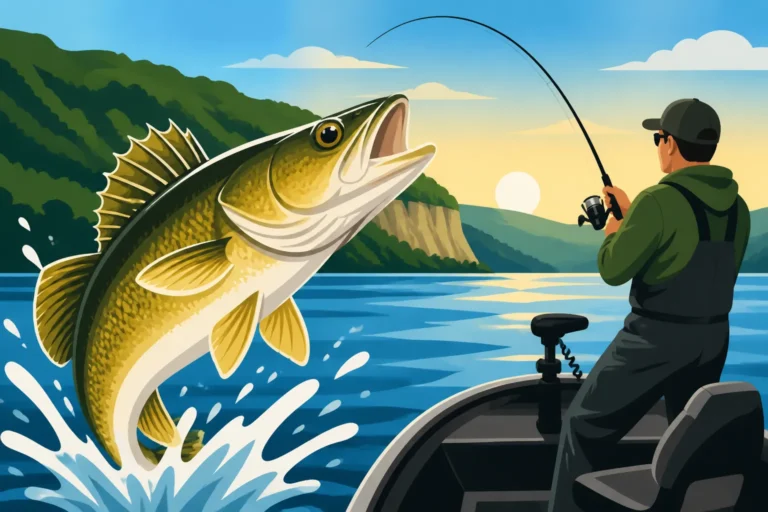
Walleye and their close cousins, sauger, are a huge draw on the St. Croix. These toothy predators thrive in the river's varied structure and abundant forage. You'll find them scattered throughout the system, but they particularly congregate in deeper holes, current seams, and around submerged structure like wing dams or rock piles, especially in the wider, lower sections of the river. The bite can be fantastic, whether you're targeting them during the spring spawn or tracking them down in their deep summer haunts.
For those looking to fill their livewells, traditional Walleye Fishing Techniques: Complete Minnesota Guide like jigging with a minnow or a plastic grub, slowly trolling crankbaits, or dragging a bottom bouncer with a crawler harness are highly effective. Don't be afraid to experiment with different depths and retrieves. Many anglers swear by a brightly colored jig tipped with a shiner minnow, especially in the stained water after a rain. When the bite is tough, focusing on those subtle depth changes or the eddy currents just behind a major piece of structure can make all the difference. Remember that sauger often prefer slightly deeper, darker areas and can be caught right alongside walleye, often hitting the same presentations.
Smallmouth Bass Havens
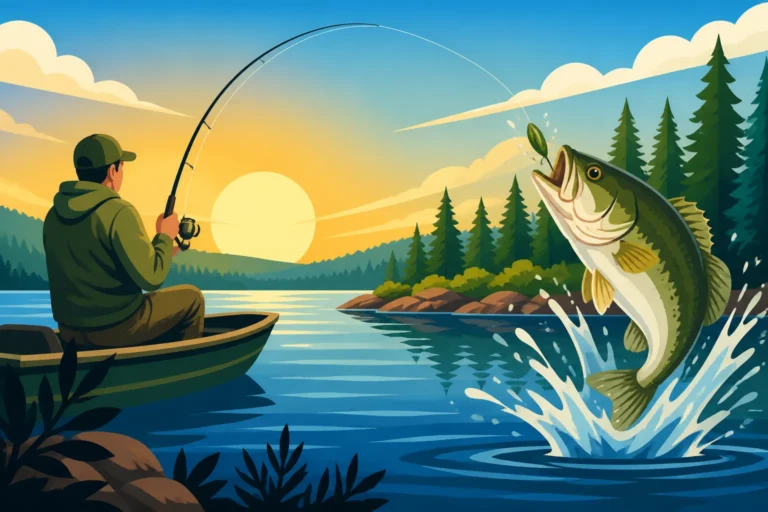
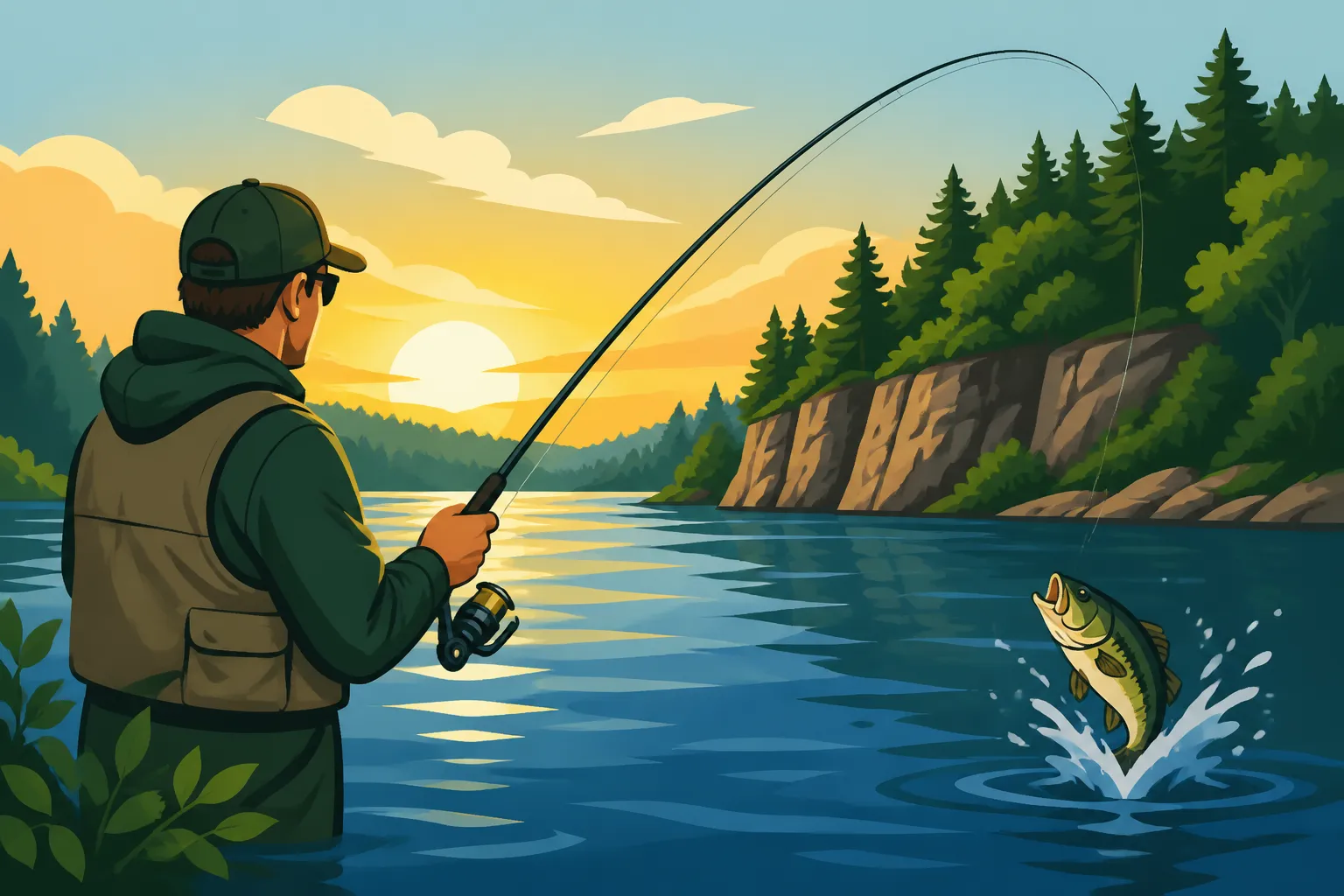
If you love hard-fighting fish that leap and dive, the St. Croix River's smallmouth bass fishery will not disappoint. The upstream, rockier sections of the river, particularly around Taylors Falls and north, are absolutely prime smallmouth habitat. They love current, rocky bottoms, and areas with plenty of boulders and submerged timber to ambush prey. These bronze warriors are aggressive and will readily hit a variety of presentations.
Casting tube jigs, crankbaits that mimic crawfish, spinnerbaits, and topwater lures can be incredibly effective, especially during the warmer months. Look for current breaks, eddies, and seams behind large rocks or along bluff walls. Flipping jigs or soft plastics into visible cover can also produce some explosive strikes. The Smallmouth & Largemouth Bass in Minnesota are known for their strong runs and acrobatic jumps, making them a thrilling target for both seasoned and novice anglers. Even in the wider, lake-like sections downstream, you'll find smallmouth congregating around rocky points and bridge pilings.
Catfish Giants
For those who enjoy a true tug-of-war, the St. Croix River is home to an exceptional channel catfish population, and even some flathead catfish, particularly in the lower stretches closer to the Mississippi River confluence. These fish aren't just plentiful; they grow to impressive sizes, with 10-20 pounders being fairly common, and true trophy flatheads of 30+ pounds always a possibility for dedicated anglers. They are powerful fighters that will test your gear and your resolve.
The best strategy for these whiskered beasts is often to fish deep holes, bends in the river, and areas with slower current, especially near fallen trees or other submerged cover. Cut bait, dead smelt, large worms, and chicken livers are all fantastic baits for channel catfish. For flatheads, live bait like suckers or large creek chubs are typically preferred, fished on heavy tackle right on the bottom. Fishing at night can often yield the biggest flatheads, as they become more active predators in the darkness. You can learn more about targeting these powerful fish in our Catfish in Minnesota: Channel & Flathead guide.
Essential Techniques and Tackle
Successfully fishing the St. Croix River requires understanding how to adapt your techniques and gear to its ever-changing conditions, from swift currents to broad, calm pools.
River-Specific Strategies for Success
Fishing a river like the St. Croix is a different beast compared to fishing a still lake. The current dictates much of how fish position themselves and how you need to present your baits. Always think about current breaks – fish will tuck behind rocks, logs, or even subtle changes in bottom contour to escape the main flow and conserve energy, waiting for food to drift by. Identifying these seams and eddies is paramount. Drifting with the current, either with a boat or from shore, can be incredibly effective, allowing your bait to naturally present itself to waiting fish.
For walleye and sauger, bottom bouncing with a crawler harness or a live bait rig can be deadly when drifting slowly over flats or along channel edges. When you find a promising spot, like a deeper hole or a rock pile, anchoring up and jigging vertical presentations like a jig and minnow or a jigging rap can entice strikes. During low light conditions or at night, casting or trolling crankbaits that dive to the appropriate depth can be productive. Don't overlook the power of a simple How to Use a Slip Bobber for Walleye & Crappie rig when fishing around docks, fallen trees, or current seams, as it allows for a natural, suspended presentation.
Recommended Gear and Tackle
Given the diverse fishing opportunities and conditions on the St. Croix, a versatile tackle box and appropriate gear are essential. For general walleye, sauger, and medium-sized bass fishing, a medium-light to medium power spinning rod, around 6'6" to 7' long, paired with a reliable spinning reel spooled with 8-10 pound monofilament or fluorocarbon line, or even 15-20 pound braid with a fluorocarbon leader, is a great all-around setup. This will give you the sensitivity for detecting subtle bites and enough backbone to handle a decent fish in current. Check out our recommendations for Best Walleye Rods & Reels.
For the river's substantial catfish population, especially flatheads, you'll want to beef up your gear significantly. A heavy power, fast action casting rod, at least 7' long, with a baitcasting reel spooled with 50-80 pound braided line is advisable. Heavy duty circle hooks (4/0 to 8/0) and substantial weights (1-4 ounces, depending on current) are necessary to hold your bait on the bottom. For bait, remember that fresh cut bait or large live bait is king. Always bring a variety of jigs (1/4 to 3/4 ounce), an assortment of crankbaits that dive to different depths, spinnerbaits, and plenty of terminal tackle like snelled hooks, swivels, and weights. And don't forget the pliers and a good landing net! For live bait, local bait shops along the river, like those in Stillwater or Hudson, can often provide the freshest local options.
Access Points and Regulations
Getting on the St. Croix River and navigating its regulations can feel like a maze, but with a bit of planning, it's totally manageable. Knowing where to launch and what rules apply will make your trip much smoother.
Public Access and Marinas
The St. Croix River offers numerous public boat launches and access points along both the Minnesota and Wisconsin shores, making it accessible to anglers with boats of all sizes. For those targeting the wider, deeper sections, public launches in Stillwater, Bayport, Afton, and Hudson (on the Wisconsin side) provide ample parking and good facilities. Upstream, around Taylors Falls and Osceola (WI), launches are typically smaller and better suited for smaller boats, kayaks, or canoes, offering access to the more riverine stretches.
Many parks along the river, such as Boom Site in Stillwater or William O'Brien State Park further north, also provide excellent opportunities for Shore & Bank Fishing in Minnesota (No Boat). These spots often feature docks, piers, or accessible shoreline for casting. If you're looking for more amenities or need to dock your boat overnight, several marinas dot the river, especially around Stillwater and Hudson. They can also be great resources for local fishing reports and bait. Before heading out, it's always a good idea to check local municipal or state park websites for current launch conditions, fees, and any temporary closures.
Here's a quick look at some popular access points and what they typically offer:
| Access Point | Location (Closest Town) | Primary Access Type | Common Species Targeted Nearby | Notes |
|---|---|---|---|---|
| Stillwater Public Launch | Stillwater, MN | Boat Launch, Shore | Walleye, Sauger, Catfish, Bass | Large parking, busy, good for lower river. |
| Taylors Falls State Park | Taylors Falls, MN | Shore, Canoe/Kayak | Smallmouth Bass, Panfish | Rocky, scenic, smaller craft friendly. |
| Hudson Public Boat Launch | Hudson, WI | Boat Launch | Walleye, Sauger, Catfish, Bass | Popular, easy access to Lake St. Croix. |
| Bayport Public Access | Bayport, MN | Boat Launch, Shore | Walleye, Sauger, Catfish, Bass | Good for mid-to-lower river, less crowded. |
| William O'Brien State Park | Marine on St. Croix, MN | Shore, Canoe/Kayak | Smallmouth Bass, Pike, Panfish | Upstream section, calmer waters, scenic. |
| Osceola Public Landing | Osceola, WI | Boat Launch | Smallmouth Bass, Walleye | Access to central river, good for varied fish. |
Navigating Regulations from Both States
As mentioned, the border water status means you're operating under a unique set of rules. While a license from either Minnesota or Wisconsin generally allows you to fish the main channel, it's critical to abide by the specific regulations of the state whose water you are fishing in at any given time. This includes length limits, bag limits, and season dates, which can and often do differ between Minnesota and Wisconsin. For instance, the Walleye Season & Limit in Minnesota might be different from Wisconsin's for the same species. It is your responsibility to know which state's regulations apply to the specific spot you're fishing.
Before every trip, make it a habit to consult both the Minnesota DNR and Wisconsin DNR fishing regulations. They often publish specific sections dedicated to boundary waters. Pay close attention to species like walleye, sauger, northern pike, and bass, as these are frequently managed with different rules in each state. If you’re ever in doubt, err on the side of caution or consult a local bait shop or guide. A seasoned guide, easily found on platforms like FishingBooker, will be well-versed in these nuances and can offer invaluable insights, ensuring you stay compliant while maximizing your fishing time. Remember, the goal is to enjoy your time on this magnificent river, and that means respecting its rules and its fish. Don't forget to also check for any special regulations specific to the National Park Service's St. Croix National Scenic Riverway, though these often overlap with state rules. Our guide on Minnesota Fishing License: Cost, Types & How to Buy (2026) will help you get started on the Minnesota side.
Seasonal Fishing Patterns on the St. Croix
Understanding the seasonal movements and behaviors of fish is paramount to consistent success on the St. Croix River. The changing temperatures and water levels throughout the year significantly influence where fish are, what they’re eating, and how they react to presentations.
Spring and Early Summer Opportunities
Spring on the St. Croix kicks off with a bang, especially for walleye and sauger, as they begin their spawning runs. After the ice melts, these fish move into shallower, current-heavy areas to reproduce. This is a prime time to target them with jigs tipped with minnows or soft plastics, especially in eddies and current breaks. The water can be high and muddy during this period, so brightly colored baits or those with rattles can be particularly effective. While the walleye opener has specific dates in Minnesota, the river itself may have slightly different nuances due to its boundary water status, so always double-check Minnesota Fishing Seasons & Opener Dates (2026) for both states.
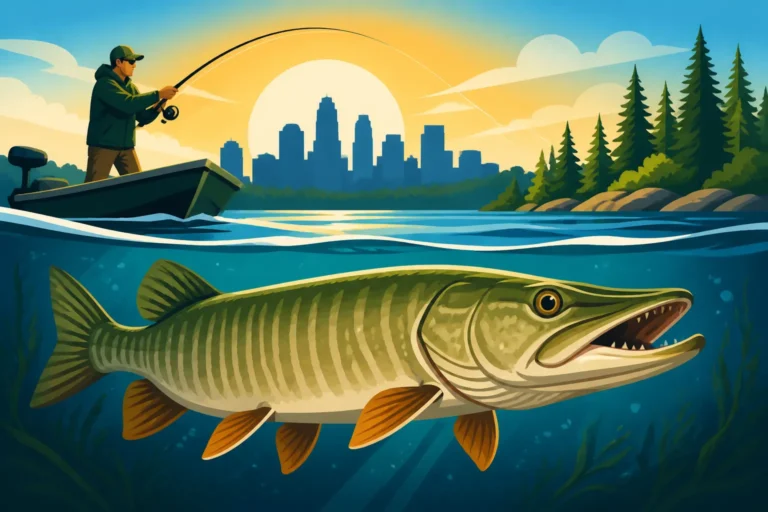
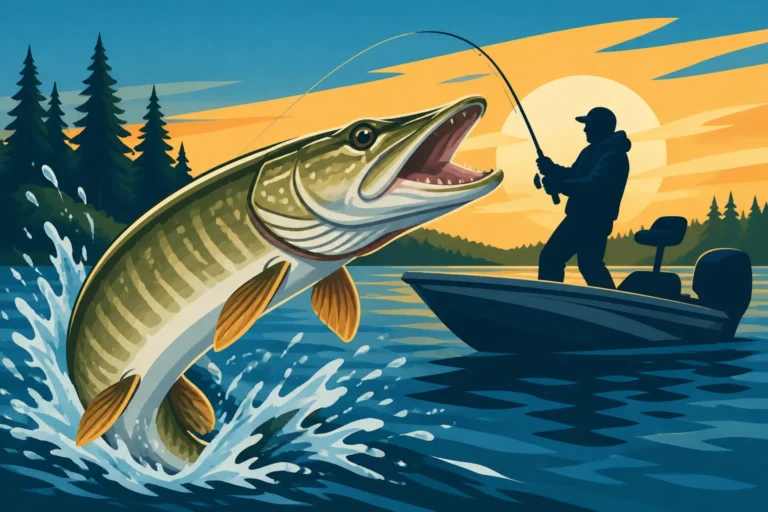
As spring transitions into early summer, the water warms up, and fish become more active. Smallmouth bass really turn on, moving onto rocky points and gravel flats to spawn. Topwater action can be incredible during this time, especially in the mornings and evenings. Panfish like crappie and bluegill will also move into shallow, weedy bays and backwaters for their spawn, offering fantastic opportunities for anglers seeking easier action. This is a great time to explore the river's quieter channels and oxbows, often found off the main current. Don't forget that large northern pike will also be active, often lurking around weed beds and drop-offs, ready to ambush unsuspecting baitfish.
Mid-Summer and Fall Transitions
Mid-summer on the St. Croix means warmer water and fish often moving to deeper, cooler sections or finding refuge in shade and current breaks. Walleye and sauger will often hold in deep holes, along main channel edges, and around submerged structures like rock reefs or artificial habitats. Trolling crankbaits or dragging bottom bouncers with live bait becomes highly effective for covering water and finding these active fish. Night fishing can also be incredibly productive for walleye when they move shallower to feed under the cover of darkness.
As fall approaches, the water temperatures begin to drop, and many fish go on a feeding frenzy to bulk up for winter. This "fall bite" can be legendary on the St. Croix. Walleye become very aggressive, often stacking up in large numbers in deeper holes and around significant structure. Larger crankbaits and jigging spoons can be excellent choices. Smallmouth bass will also feed heavily before winter, often found grouping up on rocky ledges and points. Catfish, too, will be very active, taking advantage of abundant forage. The stunning fall foliage along the St. Croix makes this season not only productive for fishing but also incredibly beautiful for being on the water.
Disclaimer
Fishing regulations, seasons, and limits can change frequently. Always consult the official Minnesota Department of Natural Resources (DNR) and Wisconsin Department of Natural Resources (DNR) websites for the most current and accurate information before planning your fishing trip on the St. Croix River. This guide is for informational purposes only and should not be considered a substitute for official regulations.