Lake Kabetogama Fishing Regulations (2026)
There's nothing quite like planning a fishing trip to a legendary spot like Lake Kabetogama. It's one of those places that calls to your soul, promising vast waters, stunning scenery, and the chance at some truly memorable catches. But let's be honest, the excitement can quickly turn into a headache when you start diving into the rulebooks. Fishing regulations, especially for a lake as unique and geographically positioned as Kabetogama, can feel like navigating a legal maze designed to confuse even the most seasoned angler. This comprehensive guide is here to untangle those knots, giving you a clear, realistic breakdown of Lake Kabetogama's fishing regulations for 2026, so you can spend less time scratching your head and more time with a line in the water.
Understanding Lake Kabetogama's Unique Status
Lake Kabetogama isn't just any Minnesota lake; it's a jewel nestled within Voyageurs National Park, directly bordering Canada. This isn't just a fun fact for your travelogue; it profoundly impacts the fishing regulations you'll encounter. Unlike many inland Minnesota lakes, where rules are fairly straightforward and consistent within the state's DNR framework, Kabetogama operates under layers of jurisdiction that can initially seem daunting. You're not just dealing with Minnesota state law; you're often touching on federal park regulations and even international agreements. This unique blend of authorities is precisely why understanding Kabetogama's specific rules is paramount before you cast a single line. It's easy to assume "Minnesota rules" apply, but this border water demands a closer look.
Border Water Agreements
One of the most significant factors influencing fishing on Lake Kabetogama is its status as a border water with Ontario, Canada. While Kabetogama itself is entirely within the U.S. side of the border, it's intrinsically linked to the larger Rainy Lake and Namakan Lake chain, which do straddle the international line. This means that if you're venturing out onto those interconnected waters, or if fish species move freely between them, there can be nuances in how regulations are applied or interpreted. The Minnesota Department of Natural Resources (DNR) works in conjunction with Canadian authorities to manage these shared fisheries, aiming for sustainability across the entire ecosystem. This cooperative management often results in regulations that consider the health of the entire border waters region, not just one side.
For instance, while Kabetogama proper falls under Minnesota's jurisdiction, if you decide to take a day trip through the park's waterways into Rainy Lake or Namakan Lake, you'll need to be acutely aware of the specific border water regulations that apply to those shared areas. These can sometimes differ slightly from inland Minnesota rules, creating a patchwork of guidelines depending on precisely where you're fishing. It's a common frustration for anglers, envisioning a seamless transition across beautiful waters only to be halted by a sudden change in legal limits. Always consult the most current regulations for "Border Water Fishing Rules Minnesota-Ontario, Wisconsin" if your adventure takes you beyond Kabetogama's direct boundaries.
Voyageurs National Park Influence
Being located entirely within Voyageurs National Park adds another layer of specific rules and considerations. National parks often have their own set of regulations designed to protect natural resources, manage visitor impact, and ensure ecological integrity. While the Minnesota DNR sets the species-specific fishing limits, the National Park Service (NPS) often dictates rules regarding access, boat usage, mooring, and even possession of live bait within park boundaries. These aren't usually about how many walleye you can keep, but rather how you conduct your fishing activity within the protected landscape.
Imagine planning a remote camping and fishing trip deep within the park. You might find that certain motor restrictions apply in specific bays, or that you need to be extra diligent about "Aquatic Invasive Species AIS Rules for Boaters" due to the park's sensitive ecosystems. The NPS emphasizes leaving no trace and protecting the pristine environment, which means rules about litter, waste disposal, and even fuel storage can be stricter than on typical state-managed waters. It's not uncommon for park rangers to enforce these rules, and ignorance is rarely a valid excuse. So, while the fish limits come from the state, the "how-to-fish-here" often has a strong park flavor.
Key Lake Kabetogama Fishing Regulations for 2026
Alright, let's get down to the brass tacks: what are the actual fish limits and seasons you need to know for Lake Kabetogama in 2026? Remember, these are based on the latest available information, and while 2026 specific regulation books might not be officially published until late 2025, regulations for Kabetogama typically remain quite stable year to year unless significant biological changes necessitate an adjustment. It's always a good practice to double-check the Minnesota DNR's official regulations supplement before you head out, just in case there's a last-minute change to, say, the "Minnesota Fishing Regulations Changes for 2026".
Walleye and Sauger Limits
For many anglers heading to Kabetogama, walleye and sauger are the main targets, and rightly so – the lake offers fantastic opportunities for both. For 2026, you can expect the Walleye and Sauger regulations on Lake Kabetogama to align with the statewide or specific northern Minnesota border water regulations for these species. Generally, this means a combined bag limit, with specific allowances for each species.
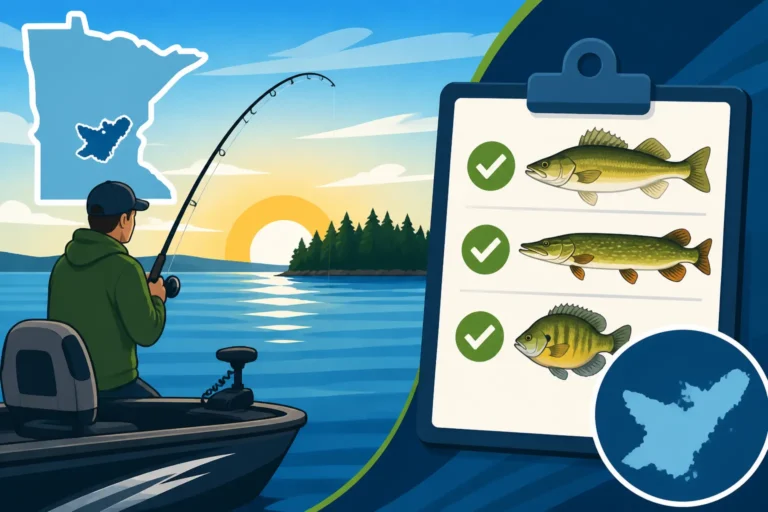
Typically, the combined limit for walleye and sauger on Kabetogama is six, with no more than four of those being walleye. This means you could keep four walleye and two sauger, or three walleye and three sauger, and so on. There's often a protected slot limit for walleye, meaning fish within a certain size range must be immediately released. For Kabetogama, this slot has historically been 17 to 28 inches, with only one walleye over 28 inches allowed in your possession. This protected slot is a critical conservation measure, designed to protect the breeding stock of larger, mature walleye, ensuring the future health of the fishery. Missing this detail can easily lead to a hefty fine, as conservation officers are vigilant about enforcing slot limits on popular walleye waters. You can find more specific information on "Walleye Season & Limit in Minnesota" to compare.
Northern Pike Regulations
Northern Pike fishing on Lake Kabetogama offers some thrilling action, especially if you're looking for larger fish. Minnesota employs a zone-based management system for northern pike, and Kabetogama falls into the Northern Pike Zone. This zone is designed to protect larger pike while allowing for harvest of smaller, more abundant fish.
In the Northern Pike Zone, the daily bag limit is generally three pike, with one significant restriction: only one pike over 30 inches is allowed in your possession. This regulation aims to manage the population by encouraging anglers to keep smaller pike, which tend to be more numerous and can benefit from harvest, while protecting the larger, older "trophy" pike that contribute significantly to the ecosystem. It's a balancing act designed to improve both the quantity and quality of pike fishing. Many anglers targeting pike on Kabetogama specifically seek out those hard-fighting fish in the 20-28 inch range, which are perfect for a shore lunch and align well with these regulations. For a broader overview, check out "Minnesota Northern Pike Limits by Zone".
Panfish and Bass Rules
While walleye and pike often grab the headlines, Lake Kabetogama also offers fantastic fishing for panfish like crappie and sunfish, as well as both largemouth and smallmouth bass. The regulations for these species are generally more straightforward than for walleye or pike, but it's still essential to know the specifics.
For Crappie and Sunfish on Lake Kabetogama, the general statewide limits typically apply, which are 10 for crappie and 20 for sunfish (bluegill, pumpkinseed, etc.), with a combined possession limit often matching the daily bag. However, some specific lakes or lake systems might have reduced limits to manage localized populations. Kabetogama's large size and healthy panfish populations usually mean standard limits, but always check the current "Minnesota Crappie & Sunfish Limits" for any lake-specific exceptions. As for Bass, both Largemouth and Smallmouth, Kabetogama generally follows the statewide regulations: a combined bag limit of six, with no length restrictions. However, sometimes catch-and-release seasons are implemented, particularly for smallmouth bass, during certain spawning periods to protect the species. This is something you'd want to confirm closer to the 2026 season.
Here’s a quick summary table of the anticipated key regulations for Lake Kabetogama in 2026:
| Species | Daily Bag Limit | Possession Limit | Size Restrictions |
|---|---|---|---|
| Walleye | 4 | 4 | 17-28 inches protected slot; one over 28 inches allowed |
| Sauger | 6 (combined) | 6 (combined) | None specific (within combined limit) |
| Northern Pike | 3 | 3 | Only one over 30 inches allowed |
| Crappie | 10 | 10 | None |
| Sunfish | 20 | 20 | None |
| Largemouth Bass | 6 (combined) | 6 (combined) | None |
| Smallmouth Bass | 6 (combined) | 6 (combined) | None |
Note: These limits are based on historical and current Minnesota DNR regulations for Lake Kabetogama and may be subject to change for the 2026 season. Always consult the official Minnesota DNR fishing regulations for the most up-to-date information before fishing.
Essential Rules Beyond Species Limits
Fishing successfully on Lake Kabetogama means understanding more than just how many fish you can keep. There are several other crucial regulations that govern the act of fishing itself, from what you need to legally participate to how you protect the lake's delicate ecosystem. Overlooking these can be just as problematic as exceeding a bag limit. It's the kind of stuff that might seem like common sense but is legally binding.
Licensing Requirements
Let's start with the absolute basics: you need a fishing license. This isn't unique to Kabetogama, of course, but it's fundamental. Anyone 16 years of age or older needs a valid Minnesota fishing license to fish on state waters, including Lake Kabetogama. This applies to both residents and non-residents. The types of licenses vary, from annual licenses to short-term options like a "How Much Is a One-Day Minnesota Fishing License?" or a family license. If you're visiting from out of state, you'll need a "Nonresident Fishing in Minnesota: Licenses & Rules" license.
Getting caught without one is a surefire way to ruin your trip and incur a hefty fine. And remember, while kids don't always need a license, the rules for "Minnesota Fishing License for Kids & Youth" do have age cutoffs. Even if you're just assisting someone else, or holding a pole, you technically need a license in Minnesota. So, whether you plan to spend a day or a week chasing Kabetogama's walleye, ensure your paperwork is in order before you even launch your boat. You can easily purchase these online or at numerous vendors throughout Minnesota.
Aquatic Invasive Species AIS Prevention
This is a big one, not just for Kabetogama, but for all of Minnesota's pristine waters. The threat of Aquatic Invasive Species (AIS) like zebra mussels, spiny waterfleas, and Eurasian watermilfoil is very real, and their presence can decimate native ecosystems. Because Lake Kabetogama is part of a national park and connected to international waters, preventing the spread of AIS is an even higher priority here. The regulations aren't just suggestions; they are strictly enforced laws designed to protect the precious resources of the park and the surrounding waters.
Before leaving any body of water, you are legally required to clean, drain, and dispose. This means:
- Clean: Remove all visible aquatic plants and prohibited invasive species from your boat, trailer, and all fishing equipment. This includes weeds caught on your prop or fishing line.
- Drain: Drain all water from your boat (including the bilge), bait buckets, and livewells before transporting your equipment on public roads. This is where the "Minnesota AIS Drain Plug Law Explained" comes into play – your drain plug must be removed when transporting a boat.
- Dispose: Dispose of unwanted bait in the trash, not in the water. Never release live bait from one body of water into another.
Failure to follow these steps can result in significant fines and even criminal charges. Park rangers and DNR officers conduct frequent checks at boat launches around Kabetogama and within Voyageurs National Park, so compliance is non-negotiable. Understanding "How to Decontaminate Your Boat AIS" is crucial for every angler.
Gear Restrictions and Methods
Beyond species limits and AIS prevention, there are also rules about how you can actually fish. These "methods" regulations ensure fair play and sustainable practices. One of the most common questions from new anglers is "How Many Lines Can You Fish in Minnesota?". In open water (non-ice fishing) on Kabetogama, you are generally allowed to use one line per licensed angler. However, if you're ice fishing, that limit often increases, usually to two lines. This is a critical distinction that many anglers forget when transitioning between seasons.
Other methods-based rules include:
- Spearing: While spearing is permitted for certain species in designated waters, generally, it is not a common or permitted method for game fish like walleye and pike on Kabetogama. If you're interested in "Dark House Spearing in Minnesota Rules & License" you'll need to check specific regulations for that method and species, but don't assume it applies to Kabetogama.
- Possession of Bait: There are sometimes restrictions on the type of live bait allowed, especially in AIS-sensitive waters or within park boundaries. Always check if there are any current advisories on using certain baitfish or minnows on Kabetogama.
- Shelters and Permanent Structures: If you're venturing out onto the ice in the winter, there are specific "Minnesota Ice Fishing & Shelter Rules" regarding identification, removal deadlines, and even how far you need to be from other shelters.
These regulations are in place to ensure a sustainable fishery and a respectful experience for all who enjoy Lake Kabetogama. By adhering to them, you're not just avoiding penalties, you're contributing to the long-term health and enjoyment of one of Minnesota's most spectacular fishing destinations.
Disclaimer
Please note that fishing regulations are subject to change. While this guide is based on the most current available information and anticipated regulations for 2026, it is imperative that you consult the official Minnesota Department of Natural Resources (DNR) fishing regulations booklet or website before your trip to Lake Kabetogama. The DNR is the authoritative source for all fishing laws and rules, and any discrepancies should be resolved by referring to their official publications. Local conditions, biological surveys, and legislative actions can all influence regulations, sometimes with short notice.