Lower Red Lake Walleye Limit & Slot
You are likely familiar with the excitement of planning a trip to the massive Red Lake complex, only to realize that the rules for the northern and southern halves are night and day. This guide clarifies the specific Lower Red Lake walleye limit and slot, explains the jurisdictional boundaries between tribal and state waters, and ensures you don't accidentally wander into a legal nightmare while chasing trophies.
Understanding the Jurisdictional Divide of Red Lake
When we talk about Red Lake, we are dealing with two very different management systems. The vast majority of Lower Red Lake is entirely within the boundaries of the Red Lake Indian Reservation. This isn't just a matter of different paperwork; it is a matter of sovereign territory. For the average angler visiting from the Twin Cities or out of state, the water you see on the map as Lower Red Lake is generally off-limits unless you are a member of the Red Lake Band of Chippewa Indians or are accompanied by a licensed tribal guide under specific tribal permits.
This creates a lot of frustration for folks who see a massive body of water and assume they can just drop a boat in at any landing. If you are looking for the Upper Red Lake Walleye Limit & Slot because you are a non-tribal member, you need to be aware that your fishing is restricted to the eastern portion of the northern basin. The state-managed portion of Upper Red Lake is where the general public can legally fish. Lower Red Lake is managed by the Red Lake Department of Natural Resources (DNR), and their regulations are designed to sustain the fishery for the tribal community and their commercial fishing enterprise.
The recovery of the walleye population in this system is one of the greatest success stories in Minnesota's history. In the late 1990s, the walleye population effectively collapsed due to overfishing. Through a historic agreement between the Red Lake Nation and the State of Minnesota, the lake was closed to all walleye fishing for several years to allow for restocking and natural recovery. Today, the fishery is thriving, but that success is protected by very strict enforcement of boundaries and limits.
Lower Red Lake Walleye Regulations for Tribal Members
For those who are legally permitted to fish Lower Red Lake, the regulations are set by the Red Lake Tribal Council. These rules can change more frequently than state laws because the tribe monitors the biomass of the lake in real-time to support their commercial fishery. Unlike the state's recreational focus, the tribal management of Lower Red Lake balances subsistence, recreation, and the economic needs of the band.
The walleye limit on Lower Red Lake for tribal members is typically more generous than the state-managed Upper Red Lake, but it is often tied to a "slot" or a "size cap" to protect the prime spawners. It is quite common for the tribe to allow a daily bag limit that reflects the abundance of the current year class. However, if you are a non-band member, you must understand that there is no "public" walleye limit for Lower Red Lake because there is no public access. If you are caught on the lower basin without authorization, your gear and vehicle can be seized, and you will face tribal court.
To stay safe, many anglers check the Minnesota Fishing Regulations Changes for 2026 to see if there have been any updates to how the state handles the boundary lines. Even though the state doesn't manage the lower basin, they work closely with the tribe to ensure that recreational anglers on the upper basin don't accidentally drift across the line.
Comparing Upper and Lower Red Lake Regulations
Most people searching for information on Lower Red Lake are actually trying to figure out where they can legally keep fish on the Red Lake system. Since the lower basin is restricted, the recreational pressure is concentrated on the state-managed portion of the upper basin. The Minnesota Walleye Limit & Size Rules for the state portion of Red Lake are notoriously fluid. The Minnesota DNR often adjusts these mid-season based on how many pounds of walleye have been harvested.
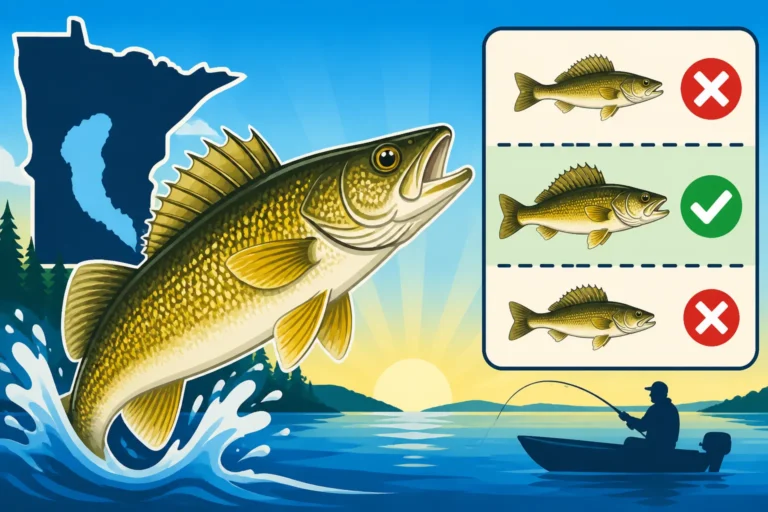
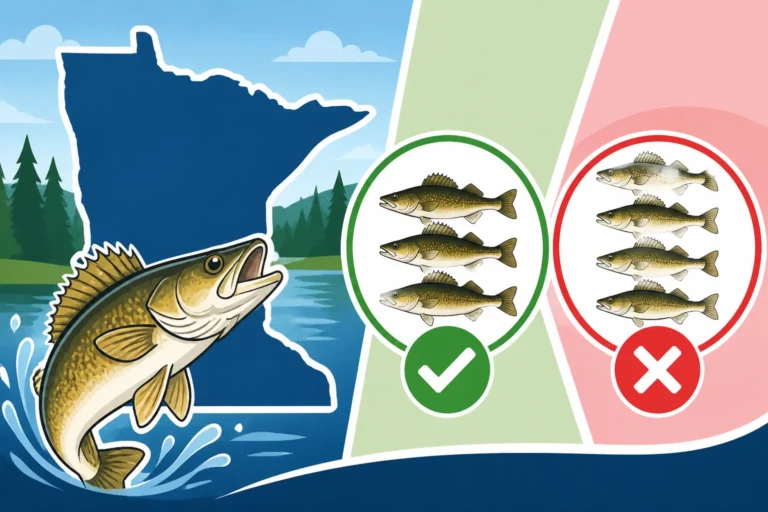
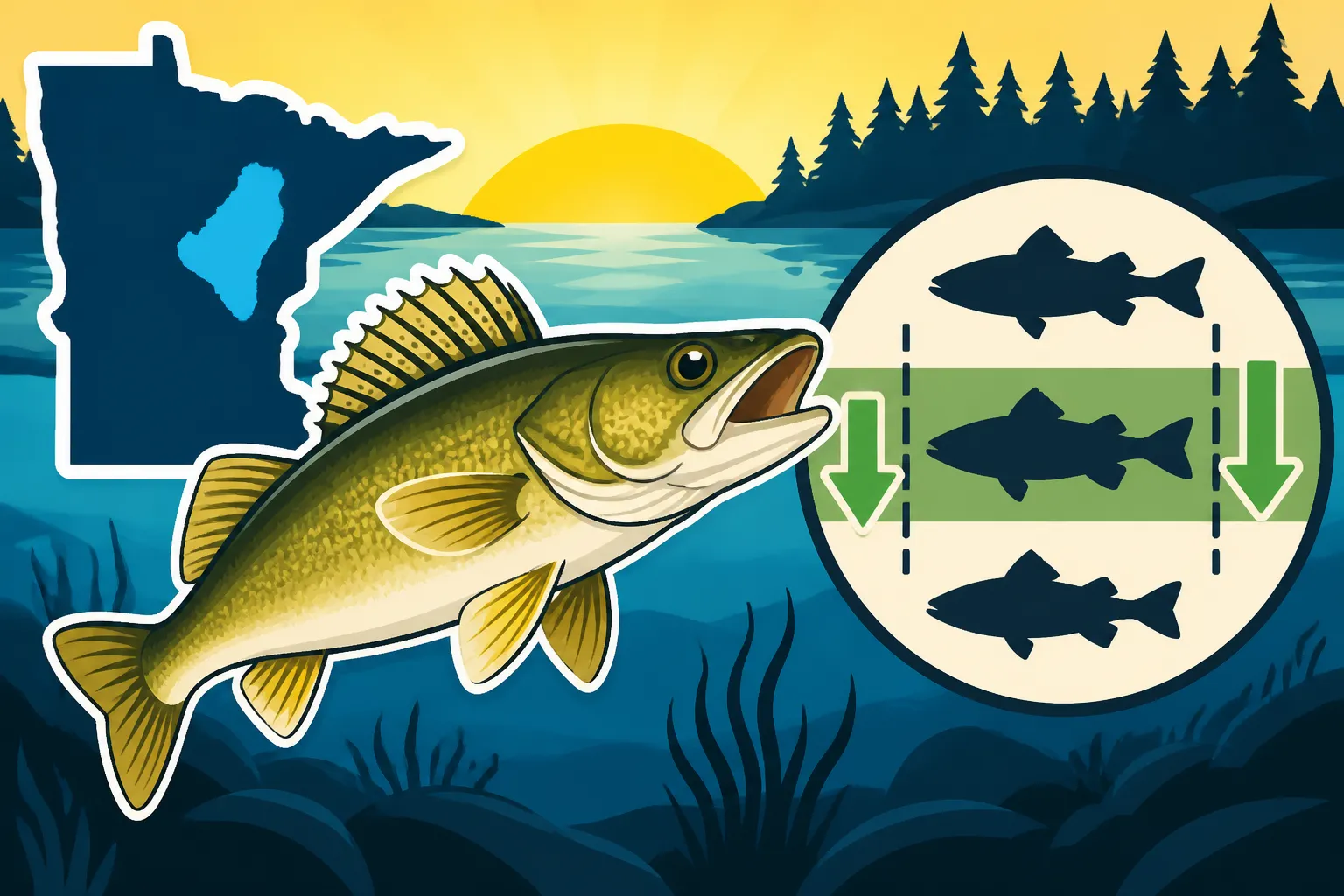
For example, in a typical winter season on the state portion of Upper Red Lake, you might see a limit of four walleye, with a requirement that all fish between 17 and 26 inches must be immediately released. These "protected slots" are designed to keep the most productive breeding fish in the water. On the tribal side of Lower Red Lake, the management focus might prioritize different size classes to ensure the health of the Red Lake Nation Fishery, which processes and sells walleye globally.
| Feature | Lower Red Lake (Tribal) | Upper Red Lake (State-Managed) |
|---|---|---|
| Access | Restricted to Tribal Members | Open to General Public |
| Management | Red Lake DNR | Minnesota DNR |
| Typical Limit | Set by Tribal Council | Often 3-5 Walleye (Seasonal) |
| Slot Limit | Protects Spawners | 17" to 26" Protected (Typical) |
| License Needed | Tribal ID / Special Permit | Minnesota Fishing License: Cost, Types & How to Buy (2026) |
The "Narrows" and Boundary Line Logistics
One of the most confusing aspects of fishing this system is the "Narrows," the area where the upper and lower basins connect. There is a very specific line that runs across the lake, and crossing it—even by a few yards—means you have left Minnesota state jurisdiction and entered the Red Lake Reservation. This is where most honest mistakes happen. High winds or a wandering schools of fish can lead an angler to drift south of the line.
It is highly recommended that you use a modern GPS with an updated lake map chip. Most of these chips clearly mark the reservation boundary. If you are unsure, look for the Minnesota Fishing Regulations PDF: Where to Find It to view the official map provided by the DNR. They often use landmarks or GPS coordinates to define exactly where the state's authority ends.
If you are fishing near the line, you must be extremely diligent about Catch and Release Best Practices in Minnesota. If you catch a fish that is within the protected slot or if you are approaching your Minnesota Fishing Limits: Bag & Possession (2026), make sure you are firmly in state waters before putting that fish in the livewell. The conservation officers from both the state and the tribe patrol these boundaries frequently, especially during the peak ice fishing months when the "frozen city" of fish houses expands across the ice.
Seasonal Fluctuations and Harvest Caps
The reason the Lower Red Lake walleye limit and slot can feel like a moving target is because of the harvest cap system. Both the tribe and the state have an agreed-upon number of pounds they can harvest each year. Once the state's recreational anglers hit their poundage limit, the DNR will often drop the limit to one fish or move to a catch-and-release only rule for the remainder of the season.
This is why it is so important to check the current Upper Red Lake Walleye Fishing Report & What's Biting before you hook up the boat. You don't want to drive five hours only to find out the limit changed yesterday. For those on the tribal side, the commercial harvest is also strictly monitored. If the commercial nets are pulling in too many fish too quickly, the tribal DNR may adjust the rules for band members to ensure the lake isn't overstressed.
If you are a non-resident visiting the area, make sure you have the correct Nonresident Fishing in Minnesota: Licenses & Rules documentation. Even if you are just "looking" at Lower Red Lake, being on the water with fishing gear in the wrong spot can lead to heavy fines. The state and the tribe take the Minnesota Possession Limits Explained very seriously here because of how much effort went into the lake's recovery.
Tips for Staying Legal on Red Lake
First, always launch from an approved state landing on the east side of Upper Red Lake, typically near the town of Waskish. This ensures you are starting your trip in legal waters. Second, keep a physical or digital copy of the Minnesota Fishing Limits: Bag & Possession (2026) handy. Red Lake has special regulations that supersede the general statewide limits, so the "standard" walleye rules you use on other lakes do not apply here.
Third, be aware of the Aquatic Invasive Species (AIS) Rules for Boaters. Because Red Lake is such a high-traffic destination, the risk of spreading zebra mussels or starry stonewort is extreme. Always How to Decontaminate Your Boat (AIS) before moving from Red Lake to another body of water. The locals and the tribal members are very protective of this water, and showing that you respect the environment goes a long way.
Finally, if you are ice fishing, remember the Minnesota Ice Fishing & Shelter Rules. Because the ice on Red Lake can be unstable and moves with the wind, the boundary lines can feel even more abstract in the winter. Ensure your shelter is clearly marked and that you are staying north of the tribal line. If you are looking for advice on how to actually catch these fish once you are in the right spot, check out Upper Red Lake Walleye Fishing Tips for the best lure and depth recommendations.
Navigating the Red Lake Experience Empathically
It can feel frustrating to see half of a magnificent lake "off-limits," but it is helpful to view it through the lens of history and conservation. The Red Lake Nation's stewardship is the reason there are fish in the upper basin at all. Without their cooperation in the late 90s, Red Lake might still be a "dead" lake today. When you fish the state portion of the lake, you are participating in a carefully balanced ecosystem.
By respecting the Lower Red Lake walleye limit and slot—even if that means staying out of those waters entirely—you are helping to ensure that the next generation of anglers can enjoy the legendary "Red Lake bite." Whether you are looking for a Minnesota Conservation vs Regular License or just trying to figure out When Is the Minnesota Walleye Opener 2026?, always remember that Red Lake is a unique treasure that requires a bit more homework than your average local pond.
Minnesota Fishing Regulations Disclaimer
This guide is intended for informational purposes and should be used as a supplement to the official Minnesota Department of Natural Resources (DNR) and Red Lake Department of Natural Resources regulations. Fishing laws, including daily bag limits, possession limits, and slot sizes, are subject to frequent change based on biological surveys and harvest quotas. Always consult the most recent Minnesota Fishing Regulations handbook or the official tribal government notices before your trip to ensure you are in compliance with the most current laws.