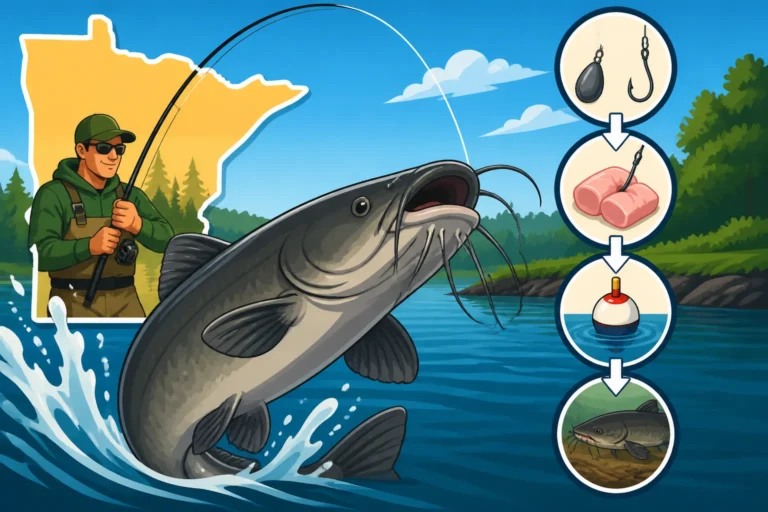
Best Seasonal Pattern for Burbot in Minnesota
It's easy to dismiss burbot, or "eelpout" as many call them, as one of Minnesota's less glamorous fish. Often misunderstood and certainly not winning any beauty contests, locating these elusive, deep-dwelling creatures can be a real head-scratcher. But for those who crack their code, burbot offer a unique angling challenge and surprisingly delicious table fare. This guide will help you understand the seasonal patterns of burbot in Minnesota, demystifying where and when to find these fascinating fish.
The Mysterious Burbot Unveiled: Why These "Eelpout" are Worth Your Time
For many anglers, the burbot is an enigma. It's often mistaken for an eel due to its long, slender body and single barbel on its chin, which is how it earned the "eelpout" moniker. But make no mistake, it's a true freshwater cod, adapted perfectly to the cold, deep waters of Minnesota's larger lakes. They're a nocturnal predator, which is part of what makes them so challenging – and rewarding – to pursue.
Burbot Basics and Unique Traits
Burbot (scientific name: Lota lota) are easily identified by their mottled, dark brown to olive green coloration, long dorsal and anal fins, and that distinctive single whisker-like barbel under their chin, which they use to forage along the bottom. Unlike many fish that are active in warmer waters, burbot thrive in the coldest environments, preferring water temperatures below 55 degrees Fahrenheit. This is why you'll rarely encounter them in shallow, warm areas during summer. They are primarily bottom dwellers, often found near rocky humps, deep breaklines, and areas with substantial structure in large, deep lakes.
What often surprises people is just how good burbot taste. Their firm, white, flaky meat is often compared to lobster or scallops, especially when boiled or steamed. This culinary secret is a huge part of their appeal once you get past their appearance. It's a true delicacy for those in the know, making the effort to catch them well worth it. Many anglers target them specifically for their meat, and trust me, once you've tried it, you'll understand why.
Common Misconceptions and Frustrations
One of the biggest frustrations for anglers new to burbot fishing is simply finding them. They aren't like walleye or bass that will cruise flats or hang out in obvious weed lines during peak daylight. They are cryptic, spending much of their time hunkered down in deep, dark corners of a lake. Many anglers mistakenly believe they are only caught incidentally, a random hook-up while targeting other species. While that can happen, dedicated burbot anglers know how to target them specifically.
Another common misconception revolves around their "ugliness." Yes, they might not be as aesthetically pleasing as a shimmering walleye or a leaping smallmouth bass. But judging a fish by its cover is a mistake. This perception often leads to them being undervalued or simply ignored by many recreational anglers. Don't let their unique look deter you; beneath that unusual exterior lies a powerful fighter and a fantastic meal. The challenge of locating and battling a strong burbot through the ice, especially in the dead of winter, is an experience every Minnesota angler should try.
Winter is Prime Time: Burbot's Icy Reign
If there's one season to truly dedicate yourself to burbot fishing in Minnesota, it's winter. This is when these cold-water specialists truly shine, becoming more accessible and active under the ice. Their entire life cycle, including their unique spawning ritual, revolves around the coldest months, making them a fantastic target for ice anglers.
Early Winter Aggression
As soon as safe ice forms across Minnesota's large, deep lakes, burbot begin to stir. This early winter period, usually from late November through December, sees them moving from their deepest summer haunts into slightly shallower, yet still cool, transitional zones. They are often incredibly aggressive during this time, gorging themselves in preparation for their upcoming spawn. You'll find them concentrating on the deep edges of main lake structure, like sunken islands, rock reefs, and points that drop off into significant depths.
During this pre-spawn phase, burbot are feeding heavily on smaller fish like cisco, tullibee, and perch. They're still somewhat nocturnal, but the extended darkness of winter makes them more active for longer periods throughout the day, especially at dawn and dusk. Targeting these fish requires getting your bait down to them, often in 30-70 feet of water, and presenting something that smells and looks appealing to a bottom-feeding predator. Don't be afraid to fish after dark; some of the best burbot bites happen when the sun goes down. Many anglers will set up for a night of Ice Fishing in Minnesota: Complete Beginner-to-Pro Guide specifically to target these aggressive early-winter burbot.
Mid-Winter Spawning Frenzy
The true magic for burbot anglers happens in mid-winter, typically from late January through February, when these fish undertake their unique spawning ritual. Unlike most Minnesota fish that spawn in spring or fall, burbot choose the coldest part of winter, often directly under the ice. This makes them highly concentrated and incredibly catchable. They migrate from deep water onto relatively shallow flats, humps, and shoals that are usually composed of sand, gravel, or rock. These spawning grounds are often found at depths of 10-30 feet, which is a significant change from their usual deep-water hangouts.
During the spawn, burbot gather in large groups, forming "spawning balls" where males and females intertwine. They are incredibly focused on reproduction, and while they might not be aggressively feeding in the traditional sense, they are very active and will readily strike baits presented in their vicinity, often out of irritation or territoriality. This is arguably the best time to target them, especially if you can locate these spawning aggregations. Lakes like Lake of the Woods are legendary for their mid-winter burbot spawn, where anglers use Lake of the Woods Ice Fishing: Sleeper Houses & Walleye to stay out all night. Pay close attention to lake contour maps; look for those subtle bumps and flats adjacent to deep basins, as these are prime spawning locations.
Late Winter Opportunities
As the spawning frenzy winds down in late February and early March, burbot begin to disperse from their concentrated spawning areas. They don't immediately return to the deepest parts of the lake. Instead, they often linger in nearby transitional depths, still relatively shallow compared to their summer patterns, but spread out more widely. They will resume a more active feeding pattern during this post-spawn recovery phase, replenishing energy reserves.
This period can still offer excellent fishing, though it might require more searching than during the peak spawn. Look for them on the edges of the spawning flats, where the depth starts to increase towards deeper water. They'll be targeting the same forage as in early winter. Many anglers find success by covering more ground and using more aggressive jigging presentations to draw them in. The bite can remain strong right up until ice-out, as they are still very much a cold-water fish.
Beyond the Ice: Burbot in Open Water
While winter is undoubtedly the prime season, burbot can be caught in open water. However, it requires a significant shift in tactics and a much deeper understanding of their preferred habitats once the ice melts. Success in open water often comes down to targeting specific times and depths.
Spring's Quiet Transition
After ice-out, as surface waters begin to warm, burbot gradually retreat to cooler, deeper water. The spring period, from April to May, is generally one of the more challenging times to catch them. They are recovering from their strenuous winter spawn and are not as active or concentrated. They will be moving towards the deeper basins of the lake, often hanging out in depths greater than 40-50 feet.
Targeting them in spring typically involves deep-water presentations. Heavy jigs tipped with live bait like shiners or cut bait fished directly on the bottom can sometimes entice a bite. Think slow, methodical fishing in areas where steep breaks lead into very deep water. Your best bet will be at night, as they retain their nocturnal feeding habits. This is a time when they are spread out, making them harder to pinpoint, but a patient angler might still find a few.
Summer's Deep Retreat
Summer is, without a doubt, the toughest time to consistently catch burbot in Minnesota. As water temperatures rise across the lake, burbot seek refuge in the deepest, coldest parts of the water column. You'll find them in the abyssal depths, often 70-120 feet or more, where the water remains consistently cold. At these depths, they are almost exclusively nocturnal feeders, making daytime pursuits largely fruitless.
To target burbot in summer, you need specialized deep-water gear and a willingness to fish well into the night. Techniques involve heavy lead-head jigs or bottom bouncers tipped with oily cut bait or a large gob of nightcrawlers. Best Live Bait for Walleye (Leeches, Minnows, Crawlers) can also work for burbot. You'll need to drop your presentation directly to the bottom and patiently wait for a bite. Fish finders with good deep-water capabilities are essential to locate schools of baitfish or subtle bottom structure that might attract burbot. Most anglers will find incidental catches while targeting lake trout or whitefish at these extreme depths.
Fall's Preparatory Period
As autumn progresses and lake waters begin to cool, burbot experience a subtle resurgence in activity. This fall period, from September through November, sees them starting to move shallower from their deep summer sanctuaries, though still remaining in significant depths (often 40-80 feet). They begin to feed more actively, bulking up in anticipation of the upcoming winter spawn. While still primarily nocturnal, they can be found feeding for longer periods.
Fall can offer a small window of opportunity before ice-up, as the fish are more concentrated than in summer, but still widely dispersed compared to winter. Look for them on deep main lake points, sunken humps, and along deep breaklines that lead to the thermocline. Again, robust deep-water presentations with smelly baits are key. If you're out chasing Lake Trout Season & Limit in Minnesota in the fall, you might just hook into a burbot, as they share similar deep, cold-water preferences. This is a transitional period, and while not as productive as winter, it can yield some quality fish for the dedicated deep-water angler.
Tactics for Targeting Burbot Through the Seasons
Catching burbot consistently requires a specific approach that differs significantly from targeting other popular Minnesota game fish. From specific baits to electronics, understanding the right tools and techniques for the season is paramount.
Ice Fishing Strategies for Burbot
When the ice forms, your burbot strategy should become highly focused. The number one rule for ice fishing burbot is: smell matters. Burbot are incredible scent hunters, using that distinctive barbel and highly developed sense of smell to locate food on the bottom in low light.
- Baits: Large glow jigs (like a Northland Buck-Shot Rattle Spoon or a Lindy Darter) tipped with generous portions of dead cisco, smelt, or even strips of sucker meat are incredibly effective. The glow attracts them, and the scent seals the deal. Many anglers will also use a second rod with a dead stick rig, essentially a plain hook with a heavy sinker, rigged with a whole dead minnow or a large chunk of cut bait lying on the bottom. You can find many effective jigs and scented baits on online retailers like Amazon.
- Location: During the mid-winter spawn, focus on those 10-30 foot sandy or rocky flats and humps adjacent to deep water. Outside of spawn, target deep breaks, main lake points, and sunken islands in 30-70 feet of water. Don't be afraid to drill many holes to find active fish.
- Technique: Aggressive jigging can attract them, especially a "pound the bottom" approach that kicks up sediment and emits scent. After a few aggressive lifts, let your bait sit still for 10-30 seconds, allowing the burbot to home in on the scent. They often bite very subtly, so watch your rod tip or electronics closely.
- Electronics: A good flasher or an Ice Fishing for Walleye: Tactics & Setups setup with a graph is invaluable. Best Ice Fishing Flashers: Vexilar vs Humminbird vs Garmin can help you identify fish on the bottom and tell you if your bait is in the strike zone. Watching for subtle marks just above the bottom can indicate a curious burbot.
Open Water Challenges and Niche Techniques
Open water burbot fishing is a game of patience and precision, mostly focusing on deep water and often night fishing.
- Heavy Tackle: You'll need stout rods and reels capable of handling heavy weights and fighting strong fish from extreme depths. Medium-heavy to heavy power rods with braided line (20-50 lb test) are common.
- Bottom Fishing Rigs: Basic bottom rigs are the most effective. A heavy lead sinker (2-4 oz) with a snelled hook (size 1/0 to 3/0) tied a foot or two above it. Again, tip with oily cut bait, large nightcrawlers, or whole dead minnows. Scent is still crucial.
- Night Fishing: This is absolutely critical in open water, especially during warmer months. Burbot are largely nocturnal, and you'll have your best success from dusk until dawn. Look for areas with minimal light pollution and position your boat over deep structure.
- Sonar and GPS: Modern Best Fish Finders & Electronics for Minnesota Fishing are essential for locating deep structure, breaklines, and even marking baitfish schools that burbot might be feeding on. Use your GPS to mark successful spots precisely.
- Boat Control: Drifting slowly over deep structure, or anchoring precisely, is important to keep your bait in the strike zone. A strong trolling motor like a Minn Kota Terrova can help maintain boat position in deeper water.
Here's a quick reference table for burbot fishing throughout the year:
| Season | Optimal Water Temp | Typical Depth Range (Feet) | Best Time of Day | Recommended Bait/Lure | Key Strategy |
|---|---|---|---|---|---|
| Early Winter | 35-45°F | 30-70 | Dusk, Night | Large glow jigs + dead bait, cut bait | Deep breaks, humps, pre-spawn aggression. |
| Mid-Winter | 32-38°F | 10-30 (spawn) | Night, Dawn/Dusk | Large glow jigs + dead bait, cut bait (scent is key) | Find spawning flats/humps near deep water. |
| Late Winter | 35-40°F | 20-60 | Night, Dawn/Dusk | Glow jigs, dead sticks + cut bait | Post-spawn recovery, focus on structure edges. |
| Spring | 40-55°F | 40-100+ | Night | Heavy jigs + cut bait, live minnows | Deep retreat, slow presentations, nocturnal. |
| Summer | Below 55°F (at depth) | 70-120+ | Late Night, Pre-dawn | Heavy bottom rigs + oily cut bait, large nightcrawlers | Deepest basins, challenging, almost exclusively nocturnal. |
| Fall | 45-55°F | 40-80 | Night, Dusk | Heavy bottom rigs + cut bait, large minnows | Pre-winter feeding, still deep, good for incidental catches. |
Mastering the seasonal patterns of burbot in Minnesota will not only broaden your angling horizons but also introduce you to a truly unique and delicious freshwater species. Don't let their odd looks or elusive nature deter you. With the right knowledge and tactics, you can unlock the secrets of this fascinating fish, transforming your fishing adventures into memorable culinary experiences.
Disclaimer
Fishing regulations, seasons, and limits can change frequently. Always consult the most current Minnesota Department of Natural Resources (DNR) fishing regulations booklet or website before heading out on the water. This guide is for informational purposes only and does not supersede official regulations.