How to Catch Walleye in Early Spring (Opener)
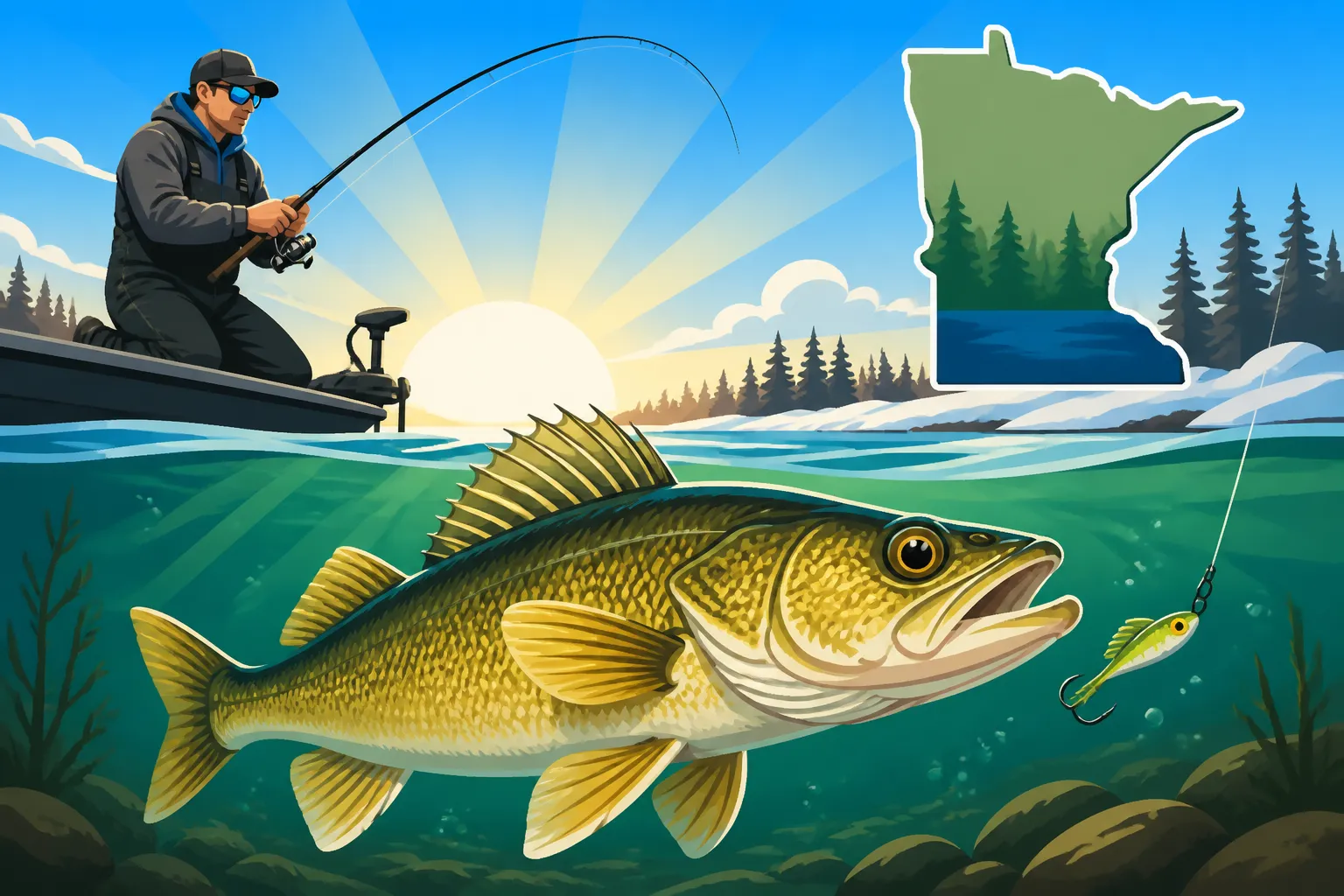
The Minnesota walleye opener is a date circled on calendars across the state, a beacon of hope after a long winter. Yet, the reality of those early spring conditions can be a real challenge. Fish are often lethargic, weather is unpredictable, and finding those elusive walleye can feel like searching for a needle in a haystack. This guide is dedicated to helping you unravel the mysteries of catching walleye when the ice has just retreated, giving you the knowledge and confidence to make your opener a successful and memorable one.
Understanding Early Spring Walleye Behavior
Catching walleye right after ice-out, especially during the much-anticipated opener, isn't just about throwing a line in the water and hoping for the best. It's about understanding what these fish are doing, how they're feeling, and where they're likely to be hanging out in those chilly waters. Their behavior is largely dictated by water temperature and the recent spawning cycle.
Post-Spawn Recovery and Cold Water Metabolism
Think about it: walleye have just gone through the incredibly energy-intensive process of spawning. They've likely been in shallow, rocky areas, expending huge amounts of energy, and by opener, many are in a recovery mode. This means their metabolism is still quite slow, especially with water temperatures typically hovering in the high 30s to low 50s Fahrenheit. A cold-water fish, yes, but even walleye get sluggish when the mercury plunges. They're not chasing down fast-moving prey; they're looking for easy meals.
This post-spawn recovery dictates everything. They're often lethargic, not inclined to move far or strike aggressively. They'll be seeking out warmer pockets of water, even if it's just a degree or two warmer, as this helps with digestion and overall comfort. These warmer areas can be surprisingly small, like a shallow bay heating up in the sun or a dark-bottomed flat absorbing solar radiation. Understanding these subtle shifts is key to unlocking early season success. You're trying to appeal to a fish that's essentially on a post-marathon cooldown, not a sprint.
Locating Walleye in Transition
After the spawn, walleye begin to transition from their shallow spawning grounds to areas where they can recover and find food. This transition isn't always straightforward. Some fish might linger near spawning sites if food is abundant, while others will move to adjacent, slightly deeper breaks or flats. The key is finding these staging areas, which usually offer a combination of cover, food, and access to deeper water should conditions change.
Look for areas like rocky points that drop off into deeper water, the edges of submerged weed lines (even sparse ones), or hard-bottom flats adjacent to deep channels. Current areas, such as river mouths or narrows between lakes, can also be dynamite, as they concentrate baitfish and provide a constant supply of slightly warmer, oxygenated water. In larger lakes, the north-facing bays often warm up faster due to sun exposure, attracting both baitfish and hungry walleye. Understanding Seasonal Fishing Patterns in Minnesota can give you an edge in predicting these movements.
It's not uncommon to find schools of walleye grouped tightly in these transition zones. They're often stacked up on subtle contour changes or along the edges of structure, waiting for an easy meal to swim by. This means you might fish a long stretch of seemingly prime water without a bite, only to hit a small sweet spot and catch several fish in short order. This is where electronics become invaluable, helping you pinpoint those crucial gathering spots.
Essential Gear and Bait for Early Spring Walleye
When tackling early spring walleye, your gear and bait choices can make all the difference. You're not just casting; you're often trying to coax a bite out of a finicky, cold-water fish. Precision, sensitivity, and the right presentation are paramount.
Rods, Reels, and Line Choices
For early season walleye, sensitivity is king. You need to feel those subtle "thunks" or the barely-there weight of a walleye mouthing your bait in cold water. A medium-light to medium power spinning rod, typically in the 6'6" to 7'6" range, with a fast or extra-fast action tip, is ideal. This combination allows for long casts, good hook sets, and the ability to detect faint bites. Check out guides on Best Walleye Rods & Reels for specific recommendations.
Pair your rod with a lightweight spinning reel in the 1000 to 2500 size range, spooled with a sensitive line. Many anglers opt for 8-10 pound braided line (like PowerPro or Sufix 832) for its zero stretch and incredible sensitivity, especially important when fishing in deeper water or windy conditions. To this, they'll often add a 6-8 pound fluorocarbon leader (around 3-6 feet long). Fluorocarbon is nearly invisible underwater and has excellent abrasion resistance, which is crucial around rocky structures. Monofilament in 6-8 pound test can also work, offering a bit more stretch which can be forgiving on light bites, but it lacks the sensitivity of braid.
Top Baits and Lures for Cold Water
When walleye are sluggish, they're rarely chasing down fast-moving baits. This is a time when live bait shines. Minnows, particularly shiners or fatheads, are often the top choice. Hooked through the lips or dorsal fin, they provide natural action that even a lethargic walleye can't resist. On some lakes, local bait shops will have specific minnows that the walleye prefer, so it's always worth asking what's biting. If you're wondering about options, read up on Best Live Bait for Walleye (Leeches, Minnows, Crawlers).
Artificials can be incredibly effective too, but they need to be presented slowly. Small lead head jigs, tipped with a minnow or a soft plastic, are a staple. Colors like chartreuse, orange, white, and natural minnow patterns often work well. Paddle-tail swimbaits or small grub bodies on a jig head, retrieved with a slow, bottom-bouncing action, can also be productive. Shallow-running crankbaits, especially those with a tight wobble, can entice strikes when trolled or cast along warmer shorelines or breaklines. Think brands like Rapala Shad Raps or Berkley Flicker Shads – readily available on platforms like Amazon.
For fishing vertically over structure, consider using jigging raps or glide baits. These lures have a unique darting action on the fall and can be fished aggressively to trigger reaction strikes, or more subtly to mimic a dying baitfish. Experiment with sizes and colors, but often smaller, more subtle presentations are better in cold water.
Electronics and Their Role
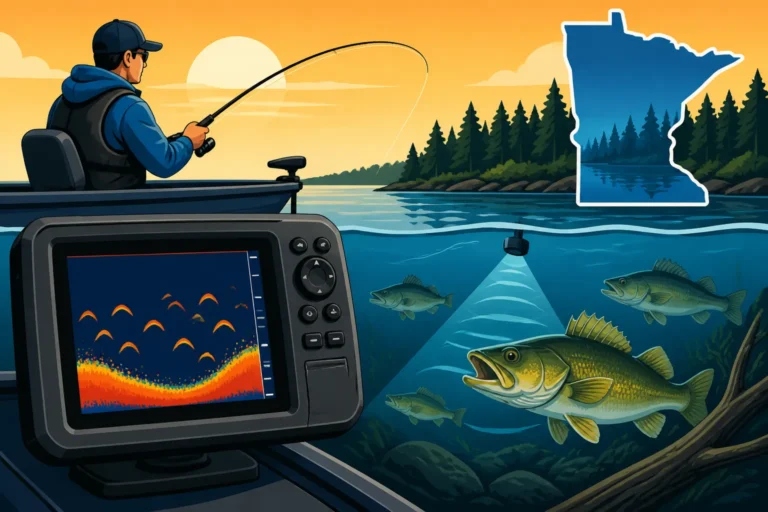
In early spring, you're not just fishing water; you're fishing specific spots. Fish finders and electronics are absolutely critical for locating those subtle contours, hard-bottom transitions, and most importantly, the walleye themselves. A good 2D sonar will show you depth, structure, and arches that indicate fish. Side imaging can help you scan large areas quickly to identify key structural elements and baitfish schools before you even drop a line.
Many anglers rely on a quality flasher (like a Vexilar, Humminbird Ice Helix, or MarCum) even in open water, especially when fishing vertically. The real-time feedback allows you to see your bait, observe fish reacting to it, and adjust your presentation on the fly. This level of interaction is invaluable when trying to trigger strikes from hesitant fish. Pairing your sonar with a detailed lake map, either on your unit or through an app like Navionics, can help you identify prime areas before you even launch your boat. Many of these high-tech gadgets, from fish finders to detailed mapping chips, can be found online through retailers like Amazon.
Proven Techniques for Opener Walleye Success
Once you understand walleye behavior and have your gear ready, it's time to put some proven techniques into practice. Early spring fishing often demands a different approach than summer or fall, emphasizing patience and subtle presentations.
Slow and Steady Jigging
Jigging is arguably the most versatile and effective technique for early spring walleye. The key word here is slow. Forget aggressive snaps and fast retrieves; you want to present your bait in a way that’s irresistible to a sluggish fish. A 1/8 to 1/4 ounce jig is often sufficient, but you might go heavier in deeper water or strong winds. Tipping your jig with a live minnow, or a soft plastic like a curly tail grub or paddle-tail swimbait, adds scent and action. For a deeper dive, check out Jigging for Walleye: Jig & Minnow Basics.
When jigging from a boat, position yourself over key structure – a point, a rock pile, or a breakline – and make short casts. Let your jig hit the bottom, then lift it slowly, maybe 6-12 inches, and let it fall on a semi-slack line. The bite often comes on the fall or when the jig is sitting still on the bottom. Don't be afraid to let it soak for extended periods. Sometimes, the mere presence of the bait for a few seconds is what triggers the strike. If you're seeing fish on your electronics but they aren't committing, try changing your jig color, size, or the type of minnow you're using.
Slip Bobber Fishing
For incredibly precise and subtle presentations, especially when walleye are suspended or holding tight to cover, a slip bobber rig is hard to beat. This technique allows you to present a live minnow at a specific depth for an extended period, right in the strike zone. It's particularly effective in shallow bays that are warming up, along emerging weed lines, or over rock piles.
The setup is simple: a bobber stop, a bead, a slip bobber, another bead, a small split shot or two to balance the bobber, and a plain hook (like a #4 or #6 octopus hook). Hook your minnow through the lips or just behind the dorsal fin, and set your bobber stop to the depth you want to fish. When a walleye takes the bait, the bobber will usually dip, lay flat, or slowly move away. Give the fish a moment to fully take the bait before setting the hook. This technique is fantastic for bank fishing or when anchored over a promising spot. For a step-by-step guide, you might find "How to Set Up a Slip Bobber Rig Step by Step" incredibly helpful, though our own How to Use a Slip Bobber for Walleye & Crappie also covers the basics.
Shallow Water Trolling and Casting
While slower presentations dominate, shallow trolling or casting can be effective, especially on sun-warmed, shallow flats or shorelines later in the day when walleye may move up to feed. Trolling shallow-running crankbaits, like those previously mentioned Rapala Shad Raps or Flicker Shads, can cover a lot of water and help you locate active fish. Keep your speeds very slow, often 1 to 1.5 miles per hour, adjusting based on water temperature and fish activity.
When casting, focus on areas with emerging weeds, rocky transitions, or even docks and other man-made structures that absorb heat. Throw small crankbaits or even jig-and-minnow combinations, working them slowly back to the boat. Early morning and late evening can be prime times for this, as walleye often move into these shallower feeding zones under low light conditions. Even during the middle of the day, a bright sunny spell can warm up a shallow, dark-bottomed bay enough to draw in feeding fish.
Navigating Variable Conditions and Regulations
Early spring fishing in Minnesota is a wild card. The weather can change on a dime, and regulations are always evolving. Being prepared for both is crucial for a successful and legal outing.
Dealing with Weather and Water Fluctuations
One day you might have calm, sunny skies, and the next, a howling north wind brings snow and plummeting temperatures. Early spring weather dramatically impacts walleye behavior. Cold fronts, for instance, can make an already sluggish bite even tougher, pushing fish deeper or making them completely shut down. On these days, focus on deeper breaks or areas with dense cover, and slow down your presentation even further. Conversely, a few days of warm, stable weather can significantly improve the bite as water temperatures slowly climb.
Wind also plays a major role. A steady wind can create current, pushing baitfish and concentrating walleye on the windy side of structures. However, too much wind can make boat control difficult and fishing uncomfortable, especially in smaller boats. Always keep an eye on the forecast, dress in layers (waterproof outerwear is a must!), and prioritize safety on the water. A good quality float suit, like those made by Clam or Striker, can literally be a lifesaver in cold water conditions.
Water clarity is another factor. After ice-out, many lakes can be quite clear. This often means you'll need to use lighter lines, smaller baits, and more natural colors. However, heavy rains or strong winds can muddy up the water, especially in river systems. In stained or dirty water, bolder colors like chartreuse or orange, and baits that create more vibration, can be more effective.
Understanding Local Lake Regulations
Minnesota's fishing regulations are complex and can vary significantly from lake to lake, especially for walleye. The statewide opener typically falls in mid-May, but slot limits, bag limits, and even specific season dates can differ for individual bodies of water. For example, Mille Lacs Walleye Regulations (2026) are often unique and highly publicized due to the lake's ecological importance. Before you even head out, make sure you know the current rules for the specific lake you plan to fish.
Always carry a copy of the current Minnesota fishing regulations, or have the DNR's Fish Lake Finder app handy on your phone. Ignorance of the law is no excuse, and wardens are out there enforcing these rules to protect our valuable fisheries. Pay close attention to the Minnesota Walleye Limit & Size Rules, as these can change annually based on surveys and fish population health. Measuring boards are essential, and knowing whether you need to immediately release fish within a certain slot is critical. Misinterpreting a regulation could lead to fines or loss of fishing privileges, so always double-check!
| Technique | Ideal Water Temp (F) | Best Bait Type | Preferred Conditions | Presentation Speed |
|---|---|---|---|---|
| Jigging (Minnow) | 38-50 | Live Minnow, Soft Plastic | Over rock piles, breaklines, points. Vertical or short casts. | Very Slow |
| Slip Bobber (Minnow) | 40-55 | Live Minnow, Leech | Shallow bays, weed edges, suspended fish. Light wind. | Stationary |
| Shallow Trolling | 45-58 | Small Crankbaits | Sun-warmed flats, shallow points, shorelines. Calm to light chop. | Slow (1-1.5 mph) |
| Casting Jigs/Plastics | 42-55 | Soft Plastics, Minnow | Emerging weeds, rocky shores, structural edges. | Slow to Moderate |
| Jigging Raps/Glide Baits | 38-48 | Artificial | Deeper humps, structure, reaction bites. | Moderate to Aggressive |
Disclaimer
The information provided in this guide is for general informational purposes only and is not intended as legal advice regarding fishing regulations. Fishing regulations in Minnesota are subject to change by the Minnesota Department of Natural Resources (DNR). It is the responsibility of each angler to consult the most current official Minnesota Fishing Regulations handbook or the DNR website before fishing to ensure compliance with all applicable laws and regulations. Always prioritize safety on the water.