Forest Lake Fishing Report & What’s Biting
It can be incredibly frustrating to hit the water on a beautiful day, only to find the fish just aren't cooperating. You’ve got your gear, your determination, but without a solid understanding of what’s actually biting and where, it feels like you're just casting blind. This comprehensive guide is here to shed light on the current fishing conditions, hot spots, and best tactics for fishing on Forest Lake, ensuring your next outing is a success, not a struggle.
Understanding Forest Lake's Unique Fishery
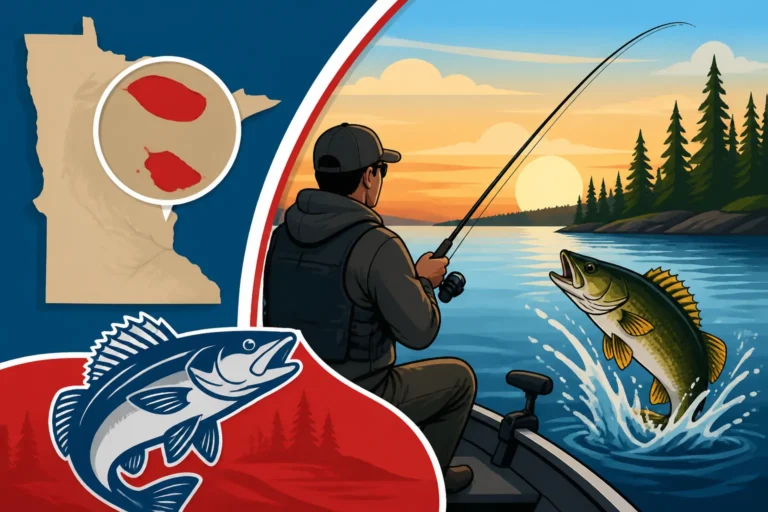
Forest Lake isn't just another body of water; it's a dynamic ecosystem with distinct characteristics that influence how and where you'll find fish. Located northeast of the Twin Cities metro area, it's a popular destination for anglers seeking a diverse range of species. Knowing the lake's layout and its resident fish is the first step to a productive day.
Lake Characteristics and Structure
Forest Lake spans approximately 2,200 acres, making it a sizable lake with plenty of room to explore, even on busy weekends. It’s composed of three main basins—North, Middle, and South—each offering slightly different depths and structural elements. The maximum depth hovers around 37 feet, but a significant portion of the lake is shallower, creating vast areas of productive weed lines, flats, and breaks.
You'll find a mix of bottom compositions, from soft, mucky areas in some bays to harder gravel and rock transitions along points and humps. These varying structures provide ideal habitats for different fish species at various times of the year. For instance, the extensive weed beds, particularly in the shallower bays and along the shores, are prime territory for bass and northern pike, offering both cover and ambush points. Deeper breaks and offshore humps become critical for walleye as the seasons progress and water temperatures rise.
Key Fish Species Present
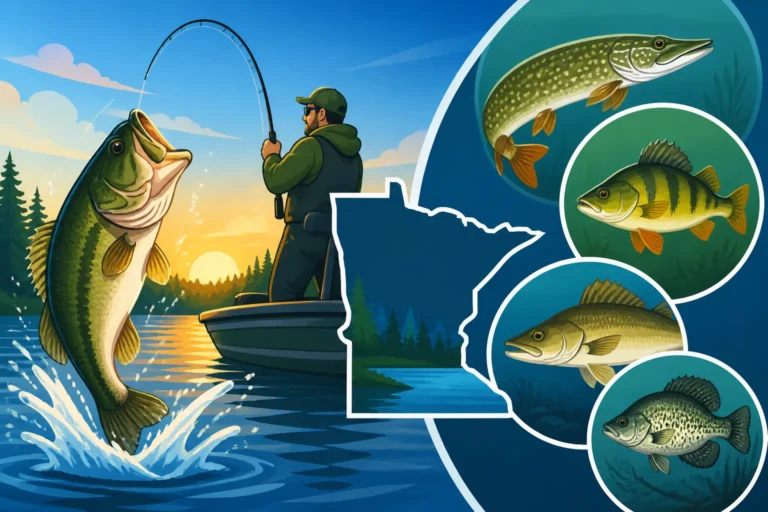
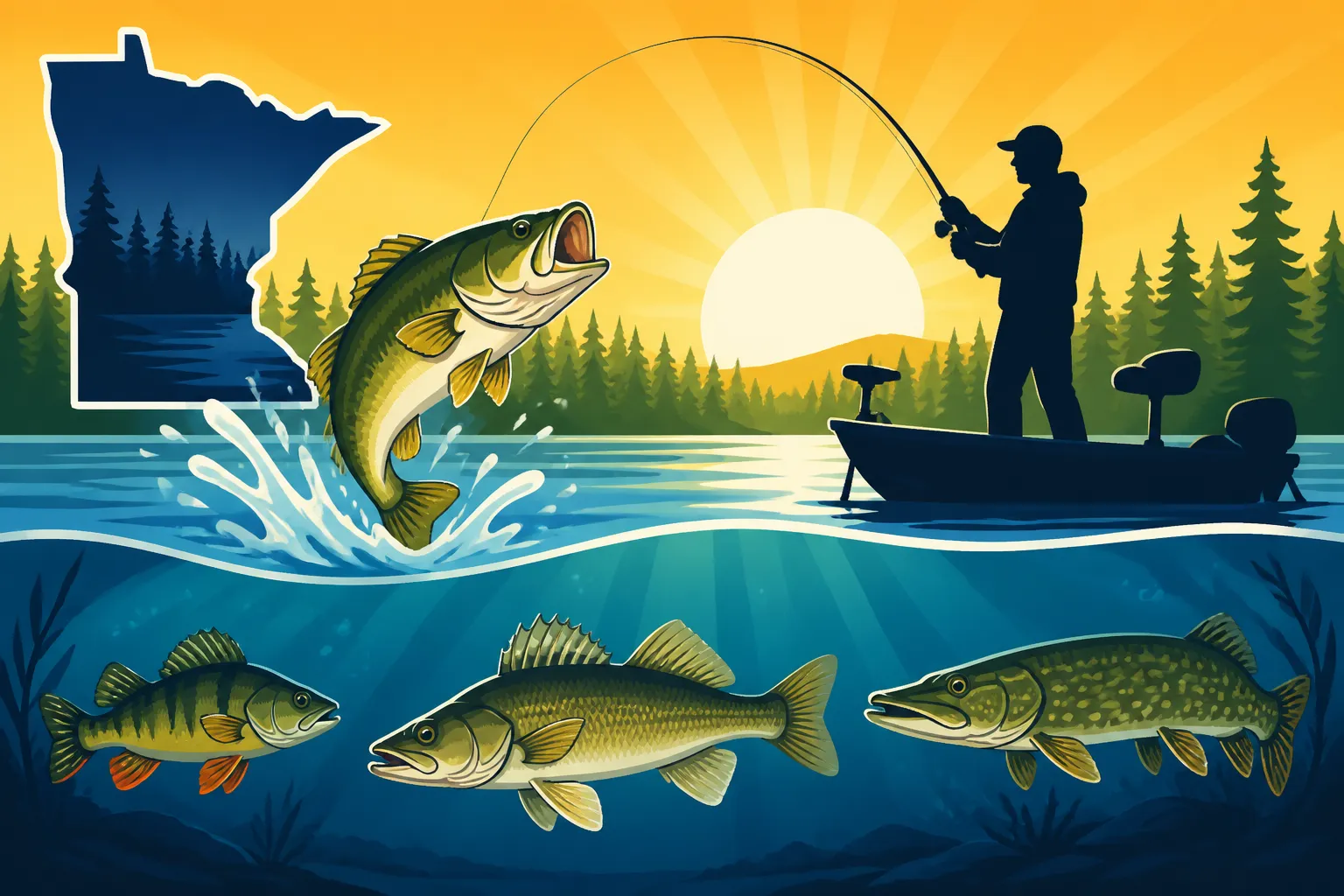
Forest Lake boasts a healthy population of several popular game fish, making it a fantastic multi-species fishery. Whether you're chasing dinner or a trophy, there's likely something for you.
- Walleye: The undisputed king for many Minnesota anglers. Forest Lake has a strong walleye population, with fish commonly in the 14-20 inch range, and occasionally larger ones making an appearance. They tend to be found on main lake structure, breaks, and sometimes even within the weed lines, depending on forage and light conditions.
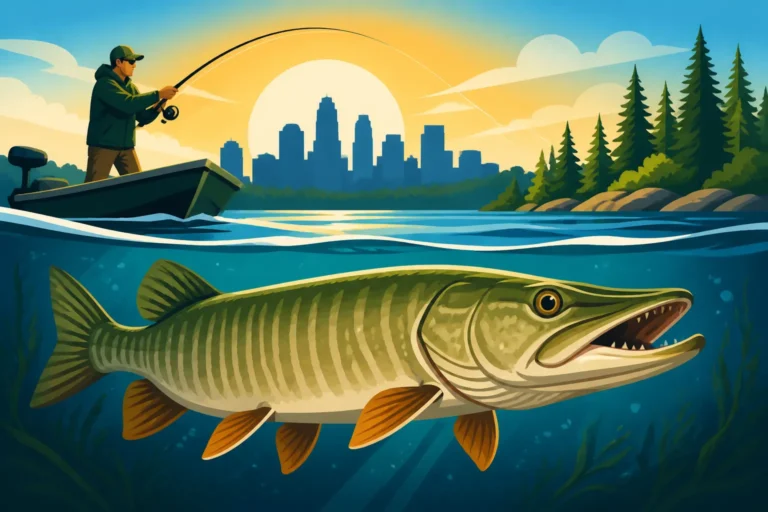
- Northern Pike: Abundant and aggressive, pike are found throughout the lake, particularly around weed edges and submerged cover. While many are "hammer handle" size, Forest Lake does produce some respectable pike in the mid-to-high 30-inch class.
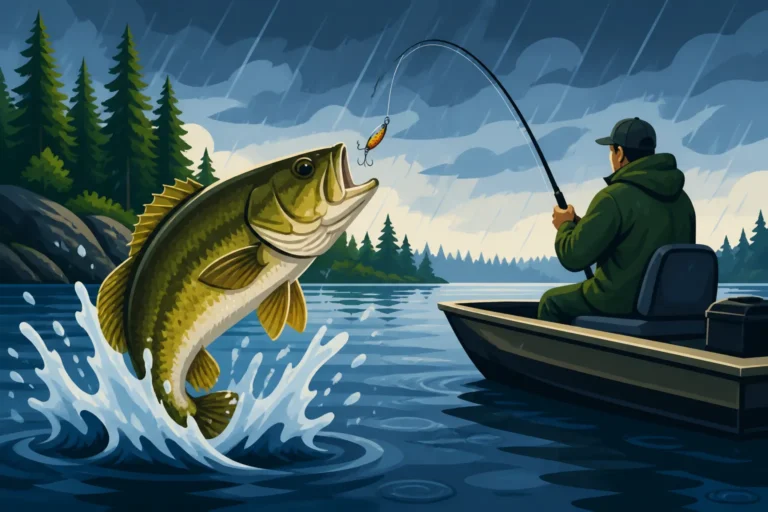
- Largemouth and Smallmouth Bass: Both species thrive here. Largemouth bass are typically found in the thick weed beds, lily pads, and shallow cover. Smallmouth bass, on the other hand, prefer rocky areas, humps, and deeper transitions, especially in the clear water portions of the lake. The opportunity for <Smallmouth & Largemouth Bass in Minnesota> fishing is excellent.
- Panfish (Crappie, Bluegill, Sunfish): Forest Lake is a fantastic panfish lake. Black crappie are very popular, with some real slabs caught, especially during spring and fall. Bluegill and other sunfish species are plentiful, providing steady action for anglers of all ages. These species congregate in weed pockets, near docks, and in shallow bays.
- Yellow Perch: Often overlooked, perch serve as a crucial forage base for the walleye and pike, but they also provide great fishing in their own right, especially for those looking to stock up on tasty fillets. They are often found near weed edges and on soft bottom flats.
Understanding these primary species and their preferred habitats is crucial for maximizing your time on the water.
Current Fishing Report: What's Biting Right Now
As we move into late spring and early summer, Forest Lake fishing is really heating up. The fish are active, recovering from the spawn, and feeding aggressively. Water temperatures are rising steadily, pushing fish into more predictable patterns, though a strong cold front can always throw a curveball.
Walleye Tactics and Hotspots
Right now, walleye are transitioning from their post-spawn recovery in shallower areas to more established feeding grounds. You’ll find them congregating on the edges of the main lake basins, especially around points and the deeper edges of weed lines. <Walleye Fishing Techniques: Complete Minnesota Guide> will give you a great overview.
- Early Morning/Late Evening Bites: These low-light periods are prime for walleye. Focus on the 10-18 foot range.
- Live Bait Rigs: A classic Lindy Rig or a <How to Use a Slip Bobber for Walleye & Crappie> setup with a lively jumbo leech or a fathead minnow fished along the bottom transition areas is often deadly. Drift or slowly troll these over contours.
- Jigging: For more active fish, a 1/8 to 1/4 ounce jig tipped with a minnow or a soft plastic, worked along breaklines, can entice a bite. Try pitching jigs to the edges of emerging weed growth.
- Hotspots: Look for the main lake points that extend into deeper water, especially in the South and Middle Basins. The weed edges along the eastern shore of the North Basin are also starting to hold fish. If you're struggling to find fish on your own, consider hiring a local guide through a platform like FishingBooker; they know the current bite better than anyone.
Panfish Pointers (Crappie & Sunfish)
The panfish bite on Forest Lake is usually consistent and strong, especially at this time of year. <Crappie & Panfish Fishing Techniques> are relatively straightforward here, making them perfect for families or beginners.
- Crappie: Look for crappie suspended around emergent weed beds in 8-15 feet of water, particularly in the protected bays. They'll also be found near deeper docks and any submerged brush piles. Small jigs, like a 1/32 or 1/16 ounce jig tipped with a small plastic tail or a crappie minnow under a slip bobber, are irresistible. The <Spring Crappie Fishing in Minnesota> is absolutely fantastic in Forest Lake's numerous shallow bays as they move in to spawn and then linger to feed.
- Bluegill/Sunfish: These are often found in shallower water, typically 4-10 feet deep, right in the thick of weed beds, around fallen trees, and near private docks. Worms, waxworms, or small pieces of Gulp! Earthworms on tiny jigs or hooks under a bobber will get their attention. The bays in the South Basin are generally productive for sunfish.
Bass and Pike Action
Forest Lake offers thrilling action for both largemouth and smallmouth bass, as well as plenty of northern pike. The warming water temperatures mean these fish are active and aggressive.
- Largemouth Bass: The weed lines are your best friend for largemouth. Cast into pockets, along the edges, and over sparse weed growth. Topwater lures are starting to shine in the early mornings and evenings, especially on calmer days. Spinnerbaits, chatterbaits, and Texas-rigged worms or creature baits are also excellent choices for working through and around the vegetation. Concentrate on the shallower, weedier bays, particularly in the North and South Basins.
- Smallmouth Bass: If you prefer smallmouth, focus on the harder bottom transitions, rocky points, and deeper humps, especially where there's some current or wave action. Drop shots with small soft plastics, tube jigs, and jerkbaits are highly effective. The main lake points in the Middle Basin offer good smallmouth opportunities.
- Northern Pike: Pike are opportunistic predators and are found almost everywhere, but they truly thrive on the weed edges and adjacent deeper breaks. Casting large spoons, spinnerbaits, or shallow-running crankbaits parallel to the weed lines will often provoke a strike. Don't be afraid to try some topwater lures for pike in the mornings. Remember to use a wire leader to prevent bite-offs! For more detailed tactics, check out <Northern Pike Fishing Tips for Minnesota Anglers>.
Seasonal Fishing Strategies for Forest Lake
Forest Lake truly is a year-round fishery, but successful angling depends heavily on adapting your approach to the <Seasonal Fishing Patterns in Minnesota>. Fish behavior changes dramatically with water temperature and available forage.
Spring into Action
Spring fishing on Forest Lake begins with ice-out, usually in late March or early April. This is a time of transition, with fish moving shallow to spawn and feed aggressively in the warming water.
- Walleye Opener: The walleye opener, typically in mid-May, sees fish congregating on shallower rocky points and hard-bottom areas near spawning grounds. Jigging with live minnows or shiners, or slow-trolling crankbaits, are effective. Focus on depths of 6-12 feet.
- Panfish Spawning: Crappie and sunfish move into very shallow, protected bays and weed beds as water temperatures reach the high 50s and low 60s. Small jigs and bobber rigs are perfect for targeting these fish in 3-8 feet of water.
- Bass and Pike: Pike are active from ice-out, cruising shallow weed lines. Largemouth bass follow, often found in shallow, dark-bottomed bays warming up quickly. Spinnerbaits and jerkbaits work well.
Summer's Deep Dive
Once summer fully sets in, usually by late June, Forest Lake experiences warmer water temperatures, pushing many fish deeper, especially during the day.
- Walleye: During mid-summer, walleye will relate to deeper breaks, humps, and sometimes even suspended over deeper water chasing schools of cisco or perch. Trolling crankbaits like Rapala Shad Raps or Berkley Flicker Shads, using bottom bouncers with crawler harnesses, or slip bobber fishing with leeches over structure are all productive. Prime depths often range from 18-30 feet, depending on the time of day and light conditions.
- Bass: Largemouth bass will burrow into the thickest cover available, including dense weed mats and lily pads. Frog baits and heavy jigs are key. Smallmouth bass will be on main lake points and rock piles in 15-25 feet. Drop-shot rigs and Carolina rigs are effective.
- Panfish: Crappie will often suspend over deeper basins or relate to deep weed edges. Bluegills will still be found in dense weed beds, but often in slightly deeper pockets or around submerged brush. Fishing with a local guide through FishingBooker can really help pinpoint these elusive summer panfish schools.
Fall Frenzy and Winter Wonders
Fall brings a "feeding frenzy" as fish bulk up for winter, and winter means ice fishing!
- Fall: As water temperatures drop in September and October, fish become incredibly active. Walleye move to main lake points and humps in 15-25 feet, often feeding heavily. Trolling large crankbaits or casting jigs and plastics can be fantastic. <Fall Walleye Fishing: Turnover & Cold Water> is a prime time on Forest Lake. Pike and bass also become very aggressive, chasing baitfish in shallower weed lines before moving deeper.
- Winter (Ice Fishing): Forest Lake is a popular ice fishing destination. Walleye are targeted on main lake humps and breaks, often with jigging spoons or set lines (tip-ups) with shiners. Crappie and sunfish are found in deeper basins or specific weed pockets, often requiring sensitive rods and small tungsten jigs tipped with plastics or waxworms. <Ice Fishing in Minnesota: Complete Beginner-to-Pro Guide> can help you get started.
Essential Gear and Tips for Forest Lake
Having the right equipment and knowing some local tips can significantly improve your fishing success on Forest Lake.
Recommended Tackle and Baits
For multi-species angling on Forest Lake, a versatile tackle box is key.
- Rods & Reels:
- Walleye/Bass: Medium-light to medium power spinning rods (6'6" to 7') with fast action tips are ideal for jigging and slip bobber fishing. Pair with 2500-3000 series spinning reels spooled with 6-8 lb monofilament or fluorocarbon, or 10-15 lb braided line with a fluorocarbon leader. For casting heavier baits for bass or pike, a medium-heavy baitcasting setup might be preferred.
- Panfish: Ultra-light spinning rods (5' to 6') with small 500-1000 series reels and 2-4 lb test line are perfect for feeling those subtle bites.
- Lures & Baits:
- Walleye: Jigs (1/8-1/4 oz) in chartreuse, white, or orange; shallow to medium diving crankbaits (e.g., Rapala Shad Rap, Berkley Flicker Shad); bottom bouncers with <Best Live Bait for Walleye (Leeches, Minnows, Crawlers)> or shiners.
- Bass: Spinnerbaits, chatterbaits, plastic worms (Texas-rigged), jigs, topwater frogs/poppers, jerkbaits.
- Pike: Spoons (Daredevl, Little Cleo), large spinnerbaits, bucktails, crankbaits, large soft plastic swimbaits.
- Panfish: Small plastic grubs (1-2 inch), waxworms, crappie minnows, small spoons, small soft plastic insect imitations.
Navigating the Lake Safely
Forest Lake is a busy lake, especially on weekends and holidays. Safety and courtesy are paramount.
- Boating Traffic: Be aware of other boaters, especially pleasure boaters and jet skis during summer. Maintain safe distances and speeds.
- Weed Growth: Extensive weed beds can be a navigational challenge. Know your boat's limits and consider using a shallow-water anchor or a strong trolling motor like a Minn Kota Terrova to navigate tight spots. Remember to comply with <Aquatic Invasive Species (AIS) Rules for Boaters> and clean your boat thoroughly after each use.
- Lake Maps: Invest in a good lake map (physical or electronic via apps like Navionics or LakeMaster). These show depth contours, public accesses, and potential hazards, helping you identify prime fishing spots and navigate safely. Many FishingBooker guides will have advanced electronics to help you pinpoint fish.
- Regulations: Always carry your valid Minnesota fishing license and be familiar with <Minnesota Fishing Limits: Bag & Possession (2026)> and slot limits for Forest Lake. This includes understanding the <How Many Lines Can You Fish in Minnesota?> rules. The Minnesota DNR website is your best friend for up-to-date regulations.
Knowing what's biting, where they're hiding, and how to catch them on Forest Lake makes all the difference. Get out there, be safe, and tight lines!
Forest Lake Seasonal Fishing Overview
To help you quickly grasp the best times and methods for targeting specific species, here's a handy overview of Forest Lake's seasonal patterns.
| Species | Spring (Ice Out – Mid-June) | Summer (Mid-June – Early Sept.) | Fall (Early Sept. – Ice Up) | Winter (Ice Fishing) |
|---|---|---|---|---|
| Walleye | Shallow breaks, rocky points (6-12 ft). Jigging, slip bobbers with minnows/leeches. | Deeper breaks, humps (18-30 ft). Trolling crankbaits, bottom bouncers with crawlers/leeches. | Main lake points, deep breaks (15-25 ft). Trolling crankbaits, jigging. | Humps, deep breaks (15-30 ft). Jigging spoons, tip-ups with shiners. |
| Northern Pike | Shallow weed edges (4-10 ft). Spinnerbaits, spoons, jerkbaits. | Weed lines, adjacent breaks (8-20 ft). Spinnerbaits, large spoons, soft plastics. | Weed edges, baitfish schools (6-15 ft). Large spoons, crankbaits, bucktails. | Weed lines, drop-offs (8-20 ft). Tip-ups with large shiners, deadbait. |
| Largemouth Bass | Shallow bays, emerging weeds (3-8 ft). Spinnerbaits, shallow crankbaits, jigs. | Dense weed mats, lily pads (5-15 ft). Frogs, heavy jigs, Texas-rigged plastics. | Weed edges, isolated cover (5-12 ft). Spinnerbaits, crankbaits, jigs. | N/A |
| Smallmouth Bass | Rocky points, hard bottom (8-15 ft). Jerkbaits, tubes, small swimbaits. | Deep points, rock piles (15-25 ft). Drop-shots, Carolina rigs, deep crankbaits. | Rocky areas, transitions (10-20 ft). Tubes, jerkbaits, spoons. | N/A |
| Crappie | Shallow bays, docks, brush (5-12 ft). Small jigs, crappie minnows under bobbers. | Suspend over basins, deep weed edges (12-25 ft). Small jigs, plastics, live bait. | Deeper bays, structure (10-20 ft). Small jigs, minnows, plastics. | Deep basins, main lake structure (15-30 ft). Small jigs, plastics, waxworms. |
| Bluegill/Sunfish | Shallow weed beds, docks (3-8 ft). Waxworms, small jigs, pieces of worm under bobbers. | Dense weed beds, submerged brush (5-15 ft). Small jigs, live bait, micro plastics. | Weed beds, structure (5-12 ft). Waxworms, small jigs. | Weed edges, soft bottom (8-20 ft). Tiny jigs, waxworms, plastics. |
Disclaimer
Fishing conditions can change rapidly due to weather, water temperature, and fishing pressure. Always consult the official Minnesota Department of Natural Resources (DNR) regulations for the most current rules and advisories before heading out. This guide provides general information and recommendations based on typical patterns and angler experiences.