Do You Need to Release Big Walleye in Minnesota?
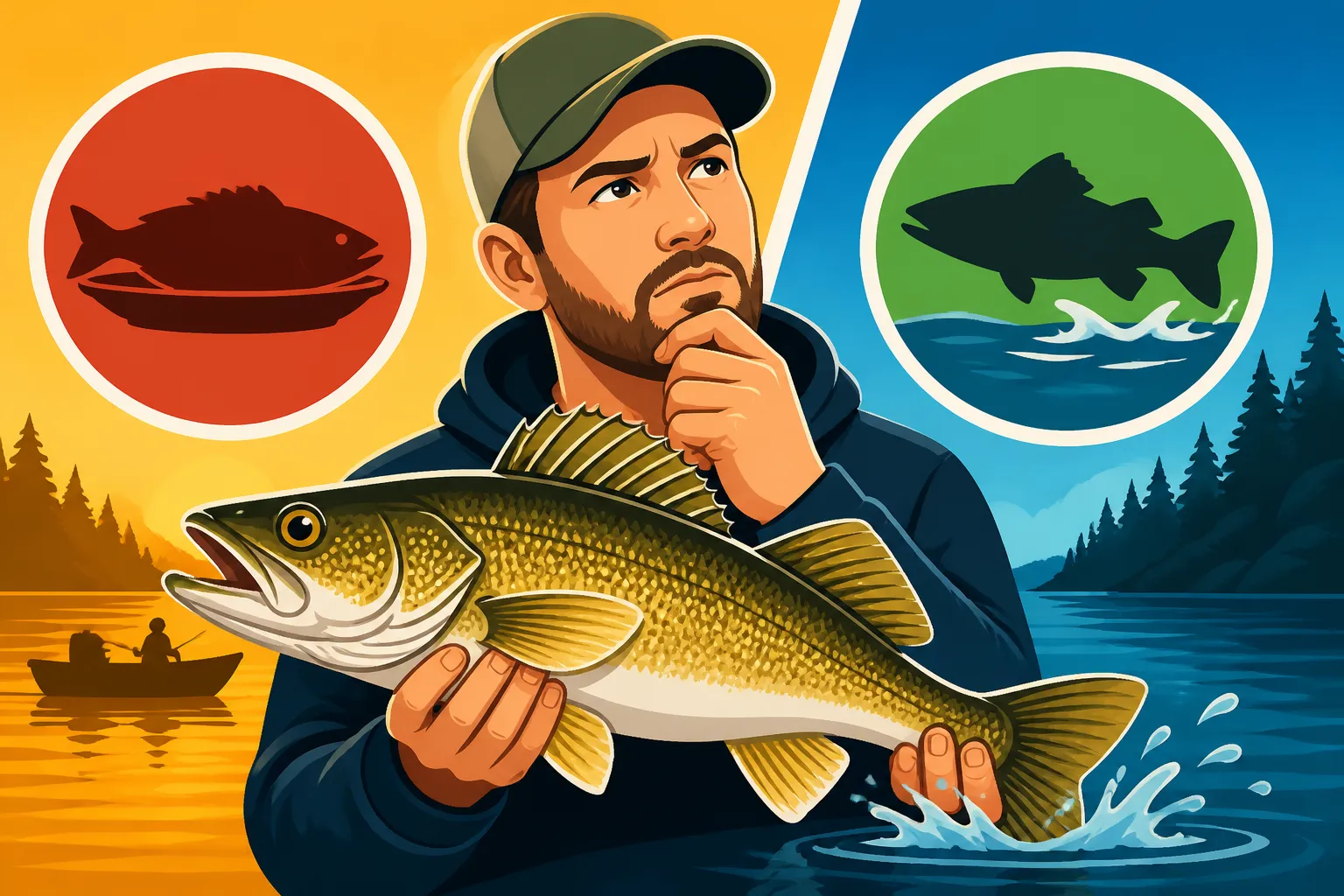
That moment when a truly massive walleye surfaces next to your boat or comes up through the ice hole—it’s pure magic. You’ve put in the time, the effort, and maybe even braved some challenging weather. Now, you’re faced with a big decision: do you keep this magnificent creature, perhaps for a trophy mount or a celebratory meal, or do you gently release it back into the water? This isn't just a personal choice; it's often dictated by Minnesota's nuanced fishing regulations and influenced by a growing understanding of conservation. This guide will walk you through the various factors involved, helping you make an informed and responsible decision.
Understanding Minnesota's Walleye Regulations and Slot Limits
Navigating Minnesota's fishing regulations can sometimes feel like trying to decipher a secret code, especially when it comes to specific fish species like walleye. The truth is, these rules are constantly evolving, and they're designed to maintain the health and abundance of our cherished fisheries. It's not about making things complicated; it's about protecting the future of fishing for all of us.
General Statewide Walleye Limits
First things first, let's talk about the standard. Most of the time, when you’re fishing for walleye in Minnesota, you'll encounter a general statewide daily limit and possession limit. The daily limit refers to the number of fish you can legally keep in a 24-hour period, and the possession limit is the maximum number of fish you can have on your person, in your cooler, or at your cabin at any given time. Currently, the statewide daily and possession limit for walleye is six.
Now, this number isn't just pulled out of a hat. It's carefully set by the Minnesota Department of Natural Resources (DNR) based on population assessments, spawning success, and overall lake health. While it provides a good baseline, it’s crucial to remember that this is a general rule. Many lakes, especially our larger and more popular walleye destinations, have specific regulations that supersede these statewide limits. You can find more detailed information on specific limits in our guide on Walleye Season & Limit in Minnesota.
The Importance of Slot Limits
This is where things get really interesting, and it’s often where the question of "do I need to release this big walleye?" truly comes into play. Many of Minnesota’s premier walleye lakes operate under what are known as "slot limits" or "protected slots." These aren't just arbitrary rules; they are powerful tools designed to manage fish populations more effectively than a simple daily limit.
A slot limit typically specifies a range of sizes within which you cannot keep a fish. For example, a common slot might be "no walleye between 17 and 26 inches may be kept." What this means for you, the angler, is that if you catch a walleye that falls within that 17-26 inch window, you must release it, regardless of how many fish you've already kept that day. On the flip side, you might be allowed to keep fish outside that slot (under 17 inches, or sometimes one fish over 26 inches). The reasoning behind this is usually twofold: to protect the prime spawning-age fish (which often fall within that middle size range) and to encourage the growth of younger fish into the protected slot, while also allowing anglers to keep some smaller "eating" fish. Our article on Minnesota Slot Limits: Which Lakes & Why dives deeper into this topic.
Specific Lake Regulations for Walleye
Minnesota is the Land of 10,000 Lakes, and it sometimes feels like each major lake has its own special set of walleye rules. This isn't an exaggeration, and it's why checking the specific regulations for the body of water you're fishing is non-negotiable. Lake Superior, for instance, has entirely different rules from inland lakes.
Take, for example, a powerhouse fishery like Mille Lacs Lake. Its walleye regulations have been subject to significant changes over the years, often dictating a catch-and-release-only season, or very specific slots and limits that are determined annually based on population health and tribal allocations. You might find a scenario where you can only keep one walleye, and it has to be within a very narrow size band, with all larger fish requiring immediate release. Check out our detailed guide on Mille Lacs Walleye Regulations (2026) for current details. Similarly, Upper Red Lake often has a very generous limit, but with a strict slot protecting the larger fish, allowing anglers to keep fish under a certain size, plus one over a larger trophy size. This aims to distribute the harvest while preserving the brood stock. For specifics on this northern gem, you can refer to our Upper Red Lake Walleye Limit & Slot article. These examples highlight why a quick glance at the current Minnesota fishing regulations booklet or the DNR website before you head out is paramount. Never assume statewide rules apply to every lake, especially if you're targeting trophy fish.
The Conservation Aspect of Releasing Big Walleye
Beyond the letter of the law, there's a strong ethical and conservation-minded approach to releasing those truly large walleye. Many seasoned anglers, myself included, have come to appreciate the long-term benefits of letting those giants swim away, even when regulations might allow keeping them. It’s about being a steward of our natural resources, not just a harvester.
The Role of Large Walleye in the Ecosystem
Those big walleye, especially the females, are absolutely vital to the health of a fishery. They aren't just large fish; they are the prime breeders, the matriarchs of the lake, if you will. A large female walleye can lay hundreds of thousands of eggs, far more than a smaller, younger fish. These older, larger fish have survived multiple seasons, navigated various environmental challenges, and have proven genetics that enable them to thrive. Releasing them ensures that they can continue to contribute to the next generation of walleye in the lake.
Think about it: removing a large, prolific spawning female from the population can have a disproportionately negative impact compared to removing several smaller fish. They also play a crucial role as apex predators, helping to maintain balance within the lake's food chain. Their presence signals a healthy, robust ecosystem. It’s an investment in the future of the fishery, ensuring that our kids and grandkids will have the same opportunities to experience that thrill of a lifetime catch. For more on the life cycle, check out Walleye Spawning: When and Where.
Minimizing Stress and Maximizing Survival
If you're making the conscious choice to release a big walleye, it's not enough to just unhook it and toss it back. Proper catch-and-release techniques are essential to ensure that the fish actually survives and thrives after its encounter with you. Every moment out of water, every rough touch, every prolonged struggle, diminishes its chances.
Here's how to give that trophy walleye the best shot at survival:
- Minimize Fight Time: Use appropriate tackle that can bring the fish in relatively quickly without exhausting it completely. A long, drawn-out fight, especially in warm water, can be deadly.
- Handle With Care: Avoid touching the fish's gills or eyes. Support its body horizontally, especially if it's a large fish. Never hold a big walleye vertically by its mouth, as this can severely damage its jaw and internal organs.
- Keep it Wet: The less time a fish spends out of the water, the better. Have your camera ready if you want a photo, and make it quick. A rubberized landing net (like those from Frabill or Beckman) is a game-changer; it's gentler on their slime coat and fins than traditional knotted nylon nets.
- Quick Hook Removal: Use needle-nose pliers or a dehooking tool to remove hooks quickly and efficiently. If a hook is deeply embedded and you can't remove it without causing significant damage, it's often better to cut the line as close to the hook as possible. Stainless steel hooks will eventually rust out.
- Revive, Don't Just Release: If the fish seems lethargic, hold it gently in the water, facing into the current (if applicable), or move it slowly back and forth to force water over its gills. Wait until it can swim away strongly on its own. For more comprehensive tips, our guide on Catch and Release Best Practices in Minnesota is a must-read.
Trophy vs. Table Fare: Making the Choice
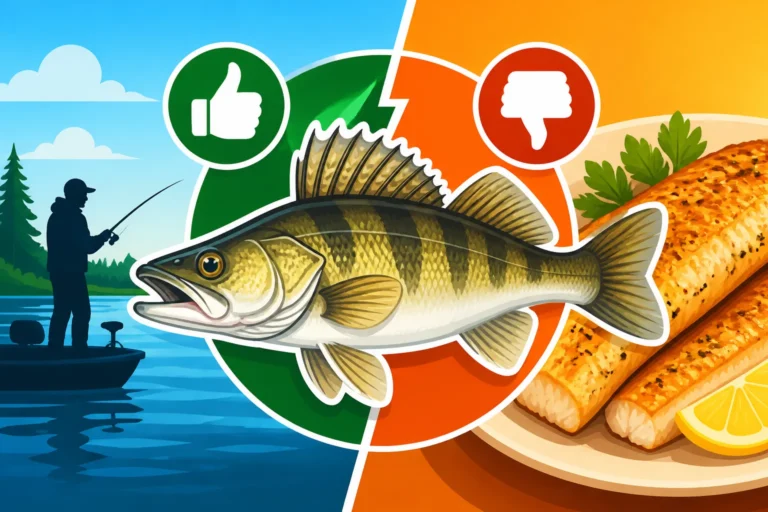
This is often where personal preference and fishing philosophy diverge. Many anglers agree that while a large walleye is an incredible accomplishment, it's often the smaller to mid-sized fish that make the best table fare. Walleye in the 15 to 18-inch range are often referred to as "eaters" because their flesh is firm, flaky, and exceptionally delicious. Larger, older walleye can sometimes have a coarser texture, and their meat may accumulate higher levels of contaminants like mercury, making them less ideal for consumption, as noted in general fish consumption advisories.
So, when you land that magnificent 25-inch or even 30-inch walleye, consider the trade-off. Do you want the best possible meal, or do you want to ensure that majestic fish continues its vital role in the ecosystem? For many, the answer becomes clear: keep a few of those delicious "eaters" for dinner, and let the giant swim free, securing its legacy for future generations. If you're pondering what fish are best for your next meal, you might want to read Are Walleye Good to Eat? Minnesota's Favorite Fish or even check out the Best Eating Fish in Minnesota Lakes for a broader perspective.
Practical Considerations and Personal Choice
Beyond the rules and conservation ethics, there are practical aspects to consider when you encounter a trophy walleye. How do you respect the fish, document your catch, and still feel that sense of accomplishment without taking a life?
Measuring and Documenting Your Catch
It’s crucial to accurately measure your walleye, especially if you're fishing a lake with strict slot limits. An honest mistake can lead to a significant fine. Have a reliable measuring board or tape measure readily accessible. When measuring, lay the fish flat, with its mouth closed and against a solid stop, and pinch its tail to get the maximum length. Do this quickly.
For photos, remember to keep the fish wet and support its weight properly. Get your camera ready before you even bring the fish in. A quick snapshot or two is usually sufficient. There’s no need for an elaborate photoshoot that keeps the fish out of water for an extended period. Holding it horizontally over the water, or even partially submerged, makes for a great picture while being far gentler on the fish. Many anglers these days have switched to using GoPros or phone cameras in waterproof cases to get underwater release footage, which is a fantastic way to document the catch and release without stressing the fish.
The Art of the Replica Mount
For those who dream of a trophy on the wall but also want to be responsible anglers, replica mounts are an absolute game-changer. Modern taxidermy techniques allow artists to create incredibly lifelike replicas of your fish based on a few key measurements (length and girth) and a good photograph or two. You get to have that stunning reminder of your catch hanging proudly, and the actual fish, the genetic powerhouse, swims on to spawn another day.
This approach offers the best of both worlds: personal glory and environmental stewardship. When you release a trophy fish, knowing it's still out there growing and contributing, there’s a different kind of satisfaction. It elevates the experience from simply harvesting to actively participating in conservation. Many reputable taxidermists, like those at Advanced Taxidermy or local Minnesota shops, specialize in these fish replicas.
Understanding the DNR's Approach
The Minnesota DNR plays a critical role in managing our fisheries, and their regulations, including those on walleye, are constantly monitored and adjusted. They rely on angler reports, scientific surveys, and extensive research to make decisions that balance recreational opportunities with ecological health. When you abide by regulations, you're not just avoiding a ticket; you're actively participating in the management process.
The DNR's goal is sustainable fishing. They want to ensure healthy fish populations for generations to come, and that means sometimes imposing stricter limits or slot requirements on certain lakes. They often publish their reasoning and data in annual fishing regulation booklets and on their website. Understanding that these rules are based on science and conservation, rather than just bureaucracy, can help us all be better anglers. If you're ever in doubt about the most current rules, the official Minnesota Fishing Regulations PDF: Where to Find It is your go-to resource. Remember, knowing How Many Walleye Can You Keep in Minnesota? is a dynamic question, constantly updated by the DNR for the health of our lakes.
Ultimately, the decision of whether to release a big walleye often comes down to a combination of legal requirements, ethical considerations, and personal values. By understanding the regulations, appreciating the ecological role of large fish, and employing best catch-and-release practices, you can ensure that your memorable catches contribute to the thriving future of Minnesota fishing.
Here's a quick reference for common walleye regulations on a few key Minnesota lakes. Always double-check the current Minnesota DNR regulations before heading out, as these can change annually.
| Lake Name | Typical Walleye Daily Limit | Typical Protected Slot (Inches) | Special Notes |
|---|---|---|---|
| Mille Lacs Lake | Varies (often 0-1) | Highly Variable | Frequently modified, may be catch-and-release or specific narrow slot. |
| Upper Red Lake | 4 | 17-27" (one over 27" allowed) | Generous limit, but with a strict protected slot. |
| Lake of the Woods | 6 | 19.5-28" (one over 28" allowed) | Combines protected slot with a chance for a trophy. |
| Leech Lake | 4 | 20-26" (one over 26" allowed) | Designed to protect larger spawning females. |
| Lake Winnibigoshish | 4 | 17-26" (one over 26" allowed) | Focus on maintaining a healthy fishery. |
| Statewide General Rule | 6 | Often None | No slot limit, but individual lake regulations override. |
Disclaimer
Please remember that fishing regulations are subject to change. Always consult the most current Minnesota Department of Natural Resources (DNR) fishing regulations booklet or their official website before you head out on the water. This guide is for informational purposes only and should not be considered legal advice.