Cass Lake Fishing Regulations (2026)
Few things are as frustrating as planning a fishing trip, getting out on the water, and then realizing you're unsure about the local rules for the fish you're catching. Cass Lake, with its sprawling waters and diverse fishery, is a jewel in Minnesota's crown, but its regulations can sometimes be a little different from the statewide general rules. This comprehensive guide will walk you through the specific fishing regulations for Cass Lake, helping you understand the nuances and ensuring your angling adventure is both successful and fully compliant.
Navigating the Specifics of Cass Lake Fishing Regulations in 2026
Cass Lake isn't just another big body of water in Minnesota; it's a significant part of the Cass Lake chain, renowned for its incredible walleye, muskie, and panfish populations. Because of its unique characteristics and the intensive management efforts by the Minnesota Department of Natural Resources (DNR), the fishing regulations here often carry special provisions that differ from the statewide averages.
Why Lake-Specific Regulations Matter for Cass Lake
Think of Cass Lake as a special ecosystem that needs tailored care. The DNR sets specific regulations not to complicate your life, but to ensure the long-term health and sustainability of its fish populations, especially popular species like walleye. These rules might address issues like stunted panfish, protect trophy walleye, or manage pike populations in a way that balances predator and prey fish. For instance, if crappie populations are showing signs of stunting due to overpopulation, the DNR might implement a lower daily bag limit or a different size restriction on Cass Lake compared to a lake where crappie are less abundant. This kind of adaptive management means that what applies to Lake Winnibigoshish might not apply here, and vice-versa. Understanding these unique demands helps us appreciate why our beloved Cass Lake has its own set of rules.
Where to Find the Official 2026 Cass Lake Regulations
My best advice for any angler, regardless of experience level, is to always go straight to the source. The official Minnesota DNR website is your absolute best friend for the most current and accurate information. You can usually find a dedicated section for "Fishing Regulations" where you can search by lake or by specific species. They also publish an annual "Minnesota Fishing Regulations" booklet. While this guide provides a thorough overview of Cass Lake’s regulations, things can occasionally shift, so having that official resource handy, even a digital copy on your phone, is crucial. It’s always smart to double-check these details right before your trip, because sometimes, last-minute adjustments are made based on population surveys or environmental factors.
Key Fish Species and Their Regulations on Cass Lake
Cass Lake is a diverse fishery, offering opportunities for many different species. However, some species are more heavily managed than others due to their popularity or ecological role. Let's dive into the specifics for the most sought-after fish.
Walleye: Minnesota's Crown Jewel on Cass Lake
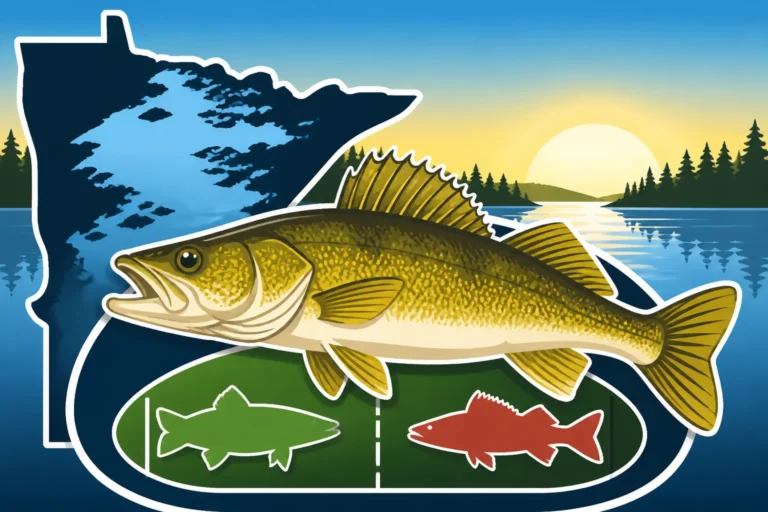
Walleye are undoubtedly the star attraction on Cass Lake. Anglers travel from far and wide for a chance to catch these golden beauties. Because of this high demand, walleye populations are carefully monitored, and their regulations can be quite specific.
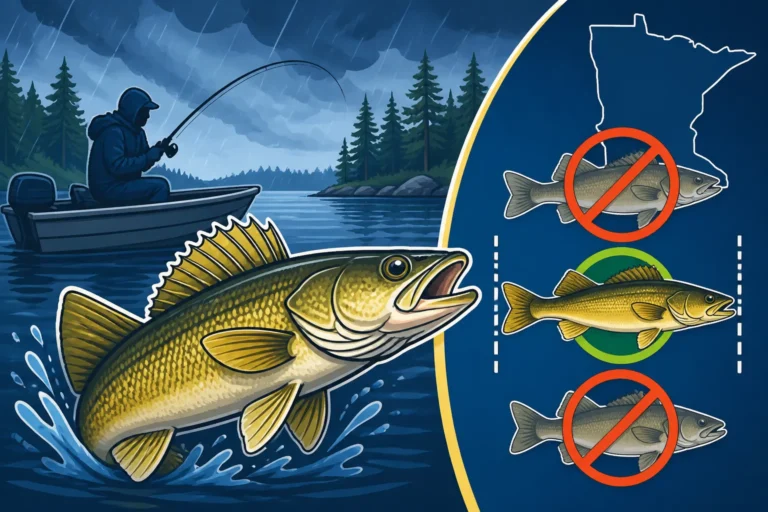
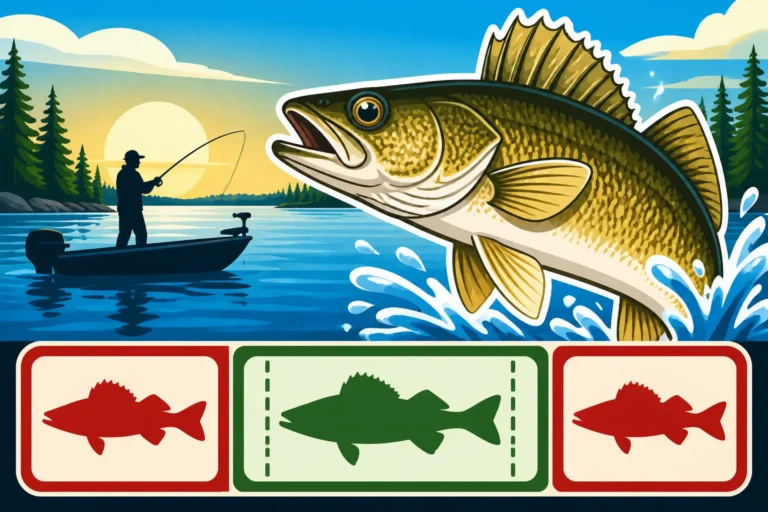
For 2026, Cass Lake walleye regulations fall under what's often referred to as a "special regulation" lake. Generally, for Cass Lake and the connected waters of the chain, the daily bag limit for walleye is four. However, there's often a protected slot limit in place. This means that walleye within a certain size range, say between 17 and 26 inches, must be immediately released. You might only be allowed to keep one walleye over that 26-inch mark if that's part of the current year's rule. This slot limit is designed to protect the breeding stock and allow those fish to grow to trophy sizes, contributing more to future generations of walleye. Remember, a "daily bag limit" means the number of fish you can keep in a 24-hour period, while a "possession limit" is typically twice the daily bag, referring to the total number of fish you can have in your possession, including those at home. Always check the official Minnesota Walleye Limit & Size Rules for the precise numbers for Cass Lake, as these can be critical details.
Northern Pike: Understanding the Zone System on Cass Lake
Northern pike management in Minnesota uses a zone system to address the varying pike populations across the state. Cass Lake falls within the North-Central Zone for Northern Pike. This zone has specific regulations designed to promote a healthier size structure, preventing over-abundance of smaller, "hammer-handle" pike.
In the North-Central Zone, the daily bag limit for Northern Pike is usually ten fish, but with a crucial caveat: no more than two pike can be 26 inches or longer. Additionally, all pike from 22 to 26 inches must be immediately released. This is a big departure from the statewide general regulations you might encounter in other zones. This strategy helps thin out the smaller pike, reducing competition for food and allowing more pike to grow into larger, more desirable sizes. When you're fishing for Northern Pike in Minnesota: Identification & Where to Catch on Cass Lake, make sure you have a tape measure handy to ensure compliance.
Panfish (Crappie & Sunfish) and Their Unique Rules
While walleye and pike get a lot of attention, Cass Lake is also a fantastic destination for panfish, including black crappie and various sunfish species like bluegill and pumpkinseed. These fish are often abundant, and if not managed properly, can become stunted, meaning there are many small fish and very few large ones.
For Cass Lake and its interconnected waters, the DNR often implements reduced bag limits for panfish to combat stunting and promote larger fish. For 2026, expect a reduced daily bag limit compared to the general statewide regulations. For instance, while the general statewide limit for crappie might be 10, on Cass Lake, it could be as low as 5, and for sunfish, it might be 5 or 10, instead of the general 20. These lower limits encourage anglers to keep fewer, but perhaps larger, fish, which helps improve the overall size structure of the panfish population. Keeping up with the specific Minnesota Crappie & Sunfish Limits for Cass Lake is essential for a legal and responsible panfishing trip.
Bass and Muskie: Opportunities and Regulations
Cass Lake also offers excellent opportunities for bass and muskie anglers. While these species might not always have specific lake regulations on Cass Lake, it's still vital to be aware of the general statewide rules that apply.
For Largemouth Bass and Smallmouth Bass, Minnesota generally has a daily bag limit of six, with no more than one fish over 20 inches. Catch-and-release is very popular for bass, especially on a lake like Cass which produces some fantastic fighters. The bass season typically runs from late May through early March, but always confirm the exact Minnesota Bass Season (New 2026 Catch-and-Release) dates.
Muskellunge (Muskie) are the true giants of Cass Lake. Catching one is often considered the "fish of 10,000 casts." Due to their slow growth rate and trophy status, muskie regulations are designed to protect these magnificent fish. The statewide muskie regulation usually allows for one fish per day, and it must be at least 54 inches long. This size limit is significant and ensures that only truly mature, large muskie are harvested. Most muskie anglers practice catch and release, which is highly encouraged to maintain this world-class fishery. For more detailed information on seasons and limits, refer to the Muskie Season & Limit in Minnesota guidelines.
General Minnesota Fishing Regulations That Still Apply to Cass Lake
Even with all the specific rules for Cass Lake, it's easy to forget that the foundational statewide regulations still form the backbone of responsible angling. These aren't just suggestions; they're legal requirements that apply to all Minnesota waters, including Cass Lake.
Essential Statewide Rules for Anglers
First and foremost, you absolutely need a valid Minnesota fishing license. There are different types available, from annual resident licenses to short-term non-resident options. You can easily find out more about Minnesota Fishing License: Cost, Types & How to Buy (2026) or How to Get a Minnesota Fishing License Online. Don't be caught without one; the fines far outweigh the cost of the license itself.
Another crucial rule concerns the number of lines you can use. In Minnesota, the general rule is that you can use no more than two lines at a time, whether you're fishing from a boat or from shore. This rule changes for ice fishing, where you're typically allowed two lines, but always confirm the current regulations, especially if you're exploring Minnesota Ice Fishing & Shelter Rules. Understanding How Many Lines Can You Fish in Minnesota? is fundamental.
Furthermore, we all have a responsibility to prevent the spread of Aquatic Invasive Species (AIS). Before you leave Cass Lake, make sure you drain all water from your boat, livewell, and bait bucket, and remove any weeds or debris from your boat, trailer, and fishing gear. The DNR has strict Aquatic Invasive Species (AIS) Rules for Boaters to protect our precious waters, and compliance is mandatory.
Understanding Possession Limits Beyond the Daily Bag
This is where some anglers can get confused. The "daily bag limit" is the number of fish you can harvest within a single calendar day. The "possession limit" refers to the total number of fish of a particular species that you can have in your possession at any given time, regardless of when they were caught. For most species in Minnesota, the possession limit is twice the daily bag limit.
For example, if the daily bag limit for walleye on Cass Lake is four, your possession limit would be eight. This means if you've been on a multi-day trip and have four walleye from yesterday and catch four more today, you're at your possession limit. You cannot keep any more fish until you've consumed some of what you've already kept. This is a critical distinction covered in detail in the Minnesota Fishing Limits: Bag & Possession (2026) guidelines, and it's enforced to prevent excessive harvest, especially on popular lakes like Cass.
Here’s a quick overview of key regulations for some of Cass Lake’s most popular species in 2026, but remember, always consult the official DNR guide for the definitive rules.
| Species | Daily Bag Limit (Cass Lake) | Protected Slot (Cass Lake) | Possession Limit (Cass Lake) | Notes |
|---|---|---|---|---|
| Walleye | 4 | 17-26 inches must be released | 8 | Only one over 26" allowed in possession (verify current year). |
| Northern Pike | 10 | 22-26 inches must be released | 20 | No more than two over 26" allowed in possession. (North-Central Zone) |
| Crappie | 5 (likely reduced) | None specified | 10 | Often a reduced limit to manage population structure. |
| Sunfish (Bluegill) | 5 or 10 (likely reduced) | None specified | 10 or 20 | Often a reduced limit to manage population structure. |
| Largemouth Bass | 6 | No more than one over 20" | 12 | Statewide general rules apply unless specified. |
| Smallmouth Bass | 6 | No more than one over 20" | 12 | Statewide general rules apply unless specified. |
| Muskie | 1 | Must be 54 inches or longer | 1 | Most anglers practice catch and release for these trophy fish. |
Note: This table summarizes common regulations for Cass Lake. Always refer to the official Minnesota DNR Fishing Regulations for 2026 for the most current and exact details.
Tips for Staying Compliant and Enjoying Your Cass Lake Trip
Compliance with fishing regulations isn't just about avoiding fines; it's about being a responsible steward of our natural resources. Following the rules helps ensure that Cass Lake remains a fantastic fishery for generations to come.
Pre-Trip Planning and On-the-Water Best Practices
The single best piece of advice I can give you is to do your homework before you even pack your bags. A few minutes spent reviewing the specific Cass Lake Fishing Regulations (2026) on the DNR website can save you a lot of grief. Consider printing out the relevant pages or saving a PDF to your phone so you have it accessible even if you lose signal on the lake. Many anglers find the "Fishing Regulations" app, often provided by the DNR or third-party developers, incredibly useful for quick lookups on the water.
When you're actually out fishing, keep a measuring device handy. A simple bump board or even a tape measure on the boat deck can prevent mistakes. If you're targeting walleye or pike in a slot-limit lake like Cass, immediately measuring your catch upon landing is a great habit. If a fish falls into the protected slot, quickly and gently release it. Speaking of release, knowing your Catch and Release Best Practices in Minnesota is crucial for ensuring that those protected fish, and any fish you choose to release, have the best chance of survival. Wetting your hands before handling fish, using pliers to remove hooks quickly, and minimizing their time out of the water are all vital techniques.
Common Mistakes to Avoid
One of the most common mistakes anglers make is assuming that the regulations are the same everywhere. Just because you fished Lake of the Woods last week doesn't mean those rules apply to Cass Lake today. Each lake can have its own quirks. Another frequent error is misidentifying fish. Walleye and sauger, for instance, can look similar at a glance, and if you mistakenly keep a sauger when you thought it was a walleye, you could be in violation if their limits differ. Always take a moment to confirm the species.
Finally, never forget your Minnesota Fishing License for Seniors or anyone else in your party who needs one. A simple oversight like leaving your license at home, even if you paid for it, can lead to a citation. Make it part of your routine to check for licenses, life jackets, and the current regulations every time you head out onto Cass Lake's beautiful waters.
Disclaimer
Please remember that fishing regulations can change. While I strive to provide the most accurate and up-to-date information for Cass Lake fishing regulations in 2026, it is ultimately the angler's responsibility to verify all current rules and regulations with the official Minnesota Department of Natural Resources (DNR) before fishing. This guide is for informational purposes only and should not be considered a substitute for the official DNR regulations.