Where to Catch Bowfin in Minnesota
If you've ever spent time fishing the warmer, weedy backwaters of Minnesota, you might have hooked into something that fought like a freight train, pulled hard, and looked a bit like a pike but… not quite. Chances are, you tangled with a bowfin, often affectionately (or sometimes begrudgingly) called a "dogfish." These prehistoric powerhouses are a fascinating part of Minnesota's aquatic landscape, and while they might not be everyone's primary target, they offer an incredible fight and are worth seeking out if you're looking for a truly unique angling experience. This guide will help you understand where these often-misunderstood fish lurk in our beautiful state.
Unraveling the Mystery of the Bowfin
The bowfin (scientifically known as Amia calva) is a true survivor, a living fossil that has changed little over millions of years. For many anglers, encountering one can be a mix of surprise and confusion, often mistaken for a northern pike or even a snakehead by the uninitiated. But once you get to know them, you'll appreciate their unique place in our waters.
A Glimpse into Prehistoric Angling
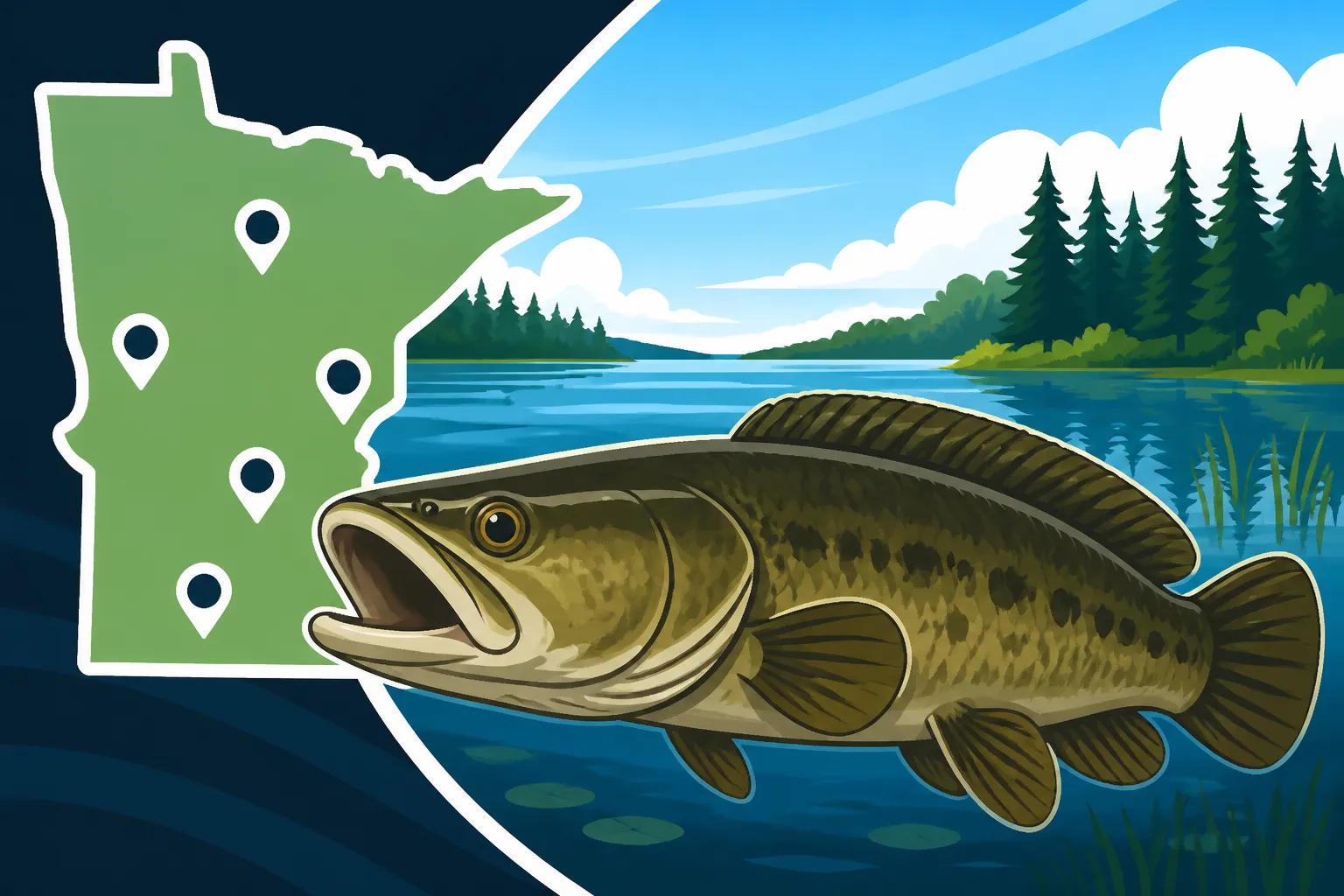
Bowfin are truly one-of-a-kind. Their long, cylindrical body, a distinct gular plate under their jaw (a bony plate that helps distinguish them from other fish), and their long, undulating dorsal fin that runs almost the entire length of their back are tell-tale signs. On the upper part of their tail, males often sport a prominent black spot with an orange or yellow halo, sometimes called an "ocellus" or "eyespot." This is particularly vibrant during spawning season. They possess incredibly strong jaws filled with sharp, conical teeth, which is a major reason why they can make quick work of softer baits and even damage lesser fishing lines.
Unlike many other fish, bowfin have a unique swim bladder that functions much like a lung, allowing them to gulp air directly from the surface. This remarkable adaptation means they can thrive in oxygen-depleted waters that would be fatal to most other fish. So, if you're fishing a shallow, stagnant slough on a hot summer day and other fish are lethargic, a bowfin might be one of the most active predators around. Understanding these characteristics is the first step in appreciating and successfully targeting these ancient fighters. For a broader overview of various species, check out our guide on the Minnesota Fish Species: Identification Guide.
Why Target These Resilient Fighters?
Let's be honest, bowfin don't always get the respect they deserve. Many anglers consider them a "rough fish" or a nuisance, particularly if they're targeting walleye or bass. This perception often stems from their aggressive nature and their ability to decimate a live bait rig intended for other species. However, if you set aside preconceptions, you'll discover an unbelievably strong, tenacious fighter. When you hook into a bowfin, be prepared for a battle! They make powerful runs, head shakes, and often jump and thrash violently, sometimes even trying to bite hands if not handled carefully.
For those who enjoy a hard-fighting fish, especially during times when more popular game fish are less active, bowfin offer an exciting challenge. They are aggressive eaters, making them a fun target with both live bait and artificials. They’re also readily available in many parts of the state, often in waters less pressured by other anglers. Plus, there's something genuinely cool about catching a fish whose ancestors swam with dinosaurs. While some people do eat bowfin, they're not widely considered a table fish, and many anglers practice catch-and-release. If you're curious about edibility, you might read our piece on Are Bowfin Good to Eat?.
Where Bowfin Call Home in Minnesota
Bowfin are highly adaptable fish, but they definitely have their favorite types of neighborhoods. Forget the deep, clear, cold waters; these fish are sun-lovers who thrive in warmer, often murkier environments.
Preferred Aquatic Real Estate
When you're looking for bowfin, think shallow, warm, and weedy. They absolutely love dense aquatic vegetation – lily pads, cattails, submerged hydrilla, coontail, you name it. This thick cover provides them with excellent ambush points for their prey, which includes smaller fish, frogs, crayfish, and insects. They'll often lurk right on the edge of these weed lines or in pockets within them, waiting for an unsuspecting meal to swim by.
You'll typically find them in areas with soft, muddy bottoms. These conditions often mean lower oxygen levels in the water, which, as we discussed, isn't a problem for the bowfin due to its unique respiratory system. Look for slow-moving backwaters of rivers, stagnant sloughs, marshy lake fringes, and shallow bays with significant emergent and submergent plant growth. They're particularly prevalent in systems with extensive floodplains. If you're thinking of doing some Shore & Bank Fishing in Minnesota (No Boat), these are often prime spots for bowfin, as you can access many of their preferred shallow habitats.
Minnesota's Bowfin Hotspots
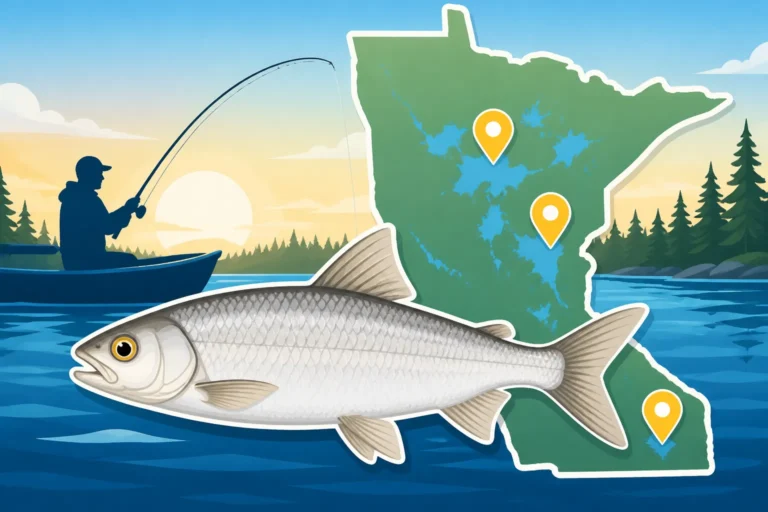
While bowfin can be found statewide in suitable habitats, they are particularly common in the central and southern parts of Minnesota, especially within the vast river systems and larger lake chains that offer extensive shallow, vegetated areas.
Here are some general areas and specific lakes where bowfin are known to thrive:
- Mississippi River Backwaters: This is arguably the top bowfin destination in Minnesota. From the metro area down to the southeastern part of the state, the innumerable backwater channels, sloughs, and oxbow lakes connected to the Mississippi River are absolutely loaded with bowfin. The slow currents, abundant vegetation, and warmer waters are ideal. Specifically, look at areas near Lake City, Red Wing, and further south along the river. Our guide on Mississippi River Fishing: Mississippi, Minnesota & St. Croix delves deeper into these fantastic river opportunities.
- Twin Cities Metro Area Lakes: Surprisingly, many lakes right within the Minneapolis-St. Paul metro area hold good numbers of bowfin. Think of the shallower, weedier bays of Lake Minnetonka, Lake Waconia, Lake Phalen, or even smaller, overlooked ponds and urban lakes with good vegetation. These lakes often offer easy public access.
- Central Minnesota Lakes: Lakes within the Brainerd Lakes Area and surrounding regions, while famous for walleye and pike, also have plenty of bowfin in their shallow, reedy bays and marshy inlets. Lakes like Gull Lake (in its shallower sections), Whitefish Chain, or even smaller, lesser-known bodies of water can hold robust populations.
- Shallow Southern Lakes: Many of the larger, shallower lakes in southern Minnesota with extensive weed growth are also excellent bowfin waters. These often have warm water and plenty of cover.
To give you a better idea of their distribution, here's a quick table of areas where bowfin are commonly found:
| Water Body Type | Common Locations/Characteristics | Habitat Description | Access Opportunities |
|---|---|---|---|
| Mississippi River | Backwaters, oxbows, sloughs from metro south | Shallow, slow-moving, heavy vegetation, muddy bottom | Numerous public landings, shore access |
| Metro Area Lakes | Weedy bays, shallow inlets (e.g., Minnetonka, Waconia) | Warm, dense aquatic plants, often urban-accessible | Public boat launches, city parks |
| Central MN Lakes | Shallow, reedy sections (e.g., Gull Lake, Whitefish Chain) | Moderate vegetation, connected to larger lake systems | Resorts, public landings, some shore |
| Southern MN Lakes/Ponds | Smaller, shallow, highly vegetated lakes and ponds | Warm, often turbid, abundant submerged plants | Varies greatly, often local access |
Remember, a Minnesota Fishing License: Cost, Types & How to Buy (2026) is required to fish for any species in these waters, so make sure you're properly licensed before you head out.
Gear and Tactics for Battling Bowfin
Fishing for bowfin isn't rocket science, but it does require some specific considerations for your gear and a bit of a strategic approach to get them to bite and, more importantly, to land them. These fish are powerful and not to be underestimated.
Choosing the Right Arsenal
When you're tackling bowfin, you'll want to beef up your usual walleye or bass setup a bit. Their aggressive nature and sharp teeth demand robust tackle.
- Rods and Reels: A medium-heavy to heavy power spinning or baitcasting rod, around 6'6" to 7'6" in length, is ideal. Pair this with a sturdy reel that has a smooth drag system. Something that can handle a 15-20 lb test line is a good starting point. Brands like Ugly Stik or Penn offer durable, affordable options that can withstand the abuse a bowfin dishes out. You can find excellent deals on robust rods and reels suitable for bowfin on Amazon.
- Fishing Line: This is crucial. Their sharp teeth can make quick work of monofilament. Braided line (20-40 lb test) is highly recommended due to its strength and abrasion resistance. A fluorocarbon leader (20-30 lb) can add a bit of stealth and extra abrasion resistance right at the business end, but honestly, with their aggressive nature, many anglers go straight braid.
- Hooks: Opt for strong, sharp hooks. Wide-gap worm hooks (3/0 to 5/0) or stout jig hooks work well, especially if you're using live bait or soft plastics. Make sure they can stand up to a strong bite and fight.
- Tools: Don't forget your pliers or a hook remover. A long-nosed set of pliers is essential for safely extracting hooks from their toothy mouths. A jaw spreader can also be incredibly useful, especially for larger fish, to keep their powerful jaws open and protect your fingers.
If you're looking to put together a solid setup, check out our guide on Best Fishing Gear for Beginners in Minnesota (By Budget) for some versatile options that can also double for bowfin.
Baiting Your Beast
Bowfin are opportunistic predators, meaning they're not too picky when they're hungry. This works to your advantage!
- Live Bait: This is often the most effective choice.
- Sucker Minnows: Large sucker minnows (4-6 inches) fished under a bobber or on a weighted rig are deadly.
- Cut Bait: Chunks of oily fish like cisco, shad, or even smaller panfish can be irresistible. The scent trail they leave is a major attractant.
- Frogs: Live frogs, if legal to use as bait in your area, are a natural prey item and can elicit explosive strikes.
- Worms/Crawlers: While not always the top choice, a large gob of nightcrawlers can sometimes entice a bite, especially if other fish are present.
- Artificial Lures:
- Spinnerbaits: Bladed baits like a Johnson Silver Minnow or a standard spinnerbait with a large blade (like a chartreuse or white skirt) can be very effective when retrieved through heavy cover. They displace a lot of water and attract attention.
- Topwater Frogs/Ploppers: Fishing a hollow-bodied frog or a Whopper Plopper over thick lily pads or slop can lead to heart-stopping blow-ups from aggressive bowfin. This is arguably one of the most exciting ways to catch them.
- Large Soft Plastics: Texas-rigged large worms, creature baits, or even swimbaits can be fished weedless through their dense habitats.
- Jigs with soft plastics: A heavy jig tipped with a large grub or minnow imitation can also work when jigged through pockets in the weeds.
Don't be afraid to experiment! Bowfin are often very responsive to anything that mimics their natural prey. You can often find a wide variety of these lures and baits on Amazon. For comparison, many of the baits and techniques used for Northern Pike, such as those discussed in How to Catch Northern Pike in Minnesota (Step by Step), can also be adapted for bowfin.
Locating and Engaging the Fighter
Once you've geared up and selected your bait, it's time to find these toothy critters.
- Target Heavy Cover: As mentioned, dense vegetation is key. Cast your lures or bait right into, or along the edges of, lily pads, reeds, submerged weed beds, and fallen timber. These are their ambush zones.
- Look for Signs: Keep an eye out for any surface activity. Bowfin often "roll" or "sip" air at the surface, especially in stagnant water. A sudden splash in a calm backwater could also indicate a bowfin on the prowl.
- Slow Down: While they are aggressive, sometimes a slower, more deliberate retrieve, or allowing your live bait to soak, can be more effective than a fast retrieve. Let your bait sit in a promising area for a bit.
- Set the Hook Hard: When a bowfin strikes, they hit with conviction. Don't be shy; set the hook with a strong, sweeping motion. Their bony mouths can make it tough to get a good hookset if you're tentative. And once you've hooked one, be ready for a brawl! They will pull hard and use their broad, powerful tails to fight all the way to the boat or bank.
Don't forget to check the specific Bowfin Season & Limit in Minnesota to ensure you're fishing legally, though bowfin regulations are generally quite liberal due to their abundance.
Respecting the Resource: Catching and Releasing Bowfin
While bowfin aren't a popular target for the frying pan, they are a valuable part of Minnesota's diverse fisheries. Practicing responsible catch-and-release ensures these unique, strong fighters continue to thrive for future generations of anglers.
Safe Handling is Key
Because of their impressive set of teeth and powerful jaws, handling a bowfin requires a bit of caution to protect both yourself and the fish.
- Use the Right Tools: Always have long-nosed pliers or a hook remover readily accessible. A jaw spreader can be a lifesaver, allowing you to safely remove hooks without risking your fingers. Avoid trying to stick your fingers into their mouth.
- Secure the Fish: When you land a bowfin, if possible, grip them firmly behind the head with one hand (being careful to avoid their gills or eyes) and support their belly with the other. This gives you control. Some anglers prefer to use a fish gripper on their lower jaw.
- Quick Release: Work quickly and efficiently to remove the hook. Minimize their time out of the water. If the fish is deeply hooked, it's often best to cut the line as close to the hook as possible rather than tearing up their gills or esophagus trying to retrieve it.
- Revive If Necessary: If the fight was prolonged, hold the fish gently in the water, facing into any current, until it regains its strength and can swim away on its own.
The Fight for Conservation
Even though bowfin are not considered a "glamour species" like walleye or muskies, they play a vital role in the ecosystem. They are formidable predators that help keep other fish populations in check. They are also native to Minnesota waters, a resilient species that has survived for millennia. Releasing them allows them to continue their ecological role and provides another angler with the thrill of battling such a powerful fish.
Consider these ancient warriors for the challenge and excitement they bring. They represent a connection to a primeval past and a testament to nature's enduring power. They might just surprise you with how much fun they are to catch, and in doing so, you'll gain a deeper appreciation for all the What Fish Are in Minnesota Lakes? (Common Species) that call our waters home.
Disclaimer
Please note that fishing regulations, seasons, and limits can change. Always consult the latest Minnesota Department of Natural Resources (DNR) fishing regulations booklet or their official website before heading out on the water. This guide is for informational purposes only and should not be used as a substitute for official DNR regulations.