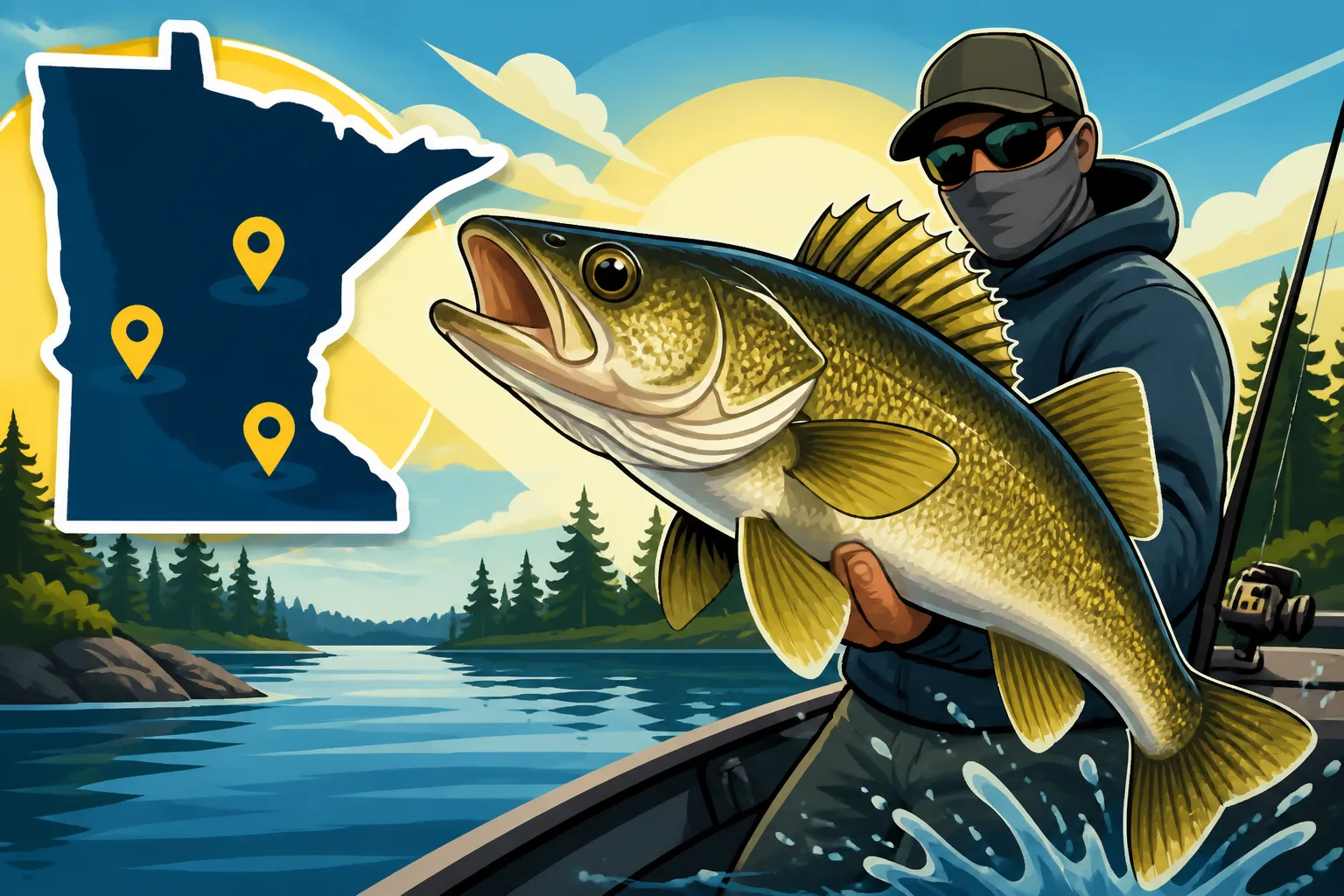
Where to Catch Trophy Walleye in Minnesota
We all dream of that one fish – the kind that makes your drag scream, your heart pound, and leaves you with a story to tell for years. For many anglers in Minnesota, that fish is a true trophy walleye, a golden behemoth that represents the pinnacle of freshwater fishing. But finding these elusive giants isn't easy; they're in specific places, require specific tactics, and are protected by unique regulations. This guide will walk you through where to find Minnesota's biggest walleyes, what makes them tick, and how to increase your chances of landing that fish of a lifetime.
Understanding What Makes a Walleye "Trophy" in Minnesota
Before we dive into locations and techniques, it's helpful to define what we mean by "trophy" walleye. It's more than just a big fish; it's a testament to the lake's health and the angler's skill.
Defining a Trophy Walleye Size and Weight
In Minnesota, a "trophy" walleye typically refers to a fish that is significantly larger than the average catch. While a 20-inch walleye is a fine eating fish, most anglers consider a trophy to be 28 inches or longer, often pushing well past the 8-pound mark. Some truly exceptional specimens can reach 30 inches or more, often weighing 10 to 15 pounds or even heavier! The Minnesota Department of Natural Resources (DNR) recognizes trophy fish through its Master Angler program, which sets minimum lengths for various species. For walleye, the current Master Angler length for catch-and-release is 28 inches, and for harvested fish, it's 15 pounds. Achieving either of these benchmarks is a truly remarkable feat and one that puts you in an elite club of anglers.
Imagine battling a fish that long – it's not just a statistic; it's a deep-bodied, broad-shouldered predator with a massive tail that can pull line with incredible power. These fish have seen a lot, eaten a lot, and survived many encounters, making their capture even more satisfying. Their sheer size often means they're older, more cunning, and require a different approach than the average eater-sized walleye.
Factors Contributing to Trophy Walleye Growth
What makes certain lakes consistently produce these colossal walleye? It's a complex interplay of environmental factors, genetics, and management strategies.
Firstly, an abundant and high-quality forage base is paramount. Trophy walleye need a consistent supply of large, protein-rich prey fish like tullibees (ciscoes), perch, and various minnows to reach their maximum size. Lakes with rich cold-water forage that grow large quickly will in turn grow large walleye. Secondly, water quality and habitat play a crucial role. Deep, cool, well-oxygenated water with diverse structure (rock reefs, humps, weed lines, mud flats) provides ideal conditions for walleye to thrive and find ample ambush points. Genetics also matter; some walleye strains simply have the potential to grow larger than others. The famously aggressive and fast-growing walleye in Lake of the Woods, for instance, are known for their impressive size potential.
Finally, effective fisheries management, including restrictive slot limits and possession limits, is vital. These regulations protect medium-sized fish, allowing them to grow into the trophy class, and often encourage catch and release of the largest individuals to maintain healthy spawning populations. Without these protective measures, even the best lakes can become overfished for their largest specimens. If you're planning a trip, always check the current Walleye Season & Limit in Minnesota to ensure you're fishing legally and sustainably.
Top Minnesota Lakes Renowned for Trophy Walleye
Minnesota is the Land of 10,000 Lakes, but a select few truly stand out for their ability to produce giant walleyes. These are the destinations where anglers consistently hook into the fish of their dreams.
Lake of the Woods: The Walleye Factory
When you talk about trophy walleye in Minnesota, Lake of the Woods almost always comes up first. Straddling the US-Canada border, this massive body of water is often called "The Walleye Capital of the World" for good reason. Its immense size, diverse habitat, and incredible forage base – particularly its robust tullibee population – allow walleye to grow to astonishing sizes. Whether you're fishing the expansive main lake, the intricate channels around the Northwest Angle, or the feeder rivers, the potential for a true monster is always there.
Many anglers target the deep mud flats and rock reefs throughout the warmer months. Trolling crankbaits or using bottom bouncers with spinner rigs are popular and effective methods for covering water and finding active fish. In winter, the lake transforms into an ice fishing mecca, with sleeper houses dotted across the vast expanse. Jigging Rapalas, spoons, and deadsticking with shiner minnows are go-to tactics for those brave enough to tackle the extreme cold for a shot at a giant. For a comprehensive guide to fishing this incredible body of water, check out our Lake of the Woods Fishing Guide.
Upper Red Lake: A Northern Gem
Upper Red Lake has made a remarkable comeback in recent decades, solidifying its reputation as a premier trophy walleye fishery. Once a struggling lake, careful management and robust stocking efforts have transformed it into a productive and popular destination. What makes Upper Red so special for trophy walleye is its relatively shallow, bowl-like structure combined with an incredibly rich forage base, primarily shiner minnows and perch. Walleye grow fast here, and seeing fish in the 25 to 28-inch range is common, with 30-inchers caught regularly.
Most of the trophy walleye action on Upper Red Lake happens during the ice fishing season. Anglers set up permanent or portable shelters along the vast, shallow mud flats, often in 10-14 feet of water. Deadsticking large shiner minnows under a bobber is perhaps the most iconic and effective method, especially for those larger, more wary fish. While less known for open water trophies, summer offers fantastic opportunities with live bait rigs and shallow crankbait presentations along subtle breaks. Our Upper & Lower Red Lake Fishing Guide dives deeper into the specific strategies for this northern powerhouse.
Leech Lake: Structure and Size
Leech Lake, Minnesota's third-largest lake, is another legendary fishery known for its diverse structure and the trophy walleye it harbors. From vast expanses of deep water to shallow weed beds, rock reefs, and numerous islands, Leech Lake offers a smorgasbord of habitats that appeal to walleye of all sizes, including the giants. The lake's robust populations of perch, ciscoes, and shiners provide an excellent food source, allowing walleye to pack on the pounds.
Anglers targeting trophy walleye on Leech Lake often focus on specific areas like Walker Bay, Portage Bay, and the expansive main lake reefs and humps. Deep-water jigging with large jigs and minnows, Lindy rigging with jumbo leeches or shiners, and trolling large crankbaits over structure are all highly effective, depending on the season. Early season after the opener often finds big fish on shallow breaks, while summer pushes them to deeper structure. Understanding Seasonal Fishing Patterns in Minnesota is key to success on a complex lake like Leech. For more detailed information on fishing this iconic lake, explore our Leech Lake Fishing Guide.
Other Notable Trophy Walleye Lakes
While Lake of the Woods, Upper Red, and Leech Lake are widely recognized for their trophy potential, Minnesota boasts several other lakes that consistently produce big walleyes.
- Mille Lacs Lake: Despite its stringent regulations and often changing limits (always check the Mille Lacs Walleye Regulations (2026) before heading out), Mille Lacs still produces some absolute giants. Its extensive rock reefs, mud flats, and abundant forage create an ideal environment for large walleye. When the bite is on, the potential for a true wall-hanger is undeniable.
- Lake Vermilion: Located in the wilderness of the Arrowhead Region, Lake Vermilion is known for its incredible scenic beauty and its healthy population of big walleyes. Its deep, clear water and rugged structure make it a challenging but rewarding fishery for those seeking larger fish.
- Lake Winnibigoshish (Winnie): Another large northern lake, Winnie is famous for its perch, which in turn fuels the growth of its walleye population. Anglers often find success targeting the numerous bars, humps, and points throughout the lake.
- Smaller, Overlooked Gems: Don't count out lesser-known lakes, particularly those with strong forage bases and restrictive regulations. Sometimes, these quieter waters can hold incredible surprises for the dedicated angler willing to put in the research. These lakes often benefit from lower fishing pressure, allowing more fish to reach trophy size.
Essential Strategies for Targeting Trophy Walleye
Catching a trophy walleye isn't usually a numbers game; it's about smart fishing, understanding fish behavior, and being prepared. Here are some key strategies to employ.
Seasonal Movements and Deep Water Tactics
Trophy walleye, especially the largest females, are often found in different areas and depths than their smaller counterparts, and their locations shift dramatically with the seasons. In early spring, after the ice-out and leading up to the spawn, big walleye can be found in shallower bays and river mouths, staging for reproduction. However, as the water warms, they typically retreat to deeper, cooler water, often relating to significant main-lake structures like deep rock humps, expansive mud flats, or deep-water points and reefs.
During summer, these giants are often found at the thermocline (the layer where water temperature changes rapidly), feeding on baitfish that also congregate there. This is when Trolling Crankbaits for Walleye: Speed & Depth or using substantial Bottom Bouncer & Crawler Harness for Walleye rigs can be highly effective for covering large amounts of water and presenting a big meal. In fall, as water temperatures drop, big walleye can again move shallower, often feeding aggressively before winter, presenting another excellent opportunity. For a complete overview of how walleye behavior changes throughout the year, our Walleye Fishing in Minnesota: Complete Guide offers invaluable insights.
Proper Gear and Presentation
When targeting trophy walleye, you need to step up your gear. Flimsy rods and light line aren't going to cut it when a 10-pounder decides to run. You'll want medium-heavy to heavy-action rods, paired with reliable spinning or baitcasting reels spooled with strong, abrasion-resistant line, often 10-20 lb braid with a fluorocarbon leader. A good quality rod provides the backbone needed to control a large fish and the sensitivity to detect subtle bites in deep water or strong winds.
The presentation itself often needs to be bigger. While smaller walleye might hit a tiny jig, trophy walleye are looking for a substantial meal. Large jigging raps, hefty spoons, oversized crankbaits (like a Rapala Deep Husky Jerk or a Storm ThunderStick), and jumbo live bait are often the ticket. For live bait, think big shiner minnows, large leeches, or even full nightcrawlers on a How to Fish a Lindy Rig for Walleye. Consider using scent attractants to give your presentation an extra edge, as these older, wiser fish can be finicky. Here's a breakdown of common baits:
| Bait Type | Primary Use | Target Walleye Size | Pros | Cons |
|---|---|---|---|---|
| Jumbo Shiners | Live bait rigs, deadsticking (ice) | Trophy | Natural action, proven effective | Can be expensive, harder to keep alive |
| Large Leeches | Live bait rigs, slip bobbers | Medium to Trophy | Durable, excellent for slow presentations | Availability varies, can be slow bite |
| Nightcrawlers | Crawler harnesses, Lindy Rigs | Medium to Trophy | Readily available, attractive scent | Can be picked off by smaller fish easily |
| Deep Diving Cranks | Trolling, covering water | All, especially Trophy | Excels at finding active fish | Requires specific speed/depth, snags easily |
| Jigging Raps | Jigging (open water & ice) | All | Versatile, aggressive presentation | Can be snaggy, requires active angler |
| Large Spoons | Vertical jigging (ice) | All | Flashy, can draw fish from a distance | Less natural action, can be ignored |
For more ideas on what lures work best, check out our guide on Best Walleye Lures: Jigs, Cranks & Spinners.
Catch and Release Best Practices for Giants
Catching a true trophy walleye is a special experience, and for the health of the fishery, it's often best to release these large, productive fish. They are the most significant contributors to the spawning population, and their genetics are invaluable. Releasing them ensures future generations of big walleyes.
When you do hook into a giant, have a plan for a quick, safe release. Use a large, knotless rubber landing net to minimize damage to fins and slime coat. Handle the fish minimally, supporting its weight horizontally with both hands (one under the head, one under the tail). If you want a photo, get it quickly and minimize the fish's time out of water. Avoid holding large fish vertically by the jaw, as this can damage their internal organs. If the fish is hooked deeply, use a de-hooking tool or cut the line as close to the hook as possible. Once released, allow the fish to recover at the boat, gently holding it upright until it swims away under its own power. These practices are crucial for the sustainability of our fisheries. For a detailed rundown on ethical angling, read our Catch and Release Best Practices in Minnesota.
Beyond the Big Names: Finding Your Own Trophy Water
While the renowned lakes are fantastic starting points, true satisfaction often comes from finding your own hidden gems. Minnesota's vast network of lakes means there's always potential for discovery.
Researching Lesser-Known Lakes
The DNR is your best friend when it comes to finding overlooked trophy walleye waters. Their website offers comprehensive lake surveys, including species composition, stocking records, size structures, and even angler catch rates. Look for lakes with a healthy forage base, good habitat diversity, and sometimes, a history of producing larger fish but perhaps with less overall fishing pressure than the mega-lakes. You might discover a smaller lake that has a special regulation designed to protect larger walleyes, allowing them to grow to impressive sizes.
Local bait shops and fishing forums can also be a goldmine of information, though you'll need to sift through a lot of chatter. Don't expect anyone to give up their secret honey hole easily, but paying attention to subtle hints about successful patterns or specific areas can lead you to your own discoveries. Sometimes, simply looking at a map and identifying lakes with similar characteristics to the well-known producers can be a great starting point for exploration.
Understanding Walleye Slot Limits and Regulations
Minnesota's fisheries managers use various regulations, including slot limits, to protect and enhance walleye populations, especially trophy fish. A slot limit typically requires anglers to release all walleyes within a certain size range (e.g., all fish between 17 and 26 inches must be immediately released). This allows those mid-sized fish to grow past the slot into the trophy class and become future spawners. Simultaneously, it allows for some harvest of smaller fish and, in some cases, a limited harvest of fish over the slot.
Understanding these regulations is absolutely critical. A lake with a protective slot limit is often a strong candidate for producing trophy walleye because those fish have a better chance of growing old and large. Always consult the current Minnesota DNR fishing regulations booklet or website for the specific lake you plan to fish, as rules can change annually. Knowing the nuances of Minnesota Fishing Regulations Changes for 2026 is part of being a responsible and successful angler. These regulations are designed to benefit you, the angler, by ensuring healthier, more robust fisheries with a better chance of catching that fish of a lifetime.
Disclaimer
Fishing conditions, regulations, and fish populations can change rapidly. Always consult the latest Minnesota Department of Natural Resources (DNR) fishing regulations before heading out on the water. This guide is for informational purposes only and should not replace official sources. Always prioritize safety and responsible angling practices.