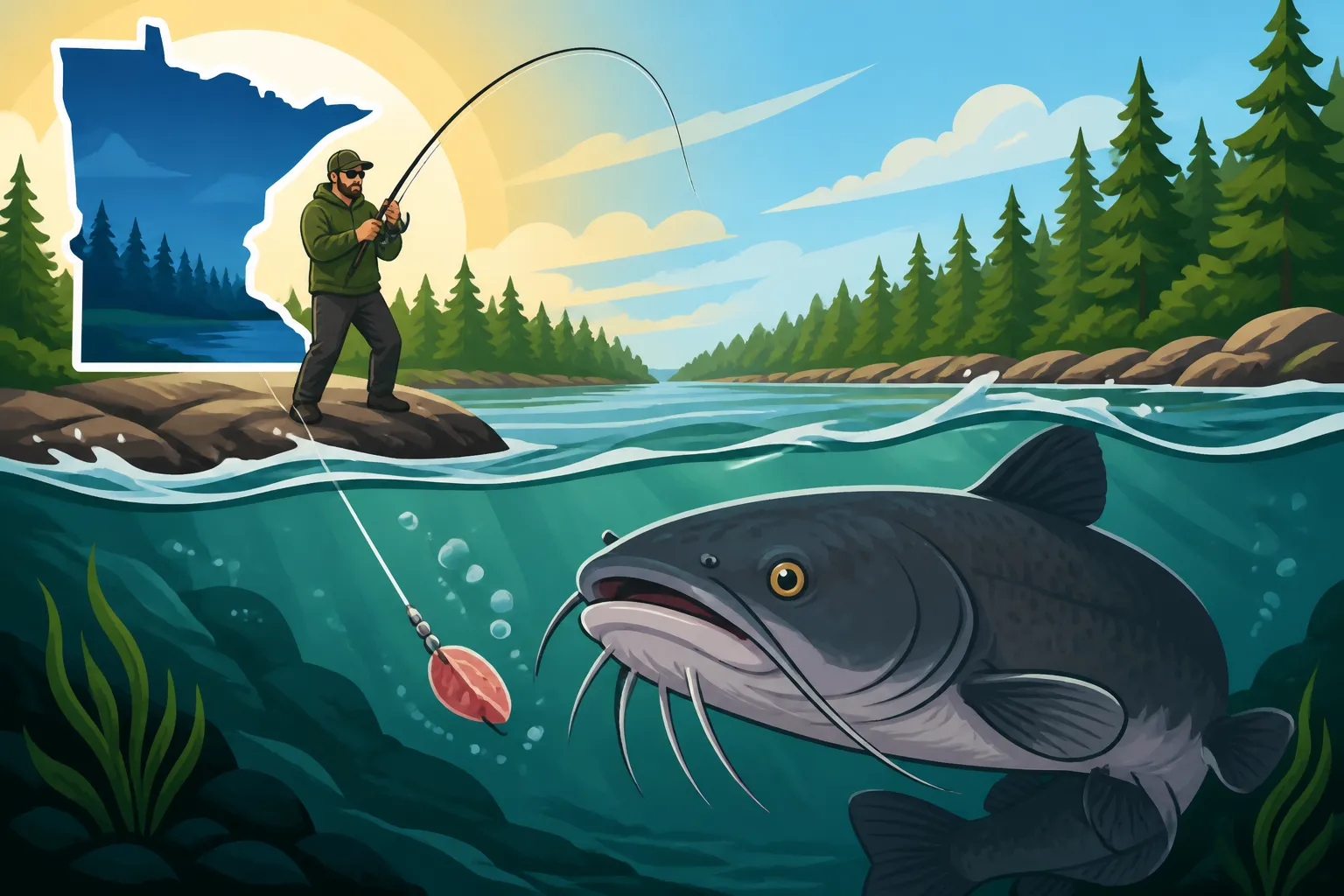
How to Catch Catfish in Minnesota Rivers
Oh, the humble catfish! So often overshadowed by our beloved walleye and hard-hitting bass, but let me tell you, there's a whole world of thrill waiting for you in Minnesota's rivers if you're willing to chase these whiskered wonders. Many anglers find themselves scratching their heads when trying to locate these powerful fish in the murky depths or figuring out what bait will truly entice them. Well, fret no more! This guide is your no-nonsense companion to navigating Minnesota's river systems and mastering the art of catching both the feisty channel catfish and their formidable flathead cousins.
Understanding Minnesota's River Catfish
Before we dive into the nitty-gritty of gear and tactics, it's absolutely crucial to understand the two main species of catfish you'll encounter in our rivers: the ubiquitous channel catfish and the monstrous flathead catfish. While both are incredible fighters, they have distinct preferences that, once understood, will dramatically improve your success.
Channel Catfish vs. Flathead Catfish: Key Differences
The first step to catching these fish is knowing who you're after. Channel cats are far more common and widespread. You can typically identify them by their deeply forked tail, streamlined body, and often scattered dark spots, especially on younger fish. They're often a sleek, greenish-brown to gray color. On the flip side, flatheads are big, beefy, and built like tanks. Their tail is distinctly rounded or only slightly notched, not forked like a channel cat's. They have a flattened head (hence the name!) and a mottled, blotchy skin pattern, usually olive or brown with dark splotches, which helps them blend into their woody habitat. If you want to learn more about identifying them, check out our guide on Catfish in Minnesota: Channel & Flathead.
Their preferred hangouts also differ significantly. Channel catfish are generally more tolerant of various conditions and can be found throughout river systems, often relating to current seams, deeper runs, and areas with moderate structure. They're scavengers and opportunists. Flatheads, however, are kings of the heavy cover. They seek out the densest logjams, undercut banks, rock piles, and massive downed trees, especially in deeper, slower-moving stretches. They are ambush predators who prefer to wait for their meal to come to them.
This brings us to their dietary preferences, which is perhaps the most critical difference for anglers. Channel catfish are true omnivores and scavengers. They'll eat just about anything – dead bait, prepared stink baits, worms, crawfish, even berries sometimes! This makes them a bit easier to target with a wider array of offerings. Flathead catfish, on the other hand, are almost exclusively piscivorous (fish-eaters) and have a strong preference for live bait. They want a struggling fish to pounce on, making them a more challenging but incredibly rewarding target.
Understanding these distinctions isn't just academic; it dictates your entire approach. If you're targeting channel cats, you'll be focusing on a wider range of river structure with baits that appeal to their scavenging nature. For flatheads, you'll be spending time identifying heavy cover and presenting large, lively baits to entice a strike from these reclusive giants. Remember that the regulations for these two species can differ, so it's always smart to review the current Channel Catfish Season & Limits in Minnesota and Flathead Catfish Season & Limits in Minnesota before you head out.
Where They Live and What They Eat
So, where exactly do these whiskered wonders set up shop, and what keeps them coming back for more? While they share a river system, their specific haunts are tailored to their personalities and appetites.
Channel catfish love to hang out where there's a good current but also a place to break away from it. Think about deeper runs, the downstream side of bridge pilings, tributary mouths where smaller creeks dump into the main river, and scour holes behind wing dams. They're looking for areas where food is swept to them, but they don't have to fight the current constantly. You'll often find them congregating in holes on the outside bends of rivers, or along deep channel edges where there's a break in the bottom contour. They might even be in shallower flats at night, cruising for a meal.
Flathead catfish are much more particular. Their prime real estate is almost always associated with significant cover, especially wood. Picture huge logjams, root wads, or deeply undercut banks where a flathead can hide, completely out of sight, waiting to ambush unsuspecting prey. They also appreciate rock piles and other substantial structure that provides shade and a hiding spot from the current. The deeper the water and the heavier the cover, the more likely you are to find a flathead. These are fish that thrive in obscurity, blending into their environment, which makes finding them half the battle.
When it comes to dinner time, channel cats are the ultimate opportunists. They’ll readily gobble up anything from commercially prepared stink baits (like those from Catfish Charlie or Sonny's) and punch baits, to fresh cut bait like shad, suckers, or even bluegill. Chicken livers are an absolute classic, renowned for their scent trail. And, of course, a big juicy nightcrawler or a cluster of them is almost universally irresistible. This versatility in diet means you have many options when trying to entice a channel cat.
Flatheads, as we mentioned, are picky eaters with a taste for the freshest catch. They want live bait, and usually, they want it big. Large suckers, robust bullheads, sizeable shiners, and even small carp (where legal and appropriate size) are their preferred menu items. The key is "live and lively." A baitfish that's actively swimming and struggling sends out vibrations that flatheads, with their keen lateral lines, can't resist. Forget the stink baits for these guys; it's all about convincing them that an easy meal is swimming right into their ambush zone.
Essential Gear for River Catfishing
You can't go to war with a butter knife, and you certainly can't consistently land big river catfish with flimsy gear. These fish are powerful, live in unforgiving environments, and will test your tackle to its limits. Investing in the right equipment isn't just about catching more fish; it's about being prepared for the fight of a lifetime and ensuring the fish is handled properly.
Rods, Reels, and Line: Building Your Setup
When it comes to rods, think power and backbone. For channel catfish, a medium-heavy to heavy power spinning or baitcasting rod, typically 7 to 9 feet in length with a fast action, is a great starting point. The extra length helps with casting heavier baits and rigs, and also provides leverage when fighting fish in current. Brands like Ugly Stik are practically legendary in the catfishing world for their durability and affordability, making them a solid choice for beginners and veterans alike. For flatheads, you'll want to step it up to a heavy or even extra-heavy power rod, 7 to 10 feet long, capable of handling extremely heavy lines and baits, and designed to muscle big fish out of thick cover.
Reels for catfishing need to be robust. For channel cats, a reliable spinning reel in the 4000 to 6000 size range, or a baitcasting reel with a decent line capacity, will serve you well. Look for smooth drag systems, as channels can make powerful runs. For flatheads, a heavy-duty baitcasting reel is almost mandatory. These reels are built for power and can handle the much thicker lines and heavier weights needed to fish their snag-infested lairs. Brands like Abu Garcia's Ambassadeur series or Penn's Squall are popular choices among serious flathead anglers, known for their strong gears and excellent drag systems. You can often find great deals on these workhorse reels on Amazon.
Line choice is critical. For channel catfish, 20 to 30-pound test monofilament is a good all-around choice due to its abrasion resistance, stretch (which helps absorb sudden shocks), and manageability. However, many anglers prefer braided line in the same pound test for its superior strength, smaller diameter, and increased sensitivity, which can help detect subtle bites. For flatheads, you'll need to go much heavier. We're talking 50 to 80-pound test braided line, possibly even heavier depending on the cover you're fishing. The immense strength and abrasion resistance of braid are essential for pulling large flatheads out of thick logjams and preventing break-offs.
It's tempting to think you can get by with lighter gear, but river currents and the sheer power of a big catfish will quickly disabuse you of that notion. Reliable gear means you have a better chance of landing that trophy fish and reducing the risk of leaving hooks and line in the water if you get snagged. Many anglers, especially those just starting, find a good Best Rod and Reel Combo for Beginners a perfect entry point into the sport, offering a balanced setup without breaking the bank.
Terminal Tackle and Accessories
Beyond your rod, reel, and line, a few crucial pieces of terminal tackle and accessories will make your catfishing experience much smoother and more successful.
Hooks are perhaps the most important piece of terminal tackle. For both species, a good, sharp circle hook is highly recommended. Circle hooks are designed to hook fish in the corner of the mouth, which minimizes gut-hooking and makes for easier, safer releases, especially important for catch-and-release and conservation of larger flatheads. For channel cats, octopus-style circle hooks in sizes 2/0 to 6/0 work well. For flatheads, you'll need much larger, heavy-duty circle hooks, often in sizes 8/0 to 12/0, to accommodate those massive live baits and handle their powerful jaws.
Weights are essential for keeping your bait on the bottom in current. No-roll sinkers, pyramid sinkers, or flat bell sinkers are excellent choices as they dig into the bottom and resist being swept away. For a typical slip-sinker rig (often called a Carolina rig in bass fishing circles), you'll want egg sinkers or barrel sinkers. Weights can range from 1/2 ounce to several ounces, depending on the current speed and depth. Always carry a variety!
Don't forget swivels and leaders. A quality barrel swivel or SPRO power swivel helps prevent line twist, especially when using cut bait or fishing in current. A short, abrasion-resistant monofilament or fluorocarbon leader (30-50 lb test for channels, 80-100 lb test for flatheads) can be a good idea, as it provides an extra layer of protection against sharp teeth and rough cover while allowing your main line to be braid. Beads can be used between your sinker and swivel to protect the knot.
Finally, some essential accessories. A heavy-duty pair of pliers or a hook remover is crucial for safe hook extraction. A stout, large landing net with a rubberized mesh is non-negotiable for landing big cats and protecting their slime coat. For night fishing – which is often the best time for flatheads – a reliable headlamp is an absolute must. Trust me, trying to rig bait in the dark with a tiny phone flashlight is a recipe for frustration. A good quality, bright headlamp, like those easily found on Amazon, will free up both your hands and make night fishing far more enjoyable. Don't forget sturdy rod holders to keep your rods secure while you wait for that powerful bite. If you're looking to gear up smartly, check out our guide on Best Fishing Gear for Beginners in Minnesota (By Budget).
Prime Catfish Locations in Minnesota Rivers
Minnesota is blessed with incredible river systems, and many of them hold fantastic catfish populations. Knowing which rivers and what features within them to target will dramatically increase your odds of success. From the mighty Mississippi to the scenic St. Croix and the often-overlooked Minnesota River, opportunities abound.
Mississippi River Hotspots
The Mississippi River is, without a doubt, a premier catfishing destination in Minnesota. From its headwaters down through the metro area and into the southern pools, it offers diverse habitat for both channel and flathead catfish.
In the upper Mississippi River pools (like Pools 1 through 8), you'll find excellent catfishing. The tailwaters below the locks and dams are notorious hotspots, as the churning water disorients baitfish and concentrates forage, making it easy pickings for catfish. Wing dams, those rock structures extending from the bank into the river, create current breaks and scour holes on their downstream sides where channels and flatheads love to ambush prey. Deeper holes along the main channel, especially near bends, are always worth exploring. The mouths of tributaries, such as the Rum River or Crow River, where cooler, oxygenated water and additional forage enter the main river, are also prime areas.
Even within the busy Twin Cities metro stretches (St. Paul and Minneapolis), excellent catfishing opportunities exist. Don't let the urban setting fool you! The deeper channels, bridge pilings, and various submerged structures provide ideal habitat. Fishing around industrial outflows (where legal and safe) can sometimes concentrate fish due to warmer water or food sources. Just be mindful of local access points and regulations. Further south, where the Mississippi widens into Lake Pepin, deeper flats and the edges of the main river channel hold significant populations of both species, particularly channel cats. For a broader look at fishing this incredible waterway, read our detailed guide on Mississippi River Pool Fishing in Minnesota.
Minnesota River and St. Croix River Goldmines
Beyond the Mississippi, the Minnesota River and the St. Croix River offer fantastic, distinct catfishing experiences.
The Minnesota River, often overlooked by anglers focused on its larger neighbor, is a fantastic spot for both channel and flathead catfish. It's generally muddier and slower-moving than some sections of the Mississippi, creating ideal conditions for catfish, which thrive in turbid water. Look for deeper bends in the river, where the current has carved out holes and created undercut banks – perfect flathead territory. Logjams, especially large, stable ones, are key locations. Confluence areas where smaller tributaries like the Cottonwood River or Redwood River meet the Minnesota River are also productive, bringing in fresh water and food. The river's winding nature means there are countless current breaks and slackwater areas for channel cats to patrol. Our comprehensive guide, Minnesota River Fishing: Mississippi, Minnesota & St. Croix, delves even deeper into these waters.
The St. Croix River, a National Scenic Riverway, presents a different challenge. The upper stretches, especially near St. Croix Falls, are clearer and rockier, offering some good channel cat opportunities in deeper pools. As you move downstream, particularly below Stillwater, the river widens, slows, and often takes on a muddier hue, becoming prime habitat for both species. Here, you'll want to target deep holes, significant logjams along the banks, and the edges of sandbars that drop into deeper water. The interface where the St. Croix meets the Mississippi River is also a prime location, as it concentrates fish from both systems.
Understanding River Features
Regardless of which river you choose, understanding basic river features will unlock better fishing spots. Catfish are intrinsically linked to current and structure.
Current is like the lifeblood of a river, bringing food, oxygen, and carrying away waste. Catfish will always relate to it, but they won't necessarily sit in the strongest current. Instead, they'll position themselves in current breaks or seams – areas where fast water meets slow water. This allows them to expend less energy while still having easy access to food being swept downstream. Look for eddies behind obstacles (like rocks or logs), the downstream side of points, or inside turns where the current is slower.
Structure is king in catfishing. Anything that breaks up the bottom contour or provides overhead cover is a potential holding spot. This includes downed trees, logjams, rock piles, riprap banks (rocky banks designed to prevent erosion), bridge pilings, and even old tires or debris (though obviously be careful around those). Flatheads are especially drawn to the heaviest, most impenetrable cover they can find. These structures provide ambush points, shade, and protection from predators and strong currents.
Finally, pay attention to depth changes. Abrupt drops in the riverbed, deep holes, and the edges of the main river channel are magnets for catfish. Fish will often sit on the edge of a deep drop-off, looking into shallower water for passing prey, or they'll hunker down in the deepest holes during the day, especially when water temperatures are high. Use your depth finder, or even just a heavy sinker, to map out the bottom contours and find these crucial transitions.
Proven Catfishing Techniques and Baits
Now that we know where they live and what they eat, let's talk about how to actually get a hook in them. Catfishing isn't rocket science, but there are some tried-and-true methods that consistently produce results.
Rigging for Success: Basic Setups
The most versatile and widely used rig for river catfishing, particularly for channel cats, is the slip sinker rig, often called a Carolina rig. To set this up, you'll thread an egg sinker or a no-roll sinker onto your main line, followed by a small bead (to protect your knot), and then tie on a strong barrel swivel. To the other end of the swivel, attach an 18-36 inch monofilament or fluorocarbon leader, and finally, your circle hook. This rig allows the fish to pick up the bait and move off without immediately feeling the weight of the sinker, giving them time to fully engulf the hook. It's incredibly effective for both species when fishing the bottom.
Another effective setup, especially in heavy current or when you want to present multiple baits at different depths, is the three-way swivel rig. For this, tie your main line to one eye of a three-way swivel. To a second eye, tie a short leader (6-12 inches) with your sinker. To the third eye, tie a longer leader (18-36 inches) with your hook and bait. This keeps your bait suspended off the bottom while the sinker holds it in place. It's particularly useful when you're trying to drift baits through a deeper hole or present a live bait slightly off the bottom.
When targeting flatheads, especially with large live baits, sometimes a simpler approach is best. A heavy bottom rig with just a heavy sinker (like a pyramid or flat bell sinker) tied directly to the end of your main line, and a single large circle hook tied to a snelled leader attached about 6-12 inches above the sinker, can be very effective. This keeps your live bait right on the bottom, where flatheads are looking for them. For techniques on specific species, check out How to Catch Channel Catfish in Minnesota (Step by Step) and How to Catch Flathead Catfish in Minnesota (Step by Step).
Once you're rigged up, casting strategy comes into play. If you're targeting current seams or holes, cast upstream of your target and let your rig drift naturally into the desired zone. For flatheads in heavy cover, you often need to cast as close to, or even into, the logjam as possible. This is where a heavy baitcasting reel and strong line really shine. Once your bait is in place, engage your reel, reel up the slack until your line is taut, and put your rod in a sturdy rod holder with the drag set appropriately. Then, it's a waiting game.
Baiting Strategies for Both Species
This is where the rubber meets the road. Using the right bait is paramount, and it differs significantly between channel cats and flatheads.
For channel catfish, you have a smorgasbord of options. Commercially prepared stink baits and punch baits are incredibly popular and effective, especially for their strong scent trail which draws in channels from a distance. Brands like Secret 7 or CJ's Catfish Punch Bait are good examples. Chicken livers are a classic; their soft texture and powerful scent are irresistible, though they can be messy and hard to keep on the hook. Cut bait from oily fish like shad, suckers, or even panfish (where legal) is also highly effective; use a chunk about 1-2 inches square, or a strip of skin and meat. Even a simple nightcrawler or a gob of them can catch plenty of channel cats, especially smaller ones. Remember, channel cats are largely scavengers, so anything with a strong smell and an easy meal presentation will work well.
Now, for flathead catfish, the bait game changes entirely. Forget the stink baits. Flatheads want live bait, and they want it fresh and active. The best options are often live suckers, bullheads, large shiners, or even small carp (check local regulations for baitfish legality and size limits, especially when buying from local bait shops). The size of your bait matters – don't be afraid to use a 6-10 inch sucker for a truly big flathead. The goal is to present a lively baitfish that looks like an easy target. Hook your live bait through the lips or just behind the dorsal fin, ensuring it can still swim naturally and send out those enticing vibrations. While some live baits like leeches and minnows are fantastic for walleye, as noted in Best Live Bait for Walleye (Leeches, Minnows, Crawlers), for flatheads, you need something much more substantial and with a bigger profile.
Sourcing good live bait can sometimes be a challenge. Your local bait shop is always the first stop. They often carry a selection of common live baits like shiners or fatheads. For larger suckers or bullheads, you might need to call ahead or visit a specialized tackle shop. Some anglers even catch their own baitfish using cast nets or minnow traps, which ensures freshness and can be a cost-effective approach. Always check local DNR regulations on bait collection and use.
Presenting your bait naturally is key, especially with live bait for flatheads. Avoid burying the hook too deeply in the baitfish; allow it freedom of movement. When using cut bait, ensure it's on a circle hook properly, where the point is exposed, so the fish can take it without resistance. For prepared baits, use sponge hooks or bait holders designed to keep the bait on during casting and in current.
Seasonal Strategies for River Cats
Catfish, like most fish, change their behavior with the seasons. Understanding these patterns will help you pinpoint their locations and adjust your tactics for year-round success on Minnesota's rivers.
Spring: Post-Spawn Feasts
Spring is a time of awakening for river catfish, and it offers some of the best fishing opportunities of the year. As river temperatures begin to climb in early spring, catfish shake off their winter sluggishness and start moving into shallower areas to feed aggressively. Look for them in warmer water pockets, such as shallow flats adjacent to deeper channels, or at the mouths of tributaries that warm up faster than the main river. These areas provide abundant forage and the comfort of slightly higher temperatures.
As spring progresses into late May and early June, you enter the pre-spawn and spawning period. Catfish will stage in deeper holes and slackwater areas before moving to shallower, often heavily structured areas to spawn. Male channel catfish are particularly aggressive during this time, guarding nests in undercut banks, logjams, or even old tires. They'll readily strike at baits during this protective phase. Flatheads also become very active, feeding heavily before and after their spawn. This is a prime time for both species to be very catchable, as they are focused on reproduction and recovery.
The post-spawn period, typically late June through July for channels, is often marked by an explosive feeding frenzy. Channel cats, having completed their spawning duties, are famished and will aggressively seek out food to regain their strength. This is when prepared baits, chicken livers, and cut bait can be incredibly effective. Flatheads are also very active and will be settling into their summer patterns of seeking heavy cover and ambushing live bait. The river is alive with activity, and if you can find the fish, they're usually willing to bite.
Summer: Deep Water and Night Bites
Summer catfishing often shifts to deeper water during the day, as catfish seek refuge from higher water temperatures and bright sunlight. During the hottest parts of the day, you'll find them hunkered down in the deepest holes, underneath dense logjams, or in areas with strong current that brings in more oxygen. Their activity levels might slow down during midday, so patience is key if you're fishing during the heat.
However, summer truly shines as the prime season for night fishing for catfish. Both channel and flathead catfish are primarily nocturnal feeders, and this is especially true for the biggest flatheads. As the sun sets and the river cools slightly, these fish move out of their daytime sanctuaries to actively hunt. This is when those giant flatheads that are invisible during the day become accessible. Fishing from dusk until well past midnight can be incredibly productive. You'll need good lighting, robust gear, and a healthy dose of patience, but the rewards can be truly spectacular. Remember, that sturdy headlamp, easily found on Amazon, becomes your best friend during these twilight adventures.
Be mindful of extreme heat during summer. While catfish are hardy, prolonged periods of very high water temperatures can make them sluggish. If you're fishing in intense heat, focus on the cooler, deeper sections of the river, especially those with good oxygenation from current, or target the prime low-light hours of dawn, dusk, and night.
Fall: Pre-Winter Buildup
As autumn arrives and water temperatures begin to cool, catfish enter a critical feeding period to bulk up for the lean winter months. This can be another fantastic time to target them, as they are actively foraging throughout the day.
In early fall, catfish might still be found in many of their summer haunts, but their activity windows can broaden. You might find them more willing to bite during daylight hours than in the peak of summer. Focus on those deep holes, current seams, and structure-rich areas where food is abundant. They'll be converting every meal into fat reserves.
As the water continues to cool and winter approaches, catfish will often begin to migrate towards their deeper wintering holes. These are typically the deepest, slowest-moving sections of the river, where they can hunker down and conserve energy during the coldest months. Identifying these staging and wintering areas can lead to incredible fishing, as fish often congregate in large numbers. Live bait remains highly effective for flatheads, as they continue to prefer large, protein-rich meals. For both species, fishing these deep pockets and slower current areas with strong-scented baits or lively presentations can lead to some memorable late-season catches before the river truly locks up for winter.
| Catfish Species | Key Identification | Preferred Habitat | Primary Diet | Best Baits | Rod/Line Recommendation |
|---|---|---|---|---|---|
| Channel Catfish | Deeply forked tail, dark spots often present | Deeper runs, current seams, structure, tributary mouths | Omnivorous (cut bait, prepared, live) | Stink bait, cut bait (shad, sucker, bluegill), chicken liver, worms | Medium-Heavy, 7-8 ft, 20-30 lb mono/braid |
| Flathead Catfish | Rounded tail, mottled skin, flattened head | Heavy wood cover, deep scour holes, undercut banks | Almost exclusively live fish | Live suckers, bullheads, large shiners, small carp | Heavy to Extra-Heavy, 8-10 ft, 50-80 lb braid |
Disclaimer
Fishing regulations can change frequently. Always consult the latest Minnesota Department of Natural Resources (DNR) fishing regulations handbook or website before you head out on the water. This article is intended for informational purposes only and does not constitute legal advice regarding fishing regulations.