Best Ice Fishing Jigging Cadence for Walleye
The biting cold of a Minnesota winter, the crisp air, the vast expanse of frozen lake—it’s an experience like no other. But let's be real, ice fishing for walleye can test even the most patient angler. You’ve drilled your holes, set up your shelter, and your electronics show fish, but they just won't commit. It's incredibly frustrating when those marks appear, hover, and then disappear without a strike. This guide is all about tackling that common problem, diving deep into the art of jigging cadence to help you unlock more consistent walleye bites on the ice.
Understanding Walleye Behavior Under the Ice
Walleye are fascinating creatures, and their behavior shifts significantly once the hardwater season sets in. It’s not enough to simply drop a lure; understanding their mood and motivations is key to choosing the right jigging cadence.
Why Cadence Matters for Finicky Walleye
Imagine trying to convince someone to eat when they're not particularly hungry and it's quite chilly. That's essentially what we're doing with walleye in winter. Their metabolism slows down in cold water, making them less inclined to chase down a meal. This is where cadence—the rhythm and motion you impart to your lure—becomes absolutely critical. A precise cadence can mimic the weak, struggling movements of natural prey, making it an easy target. Or, conversely, an aggressive cadence might irritate them into a reaction strike. Light and sound also play a huge role, especially in low-light conditions or stained water, which a varied cadence can expertly exploit. Without a thoughtful approach to how you work your bait, you're just dropping metal and hoping for the best.
Reading Your Electronics for Clues
Your ice fishing flasher or fish finder isn't just for locating fish; it's your window into their world and their reaction to your presentation. Brands like Vexilar, Humminbird, and Garmin offer incredible insights. Are they rising quickly to your bait? Are they slowly creeping towards it? Are they holding below it without interest? Each scenario demands a different response in your jigging cadence. If you see a fish rise fast but then drop, it might mean your lure is too aggressive, or you're holding it too long. If they ignore it completely, perhaps your movements are too subtle, or the bait isn't enticing enough. Learning How to Read a Flasher (Vexilar/Humminbird) is one of the most important skills you can develop for adjusting your cadence on the fly. Pay attention to the speed of their approach and their position relative to your lure—these are immediate feedback loops for your technique.
Natural Forage and Mimicry
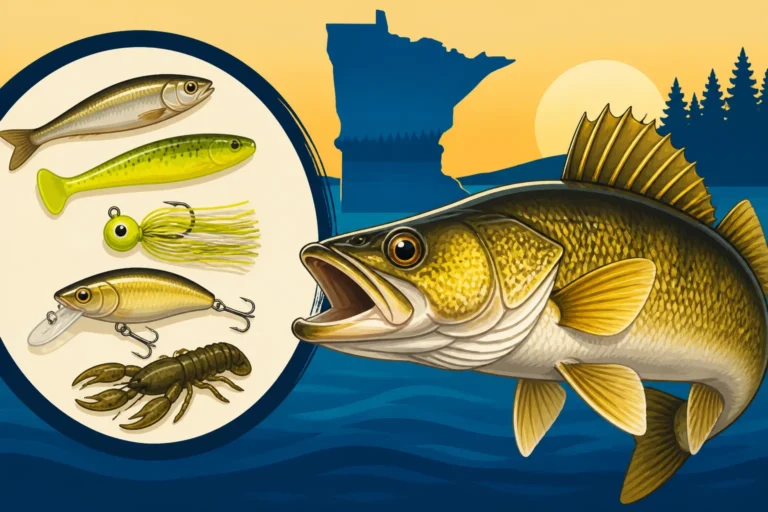
To truly entice a walleye, you need to think like one. What are they typically eating in Minnesota's frozen lakes? Yellow perch, various shiners, fathead minnows, and tullibee (cisco) are common menu items. A struggling shiner might have erratic, short bursts of movement followed by long pauses. A cruising perch might swim smoothly then dart away. Different jigging cadences can effectively mimic these natural movements. For example, a sharp rip followed by a long, slow glide can imitate a dying minnow, while a series of short, quick snaps might suggest a baitfish frantically trying to escape. Matching your cadence to the prevalent forage and their typical winter behavior will significantly improve your success.
Essential Jigging Cadences for Walleye
While there's no single "magic" cadence that works every time, a few fundamental approaches form the backbone of successful walleye ice fishing. Mastering these will give you a solid foundation to adapt from.
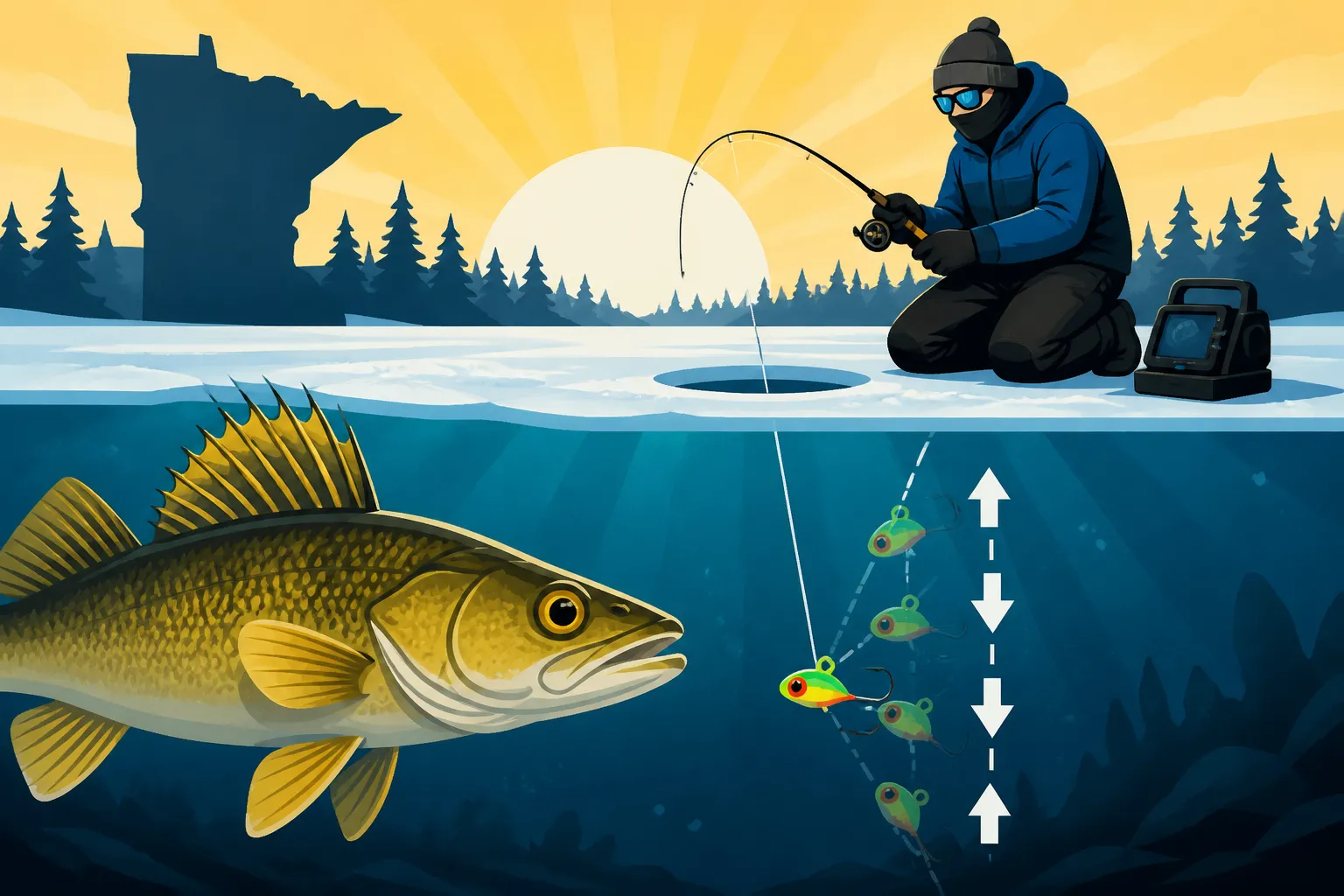
The Lift-Drop-Hold (Classic Walleye Cadence)
This is the bread and butter of walleye ice fishing, and for good reason—it’s incredibly effective. Here's how it generally goes:
- Lift: Start by gently lifting your rod tip 6-12 inches. This makes your lure swim up, simulating a baitfish moving. The speed of the lift can vary from a quick snap to a slow, controlled rise.
- Drop: Allow the lure to fall back down. This is usually a free fall, but sometimes a controlled descent can be effective too. The drop often triggers a strike as the lure appears to be escaping or falling helplessly.
- Hold: This is perhaps the most crucial part. After the drop, hold your rod absolutely still for several seconds—anywhere from 3 to 15 seconds, sometimes even longer. Many, many walleye strikes happen on the pause. They move in to inspect the "dead" or dying bait, and then, wham!
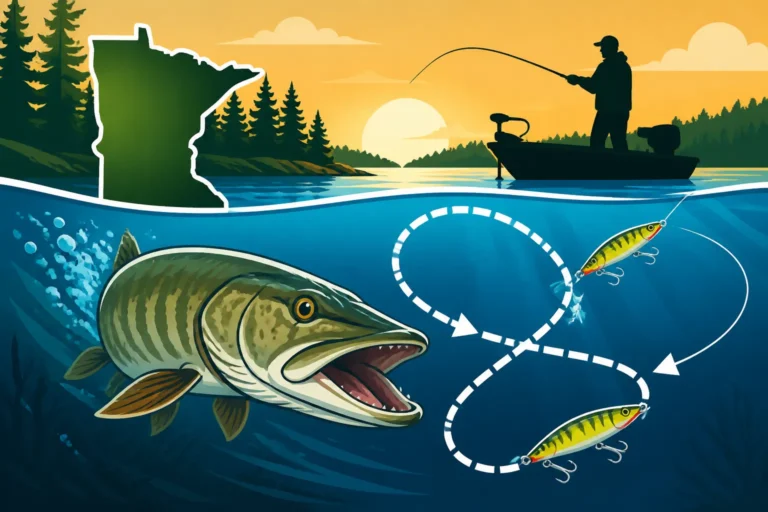
Variations are endless: try a shorter lift (2-4 inches) followed by a quivering hold, or a very aggressive, high lift followed by a long, slow drop. This cadence is versatile, working for both active fish that are chasing and more neutral fish that need a bit more time to decide. It’s a fantastic starting point when you're exploring a new spot or trying to figure out the fish's mood.
Deadsticking and Minimal Movement
Sometimes, the best cadence is almost no cadence at all. This is where "deadsticking" comes into play. It involves using a second rod (where legal, typically two rods per angler in Minnesota) with a bait set to hang motionless or with minimal movement. Often, this rod is simply placed in a rod holder, with a live minnow hooked through the back or lips. The subtle, natural movements of the live bait are often irresistible to walleye that are completely shut down or just incredibly finicky.
Many anglers will actively jig with one rod while keeping a deadstick nearby. The active jigging might attract fish to the area, but the truly hesitant walleye will often opt for the easier meal presented by the deadstick. It’s a deadly combination, especially during midday lulls or when fish are following your jig but refusing to strike. For deadsticking, a sensitive rod is key to detecting the lightest bites. You can find excellent options on Amazon, designed specifically for ice fishing. Remember to check Minnesota fishing regulations on how many lines you can use in winter.
Aggressive Ripping and Pounding
When fish are aggressive, or you need to draw them in from a distance, a more aggressive jigging cadence can be incredibly effective. This isn't for every situation, but when it works, it works big.
To execute this, use sharp, hard lifts of your rod, sometimes pulling the lure 1-2 feet off the bottom, followed by a quick, uncontrolled drop. You might even "pound" the bottom by letting the lure hit the lakebed hard, stirring up sediment. This creates noise and disturbance, mimicking a frantic baitfish or simply irritating the walleye into striking out of annoyance. Lures with rattles, like the Northland Buck-Shot Rattle Spoon or a Rapala Rippin' Rap, are excellent choices for this technique as they create extra noise. This works particularly well in stained water, low light, or when fish are exceptionally active. Don't be afraid to experiment with this—sometimes, a completely unexpected, aggressive move is what triggers that trophy walleye.
Advanced Cadence Adjustments and Troubleshooting
Once you've got the basics down, it's time to fine-tune your approach. Walleye aren't always textbook, and successful ice anglers are constantly adapting.
Speed, Height, and Pause Variations
This is where the art of walleye jigging truly shines. Every day, every hour, every fish can be different.
- Speed: Vary the speed of your lifts and drops. Sometimes a slow, almost lazy lift and fall is all it takes. Other times, a lightning-fast twitch is the ticket.
- Height: Experiment with how high you lift the bait. Short, subtle lifts of only an inch or two might be all a lethargic walleye wants to see. Or, a dramatic 2-foot lift might get their attention from afar.
- Pause: This is perhaps the most critical variable. A 3-second pause might not be enough; sometimes a 10-15 second hold, or even longer (up to 30 seconds!), can be what seals the deal. Watch your electronics carefully—often, a fish will approach during the active jigging but only commit to the bait during a long pause. When walleyes are really shy, keeping your lure suspended at the fish's eye level during a long, dead still pause often triggers a bite.
Think about the depth you're fishing too; in deeper water, a slightly more exaggerated movement might be needed to create enough vibration to be felt by the fish. Learning to adjust these variables intuitively is what separates good anglers from great ones.
Integrating Live Bait and Scent
Live bait is a powerful ally in ice fishing, especially for walleye. While artificial lures have their place, the natural movement and scent of a live minnow or a juicy wax worm can be irresistible.
- Minnows: Tipping your jigging spoon or jigging Rap with a minnow head or the entire minnow (depending on size) adds scent and natural action. A lively shiner or fathead hooked lightly through the back often attracts attention even with minimal jigging. Consider using smaller minnows like crappie minnows if the walleye are being particularly finicky.
- Scent Attractants: Products like Smelly Jelly, Pro-Cure, or Berkley Gulp! Alive! add a potent scent trail that can draw fish in and encourage them to hold onto the bait longer. Apply these generously to your artificial lures. Even a seemingly "dead" lure can become a magnet with the right scent. When used in conjunction with different cadences, live bait and scent provide an extra layer of appeal that pure artificials sometimes lack. For more information on effective bait choices, check out our guide on Best Live Bait for Walleye (Leeches, Minnows, Crawlers).
Lure Selection and Cadence Matching
The lure you choose isn't just about color or size; it's about how it moves and reacts to your chosen cadence. Different lures have different inherent actions.
- Jigging Spoons: Lures like the Lindy Rattl'n Flyer Spoon or a Custom Jigs & Spins Spoon have a fluttering, darting action on the fall. A sharp lift and quick drop will make them "dance."
- Jigging Raps: Rapala Jigging Raps or Northland Puppet Minnows have a unique gliding, circle-down action. A hard rip will send them wide, while a gentle lift keeps them tighter.
- Soft Plastics: Small soft plastics on a tungsten jig often require very subtle twitches or a long dead stick to maximize their tail action.
- Minnow Baits: While less common for active jigging, small minnow baits like a Northland Forage Minnow can be deadly on a slow lift and long hold, imitating a dying baitfish.
Match your lure to the action you want to achieve. If you want a wide, erratic dart, a Jigging Rap is a great choice. If you want a tight, fluttering fall, a spoon is better. Having a good variety of lures on hand, easily purchased from retailers like Amazon, allows you to experiment with different presentations. For a deeper dive into effective lures, check out our article on Best Lures for Ice Fishing Walleye.
Environmental Factors Affecting Cadence
Mother Nature plays a huge role in how walleye behave, and your jigging cadence should adapt to what the environment throws at you.
Pressure Systems and Weather
Think about how you feel on a dreary, low-pressure day versus a bright, high-pressure day. Fish are affected similarly.
- High-Pressure Systems: Often bring clear skies and stable, cold weather. Walleye tend to be less active and more reluctant to chase. This is the time to employ subtle cadences, longer pauses, and natural baits. Think finesse: small movements, long holds, delicate lifts. A deadstick is often very effective here.
- Low-Pressure Systems: Often associated with overcast skies, light snow, or approaching fronts. These conditions can often trigger a more aggressive bite. The walleye might be more willing to chase and hit a more active, louder presentation. This is when aggressive ripping, sharper lifts, and rattles can really shine.
Always pay attention to the forecast and adjust your initial approach accordingly.
Light Conditions Day Versus Night
Walleye are classic low-light predators, and their activity levels ebb and flow with the sun.
- Dawn and Dusk: These twilight hours are prime time. Walleye often move shallower and become more active. This is when you can often get away with more aggressive cadences, bright colors, and lures with rattles. The transition periods are when they're most willing to hunt.
- Midday: Often a slower bite, especially on clear, sunny days. This is when finesse, long pauses, and deadsticking often become the most productive methods. They're still there, but you have to work harder to convince them.
- Night Fishing: Can be absolutely phenomenal for walleye. In the darkness, they feel more confident and often become very aggressive. Glow lures, UV colors, and even larger profiles can be effective. While you might expect to need aggressive cadences at night, often a slower, rhythmic lift-drop-hold with plenty of glow is all it takes, as the fish are already on the prowl. Always ensure your glow lures are charged up before dropping them down. Our comprehensive guide on How to Catch Walleye at Night offers more detailed strategies.
Water Clarity and Depth
The characteristics of the water itself also dictate effective cadences.
- Clear Water: In very clear lakes like those found in the Brainerd Lakes Area, walleye rely heavily on sight. They can spot your lure from a distance, but they can also scrutinize it. Here, natural colors, more subtle movements, and longer pauses are often key. Too much flash or aggression can spook them.
- Stained or Murky Water: In lakes with lower visibility, like some parts of Upper Red Lake, walleye rely more on their lateral line (to detect vibrations) and scent. This is where aggressive movements, rattles, bright "chartreuse" or "orange" colors, and scent attractants become very effective. You need to create enough disturbance to get their attention.
- Depth: When fishing in very deep water, say 30-50 feet, a subtle twitch might not generate enough vibration or movement to be noticed. You might need to use a slightly heavier lure and more exaggerated lifts and drops to ensure the fish feel its presence. Conversely, in shallow water (under 10 feet), sometimes the slightest movement is all you need, as too much commotion can scare them away.
| Jigging Cadence | When to Use It | Lure Suggestions | Notes |
|---|---|---|---|
| Lift-Drop-Hold | Everyday fishing, neutral to active fish | Spoons (Buck-Shot, Forage Minnow), Jigging Raps, Jigs | Vary lift height (6-12"), drop speed, hold time (3-15+ secs). |
| Deadsticking | Finicky, negative fish, midday lulls, second rod | Live minnow (fathead, shiner) on plain hook or small jig | Minimal movement, often paired with an active rod. Focus on scent. |
| Aggressive Ripping | Active fish, low pressure, stained water | Rattling Spoons (Buck-Shot), Jigging Raps, Rippin' Raps | Sharp, high lifts (1-2 ft), hard drops, "pounding" bottom. |
| Subtle Twitching | High pressure, clear water, lethargic fish | Small tungsten jigs, soft plastics, minnow heads | Tiny rod tip movements (1-2"), long pauses, minimal action. |
| Quiver & Hold | Neutral fish, after an initial aggressive attempt | Spoons, small jigs, plastics | Gentle shake or quiver during the hold, then complete stillness. |
Disclaimer
Fishing conditions and regulations in Minnesota can change. Always consult the latest Minnesota Department of Natural Resources (DNR) fishing regulations booklet before heading out on the ice. This guide is for informational purposes only and does not constitute legal advice.