How to Troll for Walleye Without Electronics
Feeling overwhelmed by the sheer amount of high-tech gadgets anglers seem to use these days? You’re not alone. It can feel like you need a degree in marine electronics just to find a walleye, let alone catch one. But I’m here to tell you that you absolutely do not need a fancy fish finder or GPS chartplotter to successfully troll for walleye in Minnesota. This guide will walk you through time-tested techniques and strategies to effectively troll for walleye, relying on your senses, a good map, and a solid understanding of walleye behavior, proving that sometimes, less truly is more.
Why "Analog" Trolling Still Catches Walleye
It's easy to get caught up in the arms race of modern fishing electronics. Every year, there's a new "must-have" gadget promising to show you every fish in the lake. While these tools can certainly be advantageous, they aren't the only way to locate and catch fish. In fact, many seasoned anglers, and generations before us, consistently hauled in limits of walleye long before sonar was even a concept. The beauty of trolling without electronics lies in its simplicity and the deep understanding of the water it forces you to cultivate. You learn to read the water, feel your lure, and trust your instincts – skills that are invaluable no matter what gear you're using.
The Value of Intuition and Observation
When you take away the screens, you heighten your other senses. You start to notice subtle changes in water color, current, or bottom composition. You pay closer attention to the birds, the baitfish jumping, or even the wind direction and how it impacts your drift or troll. This isn't just about catching fish; it's about connecting with the lake on a more profound level. You become a more observant angler, which in turn makes you a more effective one. The frustrations of relying solely on electronics, only for them to fail or give confusing readings, vanish when you adopt an analog approach. You're in control, relying on skills, not batteries.
Building Fundamental Angling Skills
Think of trolling without electronics as a masterclass in foundational fishing. You're forced to develop a keen sense of boat control, depth management, and understanding how your lure behaves at different speeds. These are the building blocks of successful fishing. You'll learn to "feel" the bottom through your rod, distinguishing between sand, rock, or weeds. You'll develop a sense for how deep your crankbait is running based on line out and boat speed, rather than just reading it off a screen. These are transferable skills that will make you a better angler, even if you decide to add electronics back into your arsenal down the road. It's an excellent way to truly understand what makes a walleye bite.
Deconstructing the Lake Without a Screen
Finding fish without a high-definition map or side-imaging sonar might seem daunting, but it's entirely achievable with a bit of planning and a lot of observation. The key is to think like a walleye and understand their habitat preferences throughout the seasons.
Relying on Paper Maps and Lake Charts
Your most important "electronic-free" tool will be a detailed paper lake map. These maps, often available from the Minnesota Department of Natural Resources (DNR) or local bait shops, display depth contours, bottom structure, and even specific features like rock piles, weed beds, and points. Learning to interpret these maps is a skill in itself, allowing you to visualize the underwater landscape.
Before you even launch your boat, spend time studying the map. Look for areas where depth contours pinch together (indicating a breakline), long tapering points, humps, or distinct drop-offs. These are classic walleye holding areas. Mark potential trolling passes with a waterproof marker. During different times of the year, walleye will relate to different structures. For example, during the early season, after the Walleye Season & Limit in Minnesota opener, walleye are often found in shallower water near spawning grounds or green weed lines. As summer progresses, they'll often move to deeper main lake structures. Understanding these Seasonal Fishing Patterns in Minnesota is crucial.
Visual Cues and Shoreline Features
The shoreline itself can tell you a lot about what's happening underwater. A steep bank on shore often indicates a quick drop-off beneath the surface. A gradual, sandy beach might suggest a similar, softer bottom extending out. Pay attention to visible points, bays, and inlets. These features often extend underwater and create prime ambush points for walleye. Look for patches of greener weeds, which indicate healthier aquatic vegetation that holds baitfish, and therefore, walleye.
When on the water, observe the surface. Is there a defined weed edge visible? Are there areas where the water changes color slightly, suggesting a change in depth or bottom type? Are there any visible rock piles or stumps? Use these clues to piece together the underwater picture that your paper map initiated. Dropping a marker buoy at a promising spot, like the tip of a submerged point or a particularly attractive weed edge, can help you define your trolling path without a GPS. You can even use a series of marker buoys to outline a productive breakline.
Mastering Your Lure's Presentation
Without electronics, precise depth control and consistent boat speed become even more critical. You'll rely on your experience, your gear, and a bit of trial and error to get your bait in the walleye's strike zone.
Achieving Consistent Depth Control
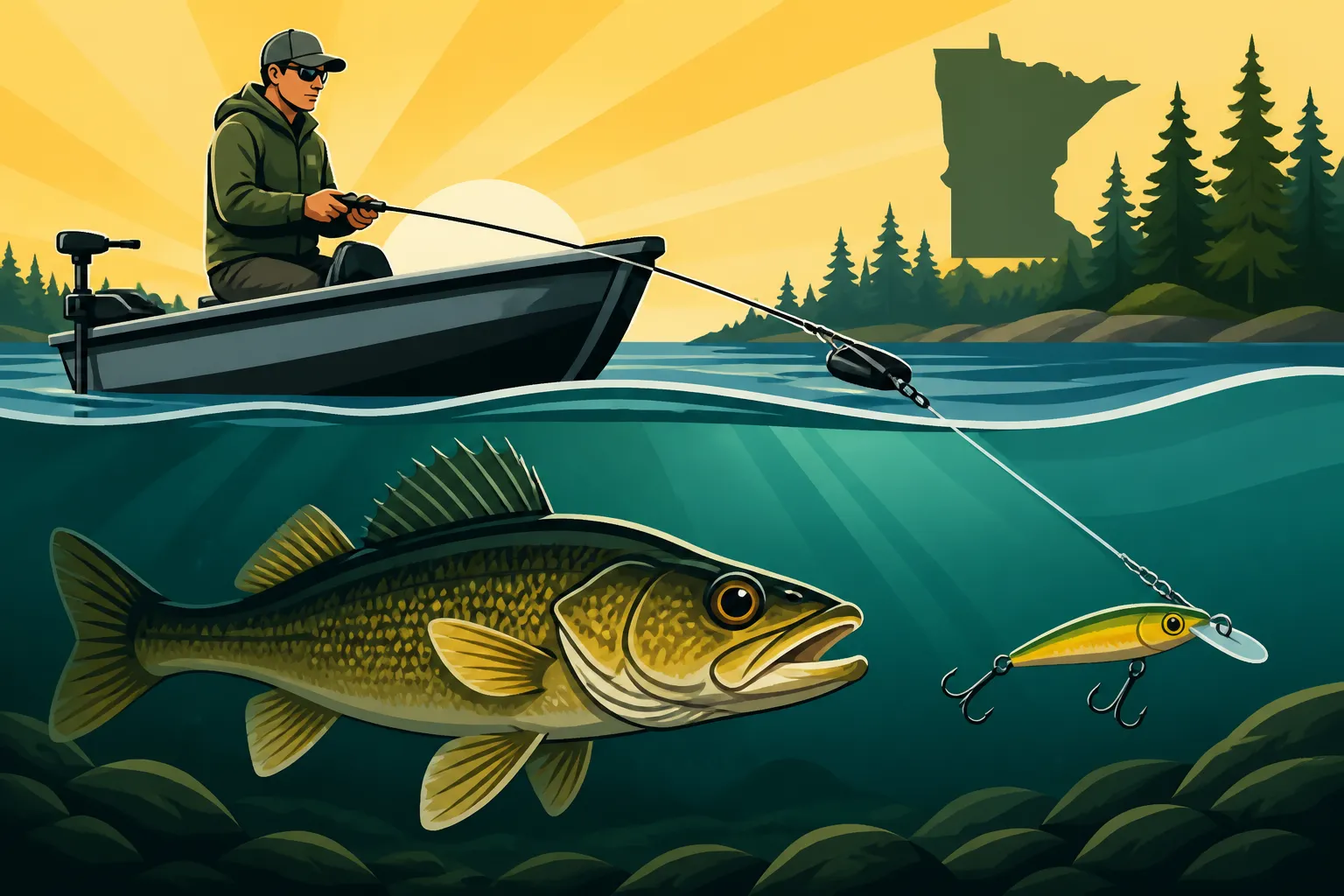
The most challenging aspect of trolling without electronics is knowing exactly how deep your lure is running. This is where understanding your tackle and using "diving tables" comes into play. Most crankbait manufacturers provide charts that estimate the running depth of their lures at various line-out distances and trolling speeds. You can often find these tables online or sometimes even on the lure packaging.
To manage depth manually, you'll need to pay close attention to the amount of line you're letting out. A line counter reel can be an invaluable, non-electronic tool here, helping you consistently deploy the same amount of line. If you don't have one, learn to count "pulls" (a specific length of line pulled from the reel, say, from the reel to the first guide) or measure by eye. As you troll, feel for your lure occasionally ticking the bottom if you're targeting specific depths. This "tick, tick, pause" feel tells you you're in the right zone. If you stop ticking, let out a bit more line or speed up slightly; if you're snagging, reel in a few feet or slow down. This touch-and-go method is highly effective for maintaining contact with structure. For specific crankbait strategies, check out our guide on How to Fish Crankbaits for Walleye.
Maintaining Optimal Trolling Speed
Trolling speed is paramount for walleye. Too fast, and your lure might run too deep or present unnaturally. Too slow, and it won't have the right action. Without a boat's speedometer or GPS, how do you maintain that sweet spot of 1.5 to 2.5 mph? It comes down to feel and observation.
- Feel the Rod: Your rod tip is a great indicator. It should have a consistent, pulsing wobble from the lure's action. If it's erratic, your speed might be inconsistent.
- Observe Your Wake: Look at the water behind your boat. A consistent, steady wake indicates a consistent speed. Too much white water, you're likely going too fast. Barely any wake, too slow.
- Landmarks: Use fixed points on shore to gauge your speed. Pick two landmarks and time how long it takes to travel between them. Over time, you'll develop an innate sense of "walleye speed."
- Smartphone GPS (Optional): While the goal is "without electronics," a simple smartphone app that shows GPS speed can be a helpful, minimalist tool if you're really struggling to get a feel for it. Just make sure it's waterproof and secured!
Choosing the Right Lures and Tackle
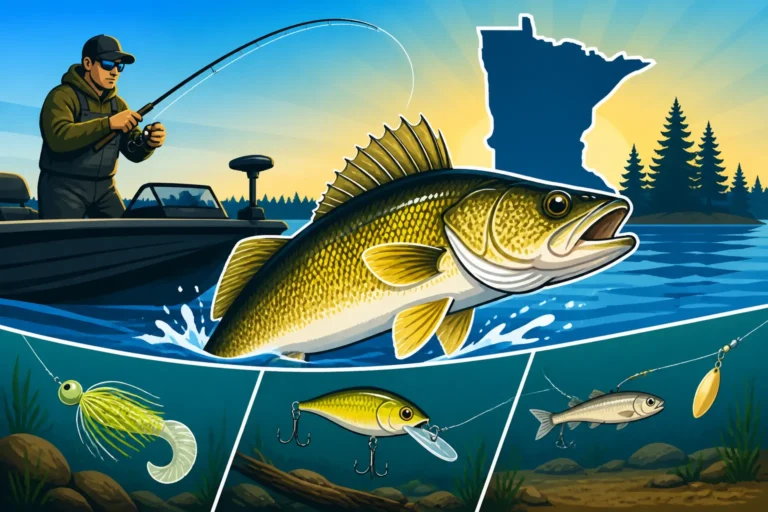
Your lure selection will be crucial. Crankbaits are a trolling staple for walleye. Different crankbaits are designed to run at different depths and speeds. Experiment with a variety of styles and colors. Some popular choices in Minnesota include classic Rapala Shad Raps, Berkley Flicker Shads, and Storm Original Hot'n Tots. You can find a fantastic selection of these on sites like Amazon.
For line, a good monofilament or fluorocarbon line with a relatively small diameter (8-12 lb test) will help your crankbaits reach their maximum depth. Using leadcore line is another excellent "analog" method for reaching deeper depths without any electronics; its inherent weight helps your lure dive. Our guide on Trolling for Walleye: Crankbaits & Leadcore can provide more in-depth information.
| Crankbait Type | General Running Depth (No Leadcore) | Key Characteristics |
|---|---|---|
| Shallow Diver (e.g., Shad Rap) | 5-10 feet | Small lip, tight wobble, good for weed edges |
| Medium Diver (e.g., Flicker Shad) | 10-20 feet | Medium lip, varied wobble, versatile |
| Deep Diver (e.g., Deep Husky Jerk) | 20+ feet | Long, large lip, aggressive dive, good for open water |
| Jointed (e.g., Jointed Shad Rap) | Varied | More erratic action, good for finicky fish |
Remember, these depths are estimates. Line type, diameter, boat speed, and even current will all impact actual running depth.
Practical Tips for No-Electronics Trolling
Taking away the screens doesn't mean you're left in the dark. It simply means you engage more with the environment and your fishing process.
Utilizing Marker Buoys Effectively
Marker buoys are your best friends when fishing without electronics. Spot a promising structure or a break in a weed line? Toss a buoy. Catch a fish? Toss another buoy immediately. These floating markers help you establish a trolling path and understand exactly where the bites are coming from.
Instead of just dropping one, try creating a "trail" of buoys to outline a contour or a productive area. This allows you to make precise passes over a fish-holding spot repeatedly. Just be mindful of other boaters and make sure your buoys are visible and don't create a navigational hazard. They are easily purchased, often in multi-packs, on platforms like Amazon.
The Importance of a Detailed Fishing Log
While you won't have a digital record, a physical fishing logbook is incredibly powerful. Every time you go out, jot down details:
- Date, time, weather (wind, clouds, temperature)
- Lake name and specific area fished (referencing your paper map)
- Trolling speed (your estimated speed, or GPS if you're using a phone app)
- Lure type, color, and amount of line out when you get a bite
- Depth of water, perceived bottom type (rock, sand, weeds)
- Any visual observations (baitfish, birds, water clarity)
Over time, this log becomes your personal database, revealing patterns specific to your fishing style and your local waters. You'll start to predict when and where walleye will be based on past success.
Fishing the Right Time of Day
Walleye, with their large, light-sensitive eyes, are often most active during low-light conditions. This means early morning, late evening, and even after dark can be prime trolling times. Without electronics, these times become even more important as the fish are naturally more inclined to be shallow and actively feeding, making them easier to intercept without pinpoint sonar.
While you can catch walleye during the day, especially on cloudy days or in deeper water, focusing your efforts during the prime low-light windows significantly increases your chances of success when you're relying on more traditional methods. For night fishing specifically, you might find our article on Night Fishing for Walleye in Minnesota helpful, even if you adapt the techniques to your analog approach.
Utilizing Live Bait When Trolling
While crankbaits are great, sometimes live bait is the undisputed king. Trolling with a How to Fish a Lindy Rig for Walleye or a bottom bouncer with a Best Live Bait for Walleye (Leeches, Minnows, Crawlers) is a classic, highly effective method. This is particularly good for feeling the bottom. The slight resistance of the bottom bouncer tells you you're in the right depth.
You can also use simple spinner rigs with live bait, trolled behind a bottom bouncer. The spinner creates flash and vibration, while the live bait provides scent and natural movement. This combo is incredibly effective and doesn't require any fancy electronics to make it shine. You can buy these rigs pre-made at any bait shop or even assemble your own, picking up components from Amazon or your local tackle store.
Other Useful "Non-Electronic" Gear
Beyond your rods, reels, and tackle, a few other items can make your analog trolling experience much smoother:
- Good Quality Paper Lake Maps: As mentioned, these are vital. Consider laminating them or keeping them in a waterproof map case.
- Polarized Sunglasses: These cut glare and allow you to see deeper into the water, spotting weed lines, rock piles, and other structures.
- Anchor: A small anchor or drift sock can help you slow your troll or hold your position if you find a particularly hot spot.
- Clipboard & Pen: For your fishing log.
- Depth Finder (Portable, Handheld – Optional but helpful): While the article focuses on not needing electronics, a simple, handheld "castable" depth finder (often available at sporting goods stores or through Amazon) could be considered a minimalist tool. It doesn't give you real-time sonar but can tell you the depth of water you're currently in if you cast it out. This isn't trolling electronics, but a discrete way to get a static depth reading if you stop the boat. However, for true "no electronics," relying on feel and maps is the way to go.
By embracing these methods, you'll not only catch walleye but also gain a deeper appreciation for the art of fishing, proving that sometimes, the best technology is simply a keen eye and an understanding of the natural world.
Disclaimer
Fishing regulations, seasons, and limits are subject to change. Always consult the latest Minnesota Department of Natural Resources (DNR) fishing regulations handbook before heading out on the water. This guide is for informational purposes only and should not be considered a substitute for official regulations.