How to Catch Lake Trout Through the Ice in Minnesota
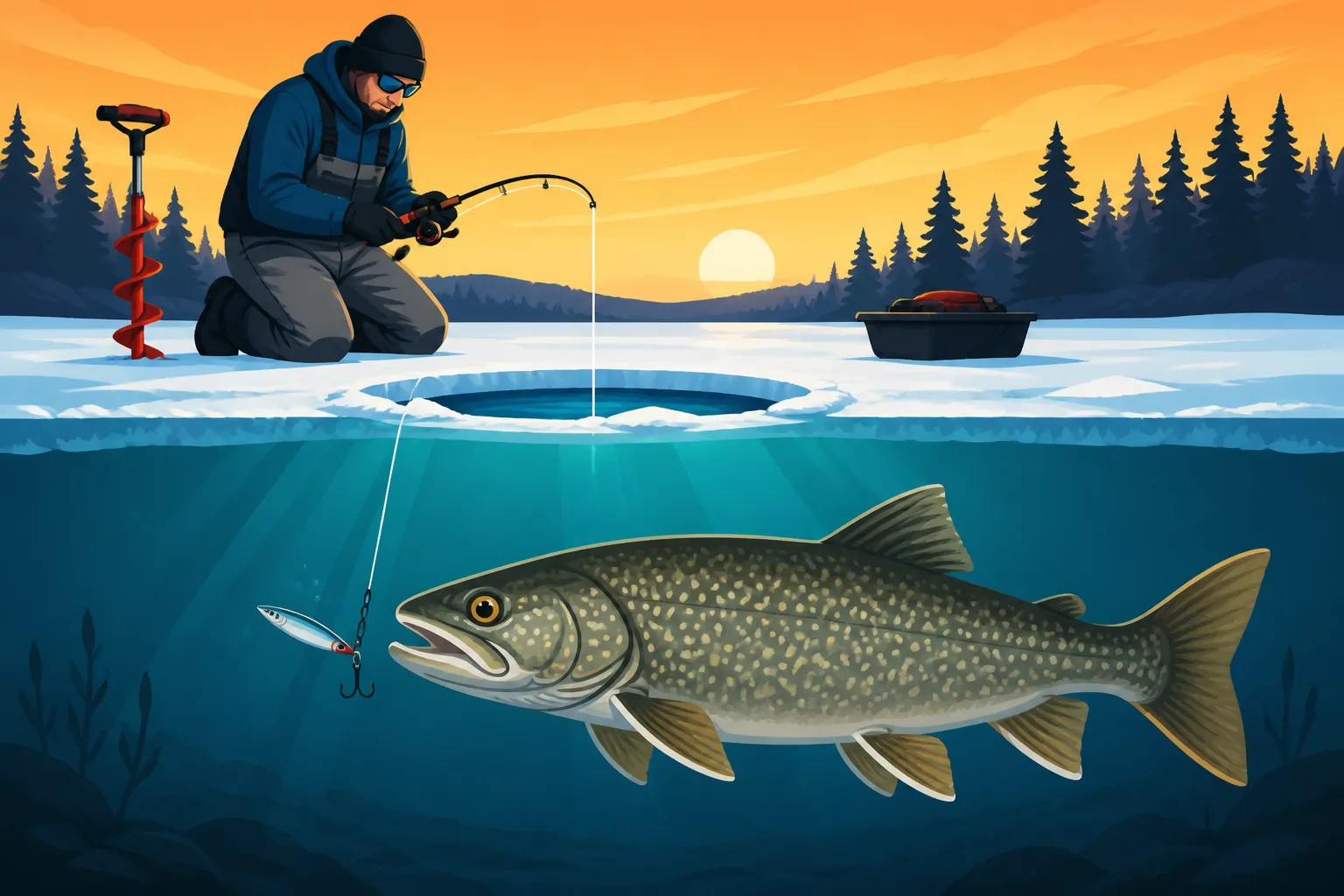
There’s a special kind of thrill that comes with chasing lake trout through the ice in Minnesota. These powerful, deep-water predators are some of the most sought-after game fish in the state, but they can be incredibly elusive if you don't know where to look or how to approach them. Many anglers get frustrated drilling countless holes over deep basins with no success. This guide is dedicated to equipping you with the knowledge and tactics you need to effectively target and catch these magnificent fish on your next ice fishing adventure.
Understanding Minnesota Lake Trout Ice Fishing Hotspots
Lake trout aren't like your typical panfish or even walleye; they demand specific habitat and conditions, especially when the ice covers the lakes. Finding them is half the battle, and it usually means going deep and understanding the unique characteristics of the lakes they inhabit. These fish thrive in cold, oxygen-rich waters, often associating with deep structure or roaming open basins in pursuit of their favorite forage.
Identifying Prime Lake Trout Lakes
Not just any lake will hold lake trout. You're looking for deep, clear, oligotrophic lakes – that's a fancy way of saying cold, oxygenated, and nutrient-poor, which is exactly what lakers prefer. These lakes typically have depths exceeding 50 feet, often much more, and maintain stable cold water temperatures throughout the winter. They're also usually characterized by excellent water clarity, which is why your approach needs to be stealthy.
In Minnesota, the premier destinations for lake trout through the ice are predominantly found in the northeastern part of the state. Think about the iconic Lake Superior, with its vast, deep waters and diverse structure. While challenging due to its sheer size, it holds some truly massive lake trout. Inland, places like Lake Vermilion stand out as fantastic lake trout fisheries, offering a mix of size and numbers. Beyond that, many of the remote, pristine lakes scattered throughout the Boundary Waters Canoe Area Wilderness (BWCA) are absolute gems, though they require a bit more effort to reach. These wilderness lakes often have less fishing pressure and can reward dedicated anglers with incredible action and trophy-sized fish. Exploring maps and doing your research on these deep, cold-water lakes is your first critical step.
Locating Deep-Water Structure and Forage
Once you've picked your lake, it's time to zero in on where the trout might be hiding. During the winter, lake trout will often patrol deep humps, reefs, points that extend into deep water, and especially abrupt depth changes like underwater cliffs or drop-offs. These areas provide ambush points and easy access to different depths as they chase baitfish. Their primary forage often includes ciscoes (tullibees), smelt, and sometimes even smaller whitefish or perch, all of which tend to suspend in the water column or relate to deeper structure.
Electronics are absolutely non-negotiable for finding these fish. A good flasher or a modern fish finder with a GPS mapping system will show you the depth contours, marking those critical breaklines and humps. Look for areas where these features intersect with deep water, typically 40 to 100 feet or even deeper. Lake trout will often suspend anywhere from just under the ice down to the bottom, depending on the day and the bait they're chasing. Don't be afraid to drill holes across a wide range of depths and over different types of deep structure. Observing baitfish schools on your electronics is a huge clue; if you see bait, the trout are likely not far behind.
Essential Gear for Icing Lake Trout in Minnesota
Catching lake trout through the ice isn't a job for ultralight gear. These fish are powerful, and they live in deep water, demanding a specialized setup to effectively fight them and get them up through the hole. Investing in the right tools will make a world of difference in your success rate and overall enjoyment.
Rods, Reels, and Line Strength
When it comes to rods, you'll want something stout. A medium-heavy to heavy power ice rod, typically 30 to 48 inches long, is ideal. The longer rods give you more leverage and cushion against those powerful runs, especially helpful if you're standing over a single hole. Look for rods with a sensitive tip to detect subtle bites but a strong backbone to set the hook and handle the fight. Popular options from brands like St. Croix or Fenwick offer the right balance of sensitivity and power.
For reels, a robust spinning reel in the 2500-4000 series is a solid choice. It needs a smooth drag system and enough line capacity for deep-water battles. Match your reel to your rod, ensuring it feels balanced in your hand. Spool up with 10-20 lb braided line as your main line. Braid offers incredible sensitivity and no stretch, which is crucial when fishing deep. To this, tie on a 10-20 lb fluorocarbon leader, about 3-6 feet long. Fluorocarbon is nearly invisible underwater, which can be critical in clear lake trout lakes, and its abrasion resistance is a huge plus against sharp ice edges or the trout's rough mouth. You can find quality braided line and fluorocarbon leader material on sites like Amazon.
Lures, Baits, and Electronics
This is where things get interesting. Lake trout are aggressive predators, and they respond well to a variety of presentations.
- Heavy Jigging Lures: These are your bread and butter. Think about spoons like the Northland Buck-Shot Rattle Spoon, Luhr-Jensen Krokodile, or larger Swedish Pimples. Sizes from 1/2 oz to 1 oz are common. Heavy jigging Rapalas or Chubby Darters in sizes 7-9 can also be deadly. The weight helps them get down quickly and allows for aggressive jigging.
- Tube Jigs: A white tube jig, often tipped with a piece of cut bait or a minnow head, is a classic. The subtle action of the tube can entice hesitant trout.
- Sucker Minnows: For a more natural presentation, especially on a deadstick or tip-up, large live sucker minnows (4-8 inches) are incredibly effective. Hook them through the back near the dorsal fin. If live bait isn't allowed or available, large deadbait can also work.
Your electronics are your eyes underwater. A high-quality flasher or a modern 2D sonar/chartplotter combo is essential. Brands like Vexilar, Humminbird, and Garmin offer excellent options. A good fish finder will not only show you your lure's depth and any fish below but also reveal baitfish schools and bottom contours. When you're dropping a spoon into 80 feet of water, seeing your lure and watching fish react to it is invaluable. I highly recommend learning How to Read a Flasher (Vexilar/Humminbird) before your trip. Being able to mark fish, see how they respond to your jigging cadence, and adjust accordingly is a game-changer. Many serious lake trout anglers wouldn't even consider heading out without their trusty depth finder.
| Lure Type | Best Application | Typical Size | Retrieve Style |
|---|---|---|---|
| Heavy Jigging Spoons | Aggressive fish, deep water, searching | 1/2 oz – 1 oz | Lift-fall, rip-jig, fluttering |
| Jigging Raps/Darters | Active fish, vertical presentation, mimicking bait | Size 7-9 | Snap-jig, glide, short lifts |
| Tube Jigs | Finicky fish, subtle presentation, deeper areas | 3-5 inches | Slow jig, quiver, deadstick with bait |
| Live Sucker Minnow | Deadsticking, tip-ups, lethargic fish | 4-8 inches | Stationary, occasional small twitch |
Ice Augers and Shelter Needs
Given the deep ice conditions often found on prime lake trout lakes, a reliable and powerful ice auger is a must. You'll likely be drilling a lot of holes, some through ice that can be 2-3 feet thick or more. An 8-inch hole is typically sufficient, but a 10-inch hole provides a bit more margin for error with larger fish. Many anglers opt for electric augers like the StrikeMaster Lithium 40V or ION models for their power, quiet operation, and lack of fumes, especially when fishing inside a portable shelter. Gas augers are also popular, particularly for their consistent power in extreme cold. If you're considering a new auger, check out our guide on Best Ice Augers for Minnesota: Electric vs Gas.
While not strictly necessary, an ice fishing shelter can make your day significantly more comfortable, especially on large, exposed lakes where the wind can be brutal. A portable flip-over or hub-style shelter from brands like Clam or Otter provides warmth, breaks the wind, and helps you see your electronics screen better. Plus, it allows you to move freely around your hole without freezing your hands off. For serious ice anglers, a good shelter is part of the core gear, enabling longer and more productive days on the ice. Remember, when you're out there, you'll also need to be aware of the Minnesota Ice Fishing & Shelter Rules, especially regarding removal deadlines.
Proven Techniques for Catching Lake Trout Through the Ice
Once you've found the spot and set up your gear, it's time to talk tactics. Lake trout fishing through the ice is often an active pursuit, requiring dedication and adaptability. These fish respond to movement, and triggering a strike often means playing a game of cat and mouse with them on your electronics.
Aggressive Vertical Jigging
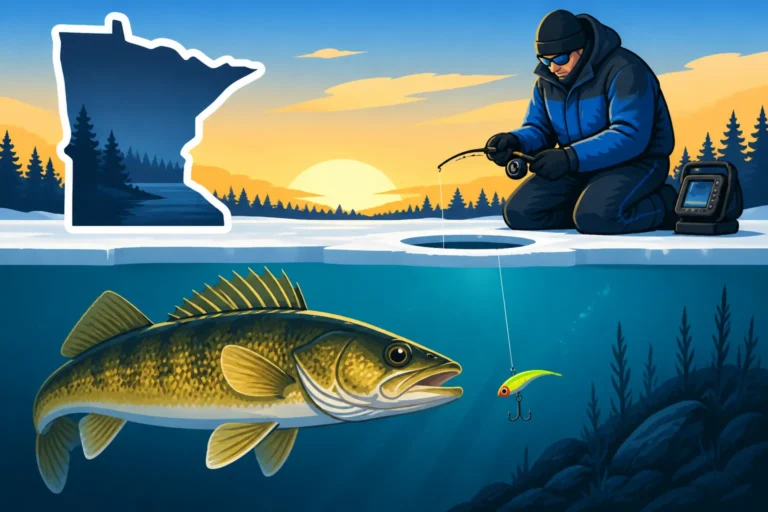
This is arguably the most popular and effective method for lake trout. Once you've drilled your holes over a promising piece of structure or suspended bait, drop your heavy jigging spoon or jigging Rapala down to the desired depth. Start by experimenting with depths – sometimes they're right on the bottom, other times they're suspended 20-30 feet down, following baitfish.
The key to aggressive jigging is to create a lot of commotion. Use strong, sharp rips of the rod, pulling the lure up several feet, then letting it flutter back down on a semi-slack line. The goal is to imitate a struggling baitfish. After a few aggressive rips, let the lure pause for several seconds. Often, the strike will come on the fall or during that pause. Watch your flasher religiously. If you see a fish rise up to your lure, try to keep it interested by jigging slightly higher or changing your cadence. Sometimes, a subtle quiver is all it takes to trigger a strike once they're near. Don't be afraid to experiment with different lure colors and sizes, as trout can be finicky from day to day.
Deadsticking and Tip-Ups
While aggressive jigging is active, sometimes a more passive approach is equally, if not more, effective. Deadsticking involves simply setting a rod in a rod holder (or even just resting it carefully) with a baited hook, typically a large live sucker minnow, suspended at a specific depth. This stationary bait often entices less active lake trout who might shy away from rapidly moving lures. It’s a great way to cover a second hole if allowed by local regulations.
Tip-ups are another excellent option, especially if you're targeting multiple areas or just want to relax a bit while still covering ground. Set your tip-up with a large live minnow, such as a sucker, or even a piece of cut bait. Spread your tip-ups out to cover different depths or areas of the structure. The beauty of a tip-up is that it flags when a fish bites, giving you a visual cue to reel in your catch. Just make sure your lines are weighted correctly to keep your bait at the desired depth, and don't forget to check our guide on How Many Lines Can You Use Ice Fishing in Minnesota? to ensure you're fishing within legal limits. Always check the specific regulations for the body of water you're fishing, as some lakes have special restrictions.
Incorporating Scent and Bait for Added Attraction
Even with the most aggressive jigging, sometimes a little extra enticement is needed. Tipping your jigging spoons or tube jigs with a minnow head, a small piece of cut bait (like smelt or sucker belly), or even commercial scent sprays can significantly increase your strike rate. The natural scent and taste can make a difference, especially on slower days or when the fish are hesitant.
For deadsticking and tip-ups, live bait is almost always king. Large live sucker minnows are incredibly effective for lake trout. Their natural movement and scent draw in fish from a distance. Ensure your minnows are lively and healthy, as this will maximize their appeal. Hook them lightly through the back to keep them active. Consider using a small quick-strike rig with two treble hooks if permitted, to ensure a good hook set with these larger baits. You can often find fresh bait at local bait shops near prime lake trout lakes, like those around Lake Vermilion or near Grand Marais if fishing Lake Superior.
Reading the Conditions and Adapting Your Strategy
Lake trout, like all fish, are influenced by environmental factors. Being able to read the conditions and adjust your approach accordingly is what separates consistently successful anglers from those who just get lucky. It’s not just about what you do, but when and how you do it.
Optimal Time of Day and Weather Considerations
While lake trout can be caught at any time, certain periods often prove more productive. Early morning and late afternoon/dusk are prime feeding windows. During these low-light conditions, lake trout are often more active and willing to move into shallower parts of the deep water, making them more accessible. Mid-day can be slower, but don't count it out entirely, especially if you're focusing on deep structure or suspended fish that might be feeding throughout the day.
Weather plays a significant role. Stable weather patterns with consistent barometric pressure often lead to better fishing. Major frontal changes, whether a big storm rolling in or a high-pressure system settling in right after a storm, can make fishing tough. Overcast days can be particularly good, as the reduced light penetration encourages trout to be more active at various depths. High winds can be challenging to fish in, but a portable shelter provides much-needed relief and allows you to stay out longer. Always dress in layers and be prepared for rapidly changing Minnesota winter conditions.
Understanding Lake Trout Behavior and Reactions
Lake trout are primarily sight feeders in clear water, and their behavior can vary widely. Sometimes they're incredibly aggressive, rocketing up from the depths to smash a spoon. Other times, they're more passive, slowly rising to inspect a lure before gently mouthing it. This is why watching your electronics is so important.
If you see a fish rise quickly and aggressively, it's likely an active feeder, and continued aggressive jigging might be the ticket. If a fish rises slowly, hovers below your lure, and then retreats, it's a "looker" – you need to change your presentation. This might mean:
- Slowing down your retrieve: Less aggressive jigging, longer pauses, subtle quivers.
- Changing lure size or color: Downsizing to a smaller spoon or switching from a bright color to a more natural one.
- Adding scent or bait: A minnow head might be the missing piece.
- Switching to a deadstick: Presenting a stationary live bait might be what they want.
You might even need to "chase" the fish. If they're moving, be prepared to lift your lure up or drop it down to stay in their strike zone. Sometimes, a high-speed retrieve for 10-20 feet, followed by a sudden stop, can trigger a chasing fish. Being observant and willing to adapt is crucial to consistent success when How to Catch Lake Trout Through the Ice in Minnesota.
Safety First on the Ice
Finally, and perhaps most importantly, never compromise on ice safety. Lake trout lakes are often large and deep, which can mean inconsistent ice conditions, especially near currents or springs. Always check local ice reports, fish with a buddy, and carry essential safety gear like ice picks, a spud bar, and a throwable rope. Dress appropriately for extreme cold, including a float suit if possible. Know the signs of safe ice, and never take unnecessary risks. A successful lake trout trip is a safe one. For more general guidelines on staying safe, review the Minnesota Ice Fishing & Shelter Rules.
Disclaimer
The information provided in this guide is for general informational purposes only and is based on typical fishing conditions and regulations. Fishing regulations, season dates, and limits can change frequently. Always consult the official Minnesota Department of Natural Resources (DNR) regulations and local advisories before heading out on the ice to ensure compliance with all current rules. Fish safely and responsibly.