How to Catch Perch in the Winter
There’s nothing quite like the deep chill of a Minnesota winter, and for many anglers, that means packing away the open-water gear and succumbing to cabin fever. But if you’re overlooking the fantastic opportunities that lie beneath the ice for yellow perch, you’re truly missing out on some of the most consistent, action-packed winter fishing available. This guide is all about equipping you with the knowledge and techniques to turn those chilly days into memorable perch-catching adventures.
Why Perch are the Ultimate Winter Quarry in Minnesota
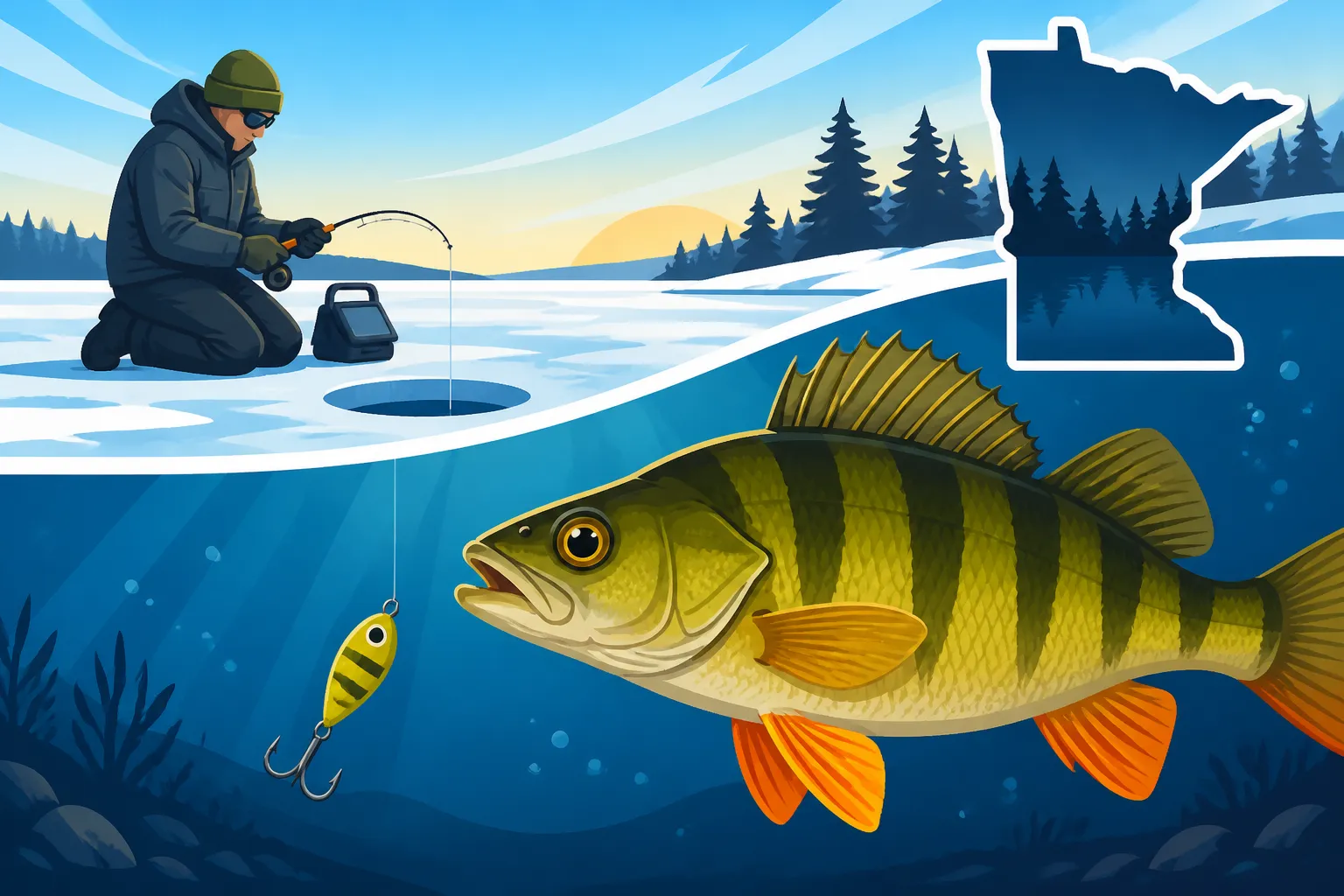
When the lakes freeze over, many fish species slow down, becoming lethargic and less willing to bite. Not so with the humble yellow perch! These feisty panfish remain incredibly active throughout the winter months, making them a prime target for ice anglers seeking consistent action and, let's be honest, some delicious fillets. Their schooling nature means if you find one, you've likely found a whole pile.
Understanding Winter Perch Behavior
Perch behavior shifts somewhat when the ice caps their watery world, but they remain quite predictable, which is great news for us. Unlike some other species that might hunker down in deep basins, perch often utilize a wider range of depths and structures throughout the winter.
Early ice, right after the freeze-up, often sees perch still hanging around weed edges and shallower flats where they were feeding in the late fall. As winter progresses and oxygen levels change, they might move to deeper humps, points, and even basin areas, especially those with soft bottoms and access to insect larvae. They’re constantly on the hunt for small invertebrates, minnows, and insect larvae, making them opportunistic feeders. They love structure, whether it’s a deep weed line, a rocky reef, or even a subtle break in the bottom contour. They’re also highly visual predators, which is why flashy jigs and active presentations can be so effective. Keeping an eye on what's biting in various parts of the lake can often point you toward a good perch bite, especially if you're targeting Yellow Perch: Where to Find Jumbo Perch.
The Social Nature of Perch Schools
One of the most exciting aspects of perch fishing is their schooling behavior. When you locate a school, the action can be fast and furious. This is where modern electronics like flashers or even forward-facing sonar come into play, allowing you to see individual fish or even entire schools on your screen. You might be dropping your jig down, watching it on the screen, and suddenly a swarm of red marks (fish) rises to meet it. It's an exhilarating experience that keeps you engaged.
However, schools can be transient. A hot bite might last for minutes before the school moves on. This is where being mobile and employing techniques like hole hopping becomes crucial. Don't be afraid to drill a dozen holes, check them with your flasher, and move until you find those active fish. That little bit of extra effort often pays off big time in the form of a full bucket of perch.
Essential Gear for a Successful Perch Expedition
While you don't need the most expensive equipment to catch perch, having the right tools for the job can dramatically increase your success and enjoyment. Thinking about the gear beforehand means less frustration on the ice and more fish in your pail.
Rods, Reels, and Line Choices
For perch, you'll want a sensitive yet strong setup. A light to medium-light action ice rod, usually 24 to 30 inches long, is perfect. The sensitivity allows you to feel those subtle perch bites, which can sometimes be just a slight tick on the line. Paired with a small spinning reel in the 500 to 1000 size range, you'll have a balanced and comfortable setup.
When it comes to line, a good quality monofilament or fluorocarbon in 2-4 pound test is ideal. Monofilament offers a bit more stretch, which can be forgiving on light bites, while fluorocarbon is nearly invisible in the water and offers less stretch for better sensitivity. Many anglers opt for a main line of thin braid (like 4-6 lb test) with a short fluorocarbon leader (2-4 lb test) for the best of both worlds – sensitivity and stealth. You can often find great deals on these rod and reel combos, or even individual components, on platforms like Amazon. Selecting the right line is often discussed in guides like Best Line for Ice Fishing (Walleye & Panfish).
Augers, Shelters, and Electronics
These are your creature comforts and fish-finding necessities for winter perch fishing.
- Augers: A reliable ice auger is non-negotiable. Whether you prefer the raw power of a gas auger, the quiet efficiency of an electric auger, or the simplicity of a hand auger, make sure it's sharp and ready. An 8-inch auger is a good all-around choice, big enough for most perch and even a stray walleye, but small enough to be manageable for drilling multiple holes. Electric augers, like those from StrikeMaster or Ion, have become incredibly popular for their ease of use and quiet operation, perfect for moving stealthily from hole to hole. You can explore options in our guide on Best Ice Augers for Minnesota: Electric vs Gas.
- Shelters: While you can certainly catch perch in the open, an ice shelter makes the experience infinitely more comfortable, especially on windy or bitter cold days. A portable flip-over or hub-style shelter provides protection from the elements, allowing you to focus on fishing rather than shivering. Brands like Clam and Otter offer fantastic options that are quick to set up and take down, ideal for chasing those moving perch schools. For a detailed comparison, check out Clam vs Otter Ice Shelters: Which Is Better?.
- Electronics: A good flasher or fish finder is arguably the most critical piece of equipment for consistent winter perch success. Devices like the Vexilar FLX-28 or Humminbird Ice Helix units allow you to see your lure, the fish, and how they react to your presentation in real-time. This feedback loop is invaluable for adjusting your technique and knowing when a fish is about to bite. Without it, you’re essentially fishing blind. Understanding How to Read a Flasher (Vexilar/Humminbird) is a game-changer for ice anglers. You can find many popular models on Amazon.
Mastering the Ice: Top Perch Fishing Tactics
Once you have your gear ready, it's time to talk tactics. Perch are willing biters, but they can also be finicky. Experimentation is key, but these proven methods will give you a solid starting point.
The Art of Jigging for Perch
Jigging is the bread and butter of winter perch fishing. It involves imparting action to your lure to mimic a struggling baitfish or insect.
- Small Jigs and Spoons: Tiny tungsten jigs, often tipped with a couple of wax worms, spikes, or a small piece of minnow, are incredibly effective. Their heavy-for-size nature gets them down to the fish quickly. Colors like glow, chartreuse, orange, and natural patterns tend to work well. Small spoons, like Northland's Forage Minnow or Lindy's Rattl'n Flyer Spoon, also produce fantastic results, especially when tipped with a minnow head. The flash and vibration can call in perch from a distance. For more on these, see Best Tungsten Jigs for Panfish.
- Pulsing and Pausing: The cadence of your jigging motion is critical. Start with a series of short, sharp lifts, followed by a pause. Sometimes a subtle quiver is all it takes. Other times, an aggressive rip-and-fall presentation is what they want. Watch your flasher! If fish are rising to your bait but not committing, try subtle movements. If they're hitting aggressively, keep doing what you're doing. Often, the bite comes on the pause, so be ready.
Deadsticking and Live Bait Presentations
While active jigging is great, sometimes a more subtle, natural presentation is the ticket, especially for less aggressive fish or when the school is moving through slowly.
- The Power of the Deadstick: A "deadstick" refers to a second rod (where legal, Minnesota allows two lines in winter) set up with a simple hook and live bait, held perfectly still in the water column. Often, this is just a plain hook or small jig head with a lively minnow (like a fathead or shiner), suspended a foot or two off the bottom or at the depth where you’re seeing fish. While you're actively jigging another hole, the deadstick acts as a passive trap. It's amazing how many times a wary perch will ignore your flashy jig but readily inhale a motionless live minnow. This is a fantastic way to increase your catch rate, giving you a chance at a fish even when you're busy working another line.
- Minnows, Worms, and Plastics: Live bait is a perch magnet. Fathead minnows, shiners, wax worms, and spikes (maggots) are all excellent choices. Tip your jigs with them, or use them on plain hooks. Small soft plastics, mimicking minnows or insects, can also be deadly, especially when fish are pressured or you want to avoid bait stealers. Experimentation is key – some days it's all about the minnows, other days they prefer a tiny plastic jig.
Hole Hopping and Mobility
Perch are nomadic, especially in larger Minnesota lakes. They move in schools, grazing through areas for food. If you're not getting bites after 10-15 minutes, it's time to move.
- Drill, Scan, Fish: The most effective approach is to drill a grid of holes or fan out across a promising area. Use your flasher to quickly scan each hole for signs of fish. If you see activity, drop your line. If not, move to the next hole. This aggressive approach is called "hole hopping" and is crucial for staying on top of moving schools. It can be hard work, especially with a hand auger, but electric augers have made this much easier. Remember to stay safe and be mindful of ice conditions when moving around! Our guide Ice Fishing in Minnesota: Complete Beginner-to-Pro Guide offers more on ice safety.
- Targeting Key Structures: Focus your hole hopping efforts on areas known to hold perch. This includes subtle depth breaks, the edges of weed beds (even dormant ones), rocky reefs, sand flats adjacent to deeper water, and humps. On massive lakes like Lake of the Woods or Leech Lake, finding these structures can be a challenge, but good maps and GPS units can pinpoint them. Even on smaller local lakes in the Twin Cities Metro, like Lake Minnetonka, knowing the bottom contours can make all the difference.
| Bait Type | Description | Best Use | Jigging Style |
|---|---|---|---|
| Tungsten Jigs | Small, heavy jigs for their size, often teardrop or fly-like shapes. | Tipped with wax worms/spikes, subtle presentation for finicky fish. | Small quivers, deadsticking, slow lifts. |
| Small Spoons | Flashy metal lures, often with a treble hook. | Tipped with minnow head, attracting fish from a distance. | Aggressive rips, short hops, controlled falls. |
| Fathead Minnows | Live minnows, typically 1-3 inches. | On plain hooks (deadstick) or tipped on jigs/spoons for scent. | Minimal movement on deadstick, slow jigging with scent. |
| Wax Worms/Spikes | Larvae, great natural bait. | Tipped on small jigs, irresistible to panfish. | Very subtle jigging, quiver, or still. |
| Soft Plastics | Small, artificial baits mimicking minnows, larvae, or insects. | When fish are aggressive or to avoid bait stealing. | Various, from subtle twitches to aggressive snaps. |
Finding Perch Hotspots on Minnesota's Frozen Lakes
Minnesota is blessed with thousands of lakes, and many of them offer fantastic winter perch fishing. Knowing where to start looking can be half the battle.
Interpreting Lake Maps and Sonar
Before you even step on the ice, take some time to study a good lake map. Look for key features that attract perch in winter.
- Structure is Key: Focus on areas with distinct changes in depth – humps, points, submerged islands, and channels. Perch often relate to these features as they provide ambush points and cover. Pay particular attention to the "break lines," where the bottom drops from shallow to deep. A good contour map from Navionics or LakeMaster can highlight these spots. Even subtle weed beds, especially those with green growth under the ice, can hold perch.
- Soft Bottoms and Basin Edges: While perch aren't exclusively basin dwellers, they often feed on insect larvae and crustaceans found in soft-bottomed areas. Look for the edges of deep basins, especially where they transition to a harder bottom. Don't be afraid to try different depths along these transitions, from 10 feet all the way down to 30 or 40 feet. Your Best Fish Finder Under $500 will show you exactly what's beneath.
- Historical Hotspots: If a lake is known for perch, ask local bait shops or consult online fishing reports. Many lakes, like Lake Winnibigoshish or Upper Red Lake, are renowned for their jumbo perch populations, and guides often share general areas where fish are found. These larger lakes are often covered in our dedicated guides, such as Lake Winnibigoshish (Winnie) Fishing Guide.
The Role of Current Conditions and Time of Day
Perch bite activity can vary significantly depending on the weather and time of day.
- Weather and Pressure: Stable weather patterns with consistent barometric pressure often lead to better fishing. Cold fronts can shut down the bite temporarily, making fish lethargic. Overcast days with light snow can sometimes be fantastic, as the reduced light penetration might make perch feel more comfortable feeding shallower.
- First and Last Light: Like many fish, perch are often most active during low-light conditions. The first hour after sunrise and the last hour before sunset are frequently prime times. However, perch can bite all day long, especially if you're on an active school or during a prolonged weather window. It’s always worth fishing through midday, as sometimes the schools are just waiting for that perfect moment to turn on.
- Oxygen Levels: As winter progresses, especially towards late ice, oxygen levels can drop in certain parts of a lake. Perch will move to areas with higher oxygen, often shallower or near inflows. This is less of a concern on large, well-oxygenated lakes but can be a factor on smaller, shallower bodies of water. Knowing the Minnesota Fishing Seasons & Opener Dates (2026) can also help you anticipate these seasonal shifts.
Getting out on the ice for perch can be one of the most rewarding winter fishing experiences Minnesota has to offer. With the right gear, a willingness to move, and a bit of patience, you'll be enjoying the thrill of bending rods and bringing home a tasty meal.
Disclaimer
Fishing regulations can change frequently. Always consult the most current Minnesota Department of Natural Resources (DNR) fishing regulations handbook before heading out on the ice. This guide is for informational purposes only and does not supersede official regulations.