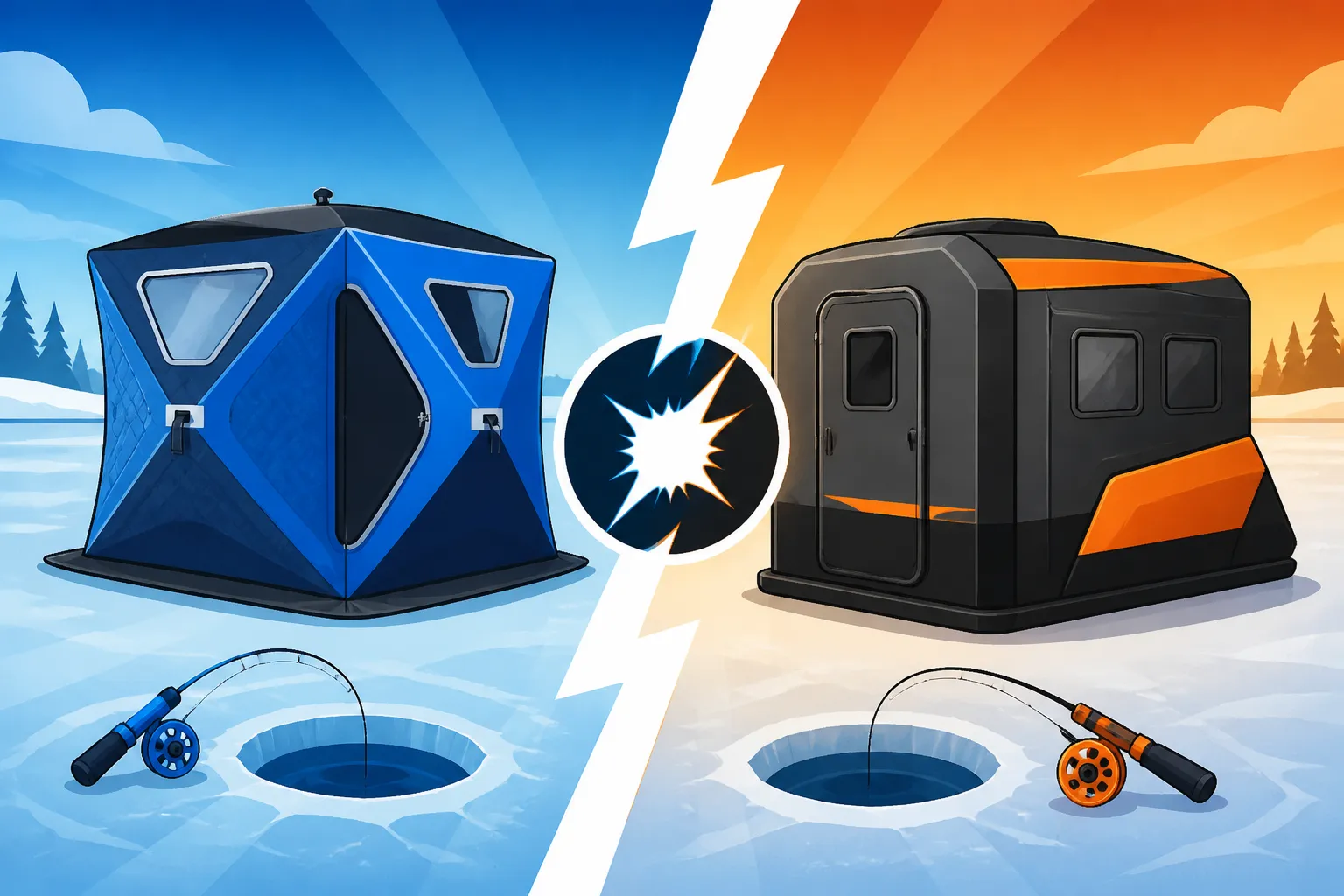
Clam vs Otter Ice Shelters: Which Is Better?
Standing on a frozen Minnesota lake, staring at a wall of ice, the chill seeping into your boots – you know the feeling. The wind whips, snow might be starting to fall, and all you can think about is getting into a warm, comfortable haven to focus on those crappies or walleyes. Choosing the right ice shelter is more than just picking a brand; it's about investing in your comfort, your safety, and ultimately, your success on the ice. This guide dives deep into the two titans of the ice fishing world, Clam and Otter, offering a thorough comparison to help you find your perfect shield against the Minnesota winter.
Understanding Your Ice Fishing Shelter Needs
Before we even start talking about specific brands, let's get real about what you need from an ice shelter. It's not a one-size-fits-all situation, and what works for a seasoned veteran chasing elusive lake trout might be overkill or totally inadequate for a family outing targeting panfish. Taking a moment to assess your typical ice fishing adventures will pay dividends in finding the right fit.
Your Fishing Style: Run-and-Gun vs. Stationary
Are you the kind of angler who drills 20 holes in an hour, constantly moving to stay on top of active fish? Or do you prefer to set up camp, perhaps with a portable heater, a good book, and a thermos of coffee, waiting patiently for the bite? Your approach dictates the type of shelter you need.
For the run-and-gun angler, portability, quick setup, and lightweight design are paramount. You're not looking for a mini-lodge; you need something you can pull easily from spot to spot, often by hand or with a small ATV, and deploy in under a minute. Think flip-over style shelters, where the sled is integrated and the fabric tent flips over with minimal effort. Every ounce and every second counts when you're hopping holes, especially when chasing aggressive yellow perch or scouting new walleye breaks. The last thing you want is a cumbersome shelter that drains your energy before you even get a line wet. The speed of deployment allows you to react to fish movements, maximizing your time with bait in the water rather than struggling with canvas and poles.
On the flip side, if you're a stationary angler, perhaps spending long days or even overnight trips on a big lake like Mille Lacs or Lake of the Woods, then comfort, space, and insulation become your top priorities. You might be bringing along a portable grill, a couple of buddies, and a whole arsenal of rods. In this scenario, a larger hub-style shelter or a heavy-duty, insulated flip-over with ample floor space and height is often preferred. These shelters might take a bit longer to set up initially, but they offer superior protection from the elements, more room to stretch out, and often better options for heating. The trade-off in portability is well worth it for the extended comfort and ability to settle in for the long haul.
Group Size and Comfort Preferences
Who are you usually fishing with? Are you a solo angler who relishes the quiet solitude of the ice? Or do you typically bring your kids, a spouse, or a couple of fishing buddies along? The number of people you expect to shelter comfortably will directly influence the size of the shelter you need.
A solo angler might opt for a compact one-person flip-over that's easy to pull and move, perfect for a spontaneous afternoon trip. These smaller units are surprisingly spacious for one person and can be heated efficiently with a small portable propane heater. For a duo, a two-person flip-over is a common choice, offering enough room for two holes, a heater, and some basic gear without feeling cramped. However, if you and a buddy both like to spread out, or you’re bringing a lot of electronics like a Garmin LiveScope or an extra battery, even a two-person model might feel tight after a few hours.
When fishing with a family or a larger group, especially for events like the annual free fishing weekends in Minnesota, a larger hub-style shelter becomes incredibly appealing. These pop-up shelters offer expansive interior space, often accommodating 4-8 people, multiple holes, and plenty of room for chairs, a table, and gear. The vertical walls of hub shelters provide more usable space compared to the sloped sides of some flip-overs, making it easier to stand up and move around. However, remember that hub shelters require more effort to pack up and set up, and they don't have an integrated sled for moving gear, meaning you'll need a separate sled or portable cart. Comfort isn't just about space, it's also about ceiling height, visibility, and how easy it is to manage your gear without tripping over everything.
Budgeting for Your Investment
Let's be honest, ice fishing can be an expensive hobby, and an ice shelter is often one of the bigger ticket items. Shelters can range from a couple of hundred dollars for a basic, uninsulated hub or a small, single-person flip-over, to well over a thousand dollars for a premium, fully insulated model packed with features.
Consider your budget realistically. While it's tempting to go for the cheapest option, remember that an ice shelter is designed to protect you from harsh conditions. Skimping too much might lead to a cold, uncomfortable experience that deters you from going out as often. Think about how many seasons you expect to get out of the shelter. A more expensive, well-built shelter from a reputable brand like Clam or Otter often translates to better durability, superior insulation, and a longer lifespan, making it a better long-term investment.
Don't forget to factor in accessories too. A good portable heater, an auger (whether a StrikeMaster Lithium 40V Auger or a gas model), comfortable chairs, and even proper attire like those insulated "Best Ice Fishing Suits & Bibs (Float Suits)" all add to the total cost. Sometimes, splitting the cost of a larger, higher-end shelter with a regular fishing buddy can make a premium model more accessible. Check out retailers like Bass Pro Shops or Amazon during off-season sales; you might just snag a fantastic deal that makes a top-tier shelter fit within your budget.
The Legacy of Clam Ice Shelters
Clam Corporation, based right here in Minnesota, has been a household name in ice fishing for decades. They practically invented the modern flip-over shelter, revolutionizing how anglers approach the ice. Their commitment to innovation and understanding the specific needs of ice anglers has solidified their position as a leader in the industry.
Key Features and Innovations
Clam has consistently pushed the envelope with its shelter designs. One of their most significant innovations was the original flip-over style, a design that integrates a durable plastic sled with a fabric tent that "flips" over to create an instant shelter. This design made setups and tear-downs incredibly fast, perfect for the mobile angler. Over the years, they've refined this concept, adding features like their RPS (Rapid Pole Slide) system for even quicker deployment and stronger poles for increased stability in windy conditions.
Another hallmark of Clam shelters is their use of thermal fabrics. Many of their higher-end models feature full thermal skins, often 900-denier fabric, which traps heat much more efficiently than single-layer canvas, significantly reducing propane consumption and keeping anglers warmer on bitter cold days. Clam also pays close attention to smaller details that enhance the user experience, such as overhead mesh storage, strategically placed windows for light and visibility, and access doors that are easy to use even with gloved hands. Their commitment to angler comfort and efficiency is evident in everything from rod holders built into the sled to innovative seating options that swivel or adjust.
Popular Clam Models and Their Niche
Clam offers a diverse lineup of shelters, ensuring there's something for every type of angler.
The Clam Guide Gear 2000 series, for instance, represents their more entry-level, yet still highly functional, flip-over shelters. These are often chosen by beginners or those on a tighter budget looking for reliable protection from the elements. They might not have all the bells and whistles of premium models, but they get the job done for a solo or two-person outing.
For the serious mobile angler, the Clam Kenai Pro Thermal or the Ice Team Edition Legend Thermal are absolute workhorses. The Kenai Pro Thermal is a popular single-person flip-over, known for its portability and impressive thermal insulation. It's incredibly light and easy to pull, making it ideal for the run-and-gun solo angler. The Legend Thermal, a two-person model, steps up the game with more space, premium seating, and robust thermal fabric, perfect for two anglers who want comfort without sacrificing mobility. These models are often favored by tournament anglers or those who frequently fish large bodies of water where mobility is key.
Clam also excels in the hub shelter market with models like the Clam X-Series Hubs, such as the X-400 Thermal or the larger X-800 Thermal. These pop-up shelters are beloved by groups and families due to their massive interior space and vertical walls, which maximize headroom. The thermal versions are fantastic for keeping a whole crew warm and comfortable during long sessions. If you're looking to bring a group out for a full day of fishing, these larger hub shelters offer the square footage needed for multiple holes, gear, and even a table for lunch. They are also a great option if you need extra room for electronics like a fish finder or even a small cooking setup.
Pros and Cons of Clam Shelters
Every brand has its strengths and weaknesses, and Clam is no exception.
Pros of Clam Shelters:
- Innovation: Clam pioneered many of the modern ice shelter designs, especially the flip-over style, and continues to innovate with features like thermal fabrics and rapid pole systems.
- Wide Range of Models: From compact one-person flip-overs to massive hub shelters, Clam offers a shelter for nearly every budget and fishing style. This makes it easier for anglers to find a precise fit for their needs, whether they are targeting walleye through the ice or setting up for a full day of panfish.
- Thermal Technology: Their commitment to thermal insulation in many models means better heat retention and reduced propane usage, a significant advantage in sub-zero Minnesota winters.
- Availability: Clam products are widely available at major sporting goods stores like Bass Pro Shops, Cabela's, and local bait shops across Minnesota, as well as online retailers like Amazon, making them easy to find and purchase.
- Seating Options: Many Clam flip-overs come with comfortable, adjustable swivel seats that enhance the fishing experience, especially during long periods on the ice.
Cons of Clam Shelters:
- Sled Durability (historically): While improved, some older models and lower-end sleds have faced criticism for cracking in extreme cold or under heavy loads. This is a common concern for any plastic sled, but it's something to be mindful of.
- Weight (for larger models): While their smaller flip-overs are very portable, the larger thermal flip-overs can become quite heavy when loaded with gear, making them harder to pull by hand, especially through deep snow.
- Frame Stability (some hub models): In extremely high winds, some hub shelters can be susceptible to flexing or even collapsing if not properly anchored, though this is a common challenge for most pop-up designs.
- Cost: Premium thermal models, especially the larger ones, can be a significant investment, putting them out of reach for some casual anglers.
Diving Deep into Otter Ice Shelters
Otter Outdoors, another Minnesota-based company, has built its reputation on extreme durability and high-quality construction. While they might not have the sheer volume of models as some competitors, what they do, they do exceptionally well. Otter products are often seen as investments by serious ice anglers who demand the toughest gear.
Signature Durability and Construction
If there's one word to describe Otter, it's "tough." Otter shelters are renowned for their heavy-duty construction, particularly their sleds. Made from rotational-molded polyethylene, Otter sleds are designed to withstand incredible abuse in frigid temperatures, resisting cracking and punctures that might plague lesser sleds. This is a huge advantage when you're dragging your gear over rough ice, slush, or through thick snow drifts.
Beyond the sled, Otter focuses on robust materials throughout their shelters. Their frames are often heavier gauge aluminum, providing superior rigidity and stability, crucial when battling fierce winds on wide-open lakes. The fabric used in Otter shelters is also high-quality, often 900-denier thermal material that offers excellent insulation. They prioritize a tight fit and finish, minimizing drafts and maximizing warmth. This commitment to over-engineering means Otter shelters are built to last, providing season after season of reliable performance.
Flagship Otter Models and What Makes Them Stand Out
Otter's lineup, while perhaps less extensive than Clam's, focuses on quality and specific angler needs.
The Otter Xtreme Duty (XHD) Sleds are the foundation of their flip-over shelters and are legendary in the ice fishing community. These sleds are virtually indestructible, designed to haul immense amounts of gear without warping or cracking, even in the coldest conditions. Many anglers use Otter sleds for hauling general gear, even if their shelter isn't an Otter.
Their flip-over shelters, such as the Otter Lodge XT X-Over Cottage or the Cabin XT X-Over Cottage, are prime examples of their dedication to durability and angler comfort. These models feature a unique "cross-over" front entry door that makes it easier to get in and out, even with bulky boots and fishing gear. The Lodge XT X-Over Cottage is a popular two-person choice, offering ample space and robust thermal fabric. The Cabin XT is a bit smaller, often favored by solo anglers who want maximum protection and a solid build without too much bulk. These shelters feature deluxe padded seats that are supremely comfortable for long stints on the ice, a feature many anglers appreciate. Otter's thermal insulation is top-notch, keeping you incredibly warm, even when the thermometer plummets.
Otter also offers a robust line of hub shelters, such as the Otter Vortex Lodge Thermal and Otter Vortex Monster Lodge Thermal. True to their brand, these hubs feature heavy-duty fabrics, strong hub assemblies, and solid anchor points designed to withstand extreme winds. The Monster Lodge, in particular, offers cavernous space, perfect for large groups or those who bring serious comforts to the ice. When you're fishing in exposed areas on big lakes, the confidence in your shelter's ability to stand up to the elements is invaluable, and Otter delivers on that front.
Pros and Cons of Otter Shelters
Otter has earned a loyal following, but it's important to consider both the good and the bad.
Pros of Otter Shelters:
- Unmatched Durability: Otter's rotational-molded sleds are industry-leading in terms of toughness and cold-weather performance. This means less worry about cracks or punctures when traversing rough ice or hauling heavy loads.
- Robust Construction: From heavier gauge frames to high-quality thermal fabrics, Otter shelters are built to withstand severe conditions and provide years of reliable use.
- Superior Insulation: Their thermal fabrics and tight construction lead to excellent heat retention, making them incredibly warm and efficient to heat, even on the coldest Minnesota days.
- Comfortable Seating: Otter's flip-over shelters often come with deluxe, padded seating that offers superior comfort for extended fishing trips.
- Ease of Entry (X-Over): The X-Over door system on many of their flip-overs provides a larger, more convenient entry and exit point, which is a small detail that makes a big difference.
Cons of Otter Shelters:
- Weight: All that robust construction comes with a trade-off: Otter shelters are generally heavier than comparable Clam models, which can make them harder to pull by hand, especially through deep snow.
- Price Point: Otter shelters often come with a higher price tag, reflecting their premium materials and construction. This can be a barrier for some anglers.
- Bulkier: While durable, the heavy-duty sleds can be a bit bulkier to transport and store compared to some other brands, especially if garage space is at a premium.
- Fewer Models: Compared to Clam's extensive lineup, Otter offers a more curated selection of shelters, which might limit choices for those with very specific niche needs.
Head-to-Head Comparison: Clam vs. Otter
Now that we've explored each brand individually, let's put them side-by-side on the most critical factors. This direct comparison will highlight where each brand truly shines and where you might need to make a personal trade-off.
Fabric & Insulation: The Warmth Factor
When it comes to staying warm on the ice, the fabric and insulation of your shelter are paramount. Both Clam and Otter offer excellent thermal options, but there can be subtle differences.
Clam has made significant strides in its thermal offerings, with many of its popular models featuring 900-denier full thermal skins. This multi-layer fabric is designed to trap heat, reduce condensation, and significantly cut down on the amount of propane needed to keep the interior toasty. A well-insulated Clam shelter, paired with a reliable Mr. Heater Big Buddy, can make a 10-degree day feel like 60 inside, allowing you to focus on the fish, not the cold. The quality of stitching and zippers also plays a role here, ensuring drafts are minimized. They offer various levels of thermal protection, from partial thermal roofs to full thermal envelopes.
Otter, on the other hand, is known for its uncompromising commitment to quality, and their thermal fabric is no exception. They typically use heavy-duty, often 900-denier, insulated fabrics that are densely woven and tightly fitted. Anglers frequently praise Otter's ability to retain heat, often noting that their shelters feel incredibly warm, almost like a permanent fish house, even in extreme conditions. This superior insulation also helps prevent condensation buildup, which is a common nuisance in colder shelters, leading to dripping water on your gear or even ice formation on the inside walls. For Minnesota anglers experiencing extreme cold, this insulation can be a game-changer.
| Feature | Clam Thermal Shelters | Otter Thermal Shelters |
|---|---|---|
| Fabric Denier | Commonly 600-900D, often with full thermal skin | Typically 900D, heavy-duty thermal fabric |
| Insulation | Excellent heat retention, reduced condensation | Superior heat retention, minimal condensation |
| Warmth Factor | Very warm, efficient heating | Exceptionally warm, ideal for extreme cold |
| Wind Resistance | Good in most conditions, stronger frames on premium models | Excellent due to heavier fabric and robust frames |
Frame & Sled Design: Stability and Portability
The backbone of any ice shelter lies in its frame and sled. This is where the rubber meets the ice, literally.
Clam's flip-over shelters typically utilize an aluminum frame, often with their Rapid Pole Slide (RPS) system, designed for quick setup and breakdown. The sleds vary in thickness and material depending on the model, with more premium models offering thicker, more durable polyethylene. While Clam has worked to improve sled durability over the years, their sleds are generally lighter than Otter's, which contributes to overall portability. This lighter sled design makes them easier to pull by hand, especially on groomed trails or hard ice. However, in extremely rough conditions or when heavily loaded, they might show more flex than an Otter sled. For hub shelters, Clam's aluminum poles are sturdy but require proper anchoring with ice anchors in windy conditions, as discussed in "Best Ice Fishing Gear for Minnesota (2026 Guide)".
Otter’s frame and sled design are where they really stand apart. Their rotational-molded polyethylene sleds are incredibly thick and robust, practically indestructible under normal ice fishing stresses. These sleds are designed to glide well over snow and ice, even with heavy loads, and resist cracking in frigid temperatures. The frames in Otter flip-overs are also exceptionally sturdy, often made of heavier gauge aluminum, providing superior rigidity and stability in strong winds. This heavy-duty construction means an Otter shelter feels incredibly solid once set up, inspiring confidence even when the wind howls across a vast lake. This commitment to structural integrity, while adding weight, significantly enhances the shelter's longevity and performance in challenging conditions.
Interior Space & Features: Comfort on the Ice
Beyond the basic structure, the interior layout and features can greatly impact your comfort and efficiency while fishing.
Clam shelters are generally well-designed for practical fishing. Their flip-over models, even the smaller ones, typically offer good interior height and width, making it comfortable for anglers to jig, set hooks, and manage gear. Many Clam flip-overs feature adjustable, comfortable swivel seats that can be moved or removed, and some even have built-in tackle trays or rod holders in the sled. Their hub shelters boast impressive vertical walls, maximizing usable floor space and allowing anglers to stand and stretch without feeling cramped. Thoughtful additions like mesh storage pockets, clear windows for visibility (some with covers), and durable zippers are standard. When you're spending hours on the ice, those small comfort features add up.
Otter shelters also prioritize angler comfort, but with an emphasis on deluxe features. Their flip-over seats are often described as exceptionally comfortable, with thick padding and sturdy bases, akin to a premium boat seat. The interior layout is often spacious, with careful consideration for hole placement and gear management. A distinctive feature on many Otter flip-overs is their "cross-over" entry door, which essentially creates a larger, more accessible front opening compared to traditional side doors, a small but significant detail when you're bundled up. Their hub shelters are similarly spacious, with heavy-duty materials and robust hub designs contributing to a secure and comfortable fishing experience. Many Otter models also include useful features like exterior pockets and durable light-colored interior fabrics that brighten the space.
Value and Warranty: Protecting Your Investment
An ice shelter is an investment, and understanding the value proposition and warranty coverage can help inform your decision.
Clam offers shelters across a broad price spectrum, from budget-friendly options to high-end thermal models. This wide range means you can usually find a Clam shelter that fits your specific budget without sacrificing too many essential features. Their products are widely available, which can sometimes lead to competitive pricing, especially from large retailers like Bass Pro Shops or online through Amazon. Clam typically offers a limited warranty on their shelters, usually covering manufacturing defects for a set period, often one to three years. It's always wise to review the specific warranty details for the model you're considering, as coverage can vary.
Otter shelters generally sit at a higher price point than comparable Clam models. This premium reflects their commitment to heavy-duty materials, robust construction, and superior durability. For many serious anglers, the long-term value of an Otter shelter, with its reputation for lasting many seasons, justifies the initial higher cost. They offer an excellent return on investment for anglers who fish frequently and in harsh conditions. Otter also stands behind its products with strong warranties, often covering the sled and frame for a longer period (e.g., 5 years) and the fabric for a shorter term. This strong warranty gives anglers peace of mind that their substantial investment is protected.
Choosing the Right Shelter for Minnesota Conditions
Minnesota weather is famously unpredictable and often extreme during ice fishing season. From mild, sunny days to brutal blizzards with biting winds and sub-zero temperatures, your shelter needs to be up to the task. Selecting the right shelter isn't just about brand preference; it's about practical considerations for our specific climate and terrain.
Considerations for Extreme Cold and Wind
The cold in Minnesota can be relentless, and the wind, especially on large, open bodies of water like Lake of the Woods or Leech Lake, can make even moderate temperatures feel unbearable. This is where the insulation and structural integrity of your shelter truly earn their keep.
For extreme cold, thermal insulation is non-negotiable. Both Clam and Otter offer excellent full-thermal shelters, but Otter often gets the nod for feeling slightly warmer due to its denser fabric and tighter construction, which minimize drafts. If you're planning to target Lake Trout in deep BWCA lakes during the dead of winter, or brave the notorious North Dakota-border blizzards, an Otter thermal shelter would provide maximum protection. The thicker fabrics and robust frames found in both brands' premium thermal offerings significantly reduce propane consumption, meaning fewer trips to refill your tank and more time fishing.
Wind is another major factor. A strong gust can pick up a poorly anchored hub shelter and send it tumbling, or even collapse a less robust flip-over frame. Otter's heavier gauge frames and legendary sled stability give them a slight edge in high-wind conditions, particularly with their flip-over models that sit lower to the ice. For hub shelters, proper anchoring is crucial regardless of the brand. Always use sufficient ice anchors, and consider guy lines for extra stability, especially on windy days. Imagine you’re out on Upper Red Lake, the wind howling off the endless expanse of snow, and knowing your shelter is solid allows you to focus on whether you’re going to catch a trophy walleye.
Maneuvering on Snow and Ice
Getting your shelter from your vehicle to your fishing spot can be half the battle, especially when dealing with deep snow or rough, slushy ice. The sled design and overall weight play huge roles here.
If you're primarily fishing lakes with plowed roads or groomed snowmobile trails, and you're hauling your shelter with a snowmobile or ATV, then weight is less of a concern. In this scenario, the heavy-duty, robust sleds of Otter shelters excel. They glide smoothly behind a machine, are virtually indestructible, and can handle plenty of gear. This allows you to bring along all your "Best Ice Fishing Gear for Minnesota (2026 Guide)" without worrying about the sled failing.
However, if you're often pulling your shelter by hand, perhaps walking out onto smaller lakes or venturing off the beaten path, then the lighter weight of many Clam flip-overs becomes a significant advantage. A Clam Kenai Pro Thermal, for example, is much easier to pull through fresh powder than a fully loaded Otter Lodge XT. For those who frequently fish solo and prefer to walk out, minimizing weight and maximizing portability is key. This is especially true if you’re fishing panfish or exploring new spots where a quick setup and tear-down are essential. The best way to reduce the effort is to keep your shelter light and perhaps use a simple tow rope designed for ergonomic pulling.
Essential Accessories to Enhance Your Experience
No ice shelter is complete without a few key accessories to maximize comfort and functionality. These items are often overlooked but can make a huge difference in your overall experience.
First and foremost, a reliable heater is a must-have for Minnesota ice fishing. Brands like Mr. Heater offer various sizes, from compact Buddy heaters for single-person shelters to larger Big Buddy models for spacious hubs. Proper ventilation is crucial when using any propane heater to prevent carbon monoxide buildup. Another invaluable tool for staying organized and warm is a good set of "Best Ice Fishing Electronics for Beginners" or advanced users, along with an underwater camera. Keeping your electronics off the ice and organized can be a challenge, so consider hanging storage solutions for your Vexilar or Humminbird flasher.
For those long days, comfortable seating is paramount. While many flip-overs come with decent seats, upgrading to a padded, swivel seat can transform your comfort level. For hub shelters, foldable fishing chairs are a popular choice. Lighting is also important, especially for early morning or late evening bites. Battery-powered LED strip lights or puck lights adhere easily to the shelter fabric and provide ample illumination without glare. Finally, don't forget sturdy ice anchors to secure your hub shelter, particularly if you're fishing a windy day or leaving it unattended for a short period. Carrying a small shovel can also be a lifesaver for clearing snow around your hub or setting up a wind break.
Maintenance and Longevity of Your Ice Shelter
You've invested your hard-earned money in a quality ice shelter from Clam or Otter. Now, how do you make sure it lasts for countless seasons of Minnesota ice fishing? Proper care and maintenance are often overlooked but are absolutely crucial for extending the life of your shelter. Think of it like taking care of your boat; a little effort goes a long way.
Proper Care and Storage
One of the biggest mistakes anglers make is packing away a wet or dirty shelter. Moisture is the enemy of fabric, leading to mildew, mold, and eventual degradation of the material. After each outing, especially if the shelter got wet from snowmelt or rain, make sure to dry it out thoroughly before packing it away for extended storage. This might mean setting it up in your garage, basement, or even outside on a sunny, warm day. Unzip all windows and doors to allow for maximum airflow. If it's too cold to air dry completely, a fan can help circulate air.
Cleaning your shelter periodically is also important. Dirt, slush, and fish slime can build up, potentially attracting pests or causing odors. Use a mild soap (like dish soap) and water, along with a soft brush, to gently clean the fabric. Avoid harsh chemicals or detergents, as these can damage the waterproof coating or fabric itself. Pay special attention to zippers; a little silicone spray can keep them running smoothly and prevent corrosion.
When storing for the off-season, find a cool, dry place out of direct sunlight. UV rays can be incredibly damaging to fabric over time, weakening the material and fading colors. Keep the sled free of heavy items that could cause warping or cracking during temperature fluctuations. Some anglers even build simple racks to store their flip-over sleds off the ground. For hub shelters, ensure all poles are properly folded and stored in their bag to prevent bending or breaking.
Common Wear and Tear: Prevention and Repair
Even with the best care, ice shelters are subjected to harsh conditions, and some wear and tear are inevitable. Knowing what to look for and how to address it can save you from having to replace your entire shelter prematurely.
Fabric Tears and Holes: These are common, often caused by sharp auger blades, stray hooks, or brushing against abrasive surfaces. Small tears can often be repaired with a fabric repair kit, which typically includes adhesive patches. For larger tears, a local canvas repair shop can often stitch a more permanent solution. Prevention involves being mindful of sharp objects and careful when setting up or taking down the shelter.
Zipper Issues: Zippers can be finicky. They can get jammed with dirt, freeze up, or even have teeth break. Regular cleaning and lubrication with a silicone-based zipper lubricant can prevent most issues. If a zipper pull breaks, they are usually easy to replace. For more extensive zipper damage, a professional repair might be necessary. It’s a good idea to always carry a small can of zipper spray in your "Best Ice Fishing Gear for Beginners in Minnesota (By Budget)" kit.
Pole Damage (for hub shelters): Hub shelter poles can bend or break, especially if the shelter is not properly anchored in high winds or if excessive force is used during setup/takedown. Many manufacturers offer replacement pole sections, which can be relatively easy to swap out. To prevent this, always ensure your hub shelter is fully extended and securely anchored with ice anchors before leaving it unattended, and be gentle during assembly.
Sled Cracks (for flip-overs): While Otter sleds are known for their exceptional durability, any plastic sled can potentially crack under extreme cold and heavy impact. Small cracks can sometimes be repaired using plastic welding kits or heavy-duty epoxies designed for polyethylene. Prevention is key here: avoid dropping heavy items into the sled, don't overload it, and try to avoid dragging it over extremely rough terrain unnecessarily. If you regularly haul your sled over very rough ice or roads, consider adding a custom cover or heavy-duty runners to the bottom for added protection.
By being proactive with drying, cleaning, and addressing minor issues as they arise, your Clam or Otter ice shelter will serve you faithfully for many winters to come, keeping you warm and comfortable as you enjoy the unique challenge and camaraderie of ice fishing in Minnesota.
Disclaimer
This guide is for informational purposes only and does not constitute professional advice. Always adhere to all local fishing regulations, safety guidelines, and manufacturer instructions for your ice shelter and equipment. Ice conditions can be unpredictable; exercise extreme caution and prioritize safety on the ice.