Lake Winnibigoshish (Winnie) Fishing Guide
Lake Winnibigoshish, affectionately known as "Winnie" to us locals, is one of Minnesota's true behemoths, a sprawling northern gem that can feel both incredibly rewarding and utterly overwhelming for anglers. Many folks arrive with high hopes of trophy walleye and jumbo perch, only to be met by its sheer size and complex structure, leaving them wondering where to even begin. This comprehensive guide is here to cut through that confusion, giving you the insider knowledge and practical strategies you need to confidently tackle Winnie and make your next fishing trip a resounding success.
Welcome to Lake Winnibigoshish: Minnesota's Big Water Gem
There's just something about pulling up to a lake as vast and legendary as Lake Winnibigoshish. Located in north-central Minnesota, primarily within the Leech Lake Indian Reservation, Winnie is truly an iconic body of water. It's not just a lake; it's a whole ecosystem, a massive fishery fed by the mighty Mississippi River, holding a special place in the hearts of Minnesotan anglers. But with nearly 60,000 acres of water, it's easy to feel lost amidst its seemingly endless expanse if you don't know where to look.
Understanding Winnie's Unique Character
Winnie is part of a complex chain of lakes that includes Cut Foot Sioux Lake, which connects to Winnie via a narrow channel. This connection is crucial, as fish often move between these waters, especially during seasonal migrations. The lake itself is relatively shallow for its size, with an average depth of around 15 feet and a maximum depth of about 70 feet. This shallow nature, combined with its large surface area, means Winnie is heavily influenced by wind. What might be a calm morning can quickly turn into a choppy, white-capping afternoon, a factor that seasoned Winnie anglers always keep in mind.
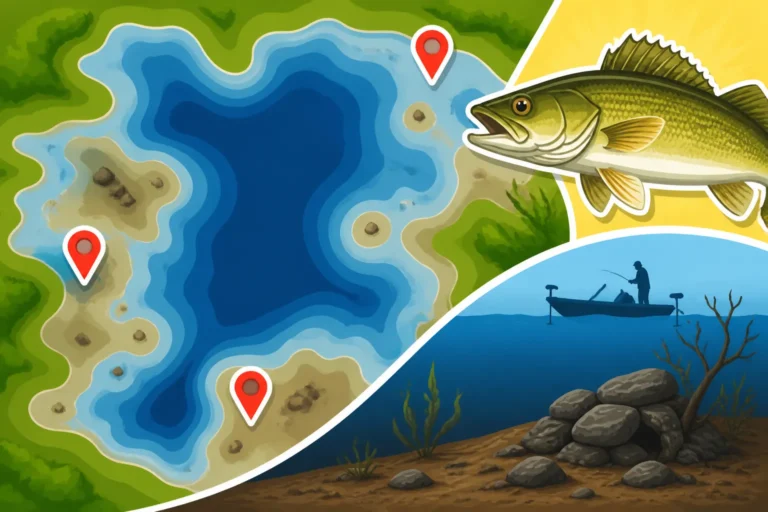
Its bottom composition is primarily sand and mud, with vast, expansive mud flats that are prime habitat for walleye and perch, especially during the warmer months. These flats are punctuated by subtle humps, scattered rock piles, and deep breaks, creating a varied underwater landscape that demands careful exploration. Understanding these nuances is the first step to unlocking Winnie's potential.
Why Anglers Love and Sometimes Struggle With Winnie
Anglers flock to Winnie for good reason: it consistently produces fantastic catches of walleye, northern pike, and jumbo yellow perch. The sheer numbers of fish, particularly walleye, can be astounding when you hit it right. There's a real chance to catch a limit of eater-sized walleye or even tangle with a trophy pike. The sense of adventure on such a large, wild lake is also a major draw; you can spend days exploring new spots and always feel like there's more to discover.
However, Winnie's size is also its biggest challenge. It's not a small, intimate lake where you can quickly learn all the spots. The fish move constantly, driven by wind, baitfish, and seasonal changes. Without good electronics and a solid understanding of fish behavior, it’s easy to spend a day burning fuel and catching nothing but a suntan. The wind can make boat control difficult, especially when trying to hold over a precise structure. This is where patience, preparation, and local knowledge truly pay off. Don't be discouraged by an initial struggle; Winnie demands respect and offers great rewards to those who learn its ways.
Key Fish Species: What You'll Be Chasing on Winnie
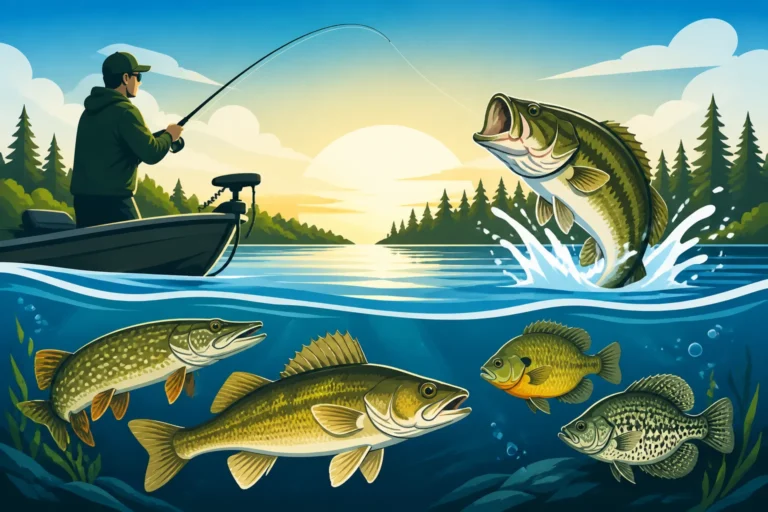
Lake Winnibigoshish is renowned for its diverse fishery, but a few species truly stand out as the main targets for most anglers. Understanding their habits, preferred habitats, and size potential is crucial for a successful trip. While there are other species like crappie, sunfish, and smallmouth bass, the big three are definitely walleye, pike, and perch.
Walleye: The King of Winnie
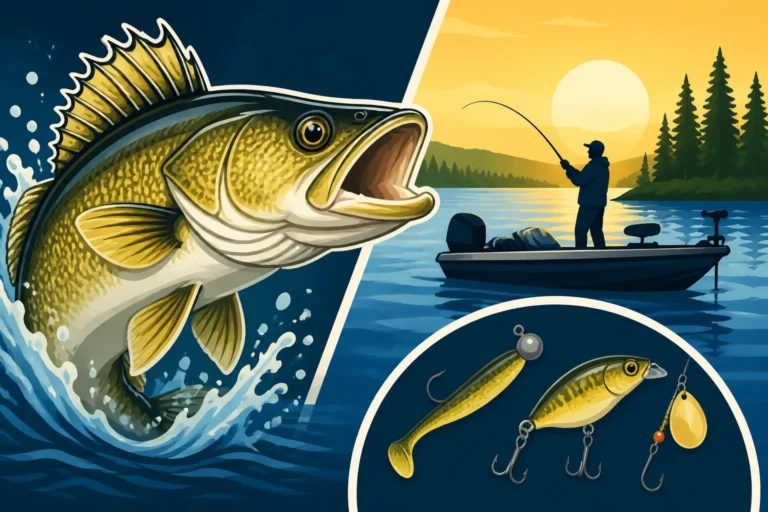
Walleye are, without a doubt, the marquee species on Lake Winnibigoshish. The lake has a robust, naturally reproducing walleye population, often supplemented by stocking from the Minnesota DNR. This means strong year classes and a consistent bite for those who know how to find them. Winnie is known for producing both excellent numbers of keeper-sized walleye (generally 14-18 inches) and a good shot at larger fish exceeding 20 inches. Many anglers consider it one of the best walleye lakes in the state, on par with other giants like Lake of the Woods or Leech Lake.
These fish are predominantly found relating to the lake's extensive mud flats, sand flats, and the edges of its deeper breaks. They follow schools of baitfish, primarily ciscoes (tullibee) and yellow perch, which are abundant in Winnie. Their light-sensitive eyes mean they are often more active during low-light conditions, such as dawn, dusk, or on cloudy, windy days. During bright, sunny periods, they'll typically drop deeper or hug tight to the bottom structure. You can learn more about specific regulations in our guide on Minnesota Walleye Limit & Size Rules.
Northern Pike: Aggressive Action
If you're looking for aggressive strikes and powerful fights, Winnie's northern pike population will not disappoint. The lake holds a healthy number of pike, ranging from smaller "hammer handles" that provide consistent action to legitimate trophy fish pushing into the high 30s and even 40-inch class. These apex predators are often found cruising the shallower bays, particularly those with dense weed growth or reed beds, but they'll also relate to the deeper breaks and schooling baitfish, much like walleye.
Pike in Winnie are opportunistic feeders, ready to strike at a variety of lures or live bait. They offer a fantastic alternative when the walleye bite slows down, and many anglers specifically target them for their fighting prowess. Catching a big northern pike can really put a bend in your rod and test your tackle. Don't forget to check the Northern Pike Season & Limit in Minnesota for current regulations.
Jumbo Perch and Panfish: Delicious Diversions
While walleye and pike get most of the glory, Lake Winnibigoshish is also famous for its jumbo yellow perch. These aren't your average small panfish; Winnie produces perch that often stretch over 10 inches and can be incredibly plump, offering a delicious table fare. They are often found in the same areas as walleye, particularly over the mud flats, foraging for insects and small invertebrates. When you locate a school of jumbo perch, the action can be fast and furious, making for a truly enjoyable fishing experience, especially for families or beginners.
Beyond perch, Winnie also hosts good populations of black crappie and bluegill, though they tend to be less of a primary target than the walleye, pike, and perch. Crappie will often be found in deeper weed lines or around submerged wood structure in specific bays, while bluegill prefer shallower, weedy cover. If you're looking for some consistent panfish action, especially in quieter back bays, they can be a fun pursuit.
Navigating Winnie's Structure: Finding the Fish
Lake Winnibigoshish is a vast body of water, and understanding its underwater geography is paramount to finding fish consistently. It's not about randomly drifting; it's about systematically exploring key structural elements where fish are known to congregate. The lake's structure is dominated by large, sprawling features that require a different approach than smaller, more complex lakes.
Understanding Winnie's Classic Mud Flats and Sand Flats
The most iconic and productive features on Lake Winnibigoshish are its expansive mud flats and sand flats. These aren't just flat, featureless bottoms; they are massive underwater plains that serve as the primary feeding grounds for walleye and perch. The key to fishing these flats isn't the depth itself, as they can range from 15 to 30 feet, but rather the subtle variations within them. Look for small humps, old river channels (remnants of the Mississippi River's historical path), and areas where the bottom composition transitions from soft mud to firmer sand or gravel.
These subtle changes often hold baitfish, which in turn attract the predators. Imagine a vast cafeteria for fish – these flats are it. Fish will roam these areas, often in schools, searching for food. Your electronics become invaluable here, allowing you to identify these subtle rises, depressions, and most importantly, schools of baitfish or arcs of game fish hovering just off the bottom. Don't be afraid to cover water on these flats until you mark something promising.
Shorelines, Reeds, and Shallow Bays
While the mud flats get a lot of attention, don't overlook Winnie's shorelines, especially the shallow bays dotted with emergent reeds and submerged weeds. These areas are crucial early in the season, during the Minnesota Fishing Seasons & Opener Dates (2026), as they warm up quickly and attract spawning panfish and baitfish. Northern pike are particularly fond of these shallower, cover-rich environments, using the weeds as ambush points.
The edges of these reed beds and weed lines can also hold cruising walleye, especially during low-light periods or when strong winds push bait into these sheltered zones. Bays like Little Winnie or those around the numerous points can offer excellent fishing opportunities, particularly when the main lake is too rough to fish comfortably. Pay attention to wind direction; fish will often stack up on the wind-blown side of these structures as baitfish are pushed in.
Identifying Key Transitions and Breaklines
Fish, especially walleye, are creatures of transition. They often position themselves along breaklines, which are simply areas where the depth changes abruptly. On Winnie, these breaks might not be as dramatic as sheer cliffs in a deep, clear lake, but they are still incredibly important. Look for where a shallow flat drops into a deeper flat, or where a sand flat meets a mud flat. The "inside turns" and "outside turns" of these breaks can be particularly productive, as they offer fish multiple depth options and ambush points.
Additionally, the main channel of the Mississippi River, as it flows through Winnie, creates distinct depth changes and current breaks that can concentrate fish. These riverine influences, combined with the wind and the extensive flats, make Winnie a dynamic environment where fish are always on the move. When scouting, think about where fish would move between feeding areas and resting areas – these transition zones are often the sweet spots.
Best Fishing Techniques for Lake Winnibigoshish
Matching your technique to the species and conditions on Lake Winnibigoshish is key to consistent success. While there are countless ways to fish, some methods have proven exceptionally effective on this big water. It's often about adapting tried-and-true approaches to Winnie's unique structural characteristics.
Walleye Tactics: Jigging, Trolling, and Live Bait Rigs
For walleye on Winnie, you'll want to have a few techniques in your arsenal.
Jigging is a perennial favorite, especially for targeting fish suspended just off the bottom or relating to subtle structural features. A classic jig-and-minnow or jig-and-plastic combination worked slowly along the edges of the flats or over humps is incredibly effective. Colors like chartreuse, orange, and white are often popular. On windy days, heavier jigs (1/4 to 3/8 oz) help maintain bottom contact.
Trolling crankbaits or spinner rigs is another excellent way to cover water on Winnie's vast flats and find active fish. Depending on the time of year and depth, you might be trolling shallow-diving crankbaits along weed lines or using lead core or snap weights to get deeper-diving crankbaits or crawler harnesses down to fish holding on the main mud flats. Speed and lure choice are critical, often requiring experimentation to find what the walleye prefer on any given day. You can find more detail in our guide on Walleye Fishing Techniques: Complete Minnesota Guide.
Live bait rigs, particularly the classic Lindy Rig or a simple slip bobber rig, are deadly for walleye on Winnie. A plain hook with a leech, nightcrawler, or shiner minnow, presented subtly, can entice even finicky walleye. When the fish are scattered on the flats, drifting with a bottom bouncer and crawler harness can be highly effective, allowing you to present bait naturally over a wide area. For specific bait recommendations, check out Best Live Bait for Walleye (Leeches, Minnows, Crawlers).
Pike Strategies: Casting and Trolling for the Big Ones
Northern pike fishing on Winnie is often a high-action affair.
Casting large spoons, spinnerbaits, and soft plastic swimbaits into weed beds, along reed lines, and around shallow points is a primary method. Aggressive retrieves often trigger violent strikes. Classic spoons like Dardevles or Johnson Silver Minnows in red and white or five of diamonds patterns are always good choices. When the pike are active, they'll smash these lures with enthusiasm.
Trolling large crankbaits is another excellent way to target bigger pike, especially when they're relating to deeper breaks or suspended over baitfish schools on the main lake. Use larger profiles and brighter colors to grab their attention. Fishing with a large baitfish imitation, either live or dead, under a bobber in a prime pike area can also be very effective for trophy-sized fish. Ensure your leader material is stout to prevent bite-offs from their razor-sharp teeth!
Perch and Panfish: Simple and Effective Methods
For Winnie's jumbo perch, simplicity often reigns supreme.
Small jigs tipped with a minnow head or a piece of nightcrawler fished vertically or under a small slip bobber are highly effective. When you find a school, the action can be non-stop. Perch are often found in large schools, so once you locate them, you can usually catch quite a few. Brightly colored jigs or those with a bit of flash tend to work well.
For crappie and bluegill, if you choose to target them, focus on calmer, shallower bays with submerged timber or dense weed beds. Small jigs, tiny crankbaits, or even simple hooks with wax worms or small minnows under a bobber are the go-to techniques. When ice fishing, tiny tungsten jigs tipped with a grub or a small minnow are deadly.
Seasonal Fishing on Winnie: Adapting to the Calendar
Lake Winnibigoshish offers fantastic fishing year-round, but the best techniques and locations shift dramatically with the seasons. Understanding these patterns is critical for consistent success, ensuring you're always presenting your bait in the right place at the right time.
Spring Opener Excitement and Early Season Patterns
The walleye opener on Lake Winnibigoshish is an event unto itself, drawing eager anglers from across the state. In late spring, usually mid-May, walleye are transitioning from their post-spawn recovery and beginning to feed actively. Water temperatures are still cool, and fish will often be found shallower than in the heat of summer. Look for them along the edges of emerging weed beds, on sand breaks adjacent to spawning areas, and in the warmer waters of shallow bays.
Traditional jigging with a minnow is a highly effective technique during this time. Slow-trolling shallow-diving crankbaits or pulling spinner rigs with nightcrawlers can also produce excellent results as fish start to spread out. The key is often to fish slowly and methodically, as the fish might still be somewhat lethargic. Pike will also be very active in the shallower bays, hitting cast spoons and spinnerbaits.
Summer's Deep Water and Weedline Opportunities
As summer progresses and water temperatures rise, Winnie's fish, especially walleye, will begin to move towards deeper, cooler water. This is when the expansive mud flats become prime real estate. Walleye will suspend over these flats or hug the bottom, following schools of ciscoes and perch. This is prime time for trolling crankbaits or working bottom bouncers and crawler harnesses over the main lake's vast contours.
You'll also find walleye relating to deeper weed lines and structural breaks. Pike will still be in the weeds, but the larger ones might also be found patrolling the deeper edges of these weed beds or even suspended over the main lake, chasing bait. Perch will be abundant over the mud flats, often caught while targeting walleye, or you can specifically target them with smaller jigs. Summer on Winnie often means covering a lot of water to find the active schools.
Fall Turnover and Pre-Winter Feasts
Fall fishing on Lake Winnibigoshish can be phenomenal, but it's also a time of transition. As water temperatures cool, especially after the lake "turns over" (when surface and deep waters mix), fish tend to become more aggressive and move shallower to feed heavily before winter sets in. Walleye will often be found on main lake points, rock piles, and shallower flats that were productive in spring. Trolling larger crankbaits or jigging with bigger minnows can be very effective as fish bulk up.
Pike fishing can be exceptional in the fall, with larger fish actively feeding in weed beds and along drop-offs. Muskie, if you're targeting them (though not a primary species in Winnie, they are present), will also be at their most active. The key to fall fishing is often patience and being willing to adapt to changing conditions and fish movements, which can be quite dynamic.
Ice Fishing Winnie: A Winter Wonderland of Walleye
When Lake Winnibigoshish freezes over, it transforms into an ice fishing paradise, particularly for walleye and jumbo perch. The vast, relatively shallow nature of the lake makes it ideal for ice anglers, offering easy access to the productive mud flats. Thousands of portable shelters and even elaborate "wheel houses" dot the ice, creating small temporary villages. This is truly a Minnesota tradition.
Classic ice fishing tactics include jigging with spoons or Rattl'n Raps tipped with minnow heads, or fishing a dead stick rod with a live minnow under a bobber. Many anglers also use tip-ups for northern pike, setting them along weed edges or structural breaks. Perch fishing can be outstanding, often found in large schools near walleye. Staying mobile and using good electronics, like a Vexilar or Humminbird flasher, is crucial for locating active fish. Be sure to understand Minnesota Ice Fishing & Shelter Rules and consult our comprehensive Ice Fishing in Minnesota: Complete Beginner-to-Pro Guide.
| Species | Best Season | Key Locations | Primary Techniques |
|---|---|---|---|
| Walleye | Spring, Summer, Fall, Winter | Mud Flats, Sand Flats, Breaks, River Channel | Jigging, Trolling (Crankbaits/Crawlers), Live Bait Rigs |
| Northern Pike | Spring, Summer, Fall, Winter | Weedy Bays, Reed Beds, Deep Weed Lines, Main Lake Breaks | Casting (Spoons/Spinnerbaits), Trolling (Large Cranks), Live Bait |
| Yellow Perch | Summer, Fall, Winter | Mud Flats, Sand Flats, Deep Weed Lines | Small Jigs (tipped), Slip Bobbers |
| Crappie | Spring, Summer, Fall | Deeper Weed Lines, Submerged Wood, Back Bays | Small Jigs, Small Minnows, Slip Bobbers |
Essential Gear and Local Wisdom for Winnie Anglers
Having the right gear makes all the difference when tackling a lake of Winnie's size and character. Beyond just rods and reels, effective electronics and a willingness to tap into local knowledge can elevate your fishing experience from frustration to consistent success.
Recommended Rod and Reel Setups
For walleye, a medium-light to medium power spinning rod, 6'6" to 7' in length, paired with a 2500-series spinning reel spooled with 8-10 lb braided line and a fluorocarbon leader, is a versatile choice. This setup handles jigging, slip bobbers, and lighter trolling applications. For heavier trolling with bottom bouncers or larger crankbaits, a medium-heavy baitcasting setup with 10-14 lb monofilament or braid is often preferred for its backbone and line capacity.
For northern pike, especially larger ones, you'll want a medium-heavy to heavy power baitcasting or spinning rod, 7' to 7'6" in length. Pair this with a robust reel spooled with 20-30 lb braided line and a strong wire or heavy fluorocarbon leader (at least 60-80 lb test) to prevent bite-offs. Pike can be tackle busters, so don't skimp on strength.
For perch and panfish, a light or ultra-light spinning rod (5' to 6' long) with a small 1000-series reel spooled with 4-6 lb monofilament or braid is perfect. This setup offers maximum sensitivity for detecting subtle bites. For ice fishing, specialized ice fishing rods tailored for walleye and panfish offer great feel and durability, and you can find more recommendations in our guide on Best Ice Fishing Gear for Minnesota (2027 Guide).
Electronics: Your Best Friend on Big Water
On a lake as vast as Winnibigoshish, your fish finder and GPS are not just accessories; they are absolutely essential tools. A quality fish finder (like those from Humminbird, Lowrance, or Garmin) with both 2D sonar and side/down imaging capabilities will allow you to quickly identify structure, locate baitfish schools, and mark individual game fish. Given Winnie's expansive flats, side imaging is particularly useful for scanning large areas quickly and identifying subtle humps or transitions.
A reliable GPS unit with detailed lake mapping (such as Navionics or LakeMaster charts) is equally critical. These maps precisely show depth contours, breaks, and other structural elements, allowing you to navigate confidently and precisely position your boat over productive areas. Marking waypoints of productive spots, baitfish schools, or structural anomalies is key to building your knowledge of the lake. For ice fishing, a dedicated flasher or an ice-specific sonar unit is invaluable for vertical jigging.
Bait, Lures, and Local Favorites
When it comes to bait and lures for Winnie, there are some undeniable local favorites.
For walleye, shiner minnows (especially larger ones), leeches, and nightcrawlers are top live bait choices. Artificial lures include bucktail jigs, soft plastic paddle tails on jig heads, Lipless crankbaits (like a Rapala Rippin' Rap), and trolling crankbaits such as Berkley Flicker Shads, Rapala Shad Raps, or Salmo Hornets. Always have a variety of colors and sizes.
For northern pike, large spoons (Doctor Spoon, Five of Diamonds), spinnerbaits with big blades, topwater lures (for early morning/late evening in shallow weeds), and large swimbait imitations are effective. Dead bait under a bobber can also be a game-changer for big pike.
For jumbo perch, small jigging spoons (like a Northland Forage Minnow or Lindy Rattl'n Flyer Spoon), small lead jigs tipped with a minnow head, or wax worms are perennial winners. Don't be afraid to try some of the newer tungsten jigs for added sensitivity, especially through the ice. Stopping at a local bait shop will almost always give you a heads-up on what's been working recently.
Regulations and Conservation on Lake Winnibigoshish
Fishing on Lake Winnibigoshish, like all waters in Minnesota, comes with a set of rules and responsibilities. These regulations are designed to protect the fishery, ensure its sustainability, and provide fair opportunities for all anglers. It's crucial to be aware of and abide by all current laws.
Understanding Winnie's Walleye Regulations
Lake Winnibigoshish is often managed with specific walleye regulations due to its unique population dynamics and importance as a premier walleye fishery. These regulations can change annually based on DNR assessments, so always consult the most current Minnesota Fishing Regulations handbook or the DNR website before you head out. These rules might include specific slot limits (e.g., all walleye between 17 and 26 inches must be immediately released), reduced bag limits, or changes to the possession limit.
For example, many premier walleye lakes in Minnesota, including Winnie, have regulations designed to protect specific size classes of fish, ensuring enough spawners remain in the population. It's not uncommon to see regulations like "possession limit of 6 walleye, only one over 20 inches" or similar. These are critical to follow, not just to avoid penalties but to contribute to the long-term health of the fishery. You can dive deeper into these specifics in our guide on Minnesota Walleye Limit & Size Rules.
General Minnesota Fishing Regulations to Remember
Beyond the specific walleye rules for Winnie, all general Minnesota fishing regulations apply. This includes having a valid Minnesota Fishing License: Cost, Types & How to Buy (2026) for anyone aged 16 or older. There are also rules regarding how many lines you can use (generally two lines for open water, but more for ice fishing with a shelter license), live bait restrictions, and aquatic invasive species (AIS) prevention measures.
Speaking of AIS, Minnesota has strict laws to prevent the spread of species like zebra mussels and starry stonewort. Before leaving Winnie, you must remove all weeds from your boat, trailer, and gear, drain all water from your livewell, bilge, and motor, and dispose of bait in the trash. These steps are not optional; they are critical for protecting Minnesota's waters. Our guide on Aquatic Invasive Species (AIS) Rules for Boaters provides a comprehensive overview of these crucial regulations.
Practicing Responsible Angling
Responsible angling goes beyond just following the letter of the law. It's about being a good steward of the resource. This means practicing catch-and-release with care, especially for larger breeding fish that contribute significantly to the population. If you're keeping fish, only take what you'll eat and respect the limits.
Consider the impact of your fishing on others and the environment. Don't litter, avoid trespassing, and be mindful of other anglers. If you're using a fishing guide service, reputable operators, like those found through platforms like FishingBooker, will always prioritize ethical angling practices and adherence to local regulations. By respecting the rules and the resource, we all ensure that Lake Winnibigoshish remains a fantastic fishing destination for generations to come.
Planning Your Winnie Fishing Adventure
A successful fishing trip to Lake Winnibigoshish requires a bit of planning, especially given its size and northern location. From choosing the right place to stay to deciding if a guide is right for you, making informed decisions upfront can greatly enhance your experience.
Choosing the Right Lodging and Resorts
Lake Winnibigoshish is dotted with a variety of resorts and lodging options, ranging from rustic cabins to more modern full-service establishments. Many of these resorts cater specifically to anglers, offering amenities like boat launches, dock space, bait and tackle shops, fish cleaning houses, and even guided fishing services. When choosing a resort, consider your group size, budget, and desired level of amenities.
Some popular resorts on Winnie include Big Winnie General Store & Resort, Joe's Lodge, and Highbanks Resort. These resorts often have local experts on staff who can provide invaluable fishing reports and tips. Staying at a resort with direct lake access is incredibly convenient, especially if you're bringing your own boat. It also provides a sense of community with other anglers, where you can share stories and gather intel.
Hiring a Local Fishing Guide
For many anglers, especially those new to Lake Winnibigoshish or those looking to maximize their time, hiring a local fishing guide is an excellent investment. Winnie is a complex lake, and a skilled guide possesses years of accumulated knowledge about its ever-changing patterns, productive spots, and most effective techniques. They can quickly put you on fish, teach you the nuances of fishing this specific body of water, and help you understand how to "read" the lake.
Guides come with all the necessary gear, bait, and often a comfortable boat, eliminating much of the hassle for you. It's a fantastic way to learn the lake, improve your skills, and almost guarantee a successful day of fishing. Platforms like FishingBooker make it easy to find and book experienced guides who specialize in Lake Winnibigoshish, ensuring you connect with a professional who knows the waters inside and out. They can teach you about Seasonal Fishing Patterns in Minnesota specifically as they apply to Winnie.
Public Access Points and Amenities
If you're planning a DIY trip, Lake Winnibigoshish offers several public boat launches and access points managed by the Minnesota DNR. These provide essential access for those bringing their own boats. Popular access points include the main launch on the south end near the Winnie Dam, and others scattered around the lake's perimeter. Be aware that during peak seasons, these launches can get busy, so plan accordingly, especially on weekends or during major fishing tournaments.
Most public access points are basic, offering concrete ramps and parking. You'll typically find bait and tackle shops, convenience stores, and gas stations in nearby towns like Deer River, Remer, or Bena. Always check the condition of the access points, especially during early spring or late fall, as some may not be fully open or maintained. It's always a good idea to have a backup plan for access, just in case.
Disclaimer
The information provided in this guide is for general informational purposes only and is subject to change. Fishing regulations, seasons, and limits for Lake Winnibigoshish and all Minnesota waters are determined by the Minnesota Department of Natural Resources (DNR) and can be updated annually. Always consult the most current official Minnesota Fishing Regulations handbook or the DNR website before engaging in any fishing activities. Adherence to all local, state, and federal laws is the responsibility of the individual angler. Fishing conditions, including fish populations and bite patterns, can vary greatly due to environmental factors and angler pressure.