How to Catch Northern Pike Through the Ice in Minnesota
There's nothing quite like the rush of a flag flying up on a tip-up, or the powerful tug on your jigging rod, signaling a big northern pike has found your bait beneath Minnesota's frozen surface. Yet, for many anglers, targeting these toothy predators through the ice can feel intimidating, especially with their reputation for being elusive or just plain aggressive. You might be wondering where to even start, what gear you really need, or how to coax one of these giants into biting in the depths of winter. This comprehensive guide is here to demystify ice fishing for northern pike, providing you with the knowledge and confidence to land these exciting fish.
The Winter World of Northern Pike in Minnesota
Northern pike don't just disappear when the ice forms; they simply adapt. Understanding their behavior and preferred habitats in winter is your first step to consistently finding and catching them. They remain active, often surprisingly so, and offer some of the most thrilling ice fishing action Minnesota has to offer.
Where Pike Hide Under the Ice
When the lakes freeze over, northern pike gravitate towards areas that provide them with two essential things: ambush points and food. These voracious predators are all about efficiency, and winter slows everything down just enough that they become even more reliant on strategic positioning.
You'll typically find pike holding in or around weed lines, especially green weeds that continue to produce oxygen and hold baitfish. Think about the transition areas where shallow bays drop off into deeper water, or the edges of points and humps that still boast healthy vegetation. These aren't necessarily deep spots; often, pike will cruise surprisingly shallow flats, especially during stable weather conditions. Many anglers make the mistake of only drilling holes in the deepest basin, but pike are often found in 5 to 15 feet of water, patiently waiting. Even in lakes with sparse vegetation, they'll hug any available structure like submerged timber, rock piles, or even old cribs. Knowing how to locate healthy weed beds, perhaps using a good lake map or even an underwater camera, can be a game-changer for finding these fish.
Understanding Their Winter Appetite
Pike are opportunistic eaters year-round, and winter is no different. While their metabolism might slow somewhat in the cold water, they still need to feed to maintain energy. They'll actively hunt down a variety of prey, from yellow perch and shiners to suckers and even smaller panfish like crappies or sunfish. The key is to remember they are ambush predators. They won't chase a meal across the entire lake, but rather lurk, wait, and strike when prey passes by.
Often, the best bite windows for pike through the ice are during low-light conditions – early mornings, late afternoons, and even into the twilight hours. Overcast days can also be fantastic, as the reduced light penetration helps camouflage them. They tend to be more aggressive when the barometric pressure is stable or rising. Don't be discouraged if you're not getting flags during midday; patience is key, and those low-light periods are when they often make their move. Even on slower days, a pike might suddenly appear and smash a bait, so always be ready!
Essential Gear for Icy Pike Pursuits
Getting geared up for ice fishing northern pike means preparing for big fish, sharp teeth, and potentially harsh conditions. You don't need to break the bank, but having the right tools makes a huge difference in both comfort and success. From reliable augers to specialized tip-ups, each piece plays a vital role. If you're looking for a general overview, consider checking out a complete guide like this one on the Best Ice Fishing Gear for Minnesota (2027 Guide).
Cutting Through the Ice: Augers and Their Importance
Getting through thick Minnesota ice requires a robust auger. For pike, you're not drilling small holes for panfish; you need a larger diameter to safely land a big northern. An 8-inch hole is usually the minimum, but a 10-inch auger provides much more leeway for those truly large fish without them getting wedged. Trust me, it's frustrating to hook a trophy and then realize your hole is too small!
When it comes to power, electric augers like the StrikeMaster Lithium 40V or ION series have become incredibly popular for their quiet operation, lack of fumes, and consistent performance. They're especially great for drilling many holes quickly without tiring you out. Gas augers are still workhorses, offering raw power, especially in very thick ice, but they're heavier and louder. Hand augers are budget-friendly but will give you a serious workout if the ice is more than a foot thick. My personal recommendation often leans towards electric for portability and ease of use, but a good quality gas auger will never let you down. If you're weighing your options, exploring a comparison of Best Ice Augers for Minnesota: Electric vs Gas can help you make an informed decision. For those on a budget, you might also be wondering What Is the Best Ice Auger for the Money?.
Tip-Ups: Your Multi-Line Advantage
Tip-ups are absolutely indispensable for pike ice fishing, allowing you to cover more water and present larger baits effectively. Minnesota regulations typically allow for multiple lines, making tip-ups a strategic choice. A standard tip-up consists of a spool that sits below the ice and a flag that springs up when a fish takes the bait.
There are various styles, from classic wooden cross-stick designs to more modern circular models that cover the hole to prevent freeze-up. Brands like HT Enterprises, Beaver Dam, and Clam offer reliable options. When selecting, look for sturdy construction, smooth-operating spools, and flags that are easily visible from a distance. You'll typically spool them with heavy-duty braided or Dacron line (30-50 lb test) and attach a quality fluorocarbon or steel leader to prevent bite-offs from those razor-sharp teeth. Don't underestimate the power of a quality leader – losing a big fish to a frayed line is a gut-punch. If you want a deep dive into how to effectively use these, check out this guide on How to Set Up Tip-Ups for Pike.
Rods, Reels, and Line for Active Jigging
While tip-ups are your primary weapon for pike, a strong jigging rod can also be incredibly effective for actively targeting aggressive fish or working an area more thoroughly. You'll want a medium-heavy to heavy action ice rod, usually between 30 and 42 inches in length, capable of handling larger lures and powerful runs. Pair this with a durable spinning reel (size 2500-4000) that has a smooth, reliable drag system.
For line, consider a 15-30 lb braided line with a fluorocarbon leader (20-30 lb test) or, again, a light steel leader. The braid offers excellent sensitivity and hook-setting power, while the leader provides stealth and bite-off protection. Some anglers skip the leader with artificial lures if they don't anticipate truly monster pike, but it's always a gamble. Remember, pike will sometimes hit hard and fast, so having a rod that can absorb the shock and a reel that can quickly give line is crucial.
Baits and Presentation
Pike are not picky, but some baits are definitely more effective than others. Live bait is often king, particularly for tip-ups. Large golden shiners, suckers, or even substantial fathead minnows are excellent choices. Hook them through the back near the dorsal fin, being careful not to hit the spine, allowing them to swim naturally. For dead bait, smelt or larger herring can be incredibly potent, especially when fished near the bottom. The oily scent can really draw pike in. You can often find these at local bait shops or sometimes on larger online retailers like Amazon.
For active jigging, robust spoons like the Northland Forage Minnow Spoon, Rapala Jigging Rap (larger sizes), or various oversized jigging spoons are very effective. Bright colors like chartreuse, orange, or flashy silver often work well, especially in stained water. Err on the side of larger baits; a small bait might catch a small pike, but a big bait can catch any size.
Electronics and Shelters
While not strictly necessary, ice fishing electronics can significantly increase your success. A flasher unit (like a Vexilar or Humminbird Ice Helix) helps you see your bait, the fish, and the bottom contour in real-time, allowing you to react immediately to fish approaching your lure. An underwater camera is another fantastic tool, letting you observe pike behavior directly, see how they react to your bait, and verify the presence of healthy vegetation. These can be particularly helpful for understanding what the fish are doing without constantly pulling lines.
Finally, don't underestimate the value of a good ice shelter. Whether it's a portable flip-over or a hub-style shelter, it provides crucial protection from the elements, especially when temperatures plummet or the wind howls. Being comfortable means you can stay out longer and fish more effectively. You can learn more about different types of shelters and regulations in the Minnesota Ice Fishing & Shelter Rules guide. For personal safety and comfort, consider investing in Best Ice Fishing Suits & Bibs (Float Suits) to stay warm and dry, and for added buoyancy in case of an accidental plunge.
| Gear Category | Recommended Item | Why It's Essential for Pike | Considerations |
|---|---|---|---|
| Auger | 8-10 inch electric or gas | Larger holes for larger fish, efficient drilling | Battery life (electric), fuel (gas), weight |
| Tip-Ups | Sturdy, circular or cross-stick | Allows multiple lines, hands-free fishing for big bait | Visibility of flag, resistance to freeze-up |
| Rods/Reels | Medium-heavy to heavy ice rod, 2500-4000 spinning reel | Handles powerful runs and heavier lures | Smooth drag, comfortable grip, durability |
| Line/Leader | 30-50lb braid (tip-up), 15-30lb braid (jigging); 20-30lb fluorocarbon or steel leader | Prevents bite-offs, strong hooksets, sensitivity | Leader length (12-18 inches is common) |
| Bait | Large shiners, suckers, smelt, large spoons | Attracts pike with size, scent, and action | Live vs. dead bait, artificial lure colors |
| Electronics | Flasher or underwater camera | Locates fish, shows bait presentation, identifies structure | Battery life, screen visibility in sunlight |
| Shelter | Flip-over or hub style | Protection from wind and cold, increases comfort | Size, ease of setup, insulation |
| Safety | Ice picks, rope, float suit | Essential for self-rescue and staying safe | Never fish alone, check ice conditions |
Mastering Ice Fishing Techniques for Pike
Once you have your gear sorted, it's time to put it to use. Ice fishing for northern pike involves a blend of strategic placement, patience, and knowing when to get aggressive.
Setting Up Your Tip-Ups Strategically
The beauty of tip-ups is their ability to cover a wide area, increasing your chances of intercepting a cruising pike. Start by drilling your holes in a scattered pattern that covers different depths and structural elements. For example, place some tip-ups along a weed edge in 8-10 feet of water, a couple more on the adjacent drop-off, and maybe one or two on a nearby shallow flat. This helps you determine where the fish are most active on a given day.
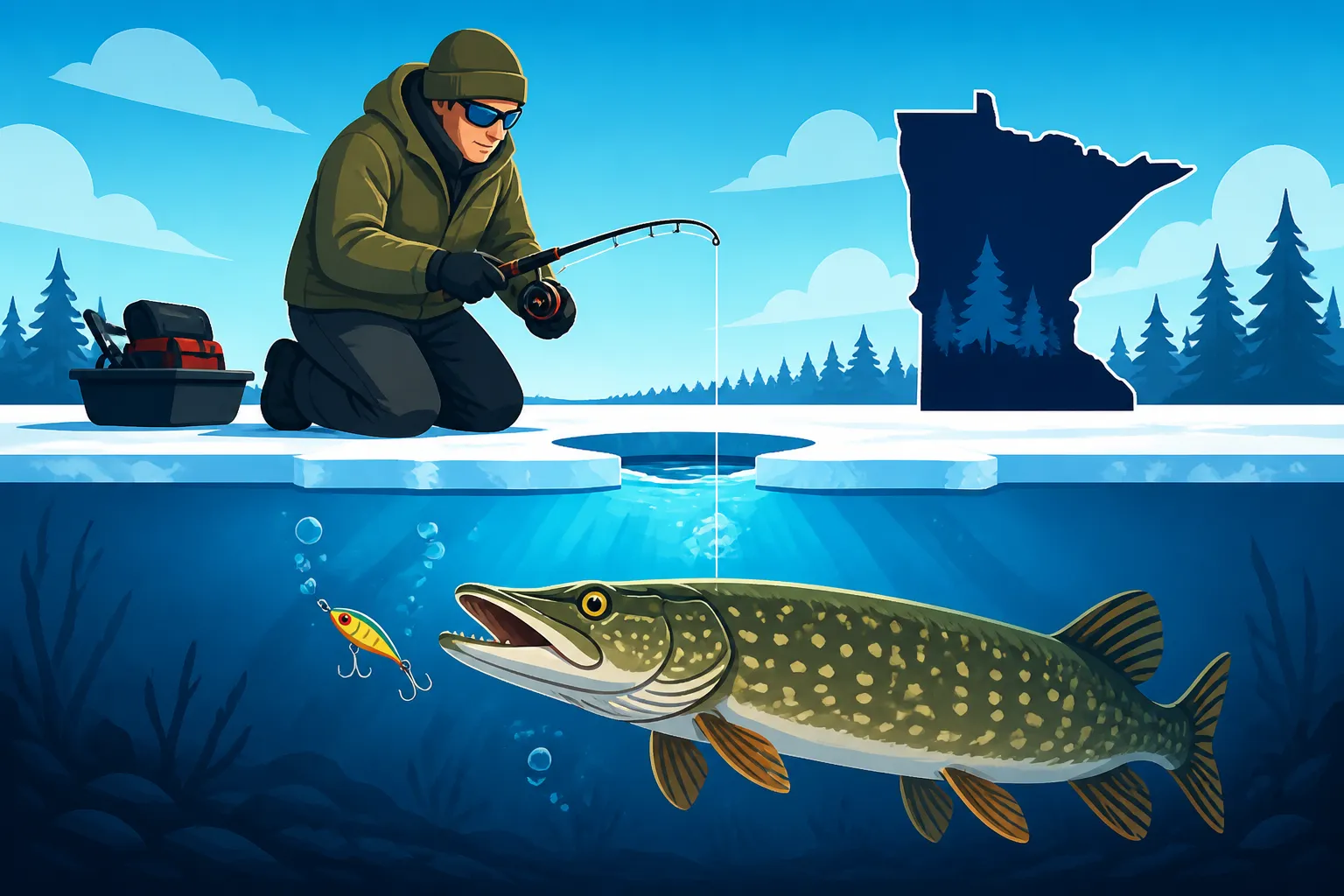
When deploying your bait, hook a live minnow just below the dorsal fin or a dead baitfish through the lips. Adjust the depth so the bait is suspended a foot or two off the bottom, or just above the top of the weeds. Pike will often look up for their prey. Set the flag tension so it's sensitive enough to trigger when a fish takes the bait but not so loose that strong winds or a swimming minnow sets it off prematurely. Once a flag goes up, don't rush! Let the fish run with the bait for a few seconds to ensure it has fully taken it into its mouth, then set the hook with a firm, sweeping motion. Remember to always bring a large gaff or a wide-mouthed landing net for handling bigger pike at the hole.
Active Jigging for Aggressive Strikes
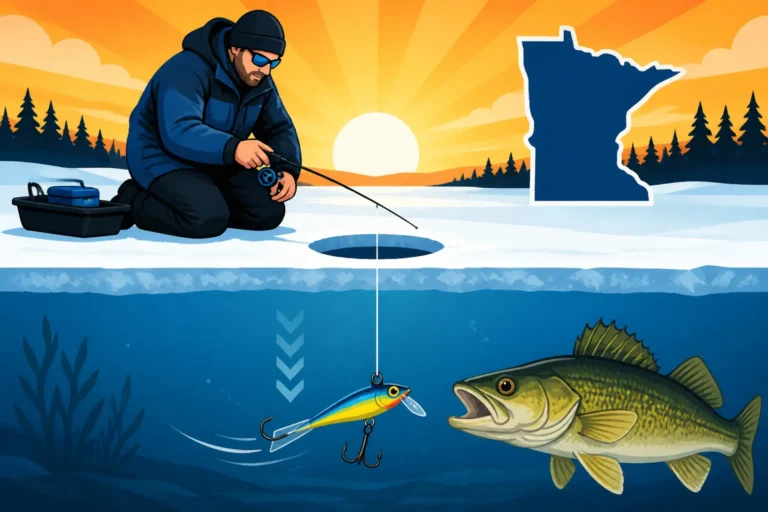
While tip-ups are often a waiting game, active jigging provides an opportunity to engage directly with the fish. This method is fantastic when you've located a concentration of pike using your electronics or if you want to aggressively tempt a fish that's showing interest but not committing to a static bait.
Heavy jigging spoons or larger soft plastics rigged on a heavy jig head are excellent for this. Drop your lure to the desired depth (often just above where you're seeing fish on your flasher), then use an erratic jigging motion. Lift the rod tip sharply, then let the lure flutter back down, often pausing for several seconds at the bottom of the fall. Many strikes occur on the pause. Experiment with different retrieve speeds and jigging cadences. Sometimes a fast, aggressive rip is what they want, other times a slow, subtle quiver is the ticket. Don't be afraid to try different lures and colors throughout the day, especially if the bite slows down. Sometimes, even the slightest change, like a brighter spoon or a different profile, can trigger a reluctant pike.
The Dark House Spearing Option
For those looking for a truly unique and traditional experience, dark house spearing for northern pike is a time-honored Minnesota tradition. This involves sitting in a darkened ice shelter with a large hole cut in the ice, often over a weed bed or shallow feeding flat. Decoys, usually carved from wood and painted to resemble baitfish, are lowered into the water and gently moved to attract pike.
When a pike appears, the spearer waits for the perfect moment to strike, using a long spear to pin the fish. It's a method that requires immense patience, keen eyesight, and quick reflexes. Keep in mind that there are specific Dark House Spearing in Minnesota: Rules & License requirements you'll need to follow, including special licenses and regulations regarding what species can be speared. It's a completely different kind of challenge and reward compared to rod-and-reel fishing.
Staying Safe and Legal on Minnesota Ice
Ice fishing is an incredible experience, but safety should always be your top priority. Minnesota's changeable weather means ice conditions can vary wildly. Beyond safety, understanding and adhering to the fishing regulations is crucial for enjoying the sport responsibly.
Ice Safety: Know Before You Go
Never take ice conditions for granted. The "ounce of prevention" adage truly applies here. Always check ice thickness before venturing out, and continue to check as you move around the lake. A good rule of thumb for safe ice is:
- 4 inches for ice fishing on foot.
- 5-7 inches for a snowmobile or ATV.
- 8-12 inches for a small car or light pickup.
- 12-15 inches for a medium truck.
These are minimums, and factors like snow cover, currents, springs, and fluctuating temperatures can significantly weaken ice, even if it looks solid. Always go with a buddy, tell someone where you're going and when you expect to return, and carry essential safety gear like ice picks, a spud bar (for checking ice), and a length of rope. Wearing a float suit, as mentioned earlier, can literally be a lifesaver. Avoid venturing out on rivers or areas with known currents, as ice can be extremely unpredictable there. No fish is worth risking your life.
Navigating Minnesota Pike Regulations
Minnesota has specific regulations for northern pike, which vary by lake and zone to manage populations effectively. It's critical to consult the current Minnesota fishing regulations handbook (available from the DNR or at most license vendors) before you head out. Regulations often include specific length limits (slot limits) and daily bag limits. For example, some lakes might have a protected slot where you must release all pike within a certain size range to promote healthier fish populations.
Always know the rules for the specific body of water you're fishing. Being caught with over-limit fish or fish outside the legal slot can result in hefty fines and loss of fishing privileges. Stay informed about the current Northern Pike Season & Limits in Minnesota to ensure a legal and enjoyable trip.
Proper Handling for Release or Retention
Northern pike are tough fish, but proper handling is essential whether you plan to release them or keep them for the frying pan. Their sharp teeth and gill rakers can cause serious injury if not handled carefully.
If releasing, try to keep the fish in the water as much as possible. Use a long-nosed pliers or a jaw spreader to remove hooks. Avoid gripping the fish by the eyes or gills. Support its body horizontally if taking a quick photo, and then gently release it, allowing it to swim away under its own power. For fish you plan to keep, dispatch them quickly and humanely. Pike are delicious, but they do have those pesky Y-bones. If you're wondering Are Northern Pike Good to Eat? (Y-Bones Explained), there are filleting techniques that make them much more enjoyable. Always remember to respect the resource and practice ethical angling.
Disclaimer
Always check the current Minnesota Department of Natural Resources (DNR) regulations before heading out on the ice, as rules and conditions can change rapidly. This guide is for informational purposes only and does not supersede official regulations.