What Is the Best Ice Auger for the Money?
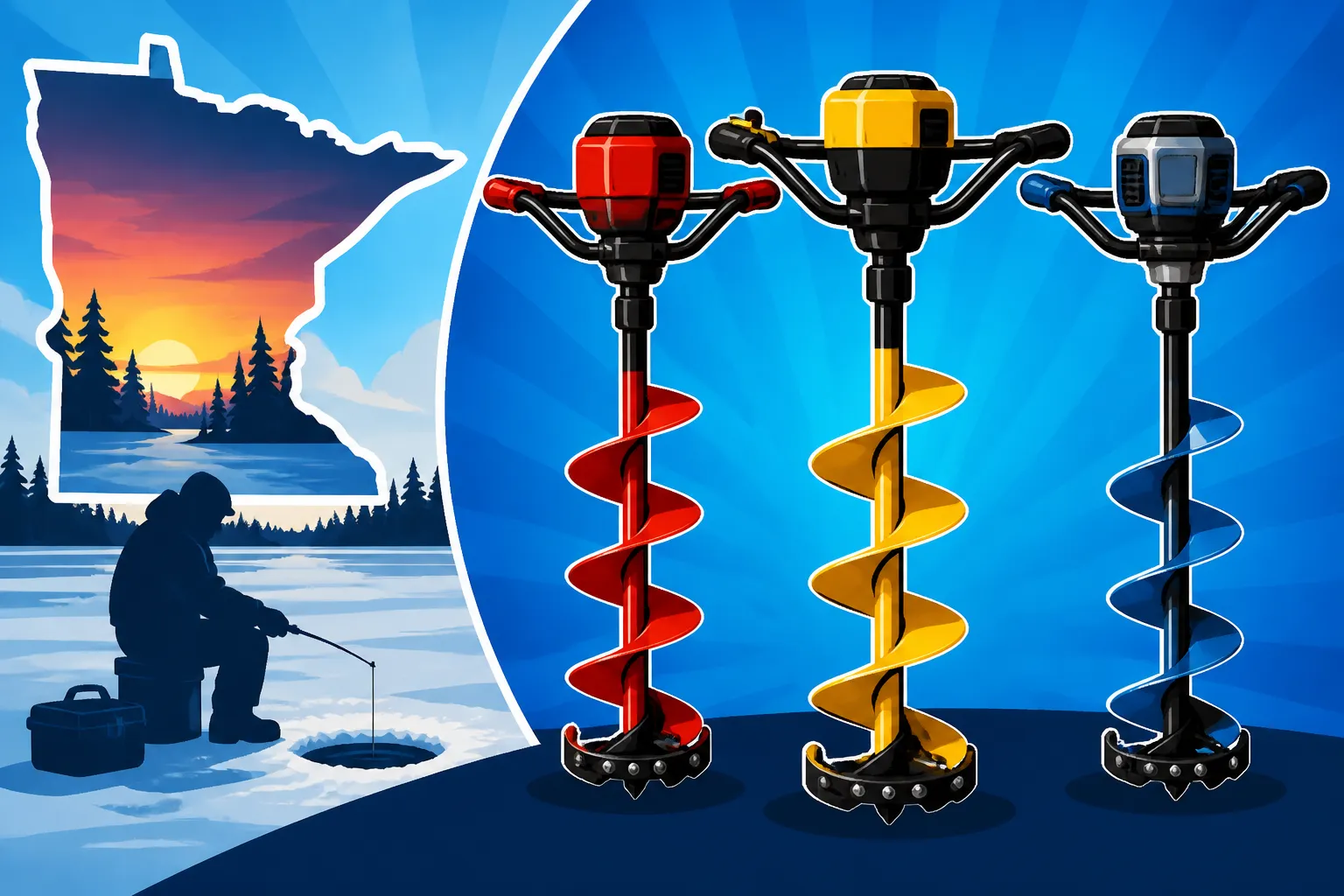
When the ice finally thickens enough for fishing season here in Minnesota, one of the first things on every angler's mind is how they're going to punch through that frozen surface. But let's be honest, nobody wants to break the bank on gear, especially when there are so many options out there. The big question often becomes: "What is the best ice auger for the money?" This guide is here to cut through the noise, helping you find an auger that not only performs when you need it most but also won't leave your wallet feeling as cold as the lake ice.
Understanding "Best for the Money" in Ice Augers
Before we dive into specific types and recommendations, let's talk about what "best for the money" really means when it comes to an ice auger. It’s not just about finding the cheapest option on the shelf; sometimes, the lowest price upfront can lead to higher costs and more headaches down the line. We're looking for value, reliability, and performance that matches your specific fishing habits without unnecessary expenditure.
Defining Value Over Lowest Price
Imagine buying a super cheap auger that struggles to cut through 15 inches of ice, constantly jams, or needs new blades every other trip. You might save a few bucks initially, but the frustration, wasted time, and continuous replacement costs will quickly outweigh that perceived saving. True value comes from an auger that performs consistently, lasts for many seasons, and meets your needs efficiently. This might mean spending a little more upfront for a quality product that stands the test of Minnesota winters, rather than opting for the absolute bottom dollar. Think of it as an investment in your sanity and fishing enjoyment.
Matching Your Needs to the Right Auger Type
The "best" auger for a casual angler who only ventures out a couple of times a year might be vastly different from the "best" for someone who lives on the ice every weekend, chasing walleye from Lake of the Woods to Mille Lacs. Your ice fishing frequency, the average ice thickness you encounter, and even your physical strength all play a huge role. For instance, a light, portable option is great if you're hole-hopping on foot, but if you're setting up a permanent ice house for days, weight might be less of a concern than raw power. Understanding your typical fishing scenarios is the first step to pinpointing the right auger.
Different Types of Ice Augers and Their Costs
The world of ice augers has evolved significantly over the years, giving us more choices than ever before. Each type comes with its own set of pros, cons, and a price point that caters to different budgets and fishing styles.
The Humble Hand Auger: Simple and Affordable
Let's start with the classic: the hand auger. These are manually operated, meaning you're providing all the power to cut through the ice. They're typically the most affordable option, often costing under $100. Brands like Eskimo and Strikemaster offer reliable hand augers that are perfect for occasional anglers, those who prefer to stay active while fishing, or anyone targeting thinner early-season ice. They are incredibly lightweight and require zero fuel or battery power, making them ideal for carrying long distances or for a quick trip out to a local pond.
The downside? They demand physical effort. Cutting a dozen holes in 20 inches of ice with a hand auger will give you a serious workout. If you're planning extensive hole-hopping or encountering very thick, late-season ice, you might find yourself wishing for something with a motor. However, for sheer portability and budget-friendliness, a hand auger is tough to beat, especially if you're just starting out or only fish a few times a year. For beginners, getting accustomed to the basics of ice fishing with a hand auger is a great way to start.
Power Drill Conversion Kits: The DIY Solution
A relatively newer, and incredibly popular, option for many Minnesota anglers is the power drill conversion kit. This ingenious setup allows you to attach a specialized auger bit directly to a heavy-duty cordless drill. Suddenly, your powerful drill transforms into an ice-cutting machine. The cost of these kits can range from $100 to $250 for just the auger bit and adapter, but you'll need a robust 18V or 20V lithium-ion drill (like a Milwaukee Fuel, DeWalt XR, or Makita LXT) with a strong brushless motor and a side handle. Many anglers already own such drills for home projects, making this an economical choice.
The biggest advantages here are weight savings, portability, and the quiet operation. You get electric power without having to buy a dedicated electric auger. The downside is that your drill's battery life might be a limiting factor, especially in extremely cold conditions or when cutting many holes. It's crucial to have at least two fully charged, high-amp-hour batteries on hand. If you're looking for a highly versatile option that bridges the gap between manual and dedicated power augers, a drill conversion kit offers incredible value.
Electric Ice Augers: Clean Power and Convenience
Dedicated electric ice augers are a game-changer for many, offering powerful, quiet, and emissions-free drilling. Brands like Strikemaster, Ion, and Eskimo dominate this market. These augers run on powerful lithium-ion batteries and can typically cut dozens of holes on a single charge, even through thick ice. The upfront cost is higher, usually ranging from $400 to $700 or more.
However, the convenience is unparalleled. No mixing gas, no noxious fumes, no pull-starting struggles in freezing temperatures. They're lighter than gas augers, and their quiet operation means you won't spook fish or annoy your fellow anglers. They're fantastic for use inside an ice shelter, too, where fumes would be a major problem. For serious anglers who want the best combination of power, portability, and ease of use, a quality electric auger often represents the best long-term value. Learning how to manage your battery life for optimal performance is key, especially when you're out on big lakes like Red Lake or Lake Winnibigoshish.
Propane Ice Augers: Reliable Cold-Weather Performance
Propane augers, primarily offered by brands like Eskimo and Jiffy, are a fantastic alternative for those who want the power of a motor without the hassle of mixing gas and oil. They run on standard 1-pound propane cylinders, which are readily available at most sporting goods stores and gas stations, making refueling simple. These augers typically fall in the $350-$550 price range.
They start reliably in cold weather, produce fewer emissions than gas models, and don't require winterizing fuel. They're generally heavier than electric options but lighter than some traditional gas augers. The primary drawback can be the cost and environmental impact of using disposable propane cylinders, although some models offer conversion kits for larger refillable tanks. If you prioritize consistent cold-weather starting and don't mind a bit more weight for reliable power, a propane auger is a solid contender.
Gas Ice Augers: The Traditional Workhorse
For decades, gas-powered ice augers were the go-to for serious ice anglers. Brands like Jiffy and Eskimo are synonymous with these powerful, albeit noisy and heavier, machines. They typically range from $300 to $500, making them a comparable investment to electric options. Gas augers are known for their raw power, capable of chewing through incredibly thick ice with ease.
However, they come with a few considerations. They're the heaviest and noisiest of the bunch, emit exhaust fumes, and require mixing gas and oil, along with proper fuel stabilization for storage. Starting them in bitter cold can sometimes be a challenge. While still popular for their brute force and reliability in extreme conditions, many anglers are gradually moving towards cleaner, lighter electric alternatives. If you fish vast areas, like the massive expanses of Lake of the Woods, and prioritize raw cutting power above all else, a gas auger still holds its place.
Key Factors Influencing Your "Best Value" Choice
Deciding on the "best" ice auger for your money isn't just about the initial price tag. It's about how the auger fits into your fishing routine and the conditions you typically face. Let's break down some crucial factors.
Ice Thickness and Your Fishing Frequency
Think about the kind of ice you usually encounter and how often you're out there. Are you mostly fishing early and late season when ice is thinner, or are you consistently tackling 20-30 inches of mid-winter ice? If you're a casual angler who fishes a few times a season on smaller lakes with moderate ice, a hand auger or a drill adapter might be all you need. You're not going to see value in a heavy-duty gas auger if it's overkill for your typical outing.
On the flip side, if you're hitting the ice every weekend, targeting large fish like lake trout in deep northern lakes, or spending extended periods in an ice house, investing in a robust electric or propane auger makes perfect sense. These augers handle thick ice with minimal effort, allowing you to focus more on fishing and less on drilling. The long-term value comes from consistent performance and reduced fatigue over many fishing trips.
Portability, Weight, and Ease of Use
Nobody wants to lug around a cumbersome piece of equipment, especially when you're already loaded down with buckets, rods, and shelters. Consider how you transport your gear. Do you walk out to your spots, use a snowmobile, or drive a truck right onto the ice?
Hand augers and drill adapter kits are champions of portability due to their lightweight design. Electric augers are a close second, offering a great balance of power and manageable weight. Gas and propane augers, while powerful, are noticeably heavier. Ease of use also ties into this: quick starts, effortless drilling, and easy blade changes all contribute to a more enjoyable experience, which ultimately adds to the value you perceive from your purchase. Many anglers appreciate the quick setup and tear-down that modern electric augers offer.
Noise, Emissions, and Environmental Impact
This factor has become increasingly important for many anglers. Gas and propane augers, while powerful, are loud and emit exhaust fumes. This can be a nuisance for you and other anglers, and it's certainly not ideal for use inside a small ice shelter. Electric augers, on the other hand, are incredibly quiet and produce zero emissions, making them perfect for stealthy hole-hopping or for keeping the air clean inside your portable or permanent shelter.
If you're someone who enjoys the peace and quiet of the outdoors, or if you fish in areas where noise pollution is a concern, an electric auger or drill adapter will offer much better value in terms of overall fishing experience. The ability to speak at normal conversational levels with your fishing buddies without shouting over an engine is a small luxury that many now appreciate.
Maintenance, Durability, and Long-Term Costs
An auger that constantly breaks down or requires expensive parts isn't "good for the money," no matter how cheap it was initially. Consider the long-term commitment.
- Hand augers require minimal maintenance – just keep the blades sharp and dry to prevent rust.
- Drill adapters rely on your drill; maintenance is mostly about battery care.
- Electric augers are relatively low maintenance, focusing on proper battery charging and storage, and blade upkeep.
- Propane and gas augers require more attention: engine maintenance, spark plug checks, air filter cleaning, and proper fuel storage to avoid carburetor issues. If you're not comfortable with small engine maintenance, these could incur additional service costs.
Look for brands known for durability and readily available replacement parts. Companies like Strikemaster, Eskimo, and Ion generally have good reputations for support and parts availability, whether you're shopping at your local Bass Pro Shops or ordering online through Amazon.
Top Picks for "Best Ice Auger for the Money" by Category
Given the wide range of needs and budgets, there isn't one single "best" auger for everyone. Instead, let's break it down by categories, helping you pinpoint the ideal value choice for your specific situation.
Entry-Level Excellence: Hand Augers and Drill Adapters
For the casual angler, the budget-conscious, or those who prioritize extreme portability, a hand auger or a power drill conversion kit offers incredible value.
- Hand Augers: For around $60-$100, a Strikemaster Mora or Eskimo Barracuda hand auger will reliably cut holes through average Minnesota ice. They're lightweight, require no fuel or batteries, and are virtually maintenance-free beyond keeping the blades sharp. If you only fish a few times a year, or primarily target smaller panfish and don't need dozens of holes, this is your undeniable "best for the money" entry point. You can often find great deals on these at local sporting goods stores.
- Power Drill Adapters: If you already own a robust 18V or 20V brushless drill (like a Milwaukee M18 Fuel or DeWalt 20V Max XR), adding a K-Drill or an Eskimo Pistol Bit conversion kit is an outstanding value. For $150-$250 (plus your drill), you get electric power that's extremely lightweight, quiet, and efficient for moderate hole drilling. This setup is particularly effective for those who like to stay mobile and "run and gun" for fish, as discussed in our guide on how to catch walleye through the ice in Minnesota. Just make sure you have at least two high-amp-hour batteries, and keep them warm!
Mid-Range Mastery: Dedicated Electric Augers
For anglers who hit the ice regularly and want a significant step up in convenience and power without breaking the bank, a dedicated electric auger in the mid-price range offers the best overall value.
- Strikemaster Lithium 40V: This auger is a perennial favorite and for good reason. It offers an excellent balance of power, battery life, and weight. Retailing typically between $500-$600, it might seem like a jump from a drill adapter, but its integrated design, robust motor, and impressive hole-cutting capacity make it a solid investment. It’s quiet, powerful, and built to last, providing years of reliable service for ice fishing walleye, crappie, and other species. Many consider this to be one of the best ice augers for Minnesota conditions, offering fantastic value for its performance.
- Ion G2: Another strong contender in this category, the Ion G2 often comes in a similar price bracket as the Strikemaster. It’s known for its lightweight design and smooth cutting power. Ion also offers models with various features like reverse and LED lights. The quiet operation and long battery life of both the Strikemaster Lithium 40V and Ion G2 make them ideal for extended days on the ice. When considering the overall "Best Ice Fishing Gear for Minnesota (2026 Guide)", a dedicated electric auger like these often tops the list for serious anglers.
Heavy-Duty Value: Propane and Gas Powerhouses
For those who prioritize raw power, tackle exceptionally thick ice, or prefer the reliability of a combustion engine, propane and gas augers offer great value, especially when purchased wisely.
- Eskimo Propane Augers (e.g., Propane Auger 8-inch): For around $400-$500, Eskimo's propane models are fantastic. They offer consistent starts, fewer emissions than gas, and the convenience of standard propane cylinders. They're a bit heavier than electrics but lighter than some gas models. If you frequently fish very thick ice, or prefer not to worry about battery limitations in extreme cold, a propane auger is a robust and reliable choice for the money.
- Jiffy Propane or Gas Augers (e.g., Jiffy E6 Lightning or Jiffy Pro4 Lite): Jiffy has a long-standing reputation for powerful augers. Their propane models offer similar benefits to Eskimo, while their gas models remain a go-to for many who want maximum power. Expect to pay in the $350-$550 range. While requiring more maintenance and being heavier and noisier, their cutting power and reliability in the toughest conditions offer excellent value for specific scenarios, such as when you need to cut through a lot of ice quickly for dark house spearing in Minnesota.
Here's a quick comparison of the different types to help you visualize the value proposition:
| Auger Type | Typical Cost (Auger Only) | Portability | Noise Level | Maintenance | Ideal Use Cases |
|---|---|---|---|---|---|
| Hand Auger | $60 – $100 | Excellent | Silent | Very Low | Occasional fishing, thin ice, highly mobile, budget-conscious |
| Drill Conversion Kit | $100 – $250 (plus drill) | Excellent | Very Low | Low | Frequent fishing, moderate ice, mobile, existing drill owners |
| Electric Auger | $400 – $700 | Good | Very Low | Low | Regular to frequent fishing, all ice thicknesses, quiet preferred |
| Propane Auger | $350 – $550 | Moderate | Moderate | Moderate | Regular fishing, thick ice, reliable starts, avoids gas mixing |
| Gas Auger | $300 – $500 | Moderate | High | Moderate | Heavy-duty use, extremely thick ice, maximum power required |
Extending the Life and Value of Your Ice Auger
No matter which ice auger you choose as the "best for the money," its true value is realized over many seasons of reliable use. Proper care and maintenance are absolutely crucial to extending its lifespan and ensuring it performs optimally when you need it.
Blade Care and Replacement
The blades are the business end of your auger, and dull or damaged blades will make even the most powerful auger perform like a butter knife. Always check your blades after each trip.
- Sharpness: If you hit sand or dirt, or if you notice the auger struggling, it's likely your blades are dull. Some blades can be professionally sharpened, but often, the most effective solution is to replace them. Keep a spare set on hand, especially for long trips or if you're venturing to remote areas like the Boundary Waters (BWCA) for multi-day fishing.
- Protection: Always use a blade guard when transporting or storing your auger. This protects both the blades from damage and you from accidental cuts.
- Rust Prevention: After each use, dry your blades thoroughly to prevent rust. A light wipe with some WD-40 or a similar protective oil before storing for the off-season can work wonders. Rust will quickly degrade blade performance and shorten their life.
Battery Management and Charging Best Practices
For electric augers and drill adapters, proper battery care is paramount. These lithium-ion batteries are powerful but sensitive to extreme conditions.
- Keep Batteries Warm: In bitter cold, battery performance plummets. Store your batteries in a warm place (like your vehicle or inside your jacket pocket) until you're ready to drill.
- Charge Properly: Always use the charger recommended by the manufacturer. Avoid overcharging or fully depleting batteries repeatedly, as this can shorten their overall lifespan.
- Storage: For long-term storage, charge your batteries to about 50-70% and store them in a cool, dry place. Avoid storing them fully charged or completely dead. This will help maintain their capacity over the off-season. Learning how to properly manage your power system will greatly enhance your ice fishing experience, especially for overnight trips or when targeting distant spots on your favorite Minnesota lakes.
Proper Storage and Off-Season Maintenance
Once the ice melts and fishing transitions to open water, how you store your auger can significantly impact its readiness for the next winter.
- Cleanliness: Give your auger a thorough cleaning before storing. Remove any ice, slush, dirt, or debris.
- Lubrication (for gas/propane): If you have a gas or propane auger, ensure the engine is properly maintained. Change the oil (if applicable), clean the air filter, and add fuel stabilizer to any remaining fuel to prevent carburetor issues. It's often best to run the engine dry or drain the fuel if storing for many months.
- Blade Removal: Consider removing the blades for storage, cleaning them, and applying a rust preventative before storing them separately.
- Overall Storage: Store your auger in a dry, safe place where it won't be exposed to extreme temperature fluctuations or moisture. A garage or shed is fine, but avoid damp basements. Taking these steps ensures that when the first hard water forms, your auger is ready to go, and you don't miss a single minute of the Minnesota Fishing Seasons & Opener Dates (2026).
Disclaimer
The information provided in this article is for general guidance and informational purposes only. Fishing regulations, gear availability, and product specifications can change. Always consult the latest Minnesota Department of Natural Resources (DNR) regulations and manufacturer guidelines for the most accurate and up-to-date information.