Lake Trout Season & Limit in Minnesota
There’s nothing quite like the thrill of pursuing lake trout in Minnesota’s deep, cold waters. But let's be honest, trying to keep up with the ever-shifting seasons and limits can feel like you need a law degree just to wet a line. It’s frustrating when you just want to enjoy the tranquility of the lake, yet you’re constantly second-guessing if you’re fishing legally. This guide is here to untangle the complexities of Minnesota's lake trout seasons and limits, ensuring you understand the rules, avoid penalties, and can focus on the pure joy of catching one of these magnificent fish.
Understanding Minnesota's Lake Trout Regulations: Why They Matter
Navigating the labyrinth of fishing regulations can often feel like a puzzle, especially when it comes to a prized species like lake trout. It’s not just about compliance; these rules are carefully crafted to ensure that future generations of anglers can also experience the magic of catching a true freshwater giant. Understanding the 'why' behind the regulations can actually make them a bit easier to remember and appreciate.
The Biology Behind the Rules: Protecting a Prized Species
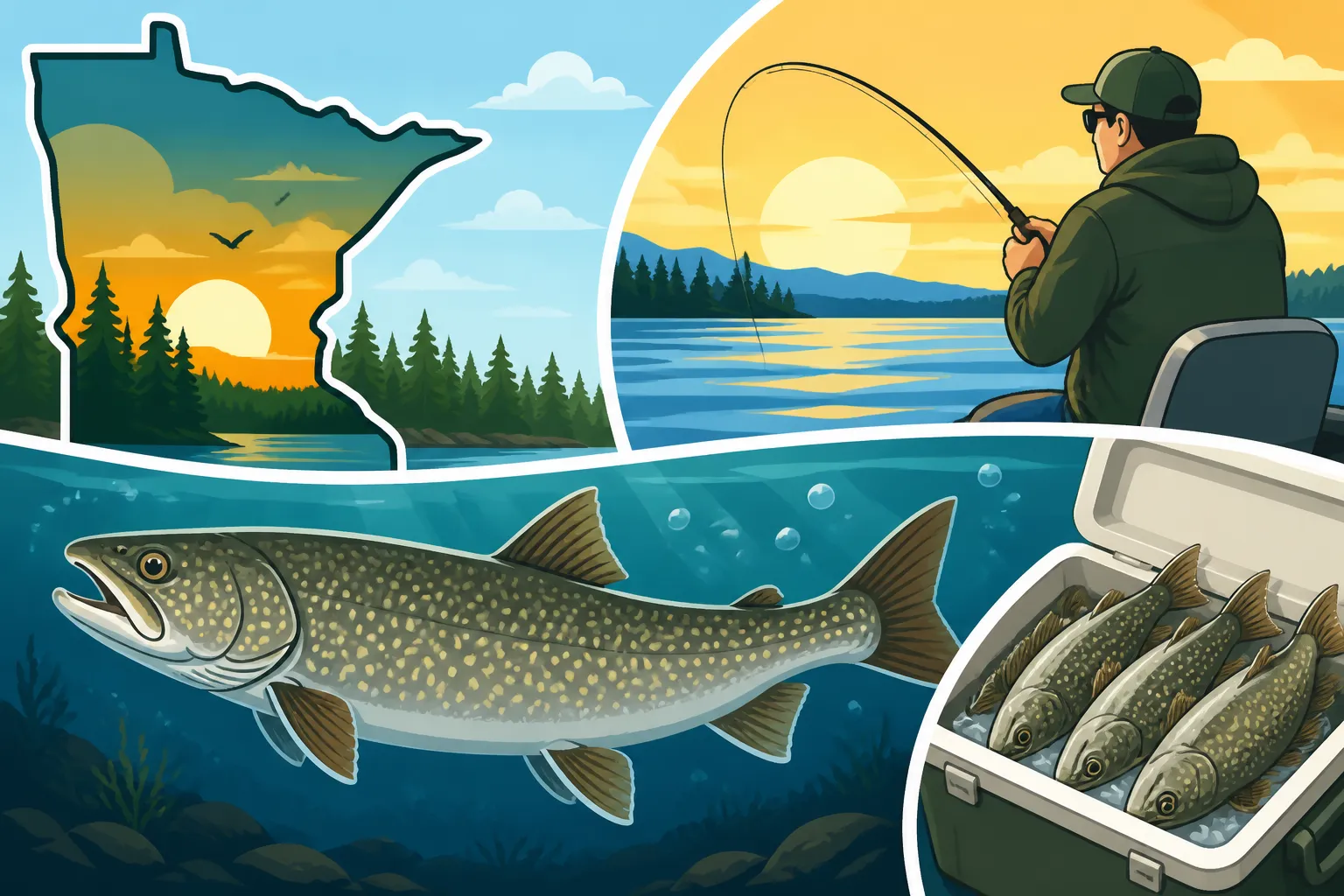
Lake trout, or 'lakers' as many of us affectionately call them, are unique in Minnesota. They thrive in deep, cold, oxygen-rich waters, making them particularly vulnerable to overfishing and environmental changes. Unlike many other species that reproduce quickly and in shallower, more accessible areas, lake trout grow slowly, mature later, and their spawning habitats are often specific and sensitive. Imagine spending years nurturing a garden, only for someone to harvest all the immature plants before they ever had a chance to bloom. That’s essentially what could happen without thoughtful regulations. The Minnesota Department of Natural Resources (DNR) monitors lake trout populations meticulously, using data on age, growth rates, and reproductive success to set appropriate seasons and limits. This science-driven approach aims to strike a balance: allowing anglers to enjoy the fishery while ensuring the species' long-term health. These robust fish can live for many decades, some even exceeding 20 years, making their preservation an even more critical endeavor.
The Frustration of Changing Regulations: Staying Current
One of the biggest headaches for any dedicated angler is the feeling that the rules are a moving target. Just when you think you have a handle on it, a new season brings updated regulations. This isn’t done to make your life harder, I promise. It's usually a direct response to real-time changes in fish populations or environmental conditions. For instance, a particularly harsh winter or a sudden boom in invasive species might necessitate adjustments to protect vulnerable stocks. While it can be annoying to have to check current Minnesota Fishing Regulations Changes for 2026 every year, it's a testament to the DNR's commitment to adaptive management. Think of it like a doctor adjusting a patient's treatment plan based on new test results; it's about what's best for the health of the fishery. Always consider your annual pilgrimage to the bait shop or the DNR website as part of your pre-fishing ritual, right up there with checking your tackle and gassing up the boat.
Diving Deep into Minnesota's Lake Trout Season Dates
Knowing when you can fish for lake trout is just as crucial as knowing how. Minnesota's extensive network of lakes and border waters means that there isn't a single, one-size-fits-all season. Instead, there are general rules and specific exceptions that demand your attention.
General Lake Trout Season: When You Can Cast Your Line
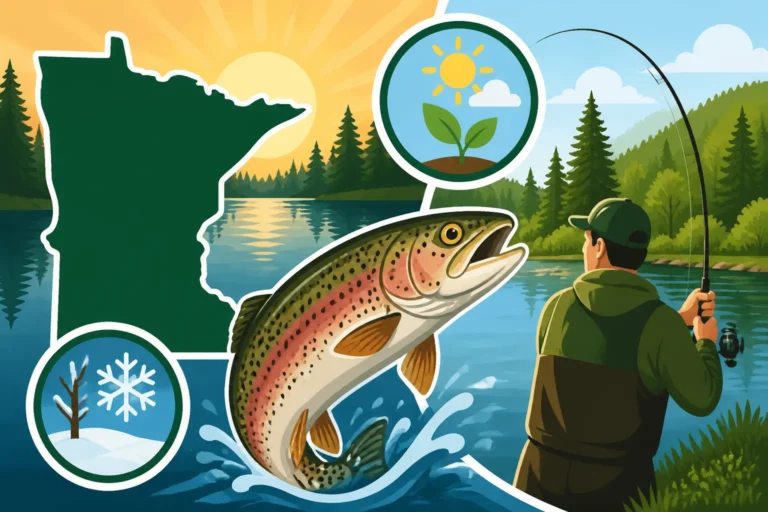
For the vast majority of Minnesota's inland lakes that hold lake trout, the season generally kicks off on the third Saturday in May, coinciding with the much-anticipated Minnesota Walleye Opener 2026. This usually gives anglers a good run through the open water months, typically concluding around the end of September or early October. However, the season doesn't just vanish; it often reopens for ice fishing around the middle of November, extending through March. This two-part structure, with both an open water and an ice fishing season, is designed to give anglers ample opportunity while also providing a crucial respite for the fish during vulnerable periods, like their spawning season in the fall. During the open water season, lake trout retreat to deeper, cooler waters as the surface warms, making them a challenging but rewarding target for those willing to chase them. Come winter, they become more accessible through the ice, offering a different kind of angling experience.
Special Lake Regulations: Lake Superior and Border Waters Exceptions
Now, here’s where things get a bit more nuanced. Minnesota shares some truly spectacular lake trout fisheries, most notably Lake Superior and certain border waters with Canada and Wisconsin. These unique environments often have their own sets of rules, reflecting international agreements, unique ecological considerations, or even specific population management goals.
- Lake Superior: This majestic Great Lake is in a league of its own. Lake Superior's lake trout season is generally open year-round for sport angling, a significant departure from inland lakes. However, there are still specific bag and possession limits that apply, often with size restrictions. The sheer size and depth of Lake Superior, combined with its distinct lake trout populations (including the wild, self-sustaining strains), allow for this more liberal season. But don't let the year-round access fool you into complacency; specific rules can vary by area, especially concerning charter operations or commercial fishing. Always double-check the Lake Superior regulations before heading out.
- Border Waters: Lakes and rivers that straddle the line with neighboring jurisdictions, such as Rainy Lake, Lake of the Woods, and the St. Croix River, are governed by joint agreements. These "border water fishing rules" ensure consistent management across shared resources. For instance, the season dates and limits for lake trout on a lake like Lake of the Woods might be slightly different from an entirely inland Minnesota lake to align with Ontario’s regulations. This avoids confusion for anglers who might cross invisible lines on the water. It’s a bit of a bureaucratic dance, but it’s essential for cooperative conservation. If you're planning a trip to a border water, like when you’re considering Rainy Lake Fishing Regulations (2026) or those for other boundary waters, always make sure you're consulting the most up-to-date information for that specific body of water.
Always Check Before You Go: The DNR's Role in Updates
I can’t stress this enough: always, always, always consult the official Minnesota DNR Fishing Regulations handbook or their website before you head out. Regulations are dynamic, and while this guide provides a general overview, specific changes can and do occur annually. The DNR publishes an updated booklet each year, typically available at bait shops, sporting goods stores, and online. This little booklet is your best friend when it comes to staying legal and informed. Think of it as your fishing bible. It's where you'll find the definitive answers to questions about everything from Minnesota Fishing Seasons & Opener Dates (2026) to specific lake trout nuances. Don't rely on old handbooks or hearsay from your buddy; get the official word directly from the source.
Lake Trout Limits: Bag, Possession, and Size Restrictions
So you've navigated the season dates, and you're out on the water, heart pounding as you feel that tell-tale tug. Now what? Understanding the limits is just as vital as knowing when to fish. It's about responsible harvesting and ensuring that the trophy fish you dream of catching today also exist for your grandkids.
Daily Bag and Possession Limits: What You Can Keep
The terms "bag limit" and "possession limit" often cause confusion, but they're pretty straightforward once you understand the distinction.
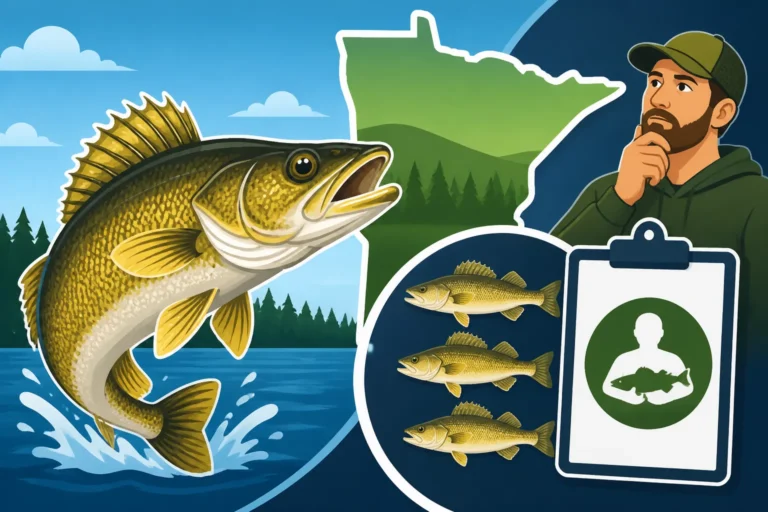
- Daily Bag Limit: This refers to the maximum number of lake trout you can keep in a single day of fishing. For most inland Minnesota waters, the daily bag limit for lake trout is typically three. This means that from midnight to midnight, you cannot harvest more than three lake trout. If you're fishing with friends or family, each licensed angler contributes to the overall daily bag.
- Possession Limit: This refers to the total number of lake trout you can have in your possession at any given time, regardless of when they were caught. For most inland waters, the possession limit is usually also three, meaning you can't have more than three lake trout, whether they're fresh from today's catch, frozen from a previous trip, or in transit. This limit is critical, especially for those who might be staying at a cabin for a week or taking multiple fishing trips in a short period. The possession limit often equals the daily bag limit to prevent anglers from stockpiling fish over several days. For a broader understanding of how these limits work across different species, you can check out Minnesota Fishing Limits: Bag & Possession (2026).
These limits are designed to prevent overharvesting and distribute the catch among more anglers. Imagine if everyone could keep dozens of lake trout; the population would quickly dwindle. These limits ensure that the resource is shared sustainably.
Understanding Size Restrictions: Protecting the Future
Size restrictions are another critical component of lake trout management, and they vary significantly depending on the specific lake. These are often in place for two main reasons:
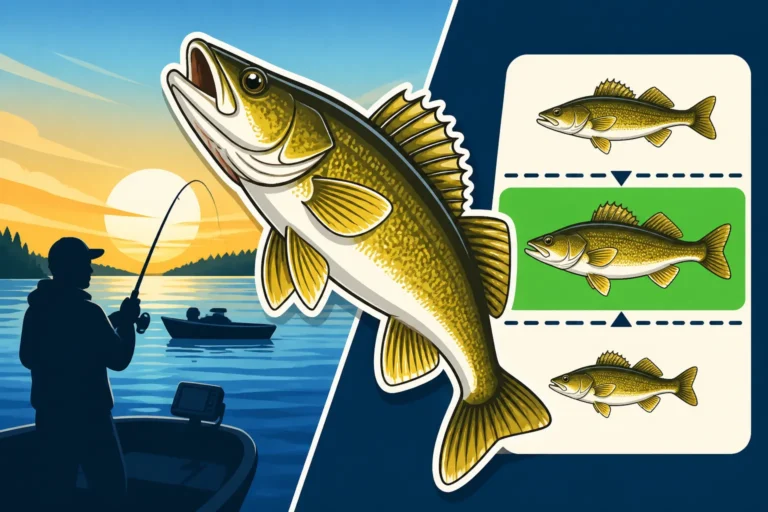
- Protecting Spawning Stock: Many regulations include a "slot limit" or a minimum/maximum size. For instance, a common regulation might state that all lake trout between 20 and 30 inches must be immediately released. This protects the prime breeding fish, allowing them to reproduce and contribute to future generations. These larger, more mature fish are often the most prolific spawners, and their survival is crucial for the health of the fishery.
- Allowing for Growth: Minimum size limits ensure that fish have a chance to grow to a respectable size before being harvested. A small lake trout might be a fun catch, but allowing it to grow for another year or two can significantly increase its size and reproductive potential.
It’s truly disheartening to see someone keep an undersized fish, not only because it's illegal, but because it actively harms the very fishery we all cherish. Always carry a reliable measuring tape and be prepared to carefully release any fish that doesn't meet the legal requirements. Good Catch and Release Best Practices in Minnesota are not just a courtesy; they're often a legal necessity and always a sign of a responsible angler.
Special Regulations on Specific Lakes: The Devil is in the Details
As with seasons, specific lakes can have highly individualized regulations regarding lake trout limits and sizes. These special rules are often implemented for specific management objectives. For example:
- Trophy Lakes: Some lakes are managed specifically for trophy-sized lake trout, and might have a reduced daily bag limit (perhaps one fish) or a protected slot limit to allow more fish to grow large. The Boundary Waters Canoe Area Wilderness (BWCA) has many such lakes, like Lake Saganaga, where specific restrictions apply to preserve the wilderness experience and trophy potential. If you're heading into the BWCA, it's essential to consult the specific regulations for the lakes you plan to fish, which often have unique rules. Our Boundary Waters (BWCA) Fishing Guide provides an excellent overview for planning such trips.
- Rehabilitation Lakes: Some lakes might have recently been stocked or are undergoing population recovery, leading to more stringent limits or even catch-and-release-only policies for a period.
- Lake Superior: Again, Lake Superior stands apart. While the general season is open year-round, the daily bag limit is often lower than inland lakes (typically five lake trout), with specific stipulations regarding length limits for certain areas or types of fish (e.g., lean vs. siscowet lake trout). For example, there might be a slot limit of 15 to 20 inches, with only one over 25 inches. These distinctions are crucial for anyone fishing the North Shore. Our North Shore Fishing: Lake Superior & Tributaries guide can give you more insights into this incredible fishery.
This table provides a generalized overview. Always refer to the official Minnesota DNR regulations for the most current and specific information for the water body you plan to fish.
| Regulation Type | General Inland Lake Trout Rules (Most Lakes) | Lake Superior (Minnesota Waters) | Border Waters (e.g., Lake of the Woods) |
|---|---|---|---|
| Open Water Season | Third Saturday in May – Late September/Early Oct | Year-round (specific limits apply) | Varies, often aligned with partner jurisdiction |
| Ice Fishing Season | Mid-November – Late March | Year-round (specific limits apply) | Varies, often aligned with partner jurisdiction |
| Daily Bag Limit | 3 fish | 5 fish (specific size/type restrictions apply) | Varies (often 2-3 fish) |
| Possession Limit | 3 fish | 5 fish (specific size/type restrictions apply) | Varies (often 2-3 fish) |
| Size Restrictions | Varies widely by lake (e.g., 1 fish over 20", slot limits) | Varies (e.g., no more than 1 fish over 25") | Varies by specific lake |
Essential Gear and Techniques for Minnesota Lake Trout
Once you've got the legalities down, it's time to talk strategy. Lake trout are powerful, deep-water fighters, and successfully targeting them requires the right equipment and a good understanding of their behavior.
Gear Up for Success: Rods, Reels, and Lures
Fishing for lake trout isn't like panfishing; you need robust gear that can handle strong runs and the depths these fish inhabit.
- Rods and Reels: A medium-heavy to heavy action spinning or baitcasting rod, typically 6'6" to 7'6" in length, is ideal. Pair it with a sturdy reel spooled with 15-30 lb braided line, often with a fluorocarbon leader of similar strength. Braided line offers excellent sensitivity for detecting subtle bites at depth and has minimal stretch for strong hooksets. For general tips on setups, though focused on a different species, you might find some crossover in our guide to Best Walleye Rods & Reels.
- Lures: Lake trout are predatory and respond well to presentations that mimic their forage, which often includes ciscoes, smelt, and other baitfish.
- Jigging: Heavy jigging spoons (1/2 oz to 2 oz or more), tube jigs, and bucktail jigs are excellent for vertical presentations. Colors like white, silver, chartreuse, and blue are often productive.
- Trolling: Deep-diving crankbaits, spoons like Dardevles or Doctor Spoons, and lead-core line setups with flashy attractors are go-to choices. When learning How to Catch Lake Trout: Jigging & Trolling, understanding how to present these lures at the right depth is key.
- Electronics: A good fish finder is almost essential for lake trout fishing. Since they inhabit deep structure, being able to locate drop-offs, humps, and schools of baitfish is a massive advantage. Side imaging and down imaging technologies can really help paint a picture of the underwater landscape.
- Ice Fishing Specifics: When the lakes freeze over, your gear will shift slightly. Heavy-duty ice fishing rods, reliable tip-ups, and sensitive lines are crucial. You'll still use many of the same lures, but often presented through a hole in the ice. Make sure you check out resources like Best Ice Fishing Gear for Minnesota (2026) Guide to get yourself outfitted for the hard water.
Mastering Lake Trout Techniques: Jigging, Trolling, and Ice Fishing
Lake trout demand different tactics depending on the season and their depth.
- Open Water Trolling: This is arguably the most popular and effective method during the open water season. Using downriggers, lead-core line, or simply heavy weights, anglers present lures at depths where lake trout are actively feeding, often 40-100 feet or more during warmer months. Varying your speed and trying different depth contours can be crucial.
- Vertical Jigging: When you've located fish on your electronics, dropping a heavy spoon or jig directly down to them can be incredibly effective. The key is to impart an erratic action that mimics a wounded baitfish, then pause for the strike. This is particularly effective over underwater structure or schools of bait.
- Ice Fishing: Lake trout under the ice are often found suspended over deep water or cruising along breaklines. Jigging large spoons, tube jigs, or even deadsticking a minnow can be highly productive. Many ice anglers will set up multiple lines with tip-ups, covering a wider area while jigging a main line. Remember to understand How Many Lines Can You Use Ice Fishing in Minnesota? to stay within regulations.
Navigating the Waters: Where to Find Lake Trout in Minnesota
Minnesota is truly a land of lakes, and while many hold various species, only a select few offer the deep, cold, oxygenated water that lake trout require. These are the gems where you can consistently target these magnificent fish.
Top Minnesota Lakes for Lake Trout
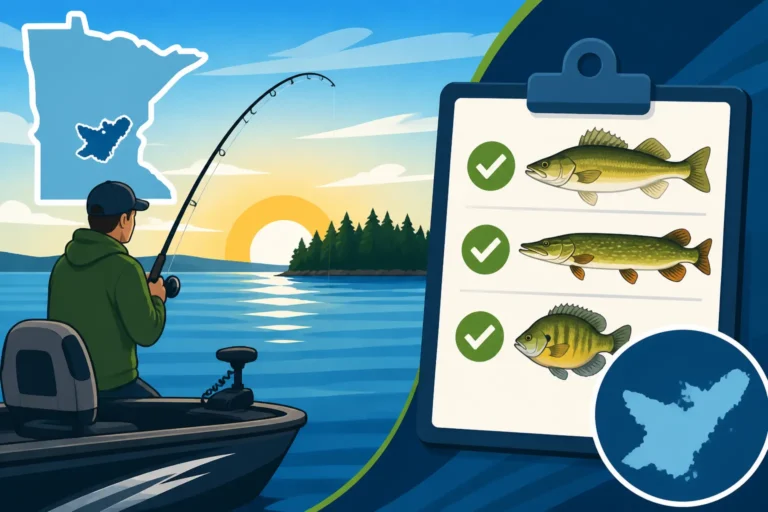
When you're looking to tangle with a laker, you'll need to head to the northern reaches of the state, or specifically to Lake Superior. The best inland lake trout fisheries are typically found in the Northeast and North-Central regions of Minnesota, particularly in areas with glacial lake basins or significant depth.
- Lake Superior: Undisputedly the king of lake trout fishing in Minnesota. Its vastness and incredible depth make it a world-class fishery. Anglers target lake trout both from shore and by boat, particularly around the North Shore's numerous rocky points, river mouths, and deeper reefs. The Apostle Islands area, though primarily in Wisconsin, is also a renowned lake trout destination.
- Boundary Waters Canoe Area Wilderness (BWCA): Within the pristine wilderness of the BWCA, you'll find numerous lakes managed specifically for lake trout. Lakes like Saganaga, Basswood, Rainy Lake, Mountain Lake, and Clearwater Lake are famous for their healthy populations. The remote nature of these lakes means you often have to work to get to them, but the reward of solitude and untouched fisheries is well worth the effort. For those looking to combine a wilderness experience with exceptional fishing, the BWCA is unparalleled.
- Lake Vermilion: While known for its walleye and muskie, Lake Vermilion also boasts a respectable lake trout population, particularly in its deeper basins. It offers a more accessible option than some of the remote BWCA lakes, with resorts and amenities.
- Other Notable Lakes: Lakes like Ten Mile Lake near Hackensack, some of the deep lakes in Voyageurs National Park (like Kabetogama and Namakan), and even some smaller, deep waters like Caribou Lake in Lake County or Trout Lake in Cook County, can offer good lake trout opportunities. Always consult the DNR's lake finder tool for specific species information on individual lakes.
For a broader view of where to find various species, you might also consider our general guide on Best Fishing Lakes in Minnesota, though for lake trout, you’ll definitely be focusing on the deeper, colder options.
Lake Superior: A World-Class Fishery
It's impossible to talk about lake trout in Minnesota without dedicating a special moment to Lake Superior. This colossal body of water isn't just a lake; it's an inland sea, and it offers an entirely different fishing experience. The lake trout here are often larger, live longer, and offer a truly epic fight. From the depths off Grand Marais to the waters near Duluth, Lake Superior provides diverse opportunities. Anglers often troll with heavy gear far offshore, sometimes many miles from the nearest port. The challenge is immense, but the reward of a powerful, chrome-sided Lake Superior lake trout is unlike any other. Remember, the unique ecosystem of Lake Superior also means unique regulations, so always be prepared to familiarize yourself with these specific rules before embarking on a North Shore adventure.
Disclaimer
Please remember that fishing regulations, including seasons, limits, and size restrictions, are subject to change. While this guide aims to provide accurate and up-to-date information, it is your responsibility as an angler to consult the official Minnesota Department of Natural Resources (DNR) fishing regulations handbook or their website before each fishing trip to ensure compliance. Ignorance of the law is not a valid defense. Fish responsibly and ethically.