Lake Pepin Fishing Regulations (2026)
There are few things more frustrating than heading out to your favorite fishing spot, only to realize you're not entirely sure about the latest regulations, especially when you're on a border water like Lake Pepin. That sinking feeling of "Am I doing this right?" can really put a damper on your day. This comprehensive guide is here to clear up all the confusion surrounding the fishing regulations for Lake Pepin, making sure you can focus on catching fish, not worrying about the rulebook.
Understanding Lake Pepin’s Unique Status as a Border Water
Lake Pepin isn't just any Minnesota lake; it's a magnificent, natural widening of the Mississippi River, and because of its location, it acts as a border between Minnesota and Wisconsin. This unique geographical feature means that fishing regulations can sometimes feel like navigating a maze, where rules from two different states merge and occasionally diverge. It's not uncommon for anglers to wonder if they need a Minnesota license, a Wisconsin license, or both, and if they're subject to Minnesota's limits or Wisconsin's.
Border Water Agreements and Reciprocity
Thankfully, Minnesota and Wisconsin have a long-standing agreement when it comes to fishing on shared waters like Lake Pepin. This means that a valid fishing license from either state is generally recognized on the entire border water, provided you abide by the specific border water regulations. You don't need to buy two separate licenses just to fish both sides of the lake, which is a huge relief for many of us who live or recreate near the state line. This reciprocity is a cornerstone of managing these shared fisheries effectively and ensures anglers aren't unduly burdened. However, this doesn't mean all regulations are identical; it simply means your license is valid. The actual rules about what you can catch, how many, and what size often come down to specific agreements for these border waters, which sometimes differ from the statewide regulations of either Minnesota or Wisconsin.
Who Sets the Rules for Lake Pepin Fishing?
While both states have a say, the Minnesota Department of Natural Resources (DNR) and the Wisconsin Department of Natural Resources (WDNR) collaborate to establish the specific fishing regulations for Lake Pepin and other Mississippi River border waters. They work together to ensure sustainable fisheries management, considering factors like fish populations, spawning success, and angler harvest. The result is a set of "border water regulations" that apply to Lake Pepin specifically, which can sometimes be a blend or a compromise of each state's individual rules. This means that while you might be familiar with general statewide rules, like the Minnesota Walleye Limit & Size Rules or Minnesota Northern Pike Limits by Zone, you always need to double-check the border water regulations, as they can supersede the standard statewide rules when fishing Lake Pepin. It's a system designed to protect shared resources while offering a seamless experience for licensed anglers from either state.
General Minnesota Fishing Regulations Applying to Lake Pepin (2026)
Even with the border water agreements, it's crucial to understand the foundational Minnesota regulations that still apply, or at least influence, the rules you'll encounter on Lake Pepin. Think of these as the general framework, with the border water rules acting as specific adjustments within that framework.
Licensing Requirements and Reciprocity
Let's talk licenses first, because it's the absolute first step before you even think about casting a line. For Lake Pepin, as a Minnesota/Wisconsin border water, you are in luck: a valid resident or non-resident fishing license from either Minnesota or Wisconsin is accepted when fishing on Lake Pepin itself. This means if you're a Minnesotan, your Minnesota Fishing License: Cost, Types & How to Buy (2026) is perfectly fine. Similarly, if you're coming from Wisconsin, your Badger State license is good to go. However, there's a critical caveat: if you venture off Lake Pepin into non-border Minnesota waters (like tributary streams or lakes entirely within Minnesota's border), you must have a Minnesota fishing license. The same applies if you leave Lake Pepin and go into a Wisconsin-only body of water. So, while your license is flexible on Pepin, keep its limits in mind for your broader fishing adventures. Also, don't forget any necessary stamps, like a Minnesota Trout Stamp & Trout Regulations, if you plan to target trout in designated areas that might connect to the border water system.
Statewide Species Regulations and Border Water Differences
While Lake Pepin has its own set of rules, many of the general Minnesota fishing principles still apply. For example, the concept of a "possession limit" is universal across Minnesota waters, including Lake Pepin. This means the total number of a specific fish species you can have on your person or transport, regardless of where or when they were caught, cannot exceed the legal limit. You can't, for instance, catch a limit of walleye on Lake Pepin under border water rules and then go catch another limit on an inland Minnesota lake and combine them. That's a big no-no. It's vital to remember that the unique regulations for Lake Pepin, which we'll dive into shortly, often represent a carefully negotiated agreement between the two states, sometimes differing significantly from either state's inland rules. So, while it's good to know the general Minnesota Fishing Seasons & Opener Dates (2026) or Minnesota Fishing Limits: Bag & Possession (2026), always prioritize the specific Lake Pepin rules.
Specific Lake Pepin Fishing Regulations (2026)
Now, let's get down to the nitty-gritty: the actual rules that govern what you can keep and when on Lake Pepin. These are the details that separate a successful, legal outing from a potentially costly mistake. Because Lake Pepin is a border water, these regulations are harmonized between Minnesota and Wisconsin. Always double-check the latest regulations booklet from either state, but here's what to expect for 2026.
Walleye and Sauger Regulations
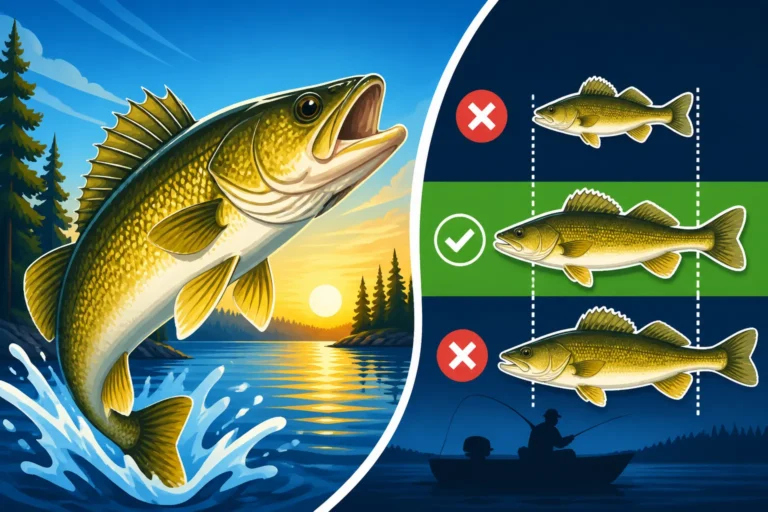
Walleye and sauger are highly prized on Lake Pepin, drawing countless anglers to its waters. For 2026, the combined bag limit for walleye and sauger on Lake Pepin and the entire Minnesota-Wisconsin boundary waters of the Mississippi River (including Lake Pepin) is likely to be six fish in total. This means you can keep up to six fish that are either walleye or sauger, or a combination of both. When it comes to size restrictions, expect a minimum length limit. Typically, walleye and sauger must be at least 15 inches long to be kept. There might also be a protected slot limit, which means fish within a certain size range must be immediately released. For example, in past years, a slot limit of 20-27 inches has been in effect for walleye on these waters, with only one fish over 27 inches allowed in the bag. It's crucial to measure your fish carefully and understand these specific rules. The season for walleye and sauger on Lake Pepin generally runs year-round, but specific regulations often kick in around the general Minnesota Walleye Opener 2026 time in May.
Panfish (Crappie, Sunfish, Perch) Regulations
Lake Pepin is also a fantastic spot for panfish, offering opportunities for crappie, sunfish (bluegill and other varieties), and yellow perch. These species provide consistent action and are perfect for a family fishing trip. For 2026, expect a generous, but controlled, bag limit for panfish. Historically, the combined daily bag limit for crappie, sunfish, and yellow perch on Lake Pepin is 25 in total, with no more than 15 of these being crappie. This means you could keep 15 crappie and 10 sunfish, or 25 yellow perch, or any combination that respects the 15-crappie sub-limit and the overall 25-fish limit. There are typically no size limits for these panfish species on Lake Pepin, but releasing the larger breeding fish is always a good practice for sustainable fishing. You can fish for panfish year-round on Lake Pepin, making it a reliable target any time of year. For more general information on limits, check out Minnesota Crappie & Sunfish Limits.
Northern Pike and Bass Regulations
Northern pike and both largemouth and smallmouth bass are also present in Lake Pepin and its backwaters. For northern pike, the border water regulations are often simpler than Minnesota's statewide zone regulations. You can typically expect a daily bag limit of three northern pike, with a minimum size of 24 inches. This is a fairly standard regulation designed to protect larger breeding pike. As for bass, the regulations for both largemouth and smallmouth bass on Lake Pepin usually follow a combined daily bag limit of six fish. These bass typically have a minimum length of 14 inches. The bass season generally runs from late May, similar to the general Minnesota Bass Season (New 2026 Catch-and-Release), through late winter, making them a great target throughout the open water months.
Catfish Regulations (Channel and Flathead)
Lake Pepin is renowned for its excellent catfishing, especially for both channel and flathead catfish. These powerful fish offer a thrilling fight and are fantastic table fare. The border water regulations reflect the strong catfish populations. For channel catfish, the daily bag limit is typically 10 fish, with no size restrictions. This allows for plenty of action. Flathead catfish, which can grow to immense sizes, usually have a more restrictive bag limit to protect these trophy fish. Expect a daily bag limit of one flathead catfish, with a minimum size of 15 inches. Furthermore, a rule often specifies that flathead catfish between 30 and 42 inches must be immediately released, allowing only one flathead over 42 inches in your possession. This Minnesota Slot Limits: Which Lakes & Why approach helps maintain the trophy potential of the fishery. The season for catfish is generally open year-round, so you can target these whiskered giants whenever you wish.
Here's a quick summary of typical Lake Pepin border water regulations:
| Species | Daily Bag Limit | Size Limit (Minimum) | Special Regulations |
|---|---|---|---|
| Walleye / Sauger | 6 (combined) | 15 inches | Often 1 over 27 inches, with 20-27 inch slot release. |
| Crappie | 15 (as part of 25 panfish combined) | None | Part of 25 panfish combined limit. |
| Sunfish / Perch | 25 (combined with crappie, up to 15 crappie) | None | |
| Northern Pike | 3 | 24 inches | |
| Largemouth Bass | 6 (combined with smallmouth) | 14 inches | |
| Smallmouth Bass | 6 (combined with largemouth) | 14 inches | |
| Channel Catfish | 10 | None | |
| Flathead Catfish | 1 | 15 inches | Often 30-42 inch slot release, with 1 over 42 inches. |
Note: These are typical regulations for Minnesota-Wisconsin border waters like Lake Pepin. Always consult the most current Minnesota DNR or Wisconsin DNR fishing regulations for the precise and up-to-date rules for 2026.
Essential Gear and Practices for Lake Pepin
Beyond the regulations, a successful and responsible fishing trip on Lake Pepin involves smart preparation and adherence to best practices. This large body of water presents unique challenges and responsibilities.
Aquatic Invasive Species (AIS) Prevention
Lake Pepin, being a highly trafficked and ecologically significant waterway, is particularly vulnerable to Aquatic Invasive Species (AIS). Preventing their spread is not just good practice, it's the law. Before you leave any body of water, including Lake Pepin, you must always clean all plants and debris from your boat, trailer, and fishing gear. You must drain all water from your livewell, bilge, and bait buckets. And finally, you must dispose of any unwanted bait in the trash, not back into the water. These "Clean, Drain, Dispose" rules are paramount. Failure to comply can result in significant fines and, more importantly, can lead to irreversible damage to our precious waters. Make sure you understand Aquatic Invasive Species (AIS) Rules for Boaters thoroughly. Remember to take steps like reviewing How to Decontaminate Your Boat (AIS) for best practices.
Safe Boating and Navigation
Lake Pepin is a big lake, and as part of the Mississippi River, it sees a fair amount of commercial and recreational traffic. Safety should always be your top priority. Always wear a life jacket, especially if you're in a smaller craft or if conditions are choppy. Be aware of changing weather patterns; strong winds can whip up waves quickly, making navigation challenging. Know the river channels and watch for wing dams and other submerged structures that can be hazards. If you're using a boat, make sure it's properly equipped with all required safety gear, like navigation lights, sound-producing devices, and a fire extinguisher. Familiarize yourself with basic boating etiquette and yield to commercial vessels. It’s a good idea to have reliable navigation tools, like a GPS Lake Map, especially if you're exploring new areas of the lake.
Disclaimer
Please remember that fishing regulations can change. While this guide provides the most accurate information available at the time of writing for 2026, it is essential to always consult the official Minnesota Department of Natural Resources (DNR) and Wisconsin Department of Natural Resources (WDNR) fishing regulations pamphlets or websites before you head out. These official sources are the final authority on all fishing rules and regulations.