Is a Fishing License Required on Leech Lake?
Planning a trip to the massive expanse of Leech Lake often brings up a swirling set of questions, especially regarding the legalities of the Leech Lake Indian Reservation. You might be wondering if your standard state license covers these waters or if you need something extra. This guide clarifies exactly when, where, and why you need a fishing license on Leech Lake.
The Short Answer: Do You Need a License for Leech Lake?
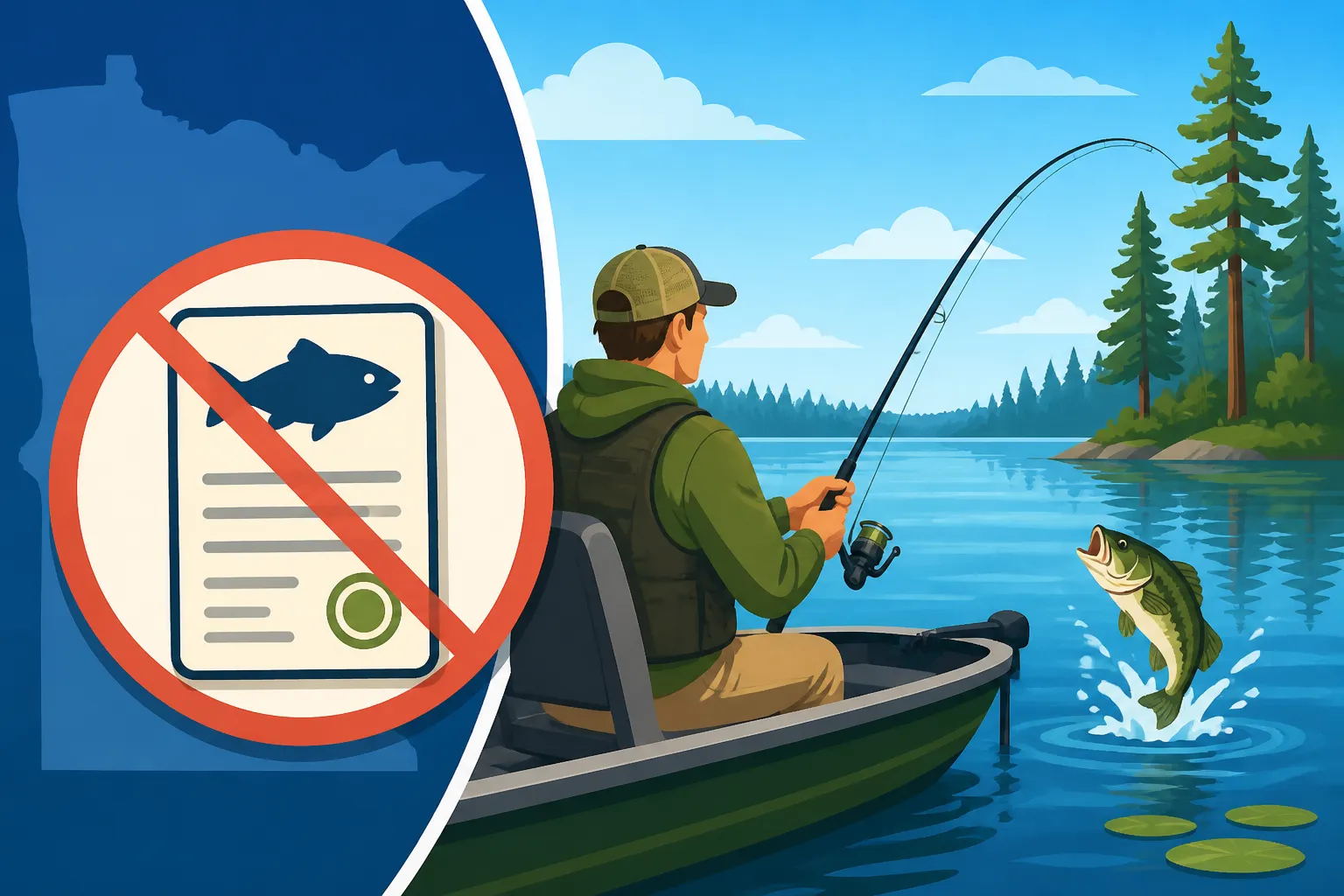
If you are a non-tribal member over the age of 16, the answer is a resounding yes. You absolutely need a valid Minnesota fishing license to wet a line in the 112,000 acres of water that make up Leech Lake. Whether you are targeting world-class walleye in Walker Bay or hunting for a trophy muskie in Steamboat Bay, the Minnesota Department of Natural Resources (DNR) requires you to have your credentials in order before your first cast.
Many people get confused because Leech Lake sits almost entirely within the boundaries of the Leech Lake Indian Reservation. It is a common misconception that this means state laws don't apply to visitors. In reality, through a long-standing agreement between the state and the Leech Lake Band of Ojibwe, non-band members are required to possess a standard Minnesota license. This ensures that conservation efforts remain consistent across the massive system and that the fishery is protected for generations of anglers to come.
Getting caught without your paperwork is more than just an embarrassing moment with a Conservation Officer; it can be an expensive mistake that ruins a perfectly good weekend in northern Minnesota. Before you head out from the docks at Trapper's Landing or Horseshoe Bay, you’ll want to ensure you’ve read through the Minnesota Fishing License: Cost, Types & How to Buy (2026) guide to know exactly which document fits your needs.
Why Leech Lake is No Exception
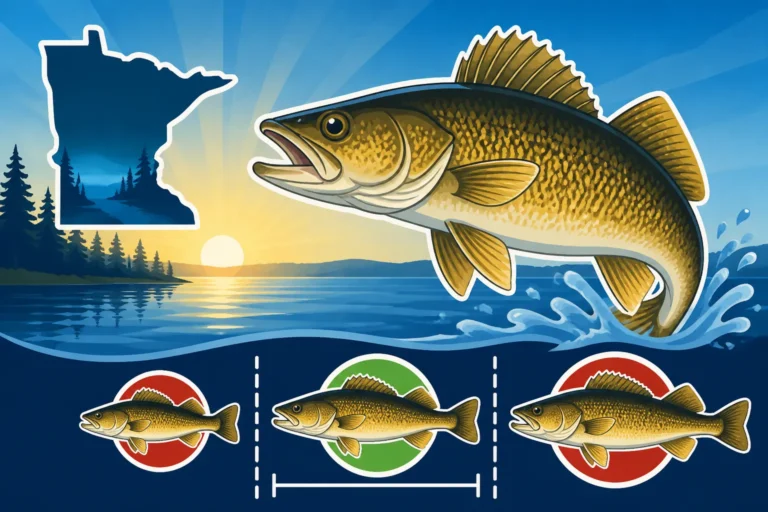
Leech Lake is the third-largest lake entirely within Minnesota's borders. Because of its size and its location within the reservation, there is a complex web of jurisdiction. However, for the average recreational angler, the rule of thumb is simple: if you aren't a member of the Leech Lake Band of Ojibwe, you are subject to Minnesota state fishing regulations. This includes not just the license itself, but also the specific Leech Lake Walleye Limit & Slot rules that govern how many fish you can take home for a fish fry.
The lake is managed cooperatively. The DNR and the Band's Division of Resource Management work together to monitor fish populations, set limits, and manage invasive species. This cooperation is why the fishing remains so productive, but it also means that enforcement is rigorous. You’ll often see both state DNR trucks and Tribal DNR vehicles patrolling the access points and the open water.
Validating the Frustration of License Logistics
Let’s be real: trying to navigate the "where and when" of fishing licenses can feel like a chore when all you want to do is get the boat in the water. We have all had those moments where we realize our annual license expired two days ago, or we can’t remember if we bought the "Conservation" or "Regular" version. The anxiety of seeing a green DNR boat approaching while you’re scrambling to find your digital license on a phone with 2% battery and no signal in the middle of Pelican Island is a universal angler experience.
It feels like one more barrier between you and the peace of the lake. But on a water body as famous as Leech, these rules are the only thing keeping the pressure from commercialization and over-fishing at bay. Without the licensing system, the "big water" wouldn't stay big for long.
Understanding Tribal Land and State Jurisdiction
One of the most frequent points of confusion regarding Leech Lake involves the intersection of Tribal sovereignty and State law. Because the lake is within the Leech Lake Indian Reservation, there are specific nuances that differ from a standard lake like Gull or Minnetonka.
For non-tribal members, your state license allows you to fish the waters of the lake freely. However, the rules can change the moment your feet hit the shore. Much of the land surrounding Leech Lake is private Tribal land or part of the reservation's protected areas. While you can boat over it, you cannot always walk on it or hunt on it without additional permits from the Band.
Fishing Within the Reservation Boundaries
While the water is shared for fishing purposes under state licensing for non-members, you must respect the specific cultural and resource boundaries set by the Band. For example, some areas might be closed to certain activities during wild rice harvesting season. This typically doesn't affect your ability to catch walleye or bass, but it is important to stay informed about local postings at public landings in towns like Walker or Federal Dam.
If you are an enrolled member of the Leech Lake Band of Ojibwe, you have different rights and do not require a Minnesota state license to fish within your reservation. For everyone else—whether you’re from Minneapolis or out of state—you are a guest on these waters and must follow the DNR’s lead. If you are planning a trip to this specific area, checking the Leech Lake Fishing Guide can provide more context on the best spots that are easily accessible to the public.
Accessing the Water Through Tribal Land
This is where things can get tricky. If you are using a public DNR boat ramp, your state license is all you need. However, if you are crossing private Tribal land to reach a secret shore-fishing spot, you may be trespassing. The Band manages its own permitting for land use, including small-game hunting and harvesting.
Most visitors stay at the numerous resorts, like Moonlight Bay or Brindley's Harbor, which have their own private access points. In these cases, you are perfectly fine. But if you’re the adventurous type looking to bushwhack to a remote section of the Boy River or a hidden bay, always check a plat map to ensure you aren't violating Tribal land rights. It’s about more than just a fine; it’s about respecting the community that has stewarded this land for centuries.
Comparing Minnesota License Options for Your Trip
Not every angler needs the same type of license. Depending on how long you’re staying and how many fish you actually plan to keep, you might be able to save some money or simplify your paperwork. Minnesota offers several tiers of licensing that are all valid on Leech Lake.
The most common choice for locals is the Annual Resident Individual license. But if you’re just visiting for a long weekend to participate in a tournament or a family reunion, a 72-hour license might be the better play. Furthermore, you need to decide between a "Full" and a "Conservation" license. If you’re a catch-and-release enthusiast, the Minnesota Conservation vs Regular License choice is worth researching, as the Conservation license is cheaper but comes with lower possession limits.
| License Type | Duration | Who Needs It? | Key Benefit |
|---|---|---|---|
| Resident Individual | 1 Year | MN Residents 16+ | Unlimited trips for the season |
| Resident Married Couple | 1 Year | MN Couples | Discounted rate for two |
| Nonresident Individual | 1 Year | Out-of-state visitors | Full season access for tourists |
| 72-Hour License | 3 Days | Residents & Nonresidents | Perfect for a weekend trip |
| Conservation License | 1 Year | Residents & Nonresidents | Lower cost for catch-and-release |
Choosing the Right Duration
If you only make it up to Walker once a year for the Minnesota Walleye Opener 2026, the 24-hour or 72-hour licenses are incredibly convenient. They allow you to pay only for the time you spend on the water. However, keep in mind that the clock starts ticking the moment you purchase them (or at the specific time you designate during purchase).
For those who live in the Brainerd Lakes area or make frequent treks up Highway 371, the annual license is always the best value. It pays for itself in just a few trips. Also, remember that Minnesota licenses run from March 1st to the last day of February the following year. Don't be the person who thinks their "annual" license bought in June is still good for the next June!
Where to Purchase Your License Locally
While the easiest way to get legal is to use the DNR's online portal, sometimes you want that physical piece of paper, or you need to pick up some last-minute tackle and bait. If you’re heading to Leech Lake, there are several legendary spots where you can buy a license and get a local fishing report at the same time.
Reeds Family Outdoor Outfitters in Walker is perhaps the most famous destination. You can walk in, grab your license, and get a tip on where the crappies are biting in the narrows. Other spots like the Y-Mart or various gas stations along the lake also offer license sales. Buying locally is a great way to support the small businesses that make Leech Lake such a vibrant community. If you prefer the digital route, you can learn How to Get a Minnesota Fishing License Online to save time before you even leave your driveway.
Special Circumstances: Kids, Seniors, and Exemptions
Minnesota is relatively generous when it comes to who doesn't need a license, but the rules are specific. You don't want to assume your teenager is exempt only to find out they hit the age limit last month.
On Leech Lake, the same age-based rules apply as the rest of the state. It’s a wonderful place to take a family, and understanding the Minnesota Fishing License for Kids & Youth rules can help you plan a budget-friendly outing.
Rules for Youth and Seniors
Any Minnesota resident under the age of 16 can fish without a license. This is a great way to get kids hooked on the sport without the financial barrier. However, they must still follow all size and possession limits. If a child is fishing under the supervision of a licensed adult, their fish usually count toward the adult's limit unless they are residents fishing independently.
For seniors, Minnesota offers a discounted resident senior license for those 65 and older. It’s a small way for the state to say thanks to the veteran anglers who have been hitting the water for decades. If you fall into this category, make sure you specifically ask for the senior rate to save a few bucks for extra minnows.
Nonresident Exceptions
If you are coming from out of state, the rules are slightly stricter. Even non-resident youth may need a license if they want their own "limit" of fish. If a non-resident child under 16 is fishing with a licensed parent, they can fish for free, but any fish they keep go toward the parent's limit. If the child wants their own separate limit, they must purchase a nonresident youth license.
For more details on these specific costs, check out How Much Is a Nonresident Minnesota Fishing License? to avoid any surprises at the bait shop. It’s always better to over-prepare when bringing family from out of state to a premier destination like Leech.
What Happens if You Fish Without a License?
The temptation to "just sneak out for an hour" without renewing your license is real, especially when the weather is perfect and the fish are jumping. However, the penalties for being unlicensed on Leech Lake are significant.
Conservation Officers (COs) on Leech Lake are famously thorough. Because it is a high-traffic, high-value fishery, you are very likely to be checked at some point during the season, especially during busy times like the Minnesota Fishing Seasons & Opener Dates (2026).
Fines and Legal Consequences
If you are caught fishing without a license, you are looking at a mandatory fine that often exceeds the cost of an annual license by five or ten times. But the fine is just the beginning. The CO has the authority to confiscate your fishing gear, and in extreme cases—such as if you are also over the limit or have multiple violations—they can even seize your boat and trailer.
The legal headache also involves a "restitution" fee for any fish in your possession. Each species has a dollar value assigned to it. Catching a limit of walleye without a license could result in a bill for hundreds, if not thousands, of dollars. For a full breakdown of the risks, read our guide on What Happens If You Fish Without a License in Minnesota?.
The Ethical Side of Licensing
Beyond the fines, there is the community aspect. The money from fishing licenses goes directly back into the lakes. It pays for the stocking programs, the AIS (Aquatic Invasive Species) inspectors at the ramps, and the maintenance of the public docks you use.
When you fish without a license on Leech Lake, you are essentially "freeloading" on the efforts of everyone else who paid their way. It’s a point of pride for most Minnesota anglers to carry their license; it’s a sign that you are a partner in the conservation of our 10,000 lakes.
Minnesota Fishing Regulations Disclaimer
While every effort is made to provide accurate and up-to-date information regarding Minnesota fishing licenses and regulations for Leech Lake, laws are subject to change by the Minnesota Department of Natural Resources (DNR) and Tribal authorities. Always consult the official Minnesota Fishing Regulations handbook or the DNR website before your trip to ensure compliance with the most current laws, including emergency closures or specific slot limit changes. This guide is for informational purposes and does not constitute legal advice.