Pelican Lake Fishing (Which One?)
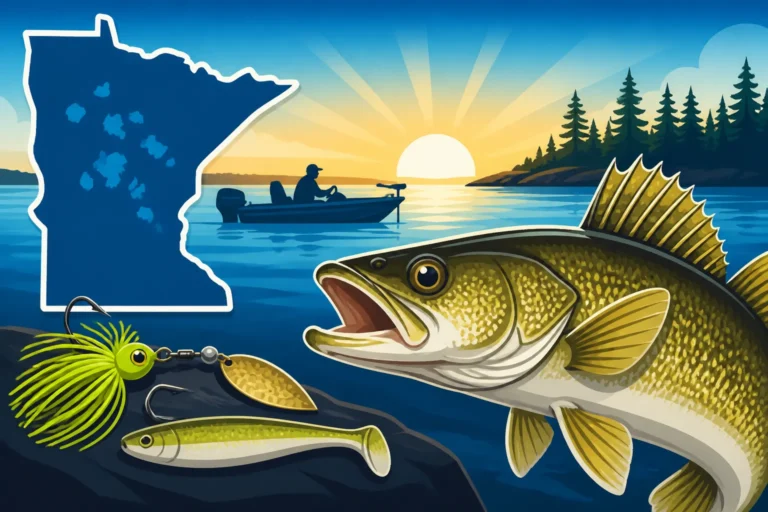
It's a common dilemma, isn't it? You hear someone rave about "Pelican Lake fishing," and your mind immediately jumps to a hundred questions: Which Pelican Lake are they even talking about? In Minnesota, we're blessed with an abundance of waters, but this particular name pops up more than a few times on the map, leading to understandable confusion. This guide is here to untangle that knot, focusing on the most prominent Pelican Lakes for anglers and ensuring you head to the right spot, rigged for success.
The Great Pelican Lake Confusion: Identifying Your Destination
Minnesota is known as the Land of 10,000 Lakes, and it seems a fair number of them are named "Pelican." This can be a real head-scratcher when you're planning a fishing trip, especially if you're trying to nail down specific reports or regulations. Before you even think about baits and depths, the first step is always to confirm which Pelican Lake you're aiming for.
Pelican Lake in Otter Tail County: The Big One
When most Minnesota anglers talk about "Pelican Lake," they're almost certainly referring to the large, productive lake nestled in Otter Tail County, near the charming towns of Pelican Rapids and Detroit Lakes. This is the jewel in the crown of the many Pelican Lakes, a sprawling body of water known for its diverse fishery and vibrant recreational scene. It's truly a destination lake, drawing anglers from across the state and beyond.
Located in west-central Minnesota, this Pelican Lake spans roughly 3,986 acres with a maximum depth of 57 feet. Its irregular shape, dotted with numerous bays, points, and islands, provides an incredible variety of structure for fish. The bottom composition ranges from sand and gravel to muck, offering different habitats that appeal to various species throughout the year. If you're looking for a serious fishing adventure with ample space and diverse opportunities, this is usually the Pelican Lake people are talking about.
Other Notable Pelican Lakes in Minnesota
While Otter Tail's Pelican Lake gets most of the glory, it's crucial to remember that it's not the only one. There are several others scattered across the state, each with its own unique characteristics and fishing potential. Failing to differentiate can lead to wasted time and mismatched expectations.
- Pelican Lake (St. Louis County): Far up in northeastern Minnesota, near Orr and Lake Vermilion, you'll find another significant Pelican Lake. This one is part of the Vermilion River system and offers a much more rugged, wilderness feel. It's substantially larger at over 11,000 acres, but much of its shoreline is undeveloped, part of the Kabetogama State Forest. The fishing experience here is wilder, often targeting different species or requiring different tactics than its Otter Tail counterpart.
- Pelican Lake (Becker County): Situated near Buffalo Lake and Richwood, this Pelican Lake is smaller, around 1,465 acres. It’s part of a chain of lakes and offers a more intimate fishing experience, popular with local residents.
- Other smaller Pelican Lakes: Seriously, there are more. Places like Pelican Lake in Wright County (near Buffalo), or even tiny unnamed Pelican Ponds. These are typically much smaller, often private access, or simply not on the radar for most destination anglers.
Why This Distinction Matters for Anglers
The subtle difference in location and size makes all the difference in your fishing plans. You wouldn't use the same tactics or expect the same catches in a deep, clear northern lake as you would in a shallower, fertile central Minnesota basin.
- Target Species: Different lakes support different dominant fish populations. For example, while both Otter Tail and St. Louis Pelican Lakes have walleye, the techniques, bait choices, and even average sizes might vary considerably. St. Louis County's Pelican Lake, being further north and wilder, might have a stronger pike presence or even lake trout in deeper pockets, whereas Otter Tail's might be more known for its strong panfish and bass numbers.
- Regulations: While statewide Minnesota Fishing Limits: Bag & Possession (2026) apply, some lakes have special regulations. A slot limit on walleye in Otter Tail's Pelican Lake might not exist on the St. Louis County one, or vice-versa. Always check the current Minnesota DNR fishing regulations for the specific lake you plan to visit.
- Fishing Pressure & Amenities: The larger, more popular Pelican Lake in Otter Tail County often sees higher recreational traffic and offers more amenities like resorts, public access points, and bait shops. The St. Louis County version is much more remote, with fewer services, offering a more secluded experience. Knowing this helps you prepare for your trip, from booking a guide through platforms like FishingBooker to simply knowing where to grab minnows.
Deep Dive into Otter Tail County's Pelican Lake Fishing
Let's be honest, when people say "Pelican Lake fishing," they're usually dreaming of Otter Tail County's gem. This lake is a fantastic all-around fishery, offering something for every angler, from the seasoned veteran to the family just looking to catch some panfish. It’s a classic Minnesota lake, brimming with potential.
Species You'll Encounter and How to Target Them
Pelican Lake is a diverse ecosystem, hosting a healthy population of popular game fish. Knowing what's biting and how to approach them is key to a successful outing.
- Walleye: The undisputed king in Minnesota, and Pelican Lake doesn't disappoint. Walleye here relate heavily to the lake's abundant structural elements: points, reefs, humps, and even the extensive weed lines. During the spring opener, post-spawn walleye can be found shallower, especially near inlets and transitional breaks. As summer progresses, they move to deeper humps and mud flats, often congregating around schools of tullibees or perch. Trolling crankbaits like Berkley Flicker Shads or Rapala Shad Raps is a popular method, especially on the main lake basins. Trolling for Walleye: Crankbaits & Leadcore is an excellent resource if you're looking to refine your trolling game. For those who prefer a more hands-on approach, jigging with a live minnow or a leech (especially during summer) around structure is highly effective, as is drifting with a Lindy Rig. Don't forget the power of Night Fishing for Walleye in Minnesota – those big eyes thrive in low light!
- Northern Pike: Pelican Lake has a healthy population of northern pike, with plenty of hammer handles and a good chance at some respectable eaters. Pike are ambush predators, so target them around weed edges, lily pad fields, and submerged timber. Spinnerbaits, spoons like Dardevles, and large crankbaits are go-to lures. For a more aggressive fight, try tossing large topwater baits near emergent weeds in the mornings or evenings. Live bait, especially large shiners on a quick-strike rig, can also be very effective for bigger pike, particularly under a bobber along deep weed lines.
- Bass (Largemouth and Smallmouth): While not as famous for bass as some other lakes, Pelican Lake offers solid bass fishing. Largemouth bass will be found in the shallower, weedy bays, around docks, and submerged logs. Spinnerbaits, plastic worms (Texas or Carolina rigged), and topwater frogs are excellent choices. Smallmouth bass, increasingly common, prefer rockier structure, points, and humps in slightly deeper water, often overlapping with walleye habitat. Crankbaits, drop shots with tubes or finesse worms, and even smaller spoons can entice these hard-fighting bronze backs.
- Panfish (Crappie, Bluegill, Perch): Pelican Lake is an absolute blast for panfish, making it a fantastic family fishing destination. Large schools of crappies can be found suspended over deeper basins, especially during late spring and fall, and around brush piles or submerged trees during warmer months. Small jigs tipped with plastics or minnows under a slip bobber are highly effective. Bluegill are abundant in the shallower, weedy areas and around docks. Small worms, wax worms, or tiny jigs are irresistible to them. Yellow perch are often found in conjunction with walleye and are a delicious by-catch, especially the jumbo ones on the sand flats or weed edges. Ice fishing for these species is also incredibly popular on Pelican Lake.
Best Times and Locations on Pelican Lake (Otter Tail)
Timing and location are everything on a lake as dynamic as Pelican. Fishing patterns shift with the seasons, and understanding the lake's structure is paramount.
- Spring (Walleye Opener to early June): After the ice goes out, walleyes will be in their post-spawn recovery, often near shallower breaks and sand flats adjacent to spawning areas. Key areas include the Pelican River inlet/outlet and shallower bays warming up first. Pitching jigs and plastics or slowly trolling small crankbaits can be deadly. Crappies will move into very shallow bays and channels to spawn, offering incredible action on small jigs. Don't forget to check the Minnesota Fishing Seasons & Opener Dates (2026) for the exact dates.
- Summer (June through August): This is when fish spread out across the lake. Walleyes will transition to deeper humps, mid-lake reefs, and the main lake basin mud flats. Look for baitfish schools on your electronics. Trolling with bottom bouncers and crawler harnesses, or deep-diving crankbaits, becomes very productive. Bass will be active in and around weed lines and docks. Panfish will be found in their deeper summer haunts, often relating to submerged cover or suspended over deeper water.
- Fall (September through Ice-up): As water temperatures drop, fish begin to feed aggressively in preparation for winter. Walleye will often return to shallower points and rock piles, particularly in the evenings, gorging on baitfish. Large minnows on jigs or under slip bobbers are fantastic. Pike fishing can be phenomenal as they stack up in remaining green weeds. This is often the time for trophy fish.
- Winter (Ice Fishing Season): Pelican Lake is a popular ice fishing destination. Walleyes are targeted on humps and points with jigging spoons and rattle baits, often tipped with a minnow head. Crappies are found suspended in deeper basins, while perch can be caught on sand flats or shallower weed edges. An area near the Pelican River is often a reliable spot. Checking local ice reports from bait shops is always a smart move. For a complete guide to Minnesota ice fishing, check out our Ice Fishing in Minnesota: Complete Beginner-to-Pro Guide.
Hot Spots:
While fish move, some areas consistently hold fish. The extensive sand flats in the central part of the lake, particularly those with scattered weed clumps or subtle depth changes, are walleye magnets. Look for the "humps" and "eyes" on your lake map. The channels connecting bays, like those leading into Little Pelican Lake, can be excellent for both walleye and crappie during seasonal movements. The various points and rock piles throughout the lake are also prime locations for smallmouth bass and walleye. For detailed lake maps, consider using apps like Navionics or LakeMaster, which show crucial contours and structure.
Navigating Regulations and Local Tips
Staying compliant with regulations and tapping into local knowledge will significantly enhance your Pelican Lake fishing trip.
- Statewide & Lake-Specific Regulations: Always double-check the current Minnesota DNR fishing regulations pamphlet. While general rules apply, specific lakes, including Pelican Lake in Otter Tail County, may have special size or possession limits for certain species to protect fish populations. These can change yearly, so never assume. For example, some lakes have Minnesota Slot Limits: Which Lakes & Why in place to protect spawning fish or boost trophy potential.
- Bait Shops & Local Intel: Your best friend on any new lake is a local bait shop. Places like J&K Bait & Tackle in Pelican Rapids or Quality Bait & Tackle in Detroit Lakes are invaluable resources. They'll have the freshest bait, tell you what's been biting, and often share insights on current hotspots, water temperatures, and conditions. They live and breathe this stuff, so don't be shy about asking questions!
- Guides and Charters: If you're new to Pelican Lake or want to maximize your time, consider hiring a local fishing guide. They know the lake like the back of their hand and can put you on fish quickly. Platforms like FishingBooker are a great way to find reputable guides who specialize in Pelican Lake fishing. They can provide all the necessary gear and show you the ropes, which is especially helpful for targeting specific species like walleye or muskie.
- Boat Launches & Access: Pelican Lake has several public boat launches around its perimeter, offering easy access for various boat sizes. Check the DNR website or local guides for launch locations and any associated fees. Remember to follow Aquatic Invasive Species (AIS) Rules for Boaters to prevent the spread of unwanted plants and animals. This includes cleaning, draining, and drying your boat and gear.
Other Pelican Lakes: A Quick Look for Anglers
While Otter Tail County's Pelican Lake is the star, let's not completely overlook its namesakes. They offer different experiences, and if you find yourself in those regions, they can provide rewarding fishing.
Pelican Lake (St. Louis County)
This large, wild lake near Orr provides a more remote fishing experience. It’s part of a chain of lakes and rivers, leading to a dynamic environment.
- Key Species: Walleye, Northern Pike, Black Crappie, and Smallmouth Bass are the primary draws. Due to its northern location and wilder nature, the walleye population can be very healthy, and pike tend to run larger on average than in some southern lakes.
- Fishing Characteristics: Expect a more rugged, less developed shoreline. Fishing here often involves navigating larger expanses of water and focusing on deep breaks, rock reefs, and large bays. Jigging and trolling are effective for walleye, while large spoons and spinnerbaits work well for pike. This lake might appeal more to those seeking solitude and a true wilderness fishing feel, rather than a busy resort lake experience.
- Logistics: Amenities are fewer and farther between here. Plan your trip with supplies in mind. There are public access points, but they might be less developed than those on more populated lakes.
Pelican Lake (Becker County)
Smaller and part of a lake chain, this Pelican Lake offers a different charm, often appealing to locals or those staying nearby.
- Key Species: It's known for its decent populations of Walleye, Northern Pike, Largemouth Bass, and various Panfish, including good crappies and bluegills.
- Fishing Characteristics: Being a shallower, more fertile lake than its St. Louis County counterpart, fishing here often revolves around weed lines, submerged structures like brush piles, and shallow bays. It’s a good lake for targeting panfish with light tackle and for bass fishing with a variety of lures. Walleye can be found on specific humps and breaks, often requiring a more precise approach.
- Local Feel: This lake has a more community-centric feel, with private cabins and local resorts. It's a great spot for a relaxed day on the water, perhaps with the family, without the intense fishing pressure of some larger, more famous lakes.
What to Expect from Smaller Pelican Lakes
For the truly intrepid angler, or those who live near one of the many smaller, lesser-known Pelican Lakes, here’s a general idea of what you might encounter:
- Focus on Panfish and Bass: Smaller lakes often excel at producing abundant panfish (bluegill, crappie, perch) and largemouth bass due to ample shallow, weedy habitat. They can be fantastic for introducing kids to fishing.
- Less Pressure, Fewer Amenities: You'll likely encounter less fishing pressure, but also fewer public amenities. Access might be limited to a single public launch or even require permission from a landowner if it's a small, isolated body of water.
- Check Local Regulations: Always, always check the specific DNR regulations for these smaller lakes. Some might have unique experimental regulations, or very strict rules to protect fragile fisheries. The DNR Lakefinder tool is your friend here – input the lake name and county to get specific details.
Planning Your Pelican Lake Fishing Adventure
No matter which Pelican Lake calls to you, a little preparation goes a long way. Being ready with the right gear, knowledge, and mindset will ensure a memorable trip.
Essential Gear for Minnesota Fishing
Having the right tools for the job is crucial. Here’s a basic rundown, but remember to tailor it to your target species and the specific Pelican Lake you choose.
- Rods and Reels: A medium-light to medium-heavy spinning rod (6'6" to 7') with a matching reel spooled with 6-10 lb monofilament or braided line will cover most walleye, pike, and bass situations. For panfish, a lighter ultralight setup with 2-4 lb line is ideal. Our Best Fishing Gear for Beginners in Minnesota (By Budget) guide can offer more tailored recommendations.
- Lures and Baits:
- Walleye: Jigs (1/8 oz to 3/8 oz), crankbaits (Shad Raps, Flicker Shads), spinner rigs with live bait (leeches, minnows, nightcrawlers).
- Pike: Spoons (Daredevils), spinnerbaits, larger crankbaits.
- Bass: Plastic worms, jigs, spinnerbaits, topwater lures.
- Panfish: Tiny jigs (1/32 oz to 1/16 oz), small hooks with wax worms, red worms, or pieces of nightcrawler.
- Electronics: A good fish finder or depth locator is invaluable for locating structure and fish, especially on larger lakes. For ice fishing, a flasher like a Vexilar or Humminbird Ice Helix is practically a necessity for seeing fish and your lure in real-time.
- Other Essentials: Landing net, pliers, first-aid kit, sunscreen, insect repellent, rain gear, warm layers, map of the lake, life vests, and of course, your valid Minnesota Fishing License: Cost, Types & How to Buy (2026).
Finding a Fishing Guide or Charter
For many, the thought of dropping lines in an unfamiliar lake can be daunting. That's where a local guide shines. A good guide doesn't just put you on fish; they teach you about the lake, its patterns, and effective techniques.
- Benefits of a Guide: They provide all the necessary equipment, bait, and often share local secrets. They understand the nuances of the lake, like current water temperatures, baitfish movements, and how recent weather has affected the bite. This is especially true for elusive species like muskie, or when you're targeting trophy fish.
- Booking Your Trip: Online platforms like FishingBooker make it easy to search for and book guided fishing trips on Minnesota's lakes, including the prominent Pelican Lake in Otter Tail County and even some guides operating on the St. Louis County version. You can browse guide profiles, read reviews, and find the perfect match for your group's experience level and target species.
- What to Expect: Most guides offer half-day or full-day trips. Discuss your expectations beforehand – whether you want to target a specific species, learn new techniques, or just catch a lot of fish for a shore lunch. Many guides also offer ice fishing trips during the winter months.
Accommodations and Local Amenities
Whether you're looking for a rustic cabin or a full-service resort, the major Pelican Lakes have options to suit various preferences.
- Otter Tail County Pelican Lake: The towns of Pelican Rapids and Detroit Lakes offer a wide array of lodging, from cozy fishing resorts to hotels and vacation rentals. You'll find plenty of restaurants, grocery stores, bait shops, and other services to make your stay comfortable. This region is a popular tourist destination, so booking accommodations well in advance, especially during peak summer months or the When Is the Minnesota Walleye Opener 2026?, is highly recommended. Our Otter Tail County Fishing (1,000 Lakes) guide can give you more insights into the broader area.
- St. Louis County Pelican Lake: Accommodations here are generally more limited and lean towards smaller, family-run resorts or cabin rentals, often with a more rustic, wilderness feel. The nearby towns of Orr and Crane Lake provide basic services. This is a destination for those who want to disconnect and immerse themselves in nature.
- Camping: Both major Pelican Lakes also offer camping opportunities, from primitive sites in state forests to developed campgrounds with amenities. Check the Minnesota DNR website or state park websites for reservations and availability.
Navigating the various Pelican Lakes in Minnesota might seem like a challenge at first, but with a bit of research and this guide, you'll be well-prepared to find your perfect fishing spot. Good luck out there, and tight lines!
Disclaimer
Fishing conditions, regulations, and access can change rapidly. Always consult the latest official Minnesota Department of Natural Resources (DNR) regulations and local advisories before planning any fishing trip. This guide is for informational purposes only and should not be considered a substitute for official government publications.