Upper Red Lake Walleye Fishing Tips
Upper Red Lake. Just the name conjures images of endless stretches of frozen expanse, bustling ice houses, and, of course, the promise of prolific walleye fishing. But let's be real, while its reputation for fantastic walleye action is well-deserved, hitting the water (or ice!) without a solid plan can leave even seasoned anglers scratching their heads. This guide is here to cut through the guesswork, offering practical, on-the-water tips to help you consistently find and catch walleye on this incredible northern Minnesota fishery.
Understanding Upper Red Lake’s Unique Walleye Fishery
Upper Red Lake isn't just another body of water; it's a unique ecosystem with characteristics that profoundly influence how walleye behave and how anglers should approach them. Ignoring these fundamental differences is a surefire way to struggle, so let's dive into what makes this lake tick.
The Shallow, Stained Water Advantage
Unlike many of Minnesota's deep, clear glacial lakes, Upper Red Lake is remarkably shallow, averaging only about 10-12 feet deep across its vast 120,000+ acres. This isn't just a fun fact; it's a game-changer. The shallow nature, combined with its often stained or turbid water, creates a low-light environment that walleye absolutely thrive in. This means they're often more active throughout the day than in clearer, deeper lakes, where they tend to retreat to the depths during bright conditions. For anglers, this opens up opportunities beyond just dawn and dusk bites. The stained water also makes them less wary of boat traffic or shadows, though being stealthy never hurts.
This consistent low-light condition means that walleye vision, which is superior in dim light, is constantly leveraged, making them formidable predators. You won't typically find walleye suspending over 40 feet of water here; they're almost always relating to the bottom or subtle changes in depth. This simplicity in structure can actually be a challenge for some anglers accustomed to complex contours and sharp breaks. On Upper Red, it's often about finding those subtle differences.
Abundant Walleye Population Dynamics
Upper Red Lake is managed as a true trophy factory, but with a twist. The DNR has done an incredible job sustaining a robust walleye population, which includes a high number of eaters and good numbers of larger fish. The lake is known for its incredible natural reproduction, leading to year classes that can be simply astounding. This means you often have a chance at catching a lot of fish in a day, which is always a blast!
However, this abundance also comes with specific regulations to ensure sustainability. It's vital to stay up-to-date on the current bag and slot limits, which can change year to year based on population assessments. You can always check the specific rules for the lake, including the current walleye limits, by looking up the latest information on the Upper Red Lake Walleye Limit & Slot. The regulations often feature a protected slot limit, meaning fish within a certain size range must be immediately released. This is crucial for maintaining the healthy spawning population and ensuring future fantastic fishing. Don't be surprised if you catch and release more fish than you keep; it's part of the Upper Red experience and a sign of good management.
Essential Walleye Tactics for Upper Red Lake
Fishing on Upper Red Lake, whether you're battling the elements during ice fishing season or enjoying the open water, demands a specific approach to consistently hook into those golden beauties. These tactics are refined to work best with the lake's shallow, stained, and often featureless environment.
Live Bait Rigs and Jigging
When it comes to putting walleye in the boat or on the ice, live bait is king on Upper Red, especially when paired with simple yet effective rigging. The natural movement and scent of live bait are often irresistible to these walleye.
For Open Water:
- Lindy Rigs and Slip Bobbers: A classic Lindy Rig, often tipped with a lively leech or a juicy nightcrawler, is incredibly effective. The goal is to present your bait slowly and naturally along the bottom. Because the lake is shallow, you don't need excessive weight. A 1/2 oz to 3/4 oz walking sinker is usually sufficient. Drift with the wind or use your trolling motor to cover ground slowly. A slip bobber rig is another killer option, particularly if you've found a small piece of structure or a concentrated school of fish. It allows you to present bait vertically and precisely, keeping it in the strike zone longer. This is especially good for targeting those slightly larger fish that might be holding tight to subtle breaks. You can learn more about how to effectively use a slip bobber for walleye and crappie by checking out our guide on How to Use a Slip Bobber for Walleye & Crappie.
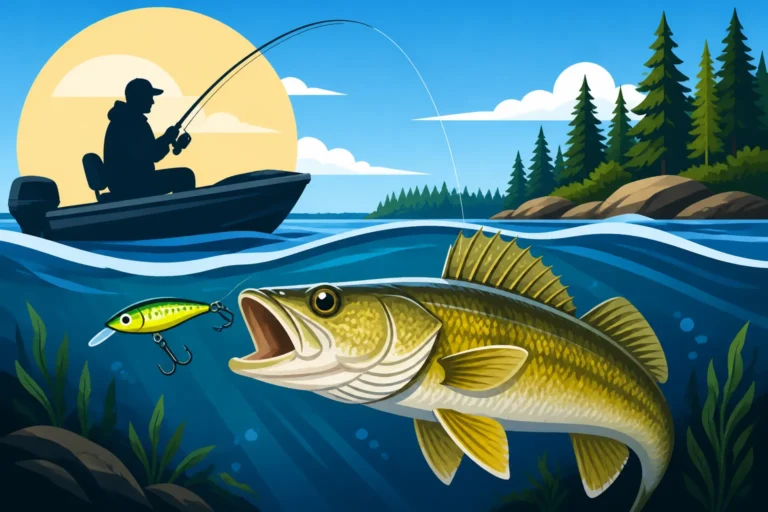
- Jigging: Pitching a jig and a minnow is a time-tested technique. On Upper Red, a 1/8 oz to 1/4 oz jig, tipped with a fathead or shiner minnow, is often all you need. Work it slowly, making contact with the bottom, and imparting subtle lifts and drops. Don't be afraid to experiment with jig colors; chartreuse, orange, and white are perennial favorites, especially in stained water. The key is often a slow, methodical presentation.
For Ice Fishing:
- Deadsticking: This might sound passive, but it's incredibly effective on Upper Red. Set up one line with a plain hook, split shot, and a lively shiner or minnow just off the bottom. Let it sit in a rod holder while you actively jig another line. Often, the deadstick gets hit by the more tentative biters or those trophy fish that prefer a stationary meal. It's a fundamental part of Ice Fishing for Walleye: Tactics & Setups.
- Jigging Raps and Spoons: While live bait is vital, aggressively jigging a Rapala Jigging Rap, VMC Tingler Spoon, or a Northland Forage Minnow Spoon can trigger reaction strikes. Again, keep it near the bottom. The flash and vibration can draw fish in, and the erratic action often seals the deal. Tip your jigging lure with a minnow head or a piece of plastic for added scent and appeal. You'll find a wide variety of excellent options when looking at Best Walleye Lures: Jigs, Cranks & Spinners.
Trolling for Coverage and Reaction Bites
While Upper Red Lake isn't typically thought of as a big trolling lake in the same way as, say, Mille Lacs, it can be surprisingly effective for covering water and finding active fish, especially during open water seasons.
Open Water Trolling:
- Shallow-Running Crankbaits: Given the lake's shallow depth, focus on crankbaits that run in the 5-10 foot range. Think Rapala Shad Raps, Berkley Flicker Shads, or Salmo Hornets. Troll at speeds between 1.5-2.5 mph. The stained water often means brighter, more visible colors like firetiger, chartreuse, or even a pearl white can be very effective. Use your electronics to stay in the primary depth zones, often 8-12 feet, and pay attention to subtle changes in bottom content or depth.
- Leadcore Line (selectively): While not a primary technique for Upper Red due to its shallow nature, leadcore can be useful in certain situations, especially if you're targeting specific humps or subtle depressions that might be a touch deeper. It allows you to precisely control your depth, keeping your crankbait right in the strike zone. However, for most of the lake, long-lining with monofilament or fluorocarbon is sufficient. Our article on Trolling Crankbaits for Walleye: Speed & Depth has more specifics.
Seasonal Strategies for Upper Red Walleye
Upper Red Lake transforms throughout the year, offering distinct fishing opportunities. Understanding these seasonal shifts is critical for consistent success, ensuring you're using the right tactics at the right time.
Spring and Early Summer: The Opener Buzz
The walleye opener on Upper Red Lake is legendary. When the ice finally relinquishes its grip, walleye are hungry and often aggressive, making for some truly memorable fishing. The Minnesota Fishing Seasons & Opener Dates (2026) will give you the exact dates, but typically, it's mid-May.
- Shallow Water Focus: After spawning, walleye remain relatively shallow, often congregating in areas with slightly warmer water or access to newly emerging weeds. Look for depths of 4-8 feet, especially near shorelines or subtle points.
- Preferred Baits: Live bait is extremely productive. Jigging with a shiner minnow is a go-to. Cast jigs to points, bays, and breaks, allowing them to settle before a slow retrieve. If drifting, a classic Lindy Rig with a fathead or leech is hard to beat. The walleye are still recovering and eager to feed, making them less picky than they might be later in the season. Don't overlook slip bobbers with a leech under them, particularly on calmer days.
Mid-Summer: Settling into a Pattern
As summer progresses and water temperatures rise, walleye on Upper Red Lake will establish more consistent patterns, though they generally remain in shallower water compared to other lakes.
- Subtle Structure is Key: The challenge on Upper Red is finding "structure" in a relatively flat lake. This could be subtle depth changes of just a foot or two, areas with harder bottom (gravel, sand) amidst softer mud, or isolated patches of emergent weeds. Use your electronics to scan for these nuances. Walleye might relate to these areas during the day, moving to even shallower flats to feed at night.
- Night Fishing Opportunity: Upper Red Lake offers fantastic night fishing, especially in mid-summer. As the sun sets, walleye often move up onto shallower flats, sometimes as shallow as 4-6 feet, to ambush baitfish. Trolling shallow-running crankbaits or casting jigs and plastics can be highly effective after dark. This is where you can truly experience the magic of Night Fishing for Walleye in Minnesota.
- Crawler Harnesses: Trolling with a bottom bouncer and a crawler harness can be deadly for covering water and triggering strikes from active fish. Use bright, visible blades in the stained water.
Fall Transition: Feeding Frenzy
Fall on Upper Red Lake can be absolutely spectacular. As water temperatures cool, walleye go on a feeding binge, packing on weight for the upcoming winter. This is often when you'll find some of the heaviest fish of the year.
- Shallow, Green Weeds: Focus on any remaining green weed beds, particularly in the larger bays. These act as ambush points and hold baitfish. Walleye will often be right in or on the edges of these weeds.
- Aggressive Bites: Walleye are often more aggressive in the fall, willing to chase down lures. Continue with jigs and minnows, but also experiment with larger crankbaits trolled over flats or lipless crankbaits ripped through weeds. The bite windows can be shorter, but when they're on, they're really on!
- Focus on Baitfish: Pay attention to where baitfish are concentrating. Walleye will be close by. If you see schools of tullibees or perch on your electronics, that's where you want to be.
Winter Ice Fishing: The Main Event
Ice fishing on Upper Red Lake is legendary. The lake practically transforms into a small city of ice houses, and for good reason: the walleye bite through the ice is consistently strong. You can truly dive into the full experience with our Ice Fishing in Minnesota: Complete Beginner-to-Pro Guide.
- Early Ice: Right after first ice, walleye are often found in shallower water, 8-12 feet. They're still somewhat spread out but active. Jigging spoons, Jigging Raps, and a deadstick with a shiner are classic combos.
- Mid-Winter: As the ice thickens and winter settles in, walleye might move slightly deeper or concentrate around specific subtle features. The most crucial factor often becomes mobility. Don't be afraid to drill many holes and move until you find active fish. Remember, you'll want the right gear for this. Check out our guide on Best Ice Fishing Gear for Minnesota (2027 Guide).
- Late Ice: Just before ice out, walleye once again become highly active, anticipating the spawn. They'll often move back into shallower staging areas. This can be one of the best times for numbers and quality fish.
- Ice House Considerations: Many anglers opt for portable shelters (hub or flip-over style) for mobility or rent stationary spear houses or sleeper houses for comfort and extended stays. Regardless, ensure your gear can handle the cold!
Key Gear and Considerations for Upper Red Lake Walleye
Having the right equipment can make or break your trip to Upper Red Lake. Given the lake's unique characteristics, some gear choices are more critical than others.
Essential Rods, Reels, and Line
You don't need highly specialized gear, but having reliable setups tailored for walleye fishing will definitely boost your success rate.
- Rods: For jigging and live bait rigging, a sensitive medium-light to medium power fast action spinning rod is ideal. Think 6'6" to 7' rods for casting jigs and slip bobbers, offering enough backbone to set the hook but sensitive enough to feel subtle bites. For trolling, medium-action casting or spinning rods work well, capable of handling the drag of crankbaits. For ice fishing, 28-32 inch medium-light to medium power ice rods are perfect, again with a fast tip for sensitivity.
- Reels: Pair your spinning rods with 1000-2500 series spinning reels for a balanced setup. For trolling, a reliable baitcasting reel with a line counter can be advantageous for repeatable presentations, though spinning reels work fine too.
- Line: For jigging and live bait, 6-8 lb monofilament or fluorocarbon is a solid choice. If you prefer braided line, use 10-15 lb braid with a 6-8 lb fluorocarbon leader for abrasion resistance and stealth. In ice fishing, 4-6 lb fluorocarbon or specialized ice fishing monofilament reduces line twist and visibility in the clear water under the ice. Our guide on Best Fishing Line for Walleye (Braid vs Mono vs Fluoro) can help you choose.
Navigation and Electronics
Given the shallow, often featureless expanse of Upper Red Lake, good navigation and reliable electronics are absolutely invaluable.
- GPS and Lake Maps: A quality GPS unit with detailed lake maps (like Navionics or LakeMaster) is crucial. Even subtle depth changes of a foot or two can hold fish, and these maps highlight those contours. Mark any spots where you find active fish or promising structure.
- Fish Finders/Flasher Units: For open water, a reliable 2D sonar unit will help you identify fish, baitfish schools, and subtle bottom changes. For ice fishing, a Vexilar, Humminbird Ice Helix, or Garmin flasher is practically essential. They allow you to see your lure, any approaching fish, and their reaction to your presentation in real-time. This helps you understand how fish are reacting and adjust your technique instantly. Knowing How to Read a Flasher (Vexilar/Humminbird) is a significant advantage.
- Trolling Motors: An electric trolling motor with GPS capabilities (like a Minn Kota Terrova or Ulterra) is incredibly useful for precise boat control, spot-locking over active fish, or making slow, controlled drifts.
Bait and Presentation Specifics
While we've touched on baits, let's emphasize some Upper Red Lake favorites.
- Minnows: Shiner minnows are often the gold standard on Upper Red, especially in winter. Fatheads and rainbows are also effective. Always have a good supply.
- Leeches and Nightcrawlers: For open water, these are fantastic for rigging and slip bobbers. Ensure they are lively and presented naturally. You can find more detail in our guide to Best Live Bait for Walleye (Leeches, Minnows, Crawlers).
- Plastics: Don't completely overlook soft plastics, especially paddle tails or grubs on a jig head. While not always as consistent as live bait, they can produce when fish are aggressive, especially for covering water quickly.
- Presentation Speed: Generally, slower is better on Upper Red. Walleye are often not chasing down fast-moving baits. A slow, methodical approach, whether jigging or drifting, tends to be more productive.
| Season | Primary Depths (approx.) | Go-To Baits | Key Tactics | Notes |
|---|---|---|---|---|
| Spring | 4-8 feet | Shiner Minnows, Leeches | Jigging, Slip Bobbers | Walleye active after spawn, often near shorelines and new weeds. |
| Early Summer | 6-10 feet | Leeches, Nightcrawlers | Lindy Rigs, Jigging, Trolling | Look for subtle breaks and harder bottom. |
| Mid-Summer | 8-12 feet (day), 4-8 feet (night) | Crawlers, Minnows | Lindy Rigs, Trolling, Night Fishing | Focus on subtle structure, excellent night bite. |
| Fall | 6-10 feet | Minnows, Leeches | Jigging, Trolling Cranks | Walleye feed aggressively, target remaining green weeds. |
| Early Ice | 8-12 feet | Shiner Minnows | Deadsticking, Jigging Spoons | Fish active, often spread out, mobile approach is key. |
| Mid/Late Ice | 10-14 feet | Shiner Minnows | Deadsticking, Jigging Raps | Fish may concentrate, mobility still important. Check slot limits. |
Maximizing Your Upper Red Lake Experience
Beyond the specific fishing tactics and gear, there are several overarching considerations that can significantly enhance your trip to Upper Red Lake. This includes staying safe, respecting regulations, and leveraging local knowledge.
Safety and Regulations First
Upper Red Lake is a massive body of water, and while beautiful, it demands respect. Safety should always be your top priority, especially when ice fishing.
- Ice Safety: Always check ice conditions before venturing out. There are often varying thicknesses, especially near current areas or inlets. Stick to well-traveled paths if unfamiliar with the area. Proper gear, including ice picks and a throwable rope, is essential. Also, be aware of Ice Shelter Removal Deadlines in Minnesota to avoid penalties.
- Weather Awareness: The weather on Upper Red can change quickly. Be prepared for high winds, sudden storms, and rapidly dropping temperatures. Always carry extra layers, emergency supplies, and communicate your plans.
- Know the Rules: As mentioned, Upper Red Lake often has specific and sometimes unique walleye regulations, including special slot limits. It is YOUR responsibility to know and follow these rules. The DNR updates them annually, so make sure you have the most current information. Fishing without proper knowledge or an up-to-date Minnesota Fishing License: Cost, Types & How to Buy (2026) can lead to hefty fines.
Leveraging Local Expertise
Upper Red Lake draws a lot of experienced anglers, and there's a wealth of local knowledge to tap into.
- Local Bait Shops and Resorts: These are invaluable resources. Stop in, buy some bait, and ask about recent patterns, hot baits, and current conditions. They're usually happy to share insights. Resorts like JR's Corner Access or Lyback's Ice Fishing on the south side of the lake, or Waskish Bay Camp to the east, are central hubs of information. Many even offer services like plowed ice roads and sleeper house rentals, making ice fishing much more accessible.
- Fishing Guides: If you're new to the lake or want to fast-track your learning curve, consider hiring a local guide for a day. They know the current bite, where the fish are holding, and can teach you specific techniques for the lake. Sometimes it’s worth the investment for a fantastic day out and invaluable lessons. Websites like FishingBooker can help you find reputable local guides who specialize in Upper Red Lake walleye.
- Online Resources and Reports: Keep an eye on local fishing reports (many resorts post them, and there are active online forums) and check the Upper Red Lake Fishing Report & What's Biting. These can give you a general idea of what's working and where, but always take them with a grain of salt and verify conditions yourself.
Upper Red Lake is a gem for walleye anglers in Minnesota, offering incredible opportunities whether you're chasing them through the ice or during open water seasons. By understanding its unique characteristics, employing the right tactics, and respecting both the lake and its regulations, you're well on your way to a memorable and successful fishing adventure. Tight lines, friends!
Disclaimer
Fishing conditions and regulations in Minnesota are subject to change. Always consult the most current Minnesota Department of Natural Resources (DNR) fishing regulations before heading out on the water or ice. This guide is for informational purposes only and does not constitute legal advice.