White Bear Lake Fishing Report & What’s Biting
White Bear Lake, nestled just northeast of St. Paul, is a beloved body of water for countless Minnesotans. But let's be honest, fishing here can sometimes feel like a puzzle, especially when you're trying to figure out what's biting and where. It's frustrating to spend a beautiful day on the water with no action, wondering if you're even targeting the right species. This comprehensive guide is here to cut through the confusion, offering a realistic look at current fishing conditions, key species, and effective strategies to help you find success on White Bear Lake.
Understanding the Unique Waters of White Bear Lake
White Bear Lake is a fascinating fishery, known for its distinct characteristics that influence everything from fish behavior to effective angling techniques. Unlike some of the deeper, clearer lakes Up North, White Bear has its own personality, and understanding it is the first step to a successful day.
Depth and Structural Features
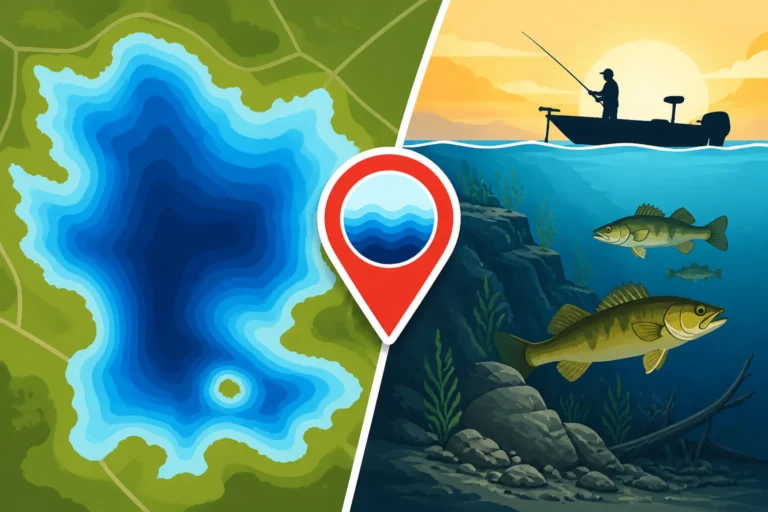
White Bear Lake isn't what you'd call a deep lake, especially when compared to some of Minnesota's giants. Its deepest point is around 50 feet, but much of the lake consists of shallower flats, expansive weed beds, and subtle contours. This means fish often relate to changes in bottom content, weed edges, and access to deeper water for refuge.
For example, during the warmer months, those extensive weed lines, particularly around bays like Bellaire and Goose Lake, become crucial habitats. They offer cover for predatory fish like northern pike and largemouth bass, and serve as feeding grounds for panfish. Anglers often find success by slowly working baits along these edges or seeking out pockets within the weeds. Even subtle changes in depth, like a drop-off from 10 to 15 feet, can concentrate fish, especially walleye, as they move between shallow feeding areas and deeper resting spots. Having a good lake map, whether on your fish finder or a paper chart, is invaluable for identifying these subtle yet critical structural elements.
Water Clarity and Forage Base
The water clarity in White Bear Lake can vary, sometimes having a moderate tint, which influences how fish feed and how visible your presentation needs to be. This isn't Lake Superior gin-clear water, nor is it extremely turbid, falling somewhere in between. This moderate clarity means fish aren't always looking to ambush from great distances, but they're also not as spooked by boats or shadows overhead.
The lake supports a diverse forage base, which is key to sustaining a healthy fishery. You'll find plenty of minnows, shiners, crappie, and bluegill, along with various aquatic invertebrates. This abundant food supply means fish have options, and sometimes cracking the code involves figuring out what they're currently keying in on. For instance, if crappies are gorging on small insect larvae in the weeds, a tiny jig might outperform a larger minnow. Conversely, if walleyes are chasing schools of shiners over deep flats, a faster retrieve with a crankbait mimicking a shiner could be deadly. Understanding what the local bait shops are recommending for forage can give you a significant leg up on the water.
What's Biting Right Now: Key Species and Tactics
So, you've launched your boat or found your spot on the shore, and the big question looms: "What's biting?" White Bear Lake offers a fantastic variety of species, and knowing which ones are active – and how to target them – is essential for a productive outing.
Walleye Updates
Walleyes are a perennial favorite on White Bear Lake, though they can sometimes be elusive. The bite for walleyes often heats up during low-light periods, particularly around dawn and dusk, or on overcast days. Their large, light-sensitive eyes give them an advantage in dimmer conditions, making them more active feeders when the sun isn't blaring.
Anglers often find success using classic walleye techniques. A jig and minnow or a jig and plastic combination worked slowly along structural edges or over deeper humps in the 15-25 foot range can be very effective, especially during spring and fall. In the summer, many experienced anglers turn to trolling crankbaits or spinner rigs with nightcrawlers over deeper flats, particularly near the main basin or where weed lines transition to open water. Colors can make a difference; chartreuse, orange, and natural baitfish patterns are often reliable choices. Don't be afraid to experiment with different depths and speeds until you find what the fish are responding to. If you're struggling to locate them, considering a guided trip through a service like FishingBooker can provide invaluable local insights and put you right on the fish.
Crappie and Panfish Action
White Bear Lake is a fantastic panfish lake, particularly for crappies and bluegills. These species are often more cooperative and provide consistent action, making them perfect for family outings or when you just want to bend a rod.
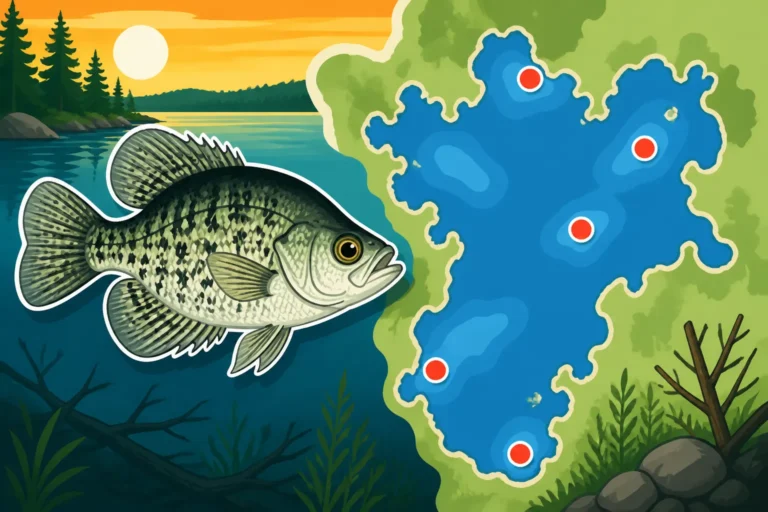
Crappies tend to school up, especially around submerged brush, docks, and the edges of prominent weed beds. During the spring spawn, they move into shallower bays and can be caught in large numbers with small jigs tipped with a minnow or a tiny plastic tail under a bobber. As summer progresses, they often retreat to deeper weed lines or suspend over deeper water, requiring a bit more finesse with electronics to locate them. For bluegills, they are often found nestled deep within the weed beds or cruising along their edges, especially in the shallower bays. Tiny jigs, often tungsten, tipped with waxworms, Gulp! maggots, or even just a small piece of nightcrawler, fished under a sensitive bobber, are deadly for these feisty fighters. A tactic like a How to Use a Slip Bobber for Walleye & Crappie can be incredibly effective for both species, allowing you to present your bait precisely at the desired depth.
Bass Fishing Insights
Both largemouth and smallmouth bass call White Bear Lake home, offering exciting angling opportunities for those who enjoy a strong fight. While not as famous for its bass as some other Minnesota lakes, White Bear certainly holds its own.
Largemouth bass are typically found in the extensive weed beds, around docks, and near other shallow cover. Topwater lures like poppers and frogs can provide explosive strikes early in the morning or late in the evening when fishing over submerged vegetation. During the day, Texas-rigged or Carolina-rigged plastics, jigs, and spinnerbaits worked through and along weed lines are highly effective. For smallmouth bass, look for them around rock piles, points, and transition areas between hard bottom and softer bottom. They can also be found deeper during the summer months. Drop-shot rigs, tube jigs, and small crankbaits that mimic crayfish are excellent choices for tempting these bronzebacks. The Best Bass Lakes in Minnesota (Smallmouth & Largemouth) often share similar characteristics to White Bear in terms of structure and forage, so techniques that work there can often translate here.
Northern Pike Outlook
Northern pike are abundant in White Bear Lake, offering a consistent thrill for anglers looking for aggressive strikes. These toothy predators are widespread throughout the lake and can be caught using a variety of methods.
Pike are often found lurking along weed edges, in deeper pockets within the weeds, and around structural elements where they can ambush baitfish. Large spinnerbaits, spoons, and crankbaits in bright colors are excellent choices for covering water and triggering strikes. Live bait, such as a large minnow under a bobber, is also a highly effective method, especially when fished near known pike hangouts. While often seen as a bycatch when targeting walleye, many anglers specifically pursue pike for their fighting prowess. Just remember to use a steel leader to prevent bite-offs from their razor-sharp teeth! If you're unsure about specific locations, looking into local fishing reports or talking to bait shop owners can often give you hints on where the pike are currently most active.
| Species | Current Bite Status | Common Location | Recommended Bait/Lure | Notes |
|---|---|---|---|---|
| Walleye | Fair to Good | Deep flats, weed edges, humps | Jig & minnow/plastic, crankbaits, crawler harness | Best at low light. |
| Crappie | Good | Weed lines, docks, submerged brush | Small jig & minnow/plastic, slip bobber rigs | Schooling fish, can be very active. |
| Bluegill | Good | Weed beds, shallow bays | Tiny jig & waxworm/Gulp!, small pieces of crawler | Great for kids and consistent action. |
| Largemouth Bass | Good | Heavy cover, docks, lily pads | Soft plastics, jigs, topwater, spinnerbaits | Explosive strikes near cover. |
| Northern Pike | Good | Weed edges, drop-offs | Large spinnerbaits, spoons, live minnows | Aggressive, use a steel leader. |
Seasonal Fishing Patterns on White Bear Lake
Understanding how the fishing changes with the seasons is critical to consistent success on White Bear Lake. Each season presents unique opportunities and challenges, influencing fish location, behavior, and the best techniques to employ.
Spring Opportunities
Ah, spring! After a long Minnesota winter, the ice finally gives way, and anglers eagerly hit the water. This is a dynamic time on White Bear Lake, with fish transitioning from their winter patterns to pre-spawn and spawning behaviors. The Minnesota Fishing Seasons & Opener Dates (2026) are key to knowing when you can target certain species.
Early spring, immediately after ice-out, sees fish like crappies and northern pike becoming very active in shallower, warming bays. Crappies will stage in these areas before moving onto their spawning beds, making them relatively easy to locate and catch using small jigs under a bobber. Northern pike are also looking to feed aggressively after the winter, and casting large spoons or spinnerbaits in these same shallow areas can be incredibly effective. Walleye season typically opens later, but once it does, targeting points and shallow flats adjacent to deeper water with a jig and minnow or a rip jigging technique can yield some excellent early-season fish. The warming water signals a resurgence of activity, and the fish are often hungry.
Summer Strategies
Summer on White Bear Lake brings warmer water, dense weed growth, and a shift in fish behavior. While the fishing can still be fantastic, it often requires different tactics than in the spring.
As water temperatures rise, many fish will move deeper or seek refuge in the cooler, oxygenated areas within dense weed beds. Largemouth bass will be tucked deep into the slop, making presentations like frog baits or punching rigs through matted vegetation highly effective. Smallmouth bass might relate more to rock piles and deeper humps. Walleyes will often be found on deeper main lake structure or suspended over open water, chasing baitfish schools. Trolling with crankbaits or using Bottom Bouncer & Crawler Harness for Walleye can be very productive for covering water and finding these active schools. Panfish, like crappies and bluegills, might move to deeper weed lines or suspend off points. Night fishing can also be particularly effective for walleyes during the summer on White Bear, as they become more active under the cover of darkness. Many local anglers have their favorite secret spots they've found by spending countless hours on the lake, and for those new to the area, a professional guide sourced via FishingBooker can offer a shortcut to summer success.
Fall Hot Bites
Fall is arguably one of the best times to fish White Bear Lake, offering some of the most consistent and exciting bites of the year. As water temperatures drop, fish sense the approaching winter and begin to feed aggressively, packing on reserves.
This is prime time for walleyes, as they move shallower and feed heavily. Casting crankbaits or snap jigging blade baits and lipless cranks along breaklines and points can be incredibly productive. The Fall Walleye Fishing: Turnover & Cold Water period, when the lake water mixes, can sometimes make fishing challenging for a few days, but once it stabilizes, the bite often turns on hot. Northern pike are also very active, chasing large spoons and crankbaits. Crappies and bluegills will begin to school up in deeper basins, making them easier to locate with a good fish finder. Once you find a school, you can often pick off multiple fish using vertical jigging presentations with small plastics or minnows. The fish are often in peak condition, making for memorable catches.
Winter Ice Fishing
When the lake freezes over, White Bear Lake transforms into a bustling ice fishing hub. From portable shelters to permanent ice houses, anglers flock to the hard water, eager to continue the pursuit of their favorite species. The Minnesota Ice Fishing & Shelter Rules are crucial to review before heading out.
Ice fishing on White Bear Lake can be excellent for walleyes, crappies, bluegills, and northern pike. For walleyes, focus on main lake points, humps, and the edges of deeper flats. Jigging spoons like a Northland Forage Minnow or a Rapala Jigging Rap, often tipped with a minnow head or a full minnow, are go-to baits. A deadstick rod with a live minnow just off the bottom is also highly effective. For crappies and bluegills, look for them suspending in deeper basins or relating to submerged structure. Small tungsten jigs tipped with plastics or waxworms are hard to beat. How to Catch Crappie Through the Ice in Minnesota involves delicate presentations and often a flasher to see their responses. Northern pike are often caught on tip-ups set with large shiners or suckers, placed along the weed edges or over shallower points. Ice fishing is a fantastic way to enjoy the Minnesota winter, and White Bear Lake offers ample opportunities.
Accessing White Bear Lake and Navigating Regulations
Before you even think about dropping a line, it's crucial to understand how to legally access White Bear Lake and abide by the Minnesota Department of Natural Resources (DNR) regulations. These rules are in place to ensure a healthy fishery for everyone to enjoy for years to come.
Public Access Points and Facilities
White Bear Lake boasts several public access points, making it relatively easy for anglers to get on the water. The most popular public launches include the Ramsey County launch located off Lake Avenue and the Bellaire Beach launch on the eastern side of the lake. These ramps typically offer ample parking, but they can get very busy, especially on peak summer weekends and during popular fishing tournaments. Arriving early is always a good strategy to secure a spot.
For shore anglers, there are various parks and public areas that offer bank fishing opportunities. Lion's Park, memorial beaches, and areas along Lake Avenue provide some access, though extensive shore fishing can be limited due to private property. When considering Shore Fishing Spots in Minnesota (No Boat Needed), White Bear Lake offers some options, but a boat or ice fishing shelter definitely opens up more of the lake. Always be respectful of private property and posted signs. Remember, regardless of where you fish, you'll need a valid Minnesota Fishing License: Cost, Types & How to Buy (2026).
Current DNR Regulations and Limits
Fishing regulations for White Bear Lake are set by the Minnesota DNR and are designed to manage fish populations sustainably. These regulations can change annually, so it's absolutely vital to check the latest Minnesota Fishing Regulations PDF which is available on the DNR website or at any license vendor. Ignoring these rules can lead to significant penalties, including fines and loss of fishing privileges.
Key regulations to pay attention to include:
- Bag and Possession Limits: This dictates how many fish of each species you can keep per day (bag limit) and how many you can have in your possession at any given time (possession limit). For example, Minnesota Walleye Limit & Size Rules might specify a certain number of fish and a slot limit where fish within a certain size range must be immediately released.
- Size Restrictions: Many species, particularly walleye and northern pike, have size slot limits or minimum/maximum sizes. This means you might only be allowed to keep fish below a certain length, above a certain length, or outside a specific "slot." For White Bear Lake, pay close attention to the specific walleye and northern pike regulations, as these can be lake-specific.
- Season Dates: Ensure the season for the species you are targeting is open. While many panfish species are open year-round, gamefish like walleye, pike, and bass have specific opener and closing dates.
- Aquatic Invasive Species (AIS) Rules: Minnesota takes AIS very seriously. Before leaving any public access, you must remove all weeds and debris from your boat, drain your livewell and bilge, and remove your drain plug. This is not just a suggestion; it's the law. Understanding Aquatic Invasive Species (AIS) Rules for Boaters is non-negotiable.
Always carry a current copy of the regulations, whether digital or physical, and consult it frequently. When in doubt, err on the side of caution or ask a DNR official. It's better to be safe than sorry!
Disclaimer
The information provided in this guide is for general informational purposes only and is based on typical fishing patterns and publicly available data. Fishing conditions, regulations, and fish behavior can change rapidly due to weather, water levels, fish stocking, and DNR management decisions. Always consult the official Minnesota Department of Natural Resources (DNR) website and regulations booklet for the most current and accurate information before heading out on the water. Fishing is an inherently unpredictable activity, and success is never guaranteed.