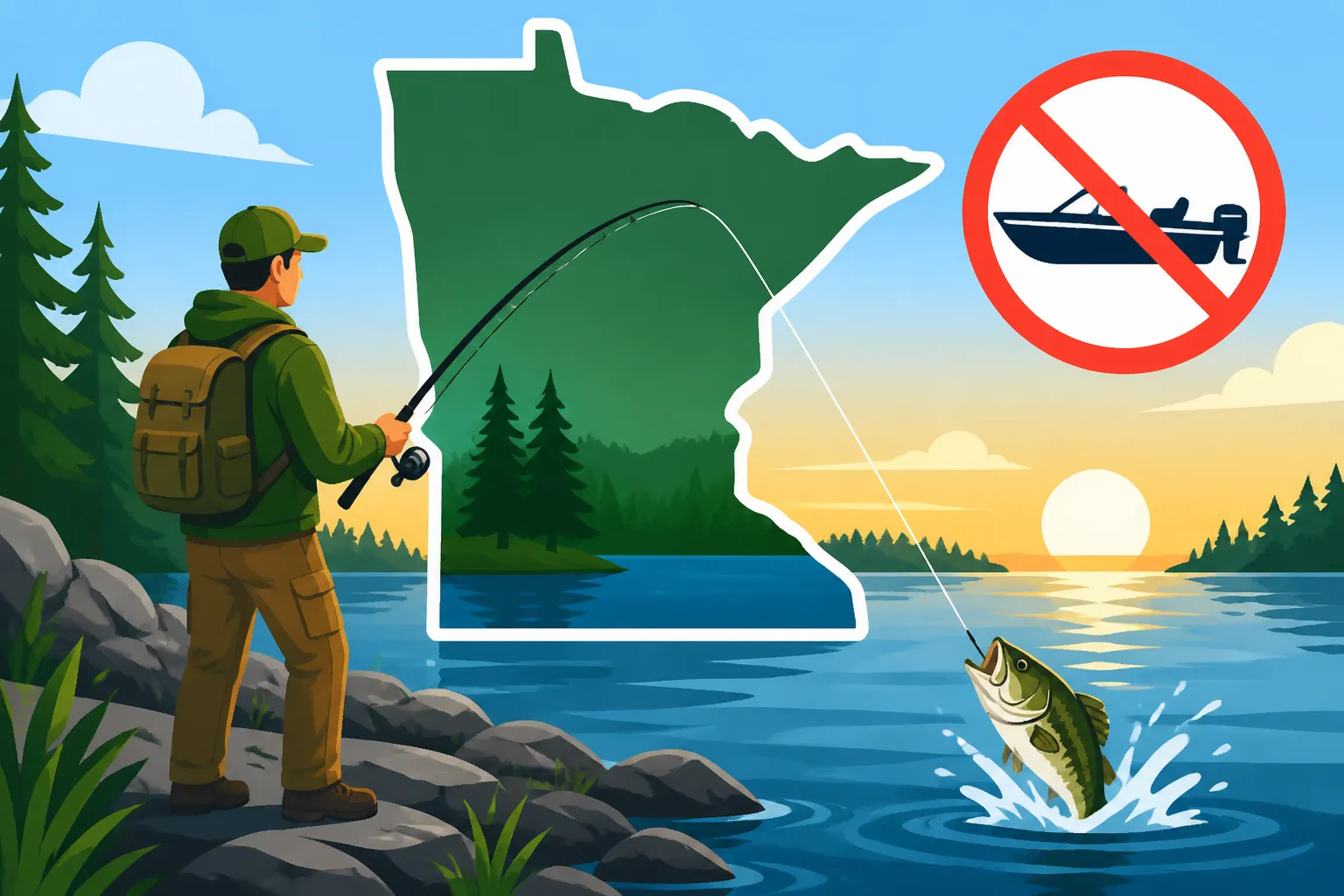
Shore Fishing Spots in Minnesota (No Boat Needed)
Let's be real, not everyone has a fancy bass boat or a decked-out walleye rig. For many of us, fishing in Minnesota means heading to the nearest lake, river, or pond and casting a line from solid ground. It's a fantastic, accessible way to enjoy our state's incredible fisheries, but it can also feel limiting if you don't know where to go or how to approach it. If you're tired of staring at the water, wishing you could reach that distant weed line, this guide is for you. We're going to dive deep into the best shore fishing spots across Minnesota, offering practical tips and showing you just how much angling adventure you can have without ever stepping foot in a boat.
The Beauty and Challenge of Shore Fishing in Minnesota
There's something uniquely satisfying about shore fishing. It strips away a lot of the complexities and expenses of boat ownership, boiling the experience down to the pure essence of angling. You, your rod, and the water. But it's not without its particular challenges, and understanding both the allure and the hurdles is key to really enjoying it.
Why Shore Fishing is a True Minnesotan Experience
Shore fishing is a quintessentially Minnesotan pastime. Think about all those classic images: kids with cane poles on a dock, families gathered around a shoreline campfire, or a lone angler patiently casting from a riverbank as the sun rises. It's a rite of passage, often the first way many of us ever connect with fishing. The accessibility is a huge draw – no boat launch fees, no trailering, no gas money. You can literally walk or bike to many fantastic spots, especially in our urban areas. This simplicity fosters a deep connection to nature, allowing you to really soak in the sights and sounds of the lake or river without the hum of an outboard motor. It's an opportunity for quiet reflection, a chance to slow down and appreciate the natural beauty around you. Plus, let's not forget the pure joy of catching a fish on your own terms, using nothing but your wits and a bit of shoreline savvy.
However, it’s not always a walk in the park. Shore fishing inherently limits your reach. You can't chase schooling fish across open water or easily target deep-water structure far from the bank. Navigating crowded public docks or popular river access points can also be a frustration, especially on a beautiful summer weekend. You might find yourself casting over other lines or waiting for a spot to open up. The challenge lies in adapting your techniques and expectations to these limitations, which is exactly what we'll help you do.
Essential Gear for the Landlocked Angler
You don't need a tackle shop's worth of gear for successful shore fishing, but a few key items will significantly improve your experience. First and foremost, a versatile medium-light to medium action spinning rod and reel combo, around 6 to 7 feet long, is your best friend. This setup allows you to cast a variety of baits and lures, from lightweight panfish jigs to heavier bass or pike rigs. Look for something that’s comfortable to hold for extended periods, as you’ll be doing a lot of casting.
Your tackle box doesn't need to be massive, but it should be well-stocked with the basics. Think a good assortment of hooks (sizes 6-2/0), split shot weights, bobbers (both slip and fixed), and swivels. For bait, live options like nightcrawlers, red worms, and minnows are always excellent choices, covering everything from panfish to walleye and pike. For lures, pack a few small inline spinners (Mepps, Rooster Tail), some classic jigs (1/16 to 1/4 oz) with plastic grub or minnow bodies, and a couple of small crankbaits or spoons that can be cast a good distance. Don't forget a pair of needle-nose pliers for hook removal, a stringer or cooler for your keepers, and comfortable, water-resistant shoes – you'll be doing a lot of walking and maybe even some wading in shallow areas. A small landing net can also be a lifesaver for larger fish, helping you safely land your catch without losing it at the last second. If you're just starting out, check out a guide on Best Fishing Gear for Beginners in Minnesota By Budget for more specific recommendations.
Prime Metro Area Shore Fishing Spots Twin Cities and Beyond
Living in or near the Twin Cities doesn't mean you have to drive hours north to find great fishing. Our urban and suburban lakes and rivers offer incredible shore fishing opportunities, often just a stone's throw from bustling city life.
Minneapolis and St. Paul Urban Gems
The Minneapolis Chain of Lakes is a fantastic urban fishery, and many of its jewels are highly accessible from shore. Take Bde Maka Ska (formerly Lake Calhoun), for example. It offers numerous public docks, piers, and extensive shoreline paths where you can cast for largemouth bass, northern pike, walleye, and an abundance of panfish like crappie and sunfish. Early mornings and evenings are particularly productive. Similar opportunities await at Lake Harriet, with its picturesque bandshell area and fishing pier. These spots are excellent for introducing kids to fishing, with plenty of amenities nearby. Another metro favorite is Lake Minnetonka, which might seem daunting due to its size and boat traffic, but it actually boasts several public parks and piers perfect for shore anglers. Try casting from the docks at Excelsior Commons, Wayzata Beach, or the Lake Minnetonka Regional Park in Minnetrista. You'll find good numbers of panfish, bass, and pike, and sometimes even a respectable walleye if you hit it right. For a change of pace, the Mississippi River itself offers numerous access points within the metro area, particularly below the dams. These spots can hold smallmouth bass, northern pike, walleye, and various catfish species. Remember to always be aware of current and river hazards. You can find more detailed information on specific lakes and species in our Twin Cities Metro Fishing Best Lakes Near Minneapolis & St. Paul guide.
Expanding Your Horizon: Suburbs and Nearby Towns
Venturing just a bit outside the immediate urban core opens up even more fantastic shore fishing opportunities. White Bear Lake is a prime example, offering excellent panfish action from its various city parks and public access points. You might even hook into a decent walleye or pike here, especially during low-light conditions. Over to the west, Medicine Lake in Plymouth has multiple parks like French Regional Park, which provide ample shoreline access and docks for anglers targeting bass, pike, and panfish. These larger suburban lakes often have healthier populations of game fish, offering a slightly different experience than their urban counterparts.
Further south and west, lakes like Lake Waconia and Prior Lake also feature excellent public access. Lake Waconia, with its large public beach and pier, can yield walleye, bass, and impressive panfish. Prior Lake, while much developed, still has public parks and shoreline areas where you can find good numbers of largemouth bass and panfish, particularly around submerged vegetation. Even Forest Lake in the northern metro area offers shoreline parks that are popular for panfish and northern pike. When visiting these spots, always check for specific public fishing pier locations or designated shore access points, as much of the shoreline may be private. These suburban lakes are often well-managed and can provide a tranquil escape with rewarding fishing.
Central Minnesota's Accessible Banks
Moving into the heart of Minnesota, the Central Lakes Region is a paradise for anglers, and many of its renowned lakes offer fantastic shore fishing opportunities, not just for those with boats. These areas blend the charm of small-town Minnesota with excellent angling.
Central Lakes Region: Parks and Piers
The Brainerd Lakes Area is a prime destination, and while many associate it with large boats and guided trips, several lakes offer excellent shore access. Gull Lake, for instance, has several public access points and resort areas where you can cast a line from shore or a dock. The Gull Lake Recreation Area offers significant public shoreline. You'll primarily target panfish, bass, and northern pike from these spots, but patient anglers can certainly hook into a walleye, especially during the low-light hours of dawn and dusk.
Further west, the Detroit Lakes area also shines for shore anglers. Big Detroit Lake is a fantastic multi-species fishery. Public access points like the Detroit Lakes City Beach and various parks provide ample opportunity to catch panfish, largemouth bass, northern pike, and even walleye. Look for areas where submerged weeds come close to shore or where there are drop-offs near docks. Lake Osakis is another gem, known for its crappie and walleye, and its public park has a pier that sees a lot of action, particularly during spring and fall. The beauty of these central lakes is that they often have well-maintained public facilities, making for an easy and enjoyable outing. Don't underestimate the power of fishing around public docks and swimming beaches, especially in the evening when boat traffic dies down; fish often move into these areas to feed.
Exploring Quieter Shores and Rivers
Beyond the big-name lakes, Central Minnesota is dotted with countless smaller lakes and winding rivers that provide excellent, often less-pressured, shore fishing. Many towns, even tiny ones, will have a city park on a lake with a fishing pier or designated bank access. These are often outstanding for panfish and small to medium-sized northern pike. Examples include the numerous smaller lakes in Otter Tail County, often boasting quiet public landings or small park areas.
The Mississippi River continues its journey through Central Minnesota, and towns like Brainerd and Grand Rapids offer riverwalks and public access points that are excellent for smallmouth bass, walleye, and catfish. The currents here require a bit different approach (often heavier tackle to keep your bait down), but the rewards can be substantial. For those seeking true tranquility, explore state parks and county parks; many have lake access or designated fishing areas that might require a short hike but offer peace and solitude. Always check local regulations for specific lakes, as some smaller waters might have special limits or slot sizes.
Northern Minnesota's Lake and River Shorelines
Northern Minnesota is synonymous with pristine wilderness and incredible fishing. While many of its legendary waters are vast and best explored by boat, there are still ample opportunities for shore anglers to experience the magic and catch some impressive fish.
Iconic Lakes with Accessible Shorelines
Even the giants of Minnesota fishing offer some shore access. Leech Lake, one of Minnesota's premier walleye fisheries, has several spots where you can wet a line from land. The Walker City Park, with its beautiful docks and shoreline, is a popular spot for panfish and pike, and patient anglers have a shot at walleye, especially during low light. Shingobee Bay, near Walker, also offers some accessible shoreline. For more information on fishing this legendary lake, see our Leech Lake Fishing Guide. Similarly, Lake Bemidji, right in the city of Bemidji, provides excellent shoreline access through various parks and a well-maintained riverwalk. You can expect to catch panfish, northern pike, and a good number of walleye here. Early season, right after the opener, can be particularly productive for walleye near the river inlets.
Another great option is Cass Lake, with its various public access points. While much of this immense lake is best fished by boat, designated public areas can still provide action for panfish, bass, and pike. The key on these larger lakes is to look for structure close to shore – weed lines, points, and sudden depth changes. If you spot a downed tree or a rock pile, that's almost certainly holding fish. Even if you dream of booking a guided trip on these larger lakes someday through a service like FishingBooker, starting from shore is a fantastic way to learn the lake's personality.
Hidden Gems and River Access Points
Beyond the well-known lakes, Northern Minnesota is crisscrossed with rivers and dotted with smaller, lesser-known lakes that are perfect for shore fishing. The upper stretches of the Mississippi River, particularly around Grand Rapids and Brainerd (which we touched on in Central Minnesota, but it truly spans regions), offer excellent shore fishing for walleye, smallmouth bass, and northern pike. Look for public boat launches, city parks, or bridge crossings that provide easy access to the riverbanks.
Many state forests and county parks in the northern regions also contain smaller lakes with rustic boat launches or designated shore fishing areas. These can be incredible spots for panfish, often yielding larger specimens due to less pressure. Think about lakes near towns like Park Rapids, Ely, or International Falls. These smaller lakes might not be famous, but they offer solitude and a chance to truly connect with nature. When exploring these wilder areas, it's wise to carry a map and be aware of private land boundaries. A great resource for discovering new spots can be local bait shops; they often have the inside scoop on which shorelines are producing. Remember that these areas often have significant wildlife, so be prepared and respectful of your surroundings.
Strategic Tips for Maximizing Your Shore Fishing Success
Shore fishing isn't just about showing up and casting; there's an art and a science to it. Understanding fish behavior, presenting your bait effectively, and timing your trips strategically can dramatically increase your success.
Reading the Water Without a Boat
One of the biggest challenges for a shore angler is effectively "reading" the water. Without a fish finder or the ability to move freely, you need to rely on visual cues and an understanding of fish habits. Start by observing the visible structure: fallen trees, docks, weed lines, rock piles, and any changes in the shoreline contour like points or small bays. These are all prime fish-holding areas. Fish use structure for cover, ambush points, and as breaks from current or waves. For example, a point extending into the lake will often have deeper water on either side, creating a natural travel lane and feeding area for walleye and bass.
Also, pay attention to current seams in rivers or wind-blown points on lakes. Fish will often sit just out of the main current or on the calmer side of a point, waiting for food to drift by. Look for subtle signs of fish activity like ripples, jumping baitfish, or even rising insects. If you see baitfish congregating near shore, predatory fish are likely close by. Even without fancy electronics, a keen eye and a bit of common sense can tell you a lot about where fish might be hiding. You might not be able to troll for walleye, but you can certainly identify productive casting lanes.
Bait, Lure, and Presentation Strategies
Since you can't cover vast amounts of water, precise bait and lure presentation become paramount. For panfish, small jigs (1/32 to 1/16 oz) tipped with a piece of worm, a wax worm, or a small plastic grub under a bobber are incredibly effective. A slip bobber rig is particularly versatile, allowing you to easily adjust your depth when fishing from shore. For northern pike and bass, larger inline spinners, spoons, or weedless soft plastics (like Texas-rigged worms or plastic frogs fished over lily pads) work wonders. Remember to keep your retrieve varied – sometimes a steady retrieve is best, other times pauses and jerks can trigger a bite.
When targeting walleye from shore, especially at night or during low light, live bait is often king. A lively minnow suspended under a bobber or fished on a Lindy rig (if the bottom is clean enough to avoid snags) can be deadly. Casting shallow-diving crankbaits or even jigging with a jig and minnow or plastic can also be productive along breaks and points. Always try to "fan cast" – casting to different spots in front of you, like spokes on a wheel, to thoroughly cover the water and locate fish. Don't be afraid to experiment with different colors and sizes until you find what the fish are keying in on. We've got more tips on Best Live Bait for Walleye Leeches, Minnows, Crawlers if you're looking to stock up.
Timing Your Trip for Best Results
The time of day and year can make a huge difference in your shore fishing success. Generally, dawn and dusk are prime times for most species, especially walleye, bass, and pike. During these low-light periods, fish often move into shallower water to feed, making them more accessible to shore anglers. Midday can be slower, particularly on bright, sunny days, but you can still find active panfish or target fish holding in deeper shade or under cover.
Seasonally, spring offers fantastic opportunities as many fish move into shallow waters for spawning or post-spawn feeding. This is often when panfish, bass, and northern pike are most concentrated near shore. Summer can be challenging during the heat of the day, but early mornings and late evenings remain productive. Fall fishing is another fantastic time, as fish aggressively feed before winter. They often stack up on prominent structures or along weed lines. Even winter, with ice fishing, offers shore-like access if you're willing to walk onto the ice. For specific season dates for different species, be sure to consult the Minnesota Fishing Seasons & Opener Dates (2026) page. Understanding these Seasonal Fishing Patterns in Minnesota will drastically improve your chances of success from the bank.
Essential Regulations and Responsible Angling
Even without a boat, you're still an ambassador for the sport, and understanding and adhering to Minnesota's fishing regulations is non-negotiable. Responsible angling ensures that our incredible fisheries remain healthy for generations to come.
Understanding Minnesota's Fishing Laws
First and foremost, if you're over the age of 16 and under 90, you need a fishing license to fish in Minnesota. This isn't just a suggestion; it's the law. The money from licenses directly supports conservation efforts, so it's an investment in the future of our fishing. You can easily purchase one online, at bait shops, or at most sporting goods stores. Our comprehensive guide on Minnesota Fishing License: Cost, Types & How to Buy (2026) will walk you through all the details.
Beyond the license, it's crucial to know the specific regulations for the water body you're fishing. Minnesota's Department of Natural Resources (DNR) sets daily bag limits and possession limits, as well as size restrictions (slot limits) for many species on specific lakes. These regulations are designed to manage fish populations and ensure sustainable fishing. For example, the Minnesota Fishing Limits: Bag & Possession (2026) can vary wildly from one lake to another, especially for popular species like walleye and northern pike. Always check the current DNR Fishing Regulations Handbook or their website before you head out. Ignorance of the law is no excuse, and wardens do patrol popular shore fishing spots. Also, be aware of how many lines you can use; typically, you're limited to one line unless ice fishing or on certain designated waters, but it's always best to verify.
Practicing Leave No Trace Principles
Responsible angling goes beyond just following the rules; it's about being a good steward of our natural resources. This means practicing "Leave No Trace" principles. Whatever you pack in, pack out – and that includes fishing line scraps, bait containers, and any other trash. Litter pollutes our waterways and can harm wildlife. It's a frustrating sight to see fishing line tangled in trees or garbage strewn along a beautiful shoreline, ruining the experience for everyone.
Respecting private property is another critical aspect. Not all shoreline is public, and trespassing can lead to serious issues. Always be mindful of property lines and only fish from designated public access points, parks, or easements. If you're practicing catch and release, do so responsibly. Handle fish gently with wet hands, minimize their time out of the water, and use proper dehooking tools. For tips on how to properly release fish, refer to our guide on Catch and Release Best Practices in Minnesota. By following these simple guidelines, you help preserve the beauty and health of Minnesota's shore fishing spots for everyone.
Top Shore Fishing Spots in Minnesota
To make things easier, here's a quick reference table for some fantastic shore fishing locations mentioned, categorized by region, along with typical target species and access types.
| Region | Lake/River | Primary Species | Best Access Type | Notes |
|---|---|---|---|---|
| Twin Cities Metro | Bde Maka Ska | Panfish, Bass, Pike | Public docks, shoreline paths, fishing piers | Popular, great for families. |
| Twin Cities Metro | Lake Harriet | Panfish, Bass | Fishing pier, shoreline paths | Scenic, easy access. |
| Twin Cities Metro | Lake Minnetonka | Panfish, Bass, Pike | Excelsior Commons, Wayzata Beach docks & parks | Large lake with diverse species. |
| Twin Cities Metro | White Bear Lake | Panfish, Walleye, Pike | City parks, public access points | Good multi-species lake, can get busy. |
| Twin Cities Metro | Medicine Lake | Bass, Pike, Panfish | French Regional Park, various public shorelines | Suburban gem, good structure. |
| Central Minnesota | Gull Lake | Panfish, Bass, Pike | Gull Lake Recreation Area, public landings | Brainerd area favorite, look for structure. |
| Central Minnesota | Big Detroit Lake | Walleye, Bass, Panfish | Detroit Lakes City Beach, public parks | Known for walleye, active shore bite. |
| Central Minnesota | Lake Osakis | Crappie, Walleye | City park pier | Excellent crappie fishing. |
| Northern Minnesota | Leech Lake | Panfish, Walleye, Pike | Walker City Park docks | Iconic lake, good action from town. |
| Northern Minnesota | Lake Bemidji | Walleye, Panfish, Pike | City parks, riverwalk | Urban convenience with trophy potential. |
| Northern Minnesota | Upper Mississippi River | Walleye, Smallmouth, Catfish | Public launches, riverwalks (Grand Rapids) | Strong currents, diverse species. |
Disclaimer
The information provided in this guide is for general informational purposes only and is subject to change. Fishing regulations, season dates, and limits are determined by the Minnesota Department of Natural Resources (DNR) and can vary by species, lake, and zone. Always consult the most current official Minnesota DNR Fishing Regulations Handbook before heading out to fish. Fishing conditions, fish populations, and access points can also change. Always exercise caution, practice safe fishing habits, and be aware of your surroundings.